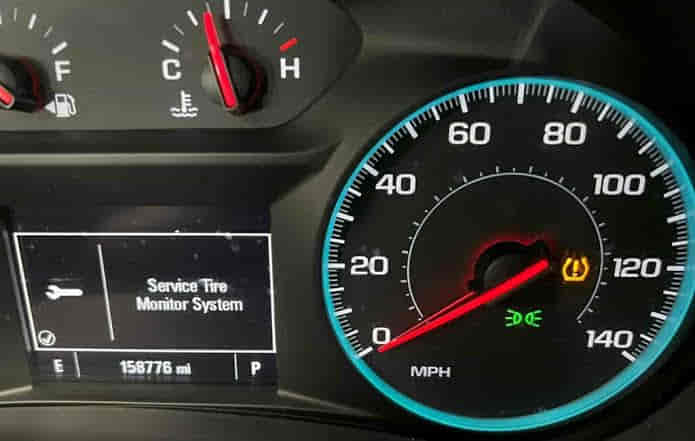
A Cadillac Tire Pressure Monitoring System reset can help restore normal operation when the issue is caused by incorrect sensor synchronization, temporary communication errors, or recent tire service. However, a reset only restores the connection between the TPMS components in certain situations; it cannot repair a damaged tire pressure sensor, failed sensor battery, or faulty electronic module.
The Cadillac Tire Pressure Monitoring System (TPMS) is designed to monitor tire inflation pressure and alert the driver when one or more tires are outside the recommended pressure range. The system relies on multiple components working together, including tire pressure sensors, radio frequency signals, a TPMS receiver, and the vehicle control system.
Problems often appear after tire replacement, tire rotation, inflation adjustments, or battery-related electrical events. A Cadillac may display a tire pressure warning light even when the tires have been properly inflated because the vehicle has not correctly recognized the sensor information.
A TPMS reset is sometimes needed to restore communication between the sensors and the vehicle. However, repeated warnings usually indicate that the issue comes from a deeper cause, such as sensor failure, communication problems, or module-related faults.
Understanding why a Cadillac Tire Pressure Monitoring System needs a reset helps owners determine whether the problem requires a simple relearn procedure, a system reset, or replacement of a faulty component. This guide explains the main causes of TPMS reset problems and when further diagnosis is necessary.
Can Incorrect Tire Pressure Cause Cadillac TPMS Reset Problems?
Incorrect tire pressure can cause Cadillac Tire Pressure Monitoring System reset problems because the TPMS system must detect accurate pressure values before it can confirm that the warning condition has been resolved. Resetting the system does not replace the need to maintain the correct tire inflation pressure because the sensors are designed to monitor real pressure changes inside each tire.
The TPMS system continuously compares the pressure information received from each tire sensor with the vehicle’s programmed pressure requirements. If one or more tires remain underinflated, the warning light may continue appearing even after a reset because the system is correctly detecting an existing pressure problem.
Temperature changes can also affect tire pressure readings. Cold weather can reduce tire pressure because air contracts at lower temperatures, causing the TPMS warning to activate even when there is no sensor failure. After adjusting the tire pressure to the recommended level, some Cadillac models may require a relearn or reset process before the warning disappears.
For example, a Cadillac owner may inflate a tire after seeing a low-pressure warning but notice that the TPMS light remains on. If the system has not updated its pressure information or the tire pressure is still uneven compared with other tires, the warning may continue.
A reset should only be performed after verifying that all tires are properly inflated. If the warning remains after correcting tire pressure and completing the reset procedure, the cause may involve sensor communication, calibration, or a faulty TPMS component.
Can Tire Replacement Require a Cadillac TPMS Reset?
Tire replacement can require a Cadillac TPMS reset or relearn procedure because the vehicle must recognize the identification signals from the new or relocated tire pressure sensors. TPMS sensors are electronic devices that transmit unique identification data, and the vehicle needs to match each sensor with its correct wheel position.
When tires are replaced, several situations can affect TPMS operation. The original sensors may be transferred to new tires, new sensors may be installed, or the wheel positions may change after service. In each situation, the Cadillac system may need updated sensor information before it can display accurate tire pressure readings.
The reset or relearn process allows the vehicle to establish communication with the sensors again. During this process, the TPMS receiver and control system identify each sensor signal and store the correct wheel location information.
For example, a Cadillac owner may install new tires and notice that the tire pressure warning light remains active even though all tires have the correct pressure. The issue may not be the tire pressure itself but the fact that the vehicle has not recognized the replacement sensors.
However, a reset will not solve a sensor that has no signal, incorrect programming, or a depleted internal battery. If the Cadillac cannot detect a sensor after relearning, the sensor condition and communication system need further inspection.
Read more: cadillac theft deterrent system reset
Can TPMS Sensor Battery Failure Prevent Cadillac Reset From Working?
TPMS sensor battery failure can prevent a Cadillac Tire Pressure Monitoring System reset from working because the vehicle cannot receive accurate pressure information from a sensor that no longer has enough power to transmit data. Each tire pressure sensor contains an internal battery designed to provide power for wireless communication with the vehicle’s TPMS receiver.
Unlike a vehicle battery, the battery inside a TPMS sensor is not designed to be recharged or replaced separately in most applications. When the internal battery reaches the end of its service life, the sensor may transmit weak signals intermittently or stop communicating completely.
A failed sensor battery can create symptoms such as a tire pressure warning light that remains active, missing pressure information from one wheel, or a message indicating that a tire pressure sensor cannot be detected. In these cases, resetting the system will not restore normal operation because the vehicle still cannot receive valid sensor data.
For example, a Cadillac owner may perform a TPMS reset after noticing a warning light, but one tire continues showing no pressure reading. If that sensor has a depleted internal battery, the system cannot complete the relearn process until the sensor is replaced.
A reset is effective only when the sensors are functioning correctly and the problem comes from synchronization or temporary communication issues. When a sensor battery has failed, replacing the affected TPMS sensor is required to restore accurate tire pressure monitoring.
Can Cadillac TPMS Communication Problems Cause Reset Failure?
Cadillac TPMS communication problems can cause reset failure because the vehicle must receive clear wireless signals from each tire pressure sensor before it can complete the reset or relearn process. The TPMS system depends on radio frequency communication between the sensors installed inside the wheels and the vehicle’s receiving module.
Each sensor transmits information such as tire pressure and sensor identification data. The TPMS receiver collects these signals and sends the information through the vehicle network so the system can display accurate readings to the driver.
Communication problems can occur because of sensor damage, signal interference, receiver problems, or failures in the vehicle communication network. When the vehicle cannot establish reliable communication with one or more sensors, the reset process may fail or the warning light may remain active.
For example, a Cadillac may recognize three tire sensors but fail to detect the fourth after a tire replacement. The issue may not be incorrect tire pressure but a communication problem preventing the vehicle from completing sensor identification.
Diagnosing communication problems requires checking sensor signals, stored diagnostic information, and the condition of the TPMS receiver. A reset cannot correct a communication failure caused by a damaged sensor, failed receiver, or electrical problem within the system.
Can Tire Rotation Affect Cadillac TPMS Reset?
Tire rotation can affect Cadillac TPMS reset because changing wheel positions may require the vehicle to relearn the location of each tire pressure sensor. The TPMS system does not only monitor tire pressure; it also stores sensor identification information so the vehicle knows which tire is reporting each pressure value.
When tires are rotated, the sensors move to different wheel positions. If the vehicle still uses the previous sensor location information, the displayed tire pressure data may not match the actual wheel positions. This can create incorrect warnings or confusion when checking tire pressure readings.
The relearn process allows the Cadillac TPMS system to update the relationship between each sensor and its wheel location. During this process, the vehicle identifies the signal from each tire sensor and stores the updated information in the control system.
For example, after a tire rotation, a Cadillac owner may notice that the front tire pressure reading appears under the wrong wheel position. The sensors may still be working correctly, but the vehicle needs to relearn their locations.
However, tire rotation itself does not damage TPMS sensors or require replacement in most situations. If the system continues showing warnings after a proper relearn procedure, the issue may involve sensor failure, communication problems, or another TPMS component rather than the tire position change.
Can Software or Module Problems Prevent Cadillac TPMS Reset?
Software or module problems can prevent a Cadillac TPMS reset from working because the system depends on electronic control modules to process sensor information and manage communication between the tires and the vehicle. The TPMS system is not controlled only by the tire sensors; it also relies on the vehicle’s electronic network to interpret and display pressure information.
The Body Control Module (BCM) and related TPMS control components process sensor signals and determine whether the tire pressure information is accurate. If these modules experience communication errors, incorrect stored data, or software-related issues, the reset process may not complete correctly.
Software problems may occur after electrical interruptions, battery replacement, module communication failures, or system synchronization errors. In these situations, the sensors may be functioning properly, but the vehicle may not correctly process their signals.
For example, a Cadillac may show a TPMS warning even after installing working sensors and setting the correct tire pressure. If diagnostic testing shows a communication problem with the control system, replacing the sensors would not solve the issue because the failure exists within the vehicle’s electronic management system.
A reset can correct temporary synchronization problems, but it cannot repair a failed control module or damaged communication circuit. When TPMS warnings continue after proper reset and sensor checks, diagnostic testing is necessary to identify whether the problem comes from software, the BCM, or another electronic component.
When Does Cadillac TPMS Need Sensor Replacement Instead of Reset?
Cadillac TPMS needs sensor replacement instead of another reset when the warning returns repeatedly, the vehicle cannot detect one or more sensors, or the sensor itself has failed. A reset or relearn procedure can restore communication problems, but it cannot repair a damaged sensor, depleted battery, or internal electronic failure.
A tire pressure sensor is designed to operate for many years, but its internal battery has a limited lifespan. When the battery becomes weak or the sensor electronics fail, the TPMS system may lose the ability to receive accurate tire pressure information. In this situation, repeated resets only restart the system without restoring the missing signal.
Sensor damage can also occur during tire service if the valve-mounted sensor is improperly handled or if the component becomes physically damaged. A faulty sensor may create symptoms such as a constant TPMS warning light, missing pressure readings, or failure during the relearn process.
For example, a Cadillac owner may install new tires and attempt multiple TPMS resets, but the vehicle still cannot recognize one wheel sensor. If the other sensors communicate normally, the undetected sensor may be the actual source of the problem.
Proper diagnosis helps determine whether the issue requires a reset, sensor relearn, or replacement. Replacing sensors unnecessarily increases repair costs, while continuing to reset a failed sensor will not restore the TPMS system.
How Can You Successfully Reset Cadillac Tire Pressure Monitoring System Problems?
A successful Cadillac Tire Pressure Monitoring System reset requires identifying whether the issue comes from incorrect sensor synchronization, tire service changes, communication problems, or a failed TPMS component. Resetting the system can restore normal operation when the problem is caused by temporary errors, but it cannot repair a damaged sensor or replace a failed electronic component.
The Cadillac TPMS system depends on several connected parts, including tire pressure sensors, radio frequency communication, the TPMS receiver, and vehicle control modules. These components must work together to provide accurate tire pressure information and display warnings correctly.
The most effective troubleshooting approach starts with confirming the actual tire pressure, checking whether recent tire replacement or rotation requires a relearn procedure, and verifying that the sensors are transmitting correctly. If the warning continues after these checks, further diagnosis is needed to determine whether the problem involves a sensor, communication system, or vehicle module.
Repeatedly resetting the Cadillac TPMS without identifying the cause only removes symptoms temporarily. Understanding the difference between a synchronization issue and a component failure helps owners choose the correct solution and avoid unnecessary repairs.
A properly functioning Tire Pressure Monitoring System is essential for maintaining tire safety and preventing pressure-related driving risks. When a Cadillac TPMS reset does not solve the warning condition, accurate diagnosis is the most reliable way to restore the system’s normal operation.