When shopping for a midsize pickup truck, reliability is often one of the most important factors to consider. After all, nobody wants to spend thousands of dollars on a vehicle only to face unexpected repairs, costly maintenance bills, or frequent breakdowns. Whether you’re looking for a dependable daily driver, a capable work truck, or an off-road adventure companion, long-term reliability can significantly impact your ownership experience.
Among midsize trucks, the Toyota Tacoma has earned a reputation for being one of the most durable and dependable vehicles on the road. For decades, Tacoma owners have praised its ability to withstand tough conditions, accumulate high mileage, and maintain strong resale value. Stories of Tacomas surpassing 200,000 or even 300,000 miles are common, making the truck a popular choice for buyers who prioritize longevity and low ownership stress.
However, no vehicle is perfect. Potential buyers often wonder whether the Tacoma’s reliability reputation is truly justified, which model years are the most dependable, and what common problems they should be aware of before making a purchase.
In this complete owner’s guide, we’ll take an in-depth look at Toyota Tacoma reliability, expected lifespan, common issues, maintenance costs, and the best model years to help you determine whether a Tacoma is the right truck for your needs.
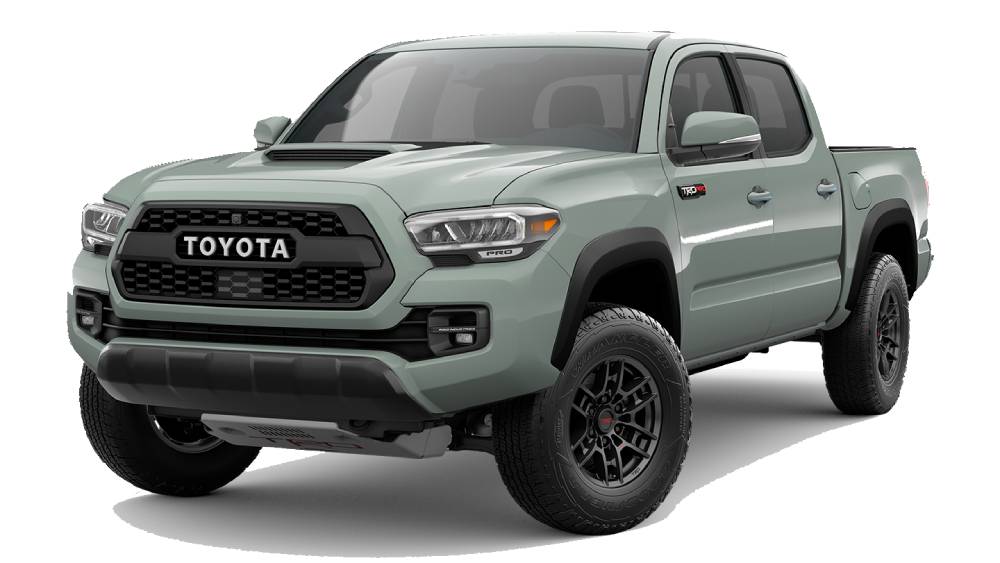
Why Reliability Matters When Buying a Pickup Truck
Reliability plays a crucial role in determining the overall value of a pickup truck. While many buyers focus on factors such as towing capacity, engine performance, and technology features, long term dependability often has the greatest impact on ownership satisfaction. A reliable truck can save thousands of dollars in repair costs, reduce downtime, and provide peace of mind whether it is being used for work, recreation, or daily transportation.
One of the biggest expenses associated with vehicle ownership is unexpected repairs. Even a truck with an attractive purchase price can become expensive if major components begin to fail after a few years. Frequent visits to the repair shop not only increase costs but can also create inconvenience for owners who depend on their vehicles every day. Choosing a reliable truck helps minimize these risks and contributes to lower ownership costs over time.
Reliability also affects resale value. Vehicles known for durability tend to retain their value better than those with a history of mechanical issues. The Toyota Tacoma is often cited as one of the strongest performers in the resale market because buyers are willing to pay more for a truck with a proven reputation for longevity.
For truck owners who regularly tow trailers, travel long distances, or explore remote areas, reliability becomes even more important. Confidence in a vehicle’s ability to perform consistently under demanding conditions is often worth more than any luxury feature or technology package.
Toyota Tacoma Reliability Overview
The Toyota Tacoma has earned its reputation as one of the most reliable midsize pickup trucks through decades of consistent performance and durability. Introduced in the mid 1990s, the Tacoma quickly became known for its ability to withstand harsh environments, challenging terrain, and years of heavy use. This reputation has made it one of Toyota’s most successful vehicles in North America.
A major reason for the Tacoma’s reliability is Toyota’s engineering philosophy. The company has historically prioritized durability and long term dependability over introducing unproven technologies. As a result, many Tacoma models feature powertrains and components that have been thoroughly tested before reaching consumers. This conservative approach often leads to fewer mechanical surprises and greater owner confidence.
Many owners report driving their Tacomas well beyond 200,000 miles with only routine maintenance. High mileage examples are common across online owner communities, automotive forums, and used vehicle marketplaces. While no vehicle is immune to wear and tear, the Tacoma has demonstrated an exceptional ability to remain functional and dependable long after many competitors begin to show signs of age.
The truck’s strong reliability record is also reflected in its popularity among outdoor enthusiasts, contractors, and fleet operators. These groups often place vehicles under significant stress and tend to choose models that can withstand years of demanding use. The Tacoma’s continued success within these communities reinforces its reputation as one of the most trustworthy trucks available.
How Long Do Toyota Tacomas Last?
One of the most impressive aspects of Toyota Tacoma ownership is the vehicle’s potential lifespan. With proper maintenance, many Tacomas can easily exceed 200,000 miles, and some owners have reported reaching 300,000 miles or more without major mechanical failures. This level of longevity is one of the primary reasons the truck remains highly desirable in both new and used vehicle markets.
Several factors contribute to the Tacoma’s long life expectancy. Toyota’s durable engines, robust transmissions, and sturdy truck construction are designed to handle years of use under a variety of conditions. Regular oil changes, timely fluid replacements, brake maintenance, and scheduled inspections can significantly extend the life of the vehicle.
Driving habits also play an important role. Trucks that are driven responsibly and maintained consistently typically experience less wear than vehicles subjected to aggressive driving, excessive towing, or neglected maintenance schedules. Environmental factors such as climate, road salt exposure, and off road use can also affect long term durability.
Many automotive experts consider 200,000 miles to be a realistic benchmark for a well maintained Tacoma. Reaching 300,000 miles is certainly possible, although it often requires diligent care and prompt attention to maintenance needs. For buyers seeking a truck capable of delivering years of dependable service, the Tacoma remains one of the strongest options in the midsize pickup segment.
The ability to achieve such high mileage contributes directly to the Tacoma’s exceptional resale value. Buyers understand that a used Tacoma with 100,000 miles may still have many years of useful life remaining, making it a smart investment compared to less durable alternatives.
Most Common Toyota Tacoma Problems
Although the Toyota Tacoma is widely regarded as one of the most reliable midsize pickup trucks on the market, no vehicle is completely free from problems. Understanding the most commonly reported issues can help buyers make informed decisions and avoid unexpected repair expenses.
One of the most well known concerns involves frame rust, particularly in certain first and second generation Tacoma models. In regions where roads are heavily treated with salt during winter months, excessive corrosion became a significant issue. Toyota addressed many of these concerns through recalls, inspections, and warranty programs, but buyers considering older used models should still inspect the frame carefully before purchasing.
Some owners have also reported transmission related concerns, particularly in specific model years. Symptoms may include delayed shifting, hesitation during acceleration, or rough gear changes. While these issues are not widespread across all Tacoma generations, they highlight the importance of reviewing maintenance records and conducting a thorough test drive.
Suspension components can experience wear over time, especially on trucks that are frequently used for off road driving or heavy hauling. Shock absorbers, ball joints, and bushings may require replacement as mileage accumulates. Fortunately, these repairs are generally considered routine wear items rather than major reliability concerns.
In newer Tacoma models, some owners have reported minor electrical and infotainment system issues. Problems such as touchscreen glitches, connectivity interruptions, or software bugs can occasionally occur. While these issues may be frustrating, they typically do not affect the truck’s overall dependability or ability to perform its primary functions.
Fuel pump recalls have also affected certain model years. In most cases, Toyota provided repairs through official recall campaigns, minimizing the long term impact on owners. Prospective buyers should verify that all recall work has been completed before purchasing a used vehicle.
Overall, the majority of Tacoma problems are relatively manageable and rarely overshadow the truck’s strong reputation for durability. Most owners consider these issues minor when compared to the costly engine or transmission failures sometimes reported in competing vehicles.
Best Toyota Tacoma Model Years
Not all Toyota Tacoma model years perform equally. While the Tacoma has maintained a strong reliability reputation across multiple generations, some years have proven more dependable than others.
The 2015 Toyota Tacoma is often regarded as one of the best examples of the second generation. By this point, Toyota had refined many of the design and mechanical components, resulting in a truck with excellent reliability, strong owner satisfaction, and fewer reported issues compared to earlier years.
The 2017 Tacoma is another highly recommended option. Although the third generation was introduced in 2016, the following model year benefited from various improvements and software updates that addressed some early production concerns. Many owners praise the 2017 model for its balance of modern features and dependable performance.
The 2020, 2021, and 2022 Tacoma models are also frequently recognized for their reliability. These trucks benefit from years of engineering refinements, updated safety technologies, and improved overall quality. They offer many of the advantages of modern trucks while maintaining the durability that Tacoma owners expect.
On the other hand, some model years deserve additional scrutiny. Early third generation trucks, particularly the 2016 model, experienced a higher number of owner complaints related to transmission behavior, engine performance characteristics, and software calibration issues. While many of these concerns were not catastrophic, they generated more complaints than later production years.
Certain older models from the mid 2000s may also require careful inspection due to frame corrosion concerns. Buyers should thoroughly review vehicle history reports, maintenance records, and recall completion status before making a purchase.
Ultimately, the best Tacoma model year depends on budget, intended use, and personal preferences. However, buyers seeking maximum reliability often gravitate toward well maintained examples from the later years of each generation.
Toyota Tacoma Maintenance and Repair Costs
One reason the Toyota Tacoma continues to attract loyal buyers is its relatively reasonable cost of ownership. While no truck is inexpensive to maintain indefinitely, the Tacoma generally requires fewer major repairs than many competing midsize pickups.
Routine maintenance remains straightforward and predictable. Oil changes, tire rotations, brake inspections, and fluid services represent the most common maintenance expenses. Following Toyota’s recommended maintenance schedule helps prevent larger problems from developing and contributes significantly to the truck’s long term durability.
Brake components typically provide respectable service life, particularly for owners who do not frequently tow heavy loads. Tire replacement costs vary depending on tire size and driving habits, but these expenses are comparable to those of similar trucks in the segment.
As mileage increases, owners may encounter repairs involving suspension components, water pumps, batteries, alternators, or other wear related items. Fortunately, the Tacoma’s reputation for reliability means that catastrophic engine or transmission failures are less common than many buyers might expect.
Another advantage is the widespread availability of replacement parts. Because the Tacoma has been one of the most popular midsize trucks for decades, parts are generally easy to source and often reasonably priced. Independent repair shops are also familiar with the vehicle, which can help reduce labor costs compared to less common truck models.
Compared with competitors such as the Ford Ranger, Chevrolet Colorado, and Nissan Frontier, the Tacoma often delivers lower long term ownership risk. Although the initial purchase price may be higher, many owners find that reduced repair frequency and exceptional resale value help offset the upfront investment.
For buyers who plan to keep their truck for many years, consistent preventive maintenance is the key to maximizing reliability. Regular inspections, prompt attention to warning signs, and adherence to service intervals can help a Tacoma remain dependable for hundreds of thousands of miles.
Toyota Tacoma vs Competitors: Reliability Comparison
The midsize pickup truck market has become increasingly competitive in recent years, with manufacturers introducing new technologies, stronger powertrains, and improved comfort features. Despite this competition, the Toyota Tacoma continues to stand out for one key reason: long term reliability.
When compared with the Ford Ranger, the Tacoma generally holds an advantage in long term ownership confidence. The Ranger offers strong performance, modern technology, and competitive towing capabilities, but Toyota’s reputation for durability often gives Tacoma an edge among buyers who plan to keep their trucks for many years. While both trucks can provide dependable service, the Tacoma’s track record of high mileage longevity is difficult to ignore.
The Chevrolet Colorado is another popular alternative. Many drivers appreciate its comfortable ride, available engine options, and attractive design. However, some Colorado model years have experienced higher rates of mechanical complaints, particularly involving transmissions and certain engine configurations. In contrast, the Tacoma’s more conservative engineering approach has contributed to a stronger reliability reputation over time.
The Nissan Frontier deserves recognition as one of the Tacoma’s closest competitors in terms of dependability. The Frontier has historically been known for durability and straightforward design. However, the Tacoma often maintains an advantage through stronger resale values, broader aftermarket support, and a larger community of long term owners who consistently report positive experiences.
Another factor worth considering is resale value. Reliable vehicles typically retain more of their original value, and the Tacoma is often among the leaders in this category. Buyers are frequently willing to pay a premium for a used Tacoma because they trust its ability to continue performing well even after years of service.
While every truck has strengths and weaknesses, the Tacoma remains one of the safest choices for buyers whose primary concern is reliability. Its combination of durability, longevity, and owner satisfaction continues to set the benchmark within the midsize pickup segment.
What Real Owners Say About Tacoma Reliability
One of the best ways to evaluate a vehicle’s reliability is to listen to the people who drive it every day. Toyota Tacoma owners consistently share stories that reinforce the truck’s reputation for durability and dependability.
Many owners report driving their Tacomas well beyond 200,000 miles with relatively few major repairs. These experiences often include years of daily commuting, towing, off road adventures, and demanding work conditions. For many drivers, routine maintenance is the only significant investment required to keep the truck operating reliably.
Long term owners frequently praise the Tacoma’s ability to start consistently, perform reliably in harsh weather, and maintain strong mechanical health even as mileage accumulates. This level of confidence is one of the primary reasons many Tacoma drivers remain loyal to the brand when it comes time to purchase another vehicle.
Owners also appreciate the truck’s durability in challenging environments. Whether navigating rough trails, hauling equipment, or enduring extreme temperatures, the Tacoma has developed a reputation for handling demanding conditions without excessive mechanical issues.
Of course, owner feedback is not entirely positive. Some drivers mention that the Tacoma’s ride quality can feel firmer than certain competitors. Others point to fuel economy figures that may not match some newer rivals. Interior technology has also occasionally been criticized for lagging behind the latest offerings from competing manufacturers.
Despite these complaints, reliability remains the dominant theme across owner reviews. Many drivers view the tradeoff as worthwhile because they prioritize durability and long term dependability over luxury features or cutting edge technology.
Perhaps the strongest endorsement comes from repeat buyers. A significant number of Tacoma owners choose another Tacoma when replacing their current truck, demonstrating a level of trust that few vehicles achieve.
Should You Buy a Toyota Tacoma?
The answer largely depends on your priorities as a buyer. If reliability, longevity, and strong resale value rank near the top of your list, the Toyota Tacoma is one of the best choices available in the midsize truck market.
The Tacoma is particularly well suited for drivers who plan to keep their vehicle for many years. Its durable construction and proven mechanical components make it an excellent option for commuters, outdoor enthusiasts, contractors, and anyone seeking a truck capable of delivering dependable service over the long term.
Buyers who frequently travel to remote locations may also appreciate the Tacoma’s reputation for reliability. Knowing that a vehicle is less likely to experience major failures can provide valuable peace of mind during long road trips, camping adventures, or off road excursions.
A used Tacoma can also be a smart investment. Although used examples often command higher prices than competing trucks, many buyers consider the premium worthwhile due to the vehicle’s durability and strong resale value. A well maintained Tacoma with moderate mileage can still offer years of dependable performance.
However, the Tacoma may not be the perfect choice for everyone. Drivers seeking the most luxurious interior, the latest technology features, or maximum towing capacity may find better options elsewhere. Some competitors offer more refined cabins, smoother ride quality, or stronger towing specifications.
Even so, for buyers focused on long term ownership costs, reliability, and overall dependability, the Tacoma remains one of the strongest recommendations in the segment. Its ability to consistently deliver years of trouble free service is a major reason why it continues to be one of the most respected pickup trucks on the market.
Final Verdict: Are Toyota Tacomas Reliable?
After examining the Toyota Tacoma’s history, common issues, maintenance requirements, and owner experiences, the answer is clear: yes, Toyota Tacomas are among the most reliable midsize pickup trucks available today.
The Tacoma has built its reputation through decades of consistent performance and proven durability. While every vehicle has potential weaknesses, the Tacoma’s problems are generally less severe and less frequent than those reported by many competitors. Its ability to exceed 200,000 miles and, in many cases, 300,000 miles with proper maintenance makes it one of the most dependable long term investments in the truck market.
Another major advantage is its exceptional resale value. Buyers recognize the Tacoma’s reliability and are often willing to pay more for a used model with a documented maintenance history. This strong demand helps offset the truck’s higher purchase price and contributes to a lower overall cost of ownership over time.
The Tacoma may not offer the most luxurious interior or the most advanced technology in its class, but it excels where many truck buyers place the highest priority: dependability. For drivers seeking a vehicle that can handle daily commuting, demanding job sites, outdoor adventures, and years of ownership with minimal headaches, the Toyota Tacoma remains one of the best choices available.
If reliability is your primary concern, few midsize trucks can match the Tacoma’s long standing reputation and proven track record.
Frequently Asked Questions
Are Toyota Tacomas reliable after 200,000 miles?
Yes. Many Toyota Tacomas continue operating reliably beyond 200,000 miles when they receive regular maintenance. Proper servicing, timely fluid changes, and addressing minor issues before they become major problems can significantly extend the truck’s lifespan. Numerous owners report driving their Tacomas well past this milestone while maintaining dependable performance.
Can a Toyota Tacoma last 300,000 miles?
A Toyota Tacoma can reach 300,000 miles or more under the right conditions. Consistent maintenance, responsible driving habits, and prompt repairs are key factors that contribute to achieving extremely high mileage. While not every Tacoma will reach this benchmark, it is far more common than in many competing trucks.
What are the most common Toyota Tacoma problems?
The most frequently reported issues include frame rust in certain older model years, occasional transmission concerns, suspension wear, fuel pump recalls, and minor infotainment system glitches. Most of these problems are manageable and do not significantly impact the Tacoma’s overall reliability reputation.
Which Toyota Tacoma model year is the most reliable?
Many automotive experts and owners consider the 2015 Toyota Tacoma one of the most reliable model years. The 2017, 2020, 2021, and 2022 models are also highly regarded due to their strong reliability records and lower rates of reported issues.
Is a used Toyota Tacoma worth buying?
Yes. A well maintained used Tacoma can provide excellent value, especially for buyers seeking long term reliability. Although used Tacomas often command higher prices than competitors, their durability and strong resale value frequently justify the additional cost.
Are Toyota Tacomas expensive to maintain?
Compared with many trucks in the midsize segment, Tacoma maintenance costs are generally reasonable. Routine services such as oil changes, brake replacements, and tire maintenance are straightforward, while major mechanical failures are relatively uncommon when the truck is properly maintained.
Conclusion
The Toyota Tacoma has earned its status as one of the most trusted pickup trucks in America for good reason. Its combination of durability, longevity, manageable maintenance costs, and strong resale value makes it an appealing choice for a wide range of drivers. Whether you need a dependable work truck, an off road adventure vehicle, or a long term daily driver, the Tacoma consistently demonstrates an ability to deliver reliable performance year after year.
While no vehicle is completely free from problems, the Tacoma’s strengths far outweigh its weaknesses. Buyers who invest in regular maintenance and choose a well cared for model can reasonably expect many years of dependable service. This level of confidence is one of the primary reasons why the Tacoma remains a favorite among truck owners and automotive experts alike.
If you’re searching for a midsize pickup that prioritizes reliability above all else, the Toyota Tacoma deserves a place at the top of your list. Its proven track record, loyal owner base, and reputation for longevity continue to make it one of the smartest truck purchases available today.