When shopping for a midsize SUV, reliability is often one of the most important factors influencing a buyer’s decision. After all, no one wants to invest thousands of dollars in a vehicle only to face unexpected breakdowns, costly repairs, or declining performance after a few years of ownership. Among family SUVs, the Toyota Highlander has built a reputation for durability, dependability, and strong resale value. But does it truly deserve its status as one of the most reliable SUVs on the market?
The answer matters whether you are considering a brand-new Highlander, a certified pre-owned model, or a used vehicle with over 100,000 miles on the odometer. Many buyers wonder if the Highlander can genuinely deliver the long-term reliability Toyota is known for, especially when compared with competitors such as the Honda Pilot, Kia Telluride, and Hyundai Palisade.
In this complete owner’s guide, we will examine Toyota Highlander reliability ratings, expected lifespan, common problems, maintenance costs, and the best model years to buy. We will also explore real owner experiences and discuss whether a used Toyota Highlander is still a smart investment. By the end of this guide, you will have a clear understanding of whether the Toyota Highlander is the right SUV for your family’s needs and budget.
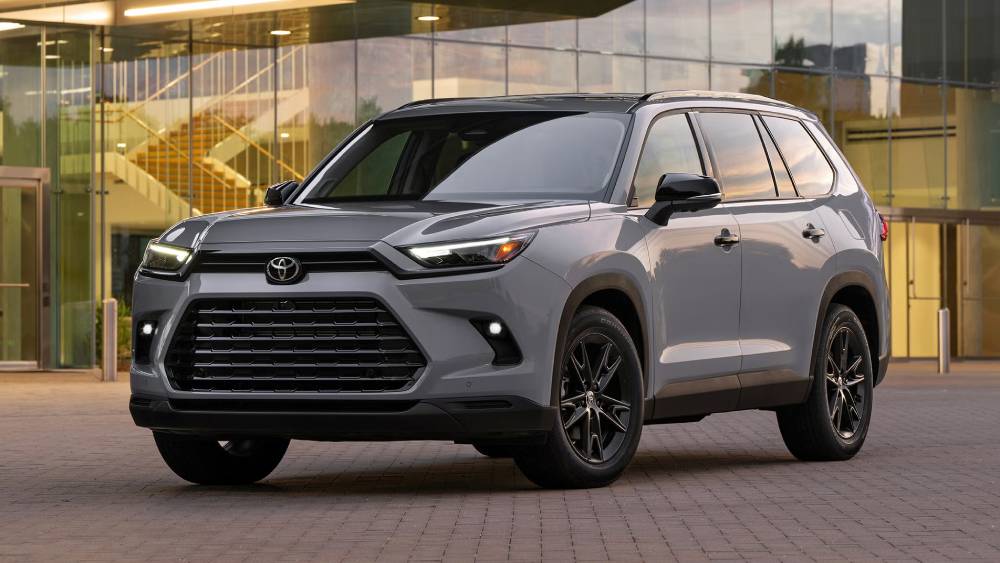
Quick Answer: Are Toyota Highlanders Reliable?
Yes, Toyota Highlanders are widely considered among the most reliable midsize SUVs available today. Over the years, the Highlander has earned a strong reputation for durability, low maintenance costs, and long-term dependability. Many owners report driving their vehicles well beyond 200,000 miles with relatively few major mechanical issues when routine maintenance is performed consistently.
One of the biggest reasons for the Highlander’s reliability is Toyota’s conservative engineering approach. Rather than introducing unproven technologies, Toyota tends to refine existing systems and prioritize long-term performance. This philosophy has helped the Highlander maintain a strong track record across multiple generations.
That said, no vehicle is completely free from problems. Certain model years have experienced issues involving transmissions, oil leaks, infotainment systems, and electrical components. However, compared with many competitors in the midsize SUV segment, the frequency and severity of these problems are generally lower.
For families seeking a dependable daily driver, long-distance road trip vehicle, or practical SUV with excellent resale value, the Toyota Highlander remains one of the safest choices in the market.
Toyota Highlander Reliability Ratings
The Toyota Highlander consistently receives above-average reliability scores from industry experts and automotive research organizations. These ratings are based on owner surveys, repair frequency, maintenance costs, and long-term dependability data.
Organizations such as J.D. Power and Consumer Reports have repeatedly ranked the Highlander among the top performers in the midsize SUV category. Owners frequently praise the vehicle for its mechanical durability, predictable maintenance requirements, and overall ownership satisfaction.
Another important factor contributing to the Highlander’s reliability reputation is its relatively low repair frequency. Unlike some SUVs that require frequent visits to repair shops as they age, many Highlanders continue operating reliably with only standard maintenance services such as oil changes, brake replacements, tire rotations, and fluid inspections.
When compared to competitors such as the Honda Pilot, Subaru Ascent, Hyundai Palisade, and Kia Telluride, the Highlander often stands out for its long-term ownership experience. While some competitors may offer more advanced technology or upscale interiors, the Highlander’s proven reliability record continues to attract buyers who prioritize dependability over flashy features.
Reliability also plays a major role in the Highlander’s exceptional resale value. Vehicles with a reputation for longevity tend to maintain stronger market demand, helping owners recover a larger portion of their investment when it is time to sell or trade in the vehicle.
How Long Do Toyota Highlanders Last?
One of the most frequently asked questions among potential buyers is how long a Toyota Highlander can realistically last. The good news is that the Highlander is capable of delivering an exceptionally long service life when properly maintained.
Most Toyota Highlanders can easily reach 200,000 miles without experiencing major mechanical failures. Many owners report surpassing 250,000 miles, and some examples have exceeded 300,000 miles while still remaining roadworthy. This longevity places the Highlander among the most durable SUVs in its class.
Several factors influence how long a Highlander will last. Routine maintenance is perhaps the most important. Regular oil changes, transmission servicing, cooling system inspections, and timely replacement of worn components can significantly extend the vehicle’s lifespan.
Driving habits also play a major role. Vehicles that are driven aggressively, used for frequent towing, or subjected to harsh road conditions may experience increased wear over time. Conversely, Highlanders driven primarily on highways and maintained according to Toyota’s service schedule often remain dependable for many years.
Climate can also affect longevity. Vehicles operated in regions with heavy snowfall and road salt exposure may experience more corrosion than those driven in milder environments. Buyers considering a used Highlander should always inspect the vehicle’s maintenance history and overall condition rather than focusing solely on mileage.
For many families, the Highlander’s longevity provides peace of mind. Even high-mileage examples can still represent excellent value if they have been properly cared for throughout their ownership history.
Common Toyota Highlander Problems
Although the Toyota Highlander is known for its excellent reliability, prospective buyers should understand that every vehicle can develop issues over time. Knowing the most commonly reported problems can help owners identify warning signs early and avoid unexpected repair expenses.
One issue reported in certain older Highlander models involves transmission performance. Some owners have experienced delayed shifting, rough gear changes, or hesitation during acceleration. These problems are more commonly associated with specific model years rather than the entire Highlander lineup. Regular transmission fluid changes and prompt attention to unusual symptoms can help prevent more serious damage.
Oil leaks have also been reported in some Highlanders, particularly as vehicles accumulate higher mileage. Common leak points may include valve cover gaskets and engine seals. While these repairs are generally manageable, ignoring leaks can lead to more expensive engine-related issues over time.
Electrical concerns occasionally appear in owner reports as well. These may include malfunctioning sensors, power liftgate issues, backup camera failures, or infotainment system glitches. In most cases, these problems affect convenience features rather than the vehicle’s core reliability.
Suspension wear is another consideration for older Highlanders. Components such as struts, control arms, and bushings naturally wear out with age and mileage. Drivers may notice increased road noise, reduced ride comfort, or uneven tire wear when suspension components require replacement.
For Highlander Hybrid models, battery longevity is a common concern among buyers. Fortunately, Toyota’s hybrid systems have demonstrated impressive durability. Many hybrid batteries last well beyond 150,000 miles, and some continue operating efficiently for significantly longer periods. While battery replacement can be expensive, actual failure rates remain relatively low compared to what many first-time hybrid buyers expect.
The key takeaway is that most Highlander problems tend to be predictable and manageable. Major catastrophic failures are relatively uncommon when owners follow Toyota’s recommended maintenance schedule.
Best Toyota Highlander Years to Buy
Certain Toyota Highlander model years have earned particularly strong reputations for reliability, owner satisfaction, and low repair frequency. Buyers seeking the safest long-term investment should focus on these standout years.
The 2017, 2018, and 2019 Highlanders are often considered some of the best used options available today. These models benefited from years of engineering refinements and generally experienced fewer complaints than many earlier versions. They offer a strong balance of reliability, safety technology, fuel efficiency, and affordability in the used vehicle market.
The 2021 model marked the beginning of the fourth-generation Highlander after Toyota addressed many early production concerns. Owners frequently praise this generation for its comfortable ride, modern technology, and dependable powertrain. The 2022 and 2023 models continue this trend and are widely regarded as excellent choices for buyers seeking newer vehicles with proven reliability.
Hybrid versions from these years are also highly recommended. Toyota’s hybrid technology has matured significantly, delivering strong fuel economy without sacrificing long-term dependability.
When purchasing any used Highlander, buyers should prioritize maintenance records over mileage alone. A vehicle with 150,000 well-maintained miles may prove far more reliable than one with lower mileage but poor service history. Professional pre-purchase inspections can also uncover hidden issues that may not be immediately visible during a test drive.
By focusing on model years with strong reliability records and documented maintenance histories, buyers can significantly reduce ownership risks and maximize long-term value.
Worst Toyota Highlander Years to Avoid
While most Toyota Highlanders enjoy above-average reliability, a few model years have generated more complaints than others. Understanding which years deserve extra caution can help buyers avoid potential headaches and costly repairs.
The 2003 Highlander, particularly in its early production period, received a higher number of complaints involving engine sludge buildup, electrical issues, and various mechanical concerns. Although many of these vehicles have remained on the road for years, buyers should carefully inspect any example from this period before purchasing.
The 2008 model year has also received attention for reports involving oil consumption and certain transmission-related issues. While not every vehicle experienced these problems, repair costs can be significant if issues were not addressed by previous owners.
Some owners of the 2014 Highlander reported transmission hesitation and shifting concerns during the model’s early production phase. Toyota implemented updates and improvements, but buyers should still verify service records and software updates when considering this model year.
It is important to note that even model years with higher complaint rates can still be reliable if they have been properly maintained and repaired. The presence of a known issue does not automatically mean every vehicle from that year should be avoided. Instead, buyers should conduct thorough inspections, review maintenance documentation, and investigate any recalls or technical service bulletins associated with the specific vehicle they are considering.
A cautious approach can often turn what appears to be a risky purchase into a worthwhile investment. The goal is not necessarily to avoid certain years entirely but to understand the potential issues and ensure they have been properly addressed before making a purchase decision.
Toyota Highlander Maintenance Costs
One of the biggest advantages of owning a Toyota Highlander is its relatively affordable long-term maintenance. While no vehicle is completely free from repair expenses, the Highlander typically costs less to maintain than many competitors in the midsize SUV segment.
Routine maintenance includes oil changes, tire rotations, brake inspections, fluid replacements, and filter changes. These services are generally straightforward and widely available, helping owners keep costs under control throughout the vehicle’s life. Toyota’s extensive dealer network and abundant aftermarket parts also contribute to lower ownership expenses compared to some less common brands.
As the vehicle ages, owners may encounter larger maintenance items such as brake replacements, suspension repairs, battery replacements, or cooling system components. However, these are normal wear-and-tear items that affect nearly all vehicles and are not unique to the Highlander.
One reason many families choose the Highlander is its predictability. Unexpected major repairs are relatively uncommon when maintenance schedules are followed consistently. This predictability allows owners to budget more accurately and avoid the financial stress often associated with less reliable vehicles.
Compared to some competitors that may offer more luxurious features or turbocharged powertrains, the Highlander’s simpler and proven engineering often translates into lower repair frequency over the long term. For buyers seeking a dependable family SUV with manageable ownership costs, the Highlander continues to be one of the most practical choices available.
Toyota Highlander Hybrid Reliability
Many buyers are attracted to the Toyota Highlander Hybrid because of its impressive fuel economy, but some hesitate due to concerns about hybrid system reliability. Fortunately, Toyota’s hybrid technology has earned one of the strongest reputations in the automotive industry.
The Highlander Hybrid uses a powertrain that has been refined through decades of development. Toyota has accumulated extensive real-world experience with hybrid systems, and this expertise is evident in the Highlander’s reliability performance. Numerous owners report years of trouble-free operation with minimal hybrid-related maintenance requirements.
One of the most common concerns involves battery lifespan. Contrary to popular belief, hybrid batteries do not typically fail after a few years. Many Highlander Hybrid batteries remain functional well beyond 150,000 miles, with some continuing to perform effectively for over 200,000 miles. Battery degradation occurs gradually, and complete failure is less common than many consumers assume.
The electric motor and regenerative braking system also contribute to reduced wear on traditional components. Brake pads often last longer than those found in conventional gasoline vehicles because regenerative braking assists in slowing the vehicle and reduces friction brake usage.
In addition to excellent reliability, Highlander Hybrid models offer significant fuel savings over time. For drivers who regularly cover long distances or face rising fuel costs, the hybrid version can provide meaningful financial benefits without sacrificing dependability.
For most buyers, concerns about hybrid reliability should not be a major obstacle. Toyota’s proven track record suggests that the Highlander Hybrid is every bit as dependable as its gasoline-powered counterpart while offering improved efficiency.
Real Owner Experiences and Long-Term Ownership Satisfaction
Statistics and reliability ratings provide valuable insights, but owner experiences often reveal what daily life with a vehicle is truly like. Across multiple generations, Toyota Highlander owners consistently report high levels of satisfaction with their vehicles.
Many owners praise the Highlander’s smooth ride quality, comfortable seating, and family-friendly interior design. Parents often appreciate the spacious cabin, practical storage areas, and safety features that make long trips more comfortable and less stressful. The vehicle’s reputation for reliability also creates confidence when traveling long distances or commuting daily.
Long-term owners frequently mention how little unexpected maintenance their Highlanders require. Many report reaching 150,000 to 250,000 miles while only performing routine maintenance and replacing normal wear items. This reliability contributes significantly to positive ownership experiences and reinforces Toyota’s reputation for durability.
Another commonly praised characteristic is resale value. Owners who decide to sell or trade in their Highlanders often discover that demand remains strong, allowing them to recover more of their investment compared to many competing SUVs.
Despite the overwhelmingly positive feedback, some owners do mention areas for improvement. Common complaints include infotainment systems that may feel outdated compared to newer competitors, limited third-row seating space for adults, and fuel economy that may not meet expectations in certain driving conditions. However, these concerns are generally viewed as minor inconveniences rather than serious reliability issues.
Overall, owner feedback strongly supports the Highlander’s reputation as a dependable family SUV. The combination of reliability, comfort, safety, and strong resale value continues to make it one of the most trusted vehicles in its class.
Is a Used Toyota Highlander Worth Buying?
For many shoppers, purchasing a used Toyota Highlander can be an excellent way to enjoy the benefits of a reliable midsize SUV while avoiding the higher cost of a brand-new vehicle. Thanks to its strong reputation for durability, the Highlander remains one of the most sought-after options in the used SUV market.
One of the biggest advantages of buying a used Highlander is its proven longevity. Unlike some vehicles that begin showing significant reliability concerns as mileage increases, a well-maintained Highlander can continue delivering dependable performance for many years. It is not uncommon to find examples with more than 150,000 miles that still operate smoothly and require only routine maintenance.
Another benefit is Toyota’s strong resale value. While this means used Highlanders may cost more than some competing models, it also reflects market confidence in the vehicle’s long-term reliability. Buyers are often willing to pay a premium because they expect fewer repairs and lower ownership costs over time.
However, purchasing any used vehicle carries risks. Buyers should carefully review service records, inspect the vehicle’s maintenance history, and obtain a professional pre-purchase inspection whenever possible. Particular attention should be paid to transmission performance, suspension condition, tire wear patterns, and signs of previous accident damage.
Mileage should not be the only factor influencing a purchase decision. A Highlander with higher mileage and complete maintenance records may be a better investment than a lower-mileage vehicle that has been neglected. By focusing on condition rather than mileage alone, buyers can often find exceptional value in the used Highlander market.
For families seeking reliability, practicality, and long-term ownership satisfaction, a used Toyota Highlander remains one of the safest choices available.
Toyota Highlander vs Competitors
The midsize SUV segment is highly competitive, with several strong alternatives to the Toyota Highlander. Understanding how the Highlander compares with its rivals can help buyers make a more informed decision.
The Honda Pilot is often considered the Highlander’s closest competitor. Both vehicles offer spacious interiors, strong safety ratings, and impressive reliability records. The Pilot generally provides more third-row space, while the Highlander tends to hold a slight advantage in long-term dependability and resale value.
The Kia Telluride has gained popularity due to its upscale interior, advanced technology, and attractive styling. Many buyers appreciate the Telluride’s premium feel, but the Highlander continues to benefit from Toyota’s decades-long reputation for reliability and lower long-term ownership risk.
The Hyundai Palisade shares many strengths with the Telluride, including a luxurious cabin and extensive technology features. While both Korean SUVs have earned positive reviews, they have not yet established the same long-term reliability history that the Highlander enjoys.
The Subaru Ascent appeals to buyers seeking standard all-wheel drive and strong performance in challenging weather conditions. However, the Highlander generally receives higher reliability ratings and experiences fewer owner-reported mechanical concerns.
When comparing these vehicles, buyers should consider their priorities. Those seeking the latest technology and premium features may be drawn to newer competitors. However, shoppers who prioritize long-term reliability, predictable maintenance costs, and strong resale value often find the Highlander to be the most balanced option.
Ultimately, the Highlander’s greatest strength is not necessarily that it leads every category. Instead, it consistently performs well across reliability, safety, comfort, efficiency, and ownership costs, creating a package that appeals to a wide range of buyers.
Final Verdict: Should You Buy a Toyota Highlander?
So, are Toyota Highlanders reliable? The evidence overwhelmingly suggests that they are. Across multiple generations, the Highlander has established itself as one of the most dependable midsize SUVs on the market. Its strong reliability ratings, long lifespan, manageable maintenance costs, and exceptional owner satisfaction have helped it earn a loyal following among families and long-term vehicle owners.
One of the Highlander’s greatest strengths is its ability to deliver consistent performance year after year. While no vehicle is completely immune to mechanical issues, the Highlander experiences fewer major problems than many competitors and often remains reliable well beyond 200,000 miles when properly maintained.
Buyers looking for the best ownership experience should focus on model years with proven reliability records and prioritize vehicles with documented maintenance histories. Whether choosing a gasoline-powered model or a hybrid version, owners can generally expect dependable service and strong long-term value.
The Highlander may not always offer the most luxurious interior, the sportiest driving dynamics, or the newest technology features in its class. However, it excels in the areas that matter most to many buyers: reliability, safety, practicality, and peace of mind.
For families seeking a trustworthy SUV that can handle daily commuting, road trips, and years of ownership without becoming a financial burden, the Toyota Highlander remains one of the smartest choices available. Its reputation has been earned through decades of real-world performance, and for most buyers, it continues to be a vehicle that delivers exactly what it promises: dependable transportation you can count on for the long haul.