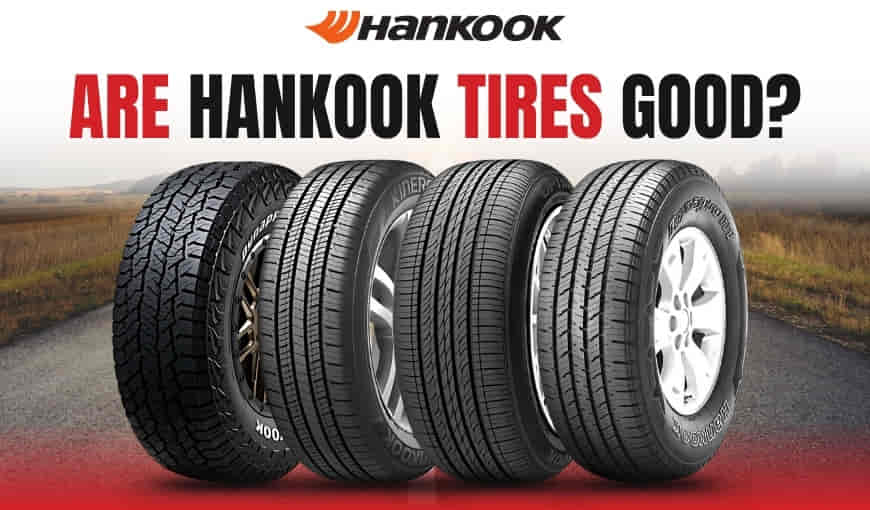
Hankook tires are considered a reliable tire option because they combine modern tire technology, competitive pricing, and strong performance across passenger cars, SUVs, trucks, and electric vehicles. The brand has developed a global reputation by focusing on a balance between durability, handling, comfort, and value rather than competing only through low prices.
Hankook has grown from a Korean tire manufacturer into a global brand that supplies tires for everyday drivers as well as original equipment applications for vehicle manufacturers. This growth reflects the company’s investment in tire engineering, manufacturing technology, and product development across different driving conditions.
However, whether Hankook tires are good depends on what a driver expects from a tire. A commuter looking for reliable daily performance may value Hankook’s balance of quality and affordability, while a performance enthusiast may compare Hankook with premium brands that focus more heavily on maximum handling capability.
Hankook offers a wide range of tire categories, including touring tires, performance tires, SUV tires, truck tires, and electric vehicle tires. Each product line is designed for different priorities, meaning the best Hankook tire depends on the vehicle type, driving environment, and performance requirements.
This guide explains Hankook tire quality, manufacturing background, durability, road performance, advantages, limitations, and whether Hankook tires are worth buying compared with other major tire brands.
Who Makes Hankook Tires?
Hankook Tires are manufactured by Hankook Tire & Technology, a South Korean tire company that has developed into one of the major global tire manufacturers. Understanding who makes Hankook tires helps explain how the brand has expanded from a regional manufacturer into a company recognized across passenger, SUV, truck, and electric vehicle tire markets.
Hankook Tire & Technology was founded in South Korea and has focused on tire research, manufacturing capability, and global expansion for decades. The company operates production facilities and research centers designed to develop tires for different markets, climates, and vehicle requirements.
Unlike some tire brands that mainly compete through price, Hankook has invested heavily in engineering and technology development. The company produces tires for everyday drivers while also supplying original equipment tires for selected vehicle manufacturers. These partnerships demonstrate that Hankook products must meet strict requirements related to performance, safety, and consistency.
Hankook operates across multiple tire categories, including touring tires, performance tires, SUV tires, truck tires, and specialized tires for electric vehicles. This broad product range allows the brand to serve different customer groups instead of focusing on only one driving purpose.
For example, a driver choosing Hankook for a daily commuter vehicle may prioritize comfort and mileage, while an SUV owner may select a Hankook tire designed for stronger traction and durability. The manufacturer’s ability to create different tire solutions is one reason the brand has gained wider recognition globally.
How Durable Are Hankook Tires?
Hankook tires are generally known for providing good durability, especially when selected correctly for the vehicle and maintained properly. Their lifespan depends on factors such as tire model, driving conditions, vehicle weight, maintenance habits, and road environment.
Durability in a tire is not determined only by how long the tread lasts. A quality tire must maintain traction, handling stability, and structural strength throughout its usable life. Hankook develops different rubber compounds and tread designs to balance wear resistance with performance characteristics.
Many Hankook touring and all-season tires are designed for drivers who want reliable mileage and consistent everyday performance. These tires typically focus on comfort, predictable handling, and long-term usability for commuting and highway driving.
Hankook also produces tires for SUVs and trucks where durability requirements are higher because these vehicles often carry heavier loads and experience more demanding conditions. Products designed for these applications may feature stronger construction and tread patterns that improve resistance against rough surfaces.
However, durability varies between Hankook product lines. A performance tire designed for sharper handling may wear differently from a touring tire designed for maximum mileage. The driver’s usage pattern also has a major impact on tire life.
For example, a properly maintained Hankook touring tire used mainly for highway commuting may deliver strong long-term value, while a more aggressive tire used frequently on rough terrain may experience faster tread wear due to increased traction demands.
Read more: Is Tire Rack Legit
How Do Hankook Tires Perform on Different Road Conditions?
Hankook tires generally provide balanced performance across different road conditions because the brand develops specific tire models for different driving needs, including daily commuting, performance driving, SUVs, trucks, and electric vehicles. Instead of designing every tire for the same purpose, Hankook creates product categories with different priorities in traction, comfort, handling, and durability.
On dry pavement, Hankook tires are known for stable handling and predictable steering response. Performance-focused models such as the Ventus series are designed to provide stronger grip and more responsive handling, making them suitable for drivers who prioritize driving control. Touring-focused models place more emphasis on comfort, smooth operation, and everyday reliability.
On wet roads, Hankook focuses on tread designs that help improve water evacuation and maintain road contact. Proper water management is important because wet surfaces reduce tire grip and increase braking distances. A tire with effective tread channels can help maintain better stability during rainy conditions.
In winter conditions, Hankook offers specialized options designed for colder temperatures and seasonal driving challenges. Winter-focused tires use compounds that remain flexible in low temperatures, helping maintain traction on snow and cold pavement. However, drivers who regularly experience severe ice conditions may need dedicated winter tires designed specifically for extreme environments.
For electric vehicles, Hankook has developed specialized tire technology that considers factors such as increased vehicle weight, instant torque delivery, and efficiency requirements. These tires are designed to support EV characteristics while maintaining durability and handling performance.
For example, a sedan owner who mainly drives on highways may benefit from Hankook touring tires, while a performance vehicle owner may prefer a model designed for sharper handling and increased grip.
Are Hankook Tires Good for SUVs and Trucks?
Hankook tires are a strong option for SUVs and trucks because the brand offers products designed to handle higher vehicle weight, stronger load demands, and different driving environments. SUV and truck owners often require tires that provide a balance between everyday road comfort and additional capability for heavier vehicles.
Hankook’s SUV and truck tire lineup includes products designed for highway driving, all-season performance, and more demanding conditions. These tires are developed with considerations such as load capacity, tread durability, and traction performance, which are important for larger vehicles.
The Dynapro series is one example of Hankook’s focus on SUV and light truck applications. These tires are designed to provide dependable traction while maintaining usability for everyday driving. They are commonly chosen by drivers who want more capability than standard passenger tires without moving to highly specialized off-road products.
For truck owners, tire durability and stability are important because pickup trucks may carry additional weight, tow equipment, or travel across mixed surfaces. Hankook truck-oriented tires aim to provide the structural strength and traction needed for these applications.
However, the best Hankook tire depends on how the vehicle is used. A truck used mainly for highway commuting requires different characteristics from a truck frequently driven on gravel roads, construction areas, or outdoor trails.
For example, an SUV owner who uses a vehicle for family transportation and occasional outdoor trips may find Hankook provides a practical balance of comfort and durability. A driver who regularly performs extreme off-road driving may need a more specialized tire designed specifically for aggressive terrain.
What Are the Advantages of Hankook Tires?
The main advantages of Hankook tires are competitive pricing, balanced performance, modern tire technology, and a wide product range that serves different types of vehicles and driving needs. These characteristics allow Hankook to compete effectively in the global tire market by offering a combination of quality and affordability.
One of Hankook’s strongest advantages is value. The brand often provides performance characteristics that approach premium tire categories while maintaining a more accessible price point. This makes Hankook attractive for drivers who want reliable performance without paying the highest prices associated with some premium tire manufacturers.
Another advantage is product variety. Hankook produces tires for multiple vehicle segments, including passenger cars, SUVs, trucks, performance vehicles, and electric vehicles. This allows customers to choose tires based on specific requirements rather than relying on a single general-purpose product.
Hankook also benefits from continuous investment in tire technology. The company develops different tread designs, rubber compounds, and construction methods to improve areas such as wet traction, handling stability, ride comfort, and efficiency. These technologies help Hankook provide more competitive products across different categories.
Original equipment partnerships with vehicle manufacturers have also strengthened Hankook’s reputation. When a tire brand supplies tires for new vehicles, it must meet specific requirements related to quality control, performance, and reliability.
For example, a driver replacing factory tires on a sedan may choose Hankook because it provides a balance of comfort, mileage, and cost. Similarly, an SUV owner may select Hankook because the brand offers products designed for heavier vehicles and varied road conditions.
The main value of Hankook comes from its ability to provide dependable performance without positioning itself only as a budget alternative.
What Are the Limitations of Hankook Tires?
The main limitations of Hankook tires are that they may not always match the highest levels of premium performance, brand recognition, or specialized capability offered by some top-tier tire manufacturers. While Hankook provides strong overall value, certain drivers may prioritize specific performance characteristics that other brands emphasize more heavily.
One limitation is brand perception. Companies such as Michelin, Continental, and Bridgestone have built longer-standing premium reputations in some markets. Although Hankook has improved its global position significantly, some consumers may still associate traditional premium status with older, more established brands.
Performance differences can also appear between product categories. A Hankook touring tire designed for comfort and mileage will not provide the same handling characteristics as a premium performance tire designed for sports vehicles. Similarly, an all-season tire may not match the extreme winter capability of a dedicated winter tire.
Another consideration is that Hankook may not be the ideal choice for drivers seeking highly specialized performance. Drivers who participate in track driving, extreme off-road activities, or require the absolute highest level of performance may prefer tires specifically engineered for those environments.
However, these limitations do not mean Hankook tires are low quality. They reflect the brand’s market position, which focuses on delivering strong performance and reliability at a competitive price.
For example, a daily commuter who needs dependable transportation may find Hankook provides excellent value, while an enthusiast seeking maximum cornering performance may choose a more specialized premium tire designed around that specific goal.
Are Hankook Tires Worth Buying?
Hankook tires are worth buying for drivers who want a balance between performance, durability, technology, and price rather than simply choosing the most expensive tire brand available. The brand has developed a strong position in the global tire market by providing reliable products for passenger vehicles, SUVs, trucks, performance cars, and electric vehicles.
Hankook’s biggest advantage is its ability to deliver solid overall performance at a competitive price. Drivers can access modern tire technology, dependable traction, and good durability without paying the premium prices associated with some of the most expensive tire brands.
However, the right tire choice depends on individual driving needs. A daily commuter, SUV owner, and performance driver may have different expectations from a tire. Hankook provides many options, but selecting the correct model is essential to achieving the expected performance.
Drivers who prioritize value, reliable everyday performance, and a reasonable ownership cost are more likely to benefit from Hankook tires. Those who need extreme performance for specialized applications may prefer brands or models designed specifically for those conditions.
Overall, Hankook tires represent a strong middle ground between budget and premium tire categories. The brand combines engineering capability, product variety, and competitive pricing, making it a practical choice for many drivers who want dependable performance without unnecessary expense.