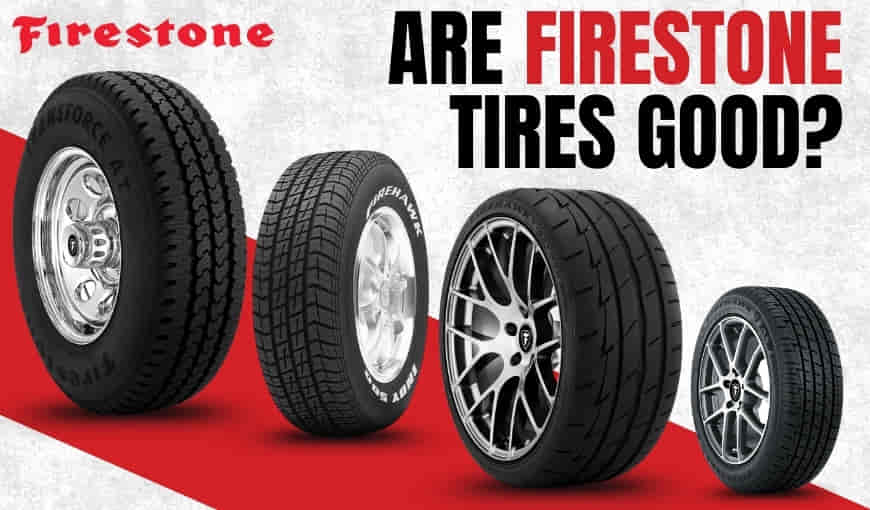
Firestone tires are considered a reliable tire option because they combine a long history in the tire industry, proven manufacturing experience, and a wide range of products designed for passenger cars, SUVs, trucks, and performance vehicles. The brand has built recognition by focusing on dependable everyday performance, durability, and practical value rather than competing only through premium pricing.
Firestone has a unique position in the tire market because it combines a traditional brand identity with the technological support of Bridgestone Corporation. This relationship allows Firestone to benefit from global manufacturing expertise, research capabilities, and modern tire development processes.
However, determining whether Firestone tires are good depends on the driver’s expectations and vehicle requirements. A commuter looking for reliable daily transportation may value Firestone’s balance of performance and cost, while a performance enthusiast may prioritize specialized tires designed for maximum handling and track-focused capability.
Firestone produces different tire categories, including all-season tires, performance tires, SUV tires, truck tires, and commercial products. Each category is designed around different driving conditions, meaning the quality and performance of a Firestone tire depend heavily on choosing the correct model for the intended use.
This guide evaluates Firestone tire quality, manufacturer background, road performance, durability, advantages, limitations, and whether Firestone tires are worth buying for different types of drivers.
Who Makes Firestone Tires?
Firestone Tires are manufactured under the Firestone brand, which is owned by Bridgestone Corporation, one of the largest tire manufacturers in the world. Understanding the relationship between Firestone and Bridgestone helps explain why the brand has maintained a strong position in the tire market despite having a different identity from premium Bridgestone products.
Firestone was originally established as an independent American tire company and became one of the most recognized tire brands in the automotive industry. After being acquired by Bridgestone, Firestone gained access to broader manufacturing resources, research capabilities, and global quality standards.
The relationship between Firestone and Bridgestone does not mean both brands are identical. Bridgestone generally targets a broader premium market, while Firestone focuses more on providing reliable performance and value across passenger vehicles, SUVs, trucks, and commercial applications.
Firestone continues to develop its own tire product lines, including popular categories such as Destination for SUVs and trucks, WeatherGrip for all-weather performance, and Firehawk for performance vehicles. These product categories allow Firestone to serve different driving needs rather than competing only in one segment.
For example, a family SUV owner may choose a Firestone Destination tire because of its focus on durability and everyday traction, while a performance vehicle driver may prefer a Firestone Firehawk model designed for sharper handling response.
The combination of Firestone’s long brand history and Bridgestone’s manufacturing expertise provides the foundation behind the brand’s reputation for dependable tire products.
How Do Firestone Tires Perform on Different Road Conditions?
Firestone tires generally provide balanced performance across common driving conditions, with different product lines designed for specific road environments and vehicle requirements. The brand focuses on delivering dependable traction, handling stability, and comfort for everyday drivers rather than targeting only extreme performance applications.
On dry roads, Firestone tires typically provide predictable handling and stable steering response. Performance-focused models are designed with tread patterns and compounds that improve grip during acceleration and cornering, while touring models prioritize smooth driving and long-term comfort.
On wet surfaces, Firestone uses tread designs that help move water away from the tire contact area. This improves traction during rainfall and supports safer braking performance. However, wet-weather capability varies between models because different tires are designed for different priorities.
For drivers experiencing changing seasons, Firestone offers all-season and all-weather options designed to provide broader usability. Models such as WeatherGrip are developed for drivers who need improved performance in rain and light winter conditions without switching between multiple sets of tires.
SUV and truck drivers may benefit from Firestone tires designed with stronger construction and more durable tread patterns. These tires are built to handle heavier vehicle loads and different road conditions, including highways, gravel roads, and light-duty off-road situations.
For example, a driver who mainly uses a sedan for commuting may benefit from a comfortable Firestone all-season tire, while an SUV owner who regularly travels on mixed surfaces may prefer a tire designed for stronger traction and durability.
Read more: Do You Need Wheel Alignment with New Tires
How Long Do Firestone Tires Last?
Firestone tires are designed to provide reliable tread life, but their actual lifespan depends on the specific tire model, driving habits, maintenance practices, and road conditions. Like any tire brand, Firestone durability is influenced by how the vehicle is used and whether the tires receive proper care throughout their service life.
One reason Firestone tires can provide consistent durability is the brand’s focus on developing products for specific driving purposes. Touring tires are generally designed around comfort and long-term everyday use, while performance tires prioritize grip and handling characteristics that may create different wear patterns.
Proper maintenance plays an important role in maximizing Firestone tire lifespan. Correct inflation pressure, regular tire rotation, proper wheel alignment, and routine inspections help ensure that the tread wears evenly. Without these maintenance practices, even a high-quality tire can experience premature wear.
Driving conditions also affect durability. A vehicle that spends most of its time on smooth highways will typically place less stress on tires compared with a vehicle frequently driven on rough roads, heavy traffic conditions, or extreme weather environments.
Firestone offers different warranty and mileage expectations depending on the tire category. However, the expected lifespan of a specific Firestone tire should always be evaluated based on its intended application rather than comparing all Firestone products equally.
For example, a driver using Firestone all-season tires on a sedan for regular commuting may achieve strong long-term value through consistent maintenance, while a truck owner using tires for towing or heavy loads may experience different wear patterns because of increased stress on the tires.
Are Firestone Tires Good for SUVs and Trucks?
Firestone tires are a strong option for many SUV and truck owners because the brand offers products designed for heavier vehicles, higher load requirements, and different driving environments. SUVs and trucks often require tires with stronger construction and more durable tread designs because they carry more weight and may encounter more demanding conditions than passenger cars.
The Firestone Destination tire family is one of the brand’s key product lines for SUVs, crossovers, and light trucks. These tires are designed to provide a balance between highway comfort, all-season traction, and durability for drivers who use their vehicles for both daily transportation and occasional outdoor activities.
Truck owners often prioritize stability, load capability, and tread durability. Firestone develops truck-oriented tires that support these needs by focusing on stronger construction and reliable traction across different surfaces. This makes them suitable for drivers who use pickups for commuting, hauling, or recreational purposes.
However, the right Firestone tire depends on how the vehicle is used. A highway-focused SUV requires different tire characteristics compared with a truck that frequently travels on gravel roads or carries heavy loads.
For example, an SUV owner who mainly drives in urban areas may prefer a tire that emphasizes comfort and quiet operation, while a pickup truck owner who regularly encounters rough terrain may need a more aggressive tire designed for additional traction and durability.
What Are the Advantages of Firestone Tires?
The main advantages of Firestone tires are brand reliability, balanced performance, product variety, and the support of Bridgestone’s manufacturing expertise. These factors allow Firestone to compete as a practical tire choice for drivers who want dependable performance without paying the highest prices in the market.
One major advantage of Firestone is its long history in the tire industry. A strong brand reputation gives consumers more confidence because tire quality depends heavily on manufacturing consistency, engineering experience, and quality control. Firestone’s decades of involvement in automotive tires have helped establish recognition among everyday drivers.
Another advantage is product variety. Firestone offers tires for multiple vehicle categories, including passenger cars, SUVs, trucks, and performance vehicles. This allows customers to select tires based on their specific driving needs instead of choosing from a limited range of general-purpose products.
The connection with Bridgestone also provides Firestone with access to advanced tire development resources. Modern tire performance depends on factors such as rubber compounds, tread design, and construction methods. These technologies influence areas such as traction, comfort, handling, and durability.
Firestone also provides strong value for drivers who want a balance between cost and performance. While some premium tire brands may offer additional refinement or specialized capabilities, Firestone often provides enough performance for normal driving conditions at a more accessible price point.
For example, a driver replacing tires on a family SUV may choose Firestone because the brand offers dependable traction, reasonable durability, and everyday comfort without requiring the highest premium investment.
What Are the Limitations of Firestone Tires?
The main limitations of Firestone tires are that some models may not provide the highest level of premium performance, specialized capability, or refinement compared with top-tier competitors. These limitations are related to Firestone’s market position as a value-focused and mid-range tire brand rather than a weakness in overall quality.
One limitation is that performance can vary significantly between different Firestone tire models. A touring tire designed for comfort and mileage will not deliver the same handling characteristics as a performance tire designed for increased grip and responsiveness. Choosing the wrong model for a specific driving purpose can lead to lower satisfaction.
Another consideration is competition from premium brands. Companies such as Michelin, Continental, and Bridgestone often invest heavily in specialized technologies for maximum comfort, extreme weather performance, and high-performance driving. Drivers who require the highest level of capability may find more suitable options in those categories.
Firestone may also not be the first choice for highly specialized driving situations. Drivers who regularly participate in track events, require extreme off-road capability, or face severe winter conditions may need tires specifically engineered for those environments.
However, these limitations do not mean Firestone tires are poor quality. They reflect the intended purpose of the brand, which is to provide reliable, balanced performance for a broad range of everyday drivers.
For example, a commuter who needs dependable tires for daily highway driving may find Firestone offers excellent value, while a performance enthusiast seeking maximum cornering capability may prefer a tire designed specifically for aggressive driving.
Are Firestone Tires Worth Buying?
Firestone tires are worth buying for drivers who want a dependable balance of performance, durability, brand reliability, and cost rather than focusing only on premium-level features. The brand has maintained a strong position in the tire industry by providing practical solutions for passenger vehicles, SUVs, trucks, and performance applications.
Firestone’s biggest advantage is its balanced approach. The brand combines decades of tire manufacturing experience with Bridgestone’s technical support to create products that meet the needs of everyday drivers. For many vehicle owners, Firestone provides enough traction, comfort, and durability without requiring the highest investment.
However, choosing Firestone depends on the driver’s specific requirements. Someone looking for reliable tires for commuting, family vehicles, or regular highway driving may find Firestone offers strong value. Drivers who need specialized performance, extreme weather capability, or maximum handling performance may need to consider more specialized tire options.
The most important factor is selecting the correct Firestone model for the vehicle and driving environment. A well-matched tire will provide better performance and longer service life than a tire chosen only based on brand reputation.
Overall, Firestone tires represent a reliable choice for many drivers who want proven quality and practical performance. The brand’s combination of history, engineering support, product variety, and competitive positioning makes it a strong option in the tire market.