Choosing between the 700R4 vs 4L60E is one of the most critical decisions for anyone building, restoring, or upgrading a vehicle in 2026. Many car owners underestimate how much a transmission affects performance, fuel efficiency, and long term reliability. The wrong choice can easily cost you thousands of dollars in repairs, poor drivability, or even a failed build.
At first glance, the 700R4 and 4L60E transmissions may seem very similar. Both are four speed automatic transmissions developed by General Motors and widely used in trucks, muscle cars, and project vehicles. However, the core difference lies in how they operate. The 700R4 uses a fully hydraulic control system, while the 4L60E relies on electronic control through an ECU. This single difference changes everything from installation complexity to shift quality and tuning potential.
In today’s automotive landscape, where engine swaps and custom builds are more popular than ever, understanding the real differences between 700R4 vs 4L60E is no longer optional. Whether you are aiming for a simple budget build or a high performance setup, choosing the right transmission can define the success of your entire project.
This guide will break down the key differences, real world performance, reliability, and costs so you can confidently decide which transmission is better for your needs in 2026.
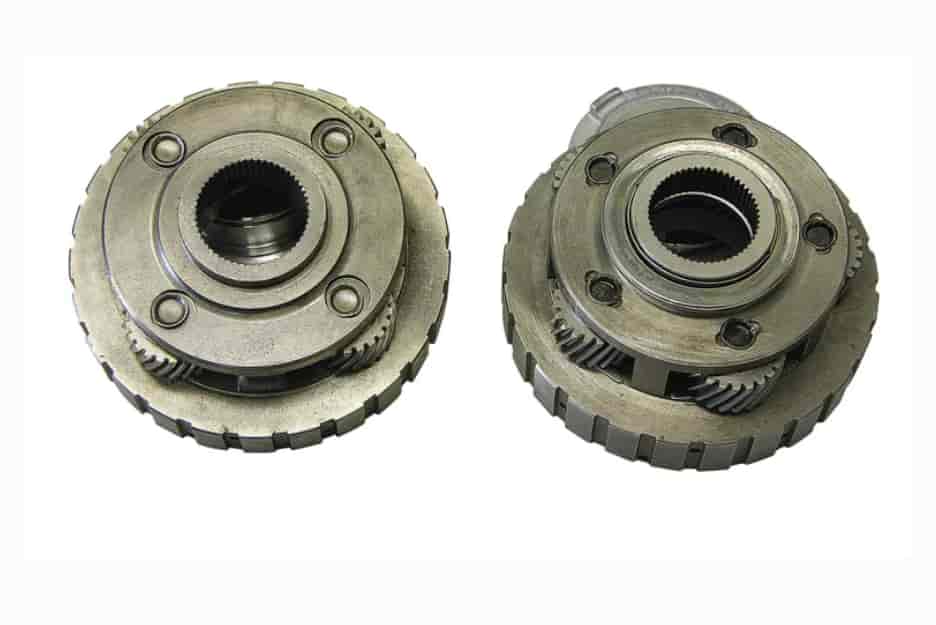
What Is the 700R4 Transmission
The 700R4 is a four speed automatic transmission that General Motors introduced in the early 1980s. Engineers designed it to improve fuel efficiency during a time of rising fuel costs. It became one of the first GM transmissions with overdrive, which helped reduce engine RPM at highway speeds.
The 700R4 uses a fully hydraulic control system. It does not depend on sensors or an ECU to manage shifting. Instead, it relies on a throttle valve cable and internal pressure to control shift timing. This simple design makes it very popular among builders who work on classic cars or custom projects.
Many users choose the 700R4 because installation is straightforward. You do not need complex wiring or electronic tuning. This advantage saves time and reduces overall project cost. For beginners, this removes a major barrier when doing a transmission swap.
However, this simplicity also creates some limitations. The transmission cannot match the precision of electronic systems. If you adjust the throttle valve cable incorrectly, you may face slipping or overheating. These issues often lead to faster wear if left unresolved.
Even with these drawbacks, the 700R4 remains a reliable option when built and tuned properly. It offers a strong balance between simplicity, cost, and performance. That is why many enthusiasts still choose it for classic builds and budget friendly projects.
What Is the 4L60E Transmission
The 4L60E is a four speed automatic transmission that General Motors introduced in the early 1990s. It evolved directly from the 700R4 and kept many of the same internal components. However, the biggest change lies in how the transmission controls shifting.
The 4L60E uses an electronic control system instead of a hydraulic one. It connects to an engine control unit, which manages shift timing, line pressure, and torque converter lockup. This setup allows the transmission to respond more precisely to driving conditions.
Because of this electronic control, the 4L60E delivers smoother and more consistent shifts. It can adjust quickly based on throttle input, speed, and load. This makes it a better choice for modern vehicles and performance builds where precision matters.
Another key advantage is tuning flexibility. You can modify shift points and behavior through software. This level of control helps drivers optimize performance, fuel efficiency, or towing capability without changing internal parts.
However, this added control also increases complexity. The 4L60E requires proper wiring, sensors, and an ECU to function. For many builders, this becomes a major challenge during installation. Mistakes in wiring or tuning can lead to serious issues and extra costs.
Despite these challenges, the 4L60E remains a powerful and versatile transmission. It combines modern control with proven design, making it a strong choice for drivers who want better performance and adaptability in 2026.
700R4 vs 4L60E Key Differences
When comparing 700R4 vs 4L60E, the differences go far beyond basic specs. Each transmission follows a different design philosophy, and that affects everything from installation to daily driving experience. Understanding these key differences will help you avoid costly mistakes and choose the right setup for your build.
Control System
The most important difference is how each transmission controls shifting. The 700R4 uses a hydraulic system that depends on a throttle valve cable and internal pressure. It operates without electronics, which makes it simple and reliable.
The 4L60E uses electronic control through an ECU. The system reads data such as speed, throttle position, and load. It then adjusts shift timing with high precision. This gives drivers better control and smoother performance in real conditions.
Wiring and Installation
The 700R4 offers a much simpler installation process. You do not need wiring, sensors, or a computer system. This makes it ideal for older vehicles and quick swaps.
The 4L60E requires proper wiring and ECU integration. You must connect sensors and ensure the system communicates correctly. This adds time, cost, and complexity. Many beginners struggle at this stage and often underestimate the effort involved.
Shift Quality
Shift quality is where the 4L60E clearly stands out. It delivers smooth and consistent shifts because the ECU controls every action in real time. This creates a more refined driving experience.
The 700R4 can feel less consistent. Shift timing depends on mechanical adjustments, so results may vary. If you do not tune it correctly, the transmission may shift too early or too late.
Fuel Efficiency
Both transmissions include overdrive, which helps reduce engine speed at higher velocities. However, the 4L60E manages fuel efficiency better in most cases. Its electronic control system optimizes shift points based on driving conditions.
The 700R4 still performs well, but it cannot adapt as quickly. This limits its efficiency in modern driving situations where conditions change constantly.
Compatibility
The 700R4 works best with older engines and vehicles that do not use electronic control systems. It fits well in classic cars and simple builds.
The 4L60E suits modern vehicles and engines that already rely on ECU management. It integrates better with newer systems but creates challenges when used in older builds.
Performance Comparison
When evaluating 700R4 vs 4L60E, performance is often the deciding factor. Many drivers focus on how each transmission behaves under real conditions such as acceleration, towing, and daily driving. While both share similar gear ratios, their control systems create noticeable differences in performance.
Acceleration and Responsiveness
The 4L60E delivers quicker and more consistent acceleration. Its electronic control system adjusts shift timing based on throttle input and speed. This allows the transmission to stay in the optimal gear longer and respond faster when you press the pedal.
The 700R4 can still provide strong acceleration, especially in well tuned builds. However, it depends heavily on proper adjustment. If the setup is not precise, the transmission may shift too early, which reduces power delivery.
Towing Performance
For towing, both transmissions can perform well when built correctly. The 700R4 offers solid low gear ratios, which help move heavy loads from a stop. Many truck owners still rely on it for this reason.
The 4L60E provides better control under load. It can adjust shift points and line pressure based on driving conditions. This results in smoother towing and less stress on internal components over time.
Daily Driving Experience
In daily driving, the 4L60E clearly offers a more refined experience. It shifts smoothly and adapts to traffic conditions without manual adjustment. This reduces driver fatigue and improves overall comfort.
The 700R4 feels more mechanical and less predictable. Some drivers enjoy this raw driving feel, especially in classic cars. However, it may not suit those who want smooth and effortless performance.
High Performance Builds
For high performance applications, the 4L60E offers greater flexibility. You can fine tune shift behavior through software and match it to engine upgrades. This makes it easier to optimize performance without constant mechanical adjustments.
The 700R4 can still handle performance builds, especially with upgraded internals. However, it requires more manual tuning and experience. Small setup errors can lead to performance loss or long term damage.
Reliability and Common Problems
Reliability plays a critical role when comparing 700R4 vs 4L60E, especially for long term use. Many drivers focus on performance at first, but real issues often appear after months of driving. At that point, repair costs and downtime quickly become major concerns. Choosing the wrong transmission can lead to repeated failures and unnecessary expenses.
The 700R4 uses a simple mechanical design, but it still requires proper setup. The most common problem comes from incorrect throttle valve cable adjustment. When users set it wrong, the transmission may slip, overheat, or wear out faster than expected. Stock internal components also struggle under heavy load or high performance conditions. Many builders upgrade these parts to improve durability and prevent early failure. When tuned correctly, the 700R4 can deliver strong reliability and remain easy to repair without advanced tools.
The 4L60E offers more precise control, but it introduces different types of problems. Electronic components such as solenoids and sensors can fail over time. When this happens, the transmission may shift poorly or enter limp mode. Wiring and ECU integration also create challenges, especially during swaps. If the system does not communicate correctly, performance drops immediately. Heat becomes another major factor, as high temperatures can accelerate internal wear and shorten lifespan if cooling is not properly managed.
In real world conditions, both transmissions can last over 150000 miles when built and maintained correctly. The difference lies in how they fail. The 700R4 often suffers from mechanical misadjustment or outdated components, while the 4L60E usually encounters electronic issues or heat related damage. In the end, reliability depends on proper setup, maintenance, and choosing the right transmission for your specific build. Making the wrong decision can lead to higher costs and long term frustration.
Cost Comparison
Cost is one of the biggest pain points when choosing between 700R4 vs 4L60E. Many builders focus on the initial price, but the real expense often comes from installation, upgrades, and long term maintenance. A poor decision at this stage can easily double your total budget.
The 700R4 usually costs less to install, especially for older vehicles or simple builds. It does not require an ECU, wiring, or electronic tuning. This reduces both labor time and complexity. Many DIY builders choose it because they can complete the swap without advanced technical knowledge. Rebuild costs also remain relatively affordable, and parts are widely available in the aftermarket. This makes the 700R4 a strong option for budget conscious projects.
The 4L60E often comes with higher upfront costs due to its electronic system. You need an ECU, wiring harness, sensors, and sometimes tuning software. These additional components increase both material and labor costs. For beginners, mistakes during installation can lead to extra expenses and delays. However, once installed correctly, the 4L60E offers better control and efficiency, which can reduce long term wear and improve driving performance.
Maintenance costs also differ between the two. The 700R4 is easier to service because of its mechanical design. Most issues can be diagnosed and fixed without specialized equipment. In contrast, the 4L60E may require diagnostic tools to identify electronic faults. Repairs can become more expensive when sensors or control modules fail.
In the long run, the total cost depends on your build goals. The 700R4 helps you save money upfront and simplifies the process, while the 4L60E demands a higher initial investment but offers better performance and adaptability. Choosing the wrong option often leads to wasted money, repeated fixes, and frustration that could have been avoided from the start.
Can You Swap 700R4 with 4L60E
Many builders consider a swap when comparing 700R4 vs 4L60E, especially when upgrading performance or modernizing a vehicle. While the two transmissions share similar dimensions and internal design origins, the swap process is not as simple as it may seem.
The 700R4 offers a straightforward installation because it does not depend on electronic control. You can install it in older vehicles without worrying about wiring or computer systems. This makes it a popular choice for classic cars and budget builds where simplicity matters most.
The 4L60E, on the other hand, requires a complete electronic setup to function correctly. You must install an ECU, connect a wiring harness, and ensure all sensors communicate properly. Without this system, the transmission will not shift as intended. Many builders underestimate this step and face unexpected delays or costs during the swap process.
In some cases, aftermarket controllers can simplify the process, but they still add to the total expense. You also need proper tuning to ensure smooth shifting and long term reliability. Without correct calibration, the transmission may perform poorly or suffer damage over time.
Although the swap is possible, it requires careful planning and a clear understanding of both systems. The decision should depend on your experience level, budget, and project goals rather than just performance expectations.
Which One Is Better for You in 2026
Choosing between 700R4 vs 4L60E depends entirely on how you plan to use your vehicle. There is no single best option for everyone, but there is always a better choice for your specific situation.
If you are a beginner or working on a tight budget, the 700R4 is often the better option. It is easier to install, does not require complex electronics, and keeps overall costs low. This makes it ideal for classic cars, simple swaps, and DIY projects.
If you want better performance, smoother shifting, and more control, the 4L60E becomes the stronger choice. Its electronic system allows precise tuning and adapts to different driving conditions. This makes it perfect for modern builds, performance upgrades, and daily driving comfort.
For high performance builds, the 4L60E provides more flexibility through tuning. However, it requires proper setup and technical knowledge. For budget builds or vintage vehicles, the 700R4 remains a practical and reliable solution.
The key is to match the transmission to your goals. Choosing based on trends or assumptions often leads to poor results and unnecessary costs.
Conclusion
The comparison between 700R4 vs 4L60E shows that both transmissions offer unique strengths and limitations. The 700R4 stands out for its simplicity, lower cost, and ease of installation. It remains a reliable choice for classic builds and budget focused projects. The 4L60E delivers better shift quality, advanced control, and improved adaptability, making it more suitable for modern vehicles and performance applications.
In 2026, the decision is no longer about which transmission is universally better. It is about choosing the one that fits your build, your budget, and your technical skill level. Many costly mistakes happen when users ignore these factors and follow generic advice.
If you want a simple and affordable solution, the 700R4 will meet your needs. If you prefer precision, performance, and modern control, the 4L60E is worth the investment. Understanding these differences will help you avoid unnecessary expenses and build a vehicle that performs exactly the way you expect.
Now it is your turn to decide. Which transmission fits your project better, the 700R4 or the 4L60E?