If you own a 7.3 Powerstroke, you have likely seen oil spots under your truck. Many drivers ignore this at first. It looks minor and easy to overlook. But small leaks often lead to serious engine problems.
The 7.3 Powerstroke engine has a strong reputation for durability. It can run for hundreds of thousands of miles. However, oil leaks remain one of its most common issues. Over time, seals wear out. Heat and pressure also push oil through weak points in the engine.
These leaks do not just make a mess. They reduce oil levels and affect engine performance. In more serious cases, they can damage key components like the turbo or injectors. Repair costs can rise quickly if you wait too long.
This guide covers the most common 7.3 Powerstroke common oil leaks. You will learn where leaks happen, what causes them, and how to fix them. If you want to protect your engine and avoid costly repairs, this is the place to start.
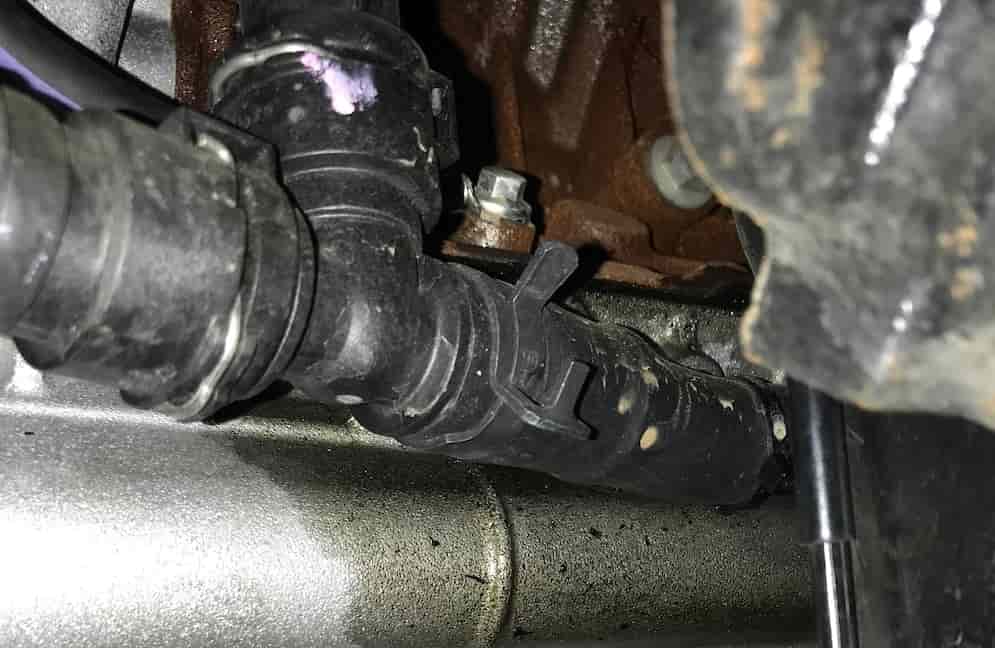
Valve Cover Gasket Leak
The valve cover gasket is one of the most common sources of oil leaks on the 7.3 Powerstroke. Many owners deal with this issue after years of use. The gasket sits between the valve cover and the cylinder head. Its job is to keep oil sealed inside the engine.
Over time, the gasket becomes brittle. Heat and pressure cause it to crack or shrink. Once that happens, oil starts to seep out and run down the engine block. You may notice oil around the edges of the valve cover or even dripping onto lower components.
One clear sign is a burning oil smell. Oil can drip onto hot engine parts and create smoke. In some cases, oil may reach electrical connectors, which can lead to rough engine performance.
This type of leak is usually not dangerous at first. However, ignoring it can lead to bigger problems. Oil loss over time affects lubrication and increases engine wear.
The good news is that this is one of the easiest leaks to fix. Many owners choose to replace the gasket themselves. A quality gasket kit is affordable, and the repair does not require advanced tools. Most DIY repairs take a few hours.
If you want a long term solution, always choose high quality gaskets. Cheap parts tend to fail faster. It is also a good idea to inspect wiring and connectors while you are there.
Fixing this leak early can save you time and money. It also keeps your engine clean and running smoothly.
High Pressure Oil Pump Leak (HPOP)
The High Pressure Oil Pump plays a critical role in the 7.3 Powerstroke engine. It supplies pressurized oil to the injectors. Without proper pressure, the engine cannot run efficiently.
When the HPOP starts leaking, problems appear quickly. This is not just a cosmetic issue like other leaks. It directly affects engine performance and starting ability.
The most common cause is worn seals or fittings. Over time, constant pressure and heat weaken these components. Oil then leaks from the pump or connected lines. You may notice oil pooling in the engine valley.
One of the first signs is hard starting, especially when the engine is warm. In more severe cases, the engine may crank but fail to start. You might also feel a loss of power while driving.
Unlike minor leaks, this issue requires immediate attention. Low oil pressure in the system can damage injectors. Repairs can become very expensive if you delay.
Fixing an HPOP leak depends on the severity. In many cases, you can replace O rings and fittings. Seal kits are available and relatively affordable. However, if the pump itself is worn, you may need a full replacement.
Labor can be moderate to high depending on your experience. Accessing the HPOP requires removing several components. Many owners prefer professional repair for this reason.
If you want to prevent this issue, regular inspection is key. Always check for oil buildup in the engine valley. Catching the leak early can save you from major engine damage and costly repairs.
Turbo Pedestal O Ring Leak
The turbo pedestal is another common source of oil leaks on the 7.3 Powerstroke. It sits beneath the turbocharger and connects oil flow to the turbo system. Inside the pedestal, small O rings seal the oil passages.
Over time, these O rings wear out. Heat from the turbo and constant oil flow cause them to harden and lose flexibility. Once the seals fail, oil begins to leak from the base of the turbo.
One of the most noticeable signs is oil buildup at the rear of the engine. You may also see oil collecting in the engine valley. In some cases, oil drips down the back of the engine and reaches the transmission area.
Many owners also report a burnt oil smell. Oil can contact hot turbo components and create smoke. This often leads to confusion, as it may look like a more serious engine issue.
This leak is usually moderate in severity. It will not immediately stop the engine from running, but it should not be ignored. Over time, oil loss and heat exposure can affect nearby components.
The fix is straightforward for those with mechanical experience. Most people replace the O rings or install a turbo pedestal rebuild kit. Some owners also upgrade to a non EBPV pedestal to reduce future failure points.
Accessing the turbo takes time and effort. You need to remove several components to reach the pedestal. Because of this, some owners choose professional repair.
If you want to avoid this issue, regular inspection helps a lot. Check the engine valley for oil residue. Replacing worn seals early will keep your engine clean and reliable.
Oil Cooler Leak
The oil cooler plays a key role in the 7.3 Powerstroke engine. It helps regulate oil temperature and keeps the engine running efficiently. When this component fails, the problem can become serious very quickly.
Oil cooler leaks often come from worn seals. Over time, heat and pressure break down these seals. This allows oil to escape from the cooler housing. In some cases, coolant and oil may mix, which creates a much bigger issue.
One common sign is oil around the oil cooler area. You may also notice coolant loss without a clear external leak. If oil and coolant mix, the fluid may look milky or contaminated. This is a warning sign that should never be ignored.
This type of leak carries a higher risk than many others. Mixed fluids reduce lubrication and cooling efficiency. This can lead to engine overheating or internal damage if not fixed early.
Repairing an oil cooler leak can vary in difficulty. In some cases, replacing the seals solves the problem. Seal kits are available and cost effective. However, if the cooler itself is damaged, a full replacement may be necessary.
The repair process takes more time than basic gasket fixes. You need to remove surrounding components to access the cooler. Many owners choose professional service for this reason.
Regular maintenance can help prevent this issue. Always monitor oil and coolant condition. If you notice contamination or unusual fluid loss, act quickly. Fixing the problem early can protect your engine from severe damage and high repair costs.
Dipstick Tube Adapter Leak
The dipstick tube adapter is a small component, but it can cause persistent oil leaks on the 7.3 Powerstroke. It connects the dipstick tube to the engine block and uses an O ring to seal the connection.
Over time, this O ring wears out. Heat, vibration, and constant exposure to oil cause it to lose its sealing ability. Once the seal fails, oil begins to leak from the base of the dipstick tube.
This leak is often hard to spot. The oil usually spreads along the engine block and mixes with dirt. Many owners mistake it for leaks coming from other components. Because of this, the problem can go unnoticed for a long time.
You may notice light oil residue near the dipstick area. In some cases, there is a slow oil drip, but it rarely forms large puddles. Even though the leak seems minor, it still leads to gradual oil loss.
The severity of this issue is low, but it should not be ignored. Small leaks can become messy and make it harder to diagnose other problems later.
The fix is simple and affordable. Replacing the O ring usually solves the issue completely. Most repairs take less than an hour and require only basic tools. This makes it a perfect DIY job.
When replacing the seal, always clean the area thoroughly. This helps you confirm that the leak is fully fixed. Using a high quality O ring will also improve long term reliability.
Fixing this small leak early helps keep your engine clean. It also prevents confusion when diagnosing more serious oil leaks in the future.
Front Cover / Crank Seal Leak
The front crank seal sits at the front of the engine and seals the crankshaft. It prevents oil from leaking out where the crankshaft exits the engine. Over time, this seal wears down and loses its ability to hold oil inside.
Heat, friction, and constant rotation all contribute to seal failure. As the seal ages, it becomes hard and brittle. Once it cracks or shrinks, oil starts to leak from the front of the engine.
One of the most common signs is oil around the harmonic balancer area. You may also see oil splatter under the hood or along the front of the engine. In some cases, oil can spread onto belts and pulleys, which may cause slipping or noise.
This type of leak can range from moderate to severe. A small leak may only create a mess, but a larger one can lead to significant oil loss. If oil reaches the serpentine belt, it can reduce traction and affect accessory performance.
Repairing a front crank seal leak is more complex than most gasket jobs. You need to remove components like the fan, belts, and harmonic balancer. This increases both time and labor.
For experienced DIY owners, the repair is possible with the right tools. However, many people choose professional service due to the complexity. Labor costs can be higher compared to simpler leaks.
To prevent this issue, regular inspection is important. Check the front of the engine for oil residue. Replacing aging seals early can help you avoid bigger repairs later.
Rear Main Seal Leak
The rear main seal is one of the most critical seals in the 7.3 Powerstroke engine. It sits between the engine and the transmission. Its job is to keep oil inside the engine where the crankshaft exits at the rear.
When this seal fails, oil begins to leak from the back of the engine. This is one of the most serious and expensive oil leaks you can face.
The main cause is wear over time. Heat, pressure, and constant engine rotation break down the seal. As it ages, the material loses flexibility and can no longer maintain a tight seal.
One clear sign is oil dripping from the area between the engine and transmission. You may also notice oil on the underside of the truck or around the transmission housing. In many cases, the leak becomes worse over time.
This issue is considered severe. While the engine may still run, the repair process is complex and labor intensive. Ignoring it can lead to significant oil loss and potential engine damage.
Fixing a rear main seal leak is not a simple job. It requires removing the transmission to access the seal. This makes labor costs very high, even though the seal itself is relatively inexpensive.
Most owners choose professional repair for this reason. DIY repair is possible but requires advanced tools, time, and experience.
There is no easy way to prevent this issue completely. However, regular oil changes and using high quality oil can help extend seal life. Early detection is also important to reduce long term damage.
If you suspect a rear main seal leak, it is best to confirm it quickly. Delaying the repair will only increase the cost and risk to your engine.
Common Causes of 7.3 Powerstroke Oil Leaks
Oil leaks on the 7.3 Powerstroke do not happen randomly. Most of them come from predictable causes that develop over time. Understanding these causes helps you prevent future problems and protect your engine.
One of the main reasons is aging seals and gaskets. Rubber components lose flexibility after years of exposure to heat and oil. As they harden, they can no longer create a tight seal. This allows oil to escape through small gaps.
High oil pressure is another key factor. The 7.3 Powerstroke uses a high pressure oil system to operate injectors. This constant pressure puts stress on seals and fittings. Weak points will eventually start leaking under this load.
Engine heat also plays a major role. Diesel engines generate a lot of heat during operation. Repeated heating and cooling cycles cause materials to expand and contract. Over time, this weakens seals and leads to cracks.
Poor maintenance can accelerate these issues. Old or dirty oil increases internal stress and reduces lubrication quality. Skipping oil changes can shorten the lifespan of seals and engine components.
Low quality parts can also cause early failure. Cheap gaskets and O rings often wear out faster. They may not handle heat and pressure as well as high quality replacements.
Finally, long periods of inactivity can create problems. When a truck sits unused, seals can dry out and shrink. Once the engine runs again, leaks may appear quickly.
If you want to reduce the risk of oil leaks, focus on regular maintenance and quality parts. Small preventive actions can save you from major repairs later.
Symptoms You Should Never Ignore
Oil leaks on the 7.3 Powerstroke often start small, but the warning signs appear early if you pay attention. Recognizing these symptoms can help you fix problems before they become expensive repairs.
One of the most obvious signs is oil spots under your truck. Fresh drops on the ground usually indicate an active leak. The location of the spot can also help you narrow down the source.
A burning oil smell is another common symptom. Oil may drip onto hot engine parts and create smoke. This smell often becomes stronger after long drives or when the engine reaches full temperature.
You may also notice visible oil buildup around the engine. Areas like the valve covers, turbo pedestal, or engine valley often collect oil residue. Dirt sticks to these areas, making leaks easier to spot during inspection.
Low oil levels without an obvious reason should raise concern. If you find yourself adding oil more frequently, a hidden leak is likely the cause. This is especially important for preventing long term engine wear.
In more serious cases, performance issues may appear. The engine may feel weaker or less responsive. Leaks from systems like the High Pressure Oil Pump can affect injector performance and starting behavior.
Smoke from the engine bay is another warning sign. This usually happens when oil contacts hot surfaces. While it may look alarming, it often points to an external leak rather than internal damage.
Ignoring these symptoms can lead to bigger problems. Early detection is the key to avoiding high repair costs and protecting your engine.
How to Fix 7.3 Powerstroke Oil Leaks
Fixing 7.3 Powerstroke common oil leaks depends on the location and severity of the problem. Some leaks are simple and easy to handle at home. Others require more time, tools, and experience.
For minor leaks, many owners choose the DIY approach. Replacing valve cover gaskets or O rings is usually straightforward. Basic tools and a good repair guide are often enough. These repairs save money and help you understand your engine better.
Cleaning the engine before starting is very important. It helps you identify the exact source of the leak. Without cleaning, oil can spread and make diagnosis difficult.
Always use high quality replacement parts. Cheap gaskets and seals may fail quickly. This leads to repeated repairs and more frustration. Investing in better parts improves long term reliability.
For moderate leaks, the repair process becomes more involved. Components like the turbo pedestal or oil cooler require more disassembly. You need patience and attention to detail. Mistakes during installation can cause new leaks.
Serious leaks require professional repair in most cases. Issues like HPOP failure or rear main seal leaks involve complex labor. Accessing these parts takes time and proper equipment. Many owners choose a mechanic to avoid costly errors.
Labor costs can vary depending on the repair. Simple fixes may cost very little if you do them yourself. More complex jobs can become expensive due to the time involved.
After completing any repair, always recheck the area. Start the engine and look for new leaks. A quick inspection can confirm that the issue is fully resolved.
Fixing oil leaks early is always the best strategy. It protects your engine, reduces long term costs, and keeps your truck running smoothly.
Repair Cost Breakdown
Repair costs for 7.3 Powerstroke common oil leaks can vary widely. The final price depends on the leak location, labor time, and whether you choose DIY or professional service.
Minor leaks are the most affordable to fix. These include issues like valve cover gaskets or dipstick tube O rings. Parts usually cost between 20 and 100 dollars. If you handle the repair yourself, total cost stays very low. Most DIY jobs only require basic tools and a few hours of work.
Moderate leaks fall into the mid range category. Turbo pedestal seals or oil cooler repairs often cost between 150 and 800 dollars. The price depends on parts quality and labor time. DIY is still possible, but the work becomes more complex and time consuming.
Major leaks are the most expensive. Problems like HPOP failure or rear main seal leaks require extensive labor. Even though some parts are inexpensive, the labor cost drives the total price up. Professional repair can range from 800 to over 2000 dollars.
Labor plays a huge role in total cost. Simple jobs take less time and reduce expenses. Complex repairs often involve removing major components, which increases labor hours.
Choosing between DIY and professional repair depends on your experience. DIY can save a significant amount of money, but mistakes can lead to higher costs later. Professional service offers reliability but comes with a higher price.
The best way to reduce repair costs is early detection. Fixing small leaks prevents them from becoming major issues. Regular inspection and maintenance help you avoid expensive repairs in the future.
Prevention Tips for 7.3 Powerstroke Oil Leaks
Preventing oil leaks on the 7.3 Powerstroke is always easier and cheaper than fixing them. With the right habits, you can extend the life of seals and reduce the risk of costly repairs.
Regular oil changes should be your top priority. Clean oil reduces internal stress and keeps engine components properly lubricated. Old oil breaks down over time and can damage seals faster.
Always use high quality engine oil and parts. Cheap oil and low grade seals wear out quickly under heat and pressure. Investing in better materials improves long term reliability and reduces the chance of leaks.
Routine inspection is also very important. Check common leak areas such as valve covers, the engine valley, and the front and rear seals. Early detection helps you fix small issues before they become serious problems.
Avoid excessive engine heat whenever possible. High temperatures accelerate seal wear and increase pressure inside the system. Make sure your cooling system works properly and monitor engine temperature during long drives.
If your truck sits for long periods, start it occasionally. This keeps seals lubricated and prevents them from drying out. Long inactivity often leads to leaks once the engine runs again.
Proper installation during repairs also plays a big role. Incorrectly installed gaskets or seals can fail quickly. Always follow torque specifications and installation guidelines.
Taking these preventive steps will help you avoid most common oil leaks. It also keeps your 7.3 Powerstroke running smoothly and reduces long term maintenance costs.
Conclusion
The 7.3 Powerstroke remains one of the most reliable diesel engines ever built. However, even a strong engine like this is not immune to wear over time. Oil leaks are one of the most common issues that owners will face sooner or later.
In this guide, we covered the most important 7.3 Powerstroke common oil leaks, from simple gasket issues to serious problems like HPOP and rear main seal failures. Each leak has its own symptoms, causes, and repair methods. Understanding these differences helps you take the right action at the right time.
The key takeaway is simple. Small leaks should never be ignored. What starts as a minor issue can quickly turn into expensive repairs if left unchecked. Early detection and proper maintenance can save you a significant amount of money and stress.
If you notice oil spots, burning smells, or unusual engine behavior, take action immediately. Inspect your engine, identify the source, and fix the problem as soon as possible. Whether you choose DIY or professional repair, acting early makes all the difference.
Now it is your turn. Have you experienced any of these oil leaks on your 7.3 Powerstroke? Share your experience or questions in the comments. Your insight could help other owners avoid costly mistakes.