134D Hydraulic Fluid equivalent refers to hydraulic fluids that meet the required performance and compatibility characteristics needed to replace the original 134D specification. Choosing a replacement is not only about finding another hydraulic oil with a similar name; the fluid must provide suitable lubrication, friction control, temperature performance, and protection for hydraulic components.
Many tractor and equipment owners search for 134D alternatives because the original fluid may be unavailable, expensive, or difficult to source. However, using an incompatible hydraulic fluid can affect components such as hydraulic pumps, transmissions, wet brakes, and clutch systems. The correct replacement depends on equipment requirements, manufacturer specifications, and operating conditions.
This guide explains what 134D Hydraulic Fluid is, which fluids are commonly considered equivalent replacements, what specifications should be checked before substitution, and how to select a compatible option for your hydraulic system.
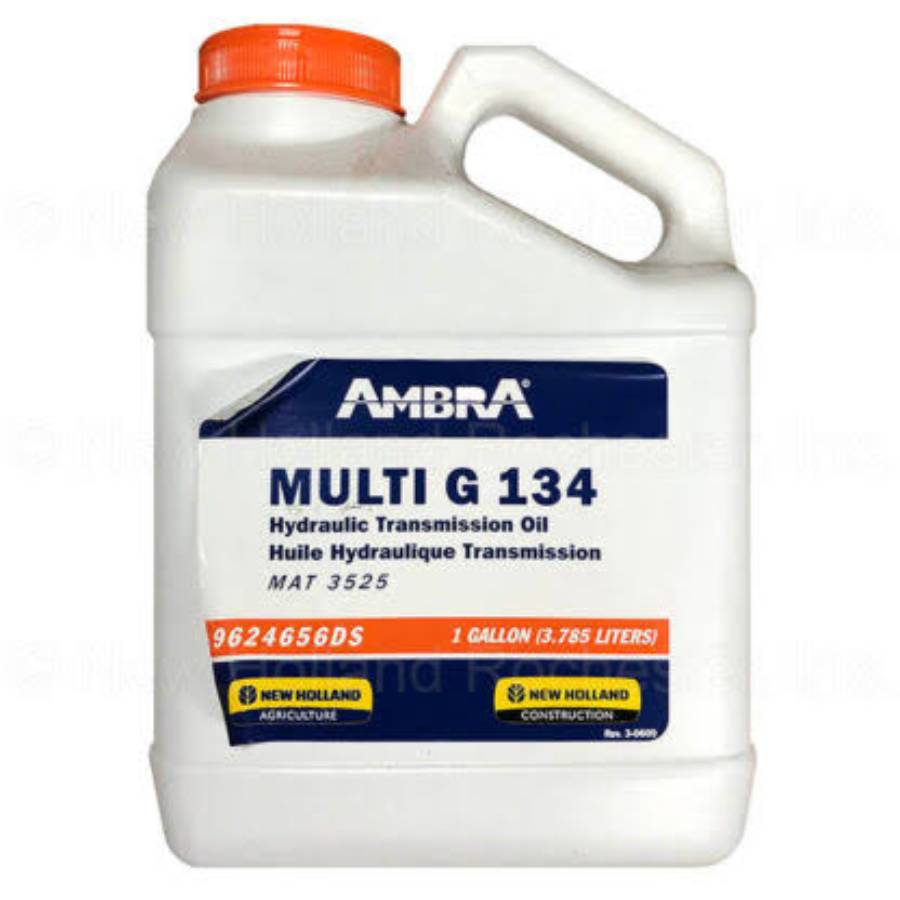
What Is 134D Hydraulic Fluid and What Is It Used For?
134D Hydraulic Fluid is a tractor hydraulic and transmission fluid specification designed to provide lubrication, hydraulic power transfer, and component protection in agricultural and industrial equipment. This type of fluid is used in systems where one lubricant must support multiple functions, including hydraulic operation, transmission lubrication, wet brake performance, and clutch engagement. Unlike standard hydraulic oils that mainly focus on pressure transfer and lubrication, 134D-type fluids require additional friction-control properties to operate correctly in combined hydraulic and mechanical systems.
The main purpose of 134D Hydraulic Fluid is to maintain consistent performance across hydraulic components that experience different operating conditions. Hydraulic pumps require fluid with anti-wear protection to reduce internal friction, while transmissions and wet brakes require controlled friction characteristics to prevent slipping or excessive wear. A suitable fluid must maintain its properties when exposed to high temperatures, mechanical pressure, and continuous equipment operation.
134D Hydraulic Fluid is commonly associated with tractor and agricultural equipment applications where the hydraulic system and transmission share the same fluid reservoir. Equipment using this type of fluid may include tractors, loaders, and other heavy-duty machines that rely on hydraulic systems for lifting, steering, and power transmission. Because these systems depend on precise fluid characteristics, replacing 134D with an unsuitable alternative can affect hydraulic response, component durability, and overall equipment performance.
The specification behind 134D Hydraulic Fluid is more important than the product name itself. Different manufacturers may offer fluids with different brand names but similar performance requirements. When selecting a replacement, equipment owners should compare specifications such as viscosity, anti-wear additives, friction modifiers, and compatibility with wet brake or transmission systems.
What Hydraulic Fluid Is Equivalent to 134D Hydraulic Fluid?
The equivalent replacement for 134D Hydraulic Fluid is a hydraulic transmission fluid that meets the same performance requirements, including lubrication, anti-wear protection, friction control, and compatibility with hydraulic systems. A replacement fluid does not need to have the exact same brand name as 134D, but it must provide similar operating characteristics required by the equipment manufacturer.
Universal Tractor Fluid (UTF) is one of the most common categories considered as a replacement for 134D Hydraulic Fluid. UTF products are designed for equipment that combines hydraulic systems, transmissions, and wet brake assemblies in a single fluid circuit. However, not every UTF product is automatically equivalent to 134D because different formulations use different additive packages and friction characteristics.
John Deere Hy-Gard and other manufacturer-approved tractor hydraulic fluids are examples of fluids commonly compared with 134D specifications. These products are developed to support hydraulic components, transmission gears, and wet brake systems that require controlled friction performance. The correct alternative depends on whether the replacement fluid meets the required specification for the specific machine.
When selecting a 134D Hydraulic Fluid equivalent, the equipment specification should be the primary reference instead of product marketing terms. A fluid labeled as “universal” or “multi-purpose” may not provide the correct protection if it lacks the required anti-wear additives, viscosity characteristics, or wet brake compatibility. Checking the manufacturer’s recommendation helps prevent hydraulic performance problems and unnecessary component wear.
A suitable 134D replacement should match several important characteristics, including viscosity range, operating temperature stability, oxidation resistance, and protection against mechanical wear. These factors determine how effectively the fluid transfers hydraulic power and protects internal components during long-term operation.
What Specifications Should a 134D Hydraulic Fluid Replacement Meet?
A 134D Hydraulic Fluid replacement should meet specific performance requirements related to viscosity, lubrication, friction control, and component protection. These specifications determine whether a replacement fluid can operate safely in hydraulic systems that combine power transmission, mechanical lubrication, and braking functions. Choosing a fluid based only on appearance, color, or product name is not enough because two hydraulic fluids can have similar descriptions but different internal formulations.
Viscosity is one of the primary characteristics that affects hydraulic fluid performance. The fluid must maintain suitable thickness across different operating temperatures so hydraulic pumps can generate consistent pressure while internal components receive adequate lubrication. If the viscosity is too low, the fluid may provide insufficient protection against wear. If it is too high, the hydraulic system may experience slower response and increased resistance during operation.
Anti-wear protection is another important requirement for a 134D equivalent fluid. Hydraulic pumps, gears, and other moving components operate under continuous mechanical pressure, which creates friction between metal surfaces. A suitable fluid contains additives that reduce surface damage and help extend component service life. This protection is especially important in heavy-duty equipment that operates for extended periods under high loads.
Friction characteristics are critical when the hydraulic fluid also supports wet brakes and clutch systems. These components require controlled friction levels to engage smoothly without excessive slipping or grabbing. A replacement fluid with an unsuitable additive package may affect braking performance, transmission operation, or clutch engagement.
Temperature stability also influences replacement fluid selection. Hydraulic systems generate heat during operation, especially in tractors and heavy equipment performing demanding tasks. A compatible fluid should resist oxidation and maintain its protective properties when exposed to elevated temperatures for long periods.
Before replacing 134D Hydraulic Fluid, equipment owners should verify manufacturer specifications, including required fluid type, viscosity requirements, and compatibility standards. Matching these technical requirements provides better protection for hydraulic components and reduces the risk of performance issues caused by incorrect fluid selection.
How Do You Choose the Right 134D Hydraulic Fluid Equivalent?
Choosing the right 134D Hydraulic Fluid equivalent requires matching the replacement fluid with the equipment requirements, operating conditions, and required performance specifications. A suitable replacement should support the same hydraulic functions as the original fluid while protecting components such as hydraulic pumps, transmissions, and wet brake systems. Selecting a fluid based only on price or availability can increase the risk of reduced performance and premature component wear.
The first factor to check is the equipment manufacturer’s specification. Different tractors and heavy equipment models may require specific hydraulic transmission fluids because their hydraulic systems are designed around particular friction and lubrication characteristics. A fluid that works in one machine may not provide the same performance in another machine, even if both systems use hydraulic oil.
The second factor is fluid compatibility. A 134D replacement should provide the correct balance of lubrication, viscosity, anti-wear protection, and friction control. This is especially important for systems where the hydraulic fluid also operates transmission components or wet brakes. The replacement fluid must maintain smooth operation without causing excessive friction, slipping, or component damage.
The third factor is the operating environment. Equipment used in high-temperature conditions, heavy workloads, or long operating cycles requires fluid with strong thermal stability and oxidation resistance. For example, agricultural tractors performing continuous field operations place higher demands on hydraulic fluid compared with equipment used for occasional light-duty tasks.
Equipment owners should also consider the age and condition of the hydraulic system before selecting a replacement. Older machines may have different maintenance requirements compared with newer equipment, especially if internal components have accumulated wear or contamination. Inspecting the existing fluid condition and following recommended service intervals helps ensure the replacement fluid performs effectively.
A proper 134D Hydraulic Fluid equivalent is not simply the closest available product; it is the fluid that meets the technical requirements of the hydraulic system. Evaluating specifications before replacement helps maintain hydraulic efficiency, reduce maintenance problems, and protect expensive mechanical components.
Can You Use Universal Tractor Fluid Instead of 134D Hydraulic Fluid?
Universal Tractor Fluid (UTF) can replace 134D Hydraulic Fluid when the UTF product meets the required specifications and compatibility requirements of the equipment. UTF is designed as a multi-purpose lubricant for tractors and agricultural machinery where one fluid may serve hydraulic systems, transmissions, final drives, and wet brake assemblies. However, the term “universal” does not guarantee that every UTF product is suitable as a 134D replacement.
The main difference between 134D Hydraulic Fluid and Universal Tractor Fluid is the formulation standard behind each product. Both fluid categories may perform similar functions, but their additive packages, viscosity characteristics, and friction modifiers can vary between manufacturers. These differences affect how the fluid interacts with hydraulic pumps, transmission components, and wet brake systems.
A compatible UTF replacement should provide the same essential performance characteristics required by 134D applications. These include stable lubrication under pressure, protection against component wear, resistance to oxidation, and proper friction control. For equipment with wet brakes or combined hydraulic transmission systems, friction performance is especially important because incorrect fluid characteristics can cause brake chatter, clutch problems, or inconsistent operation.
Equipment owners should check the product specification sheet before replacing 134D with a Universal Tractor Fluid. The label alone is not enough because two UTF products from different manufacturers may have different approval levels and intended applications. A fluid designed only for basic hydraulic lubrication may not provide the protection required for systems that also contain transmission and braking components.
Using UTF as a replacement is appropriate when the product documentation confirms compatibility with the equipment manufacturer’s requirements. When specifications are unclear, choosing an approved replacement fluid or consulting the equipment manual is the safer approach because hydraulic system repairs and component replacement can be significantly more expensive than selecting the correct fluid initially.
What Problems Can Happen If You Use the Wrong 134D Replacement Fluid?
Using the wrong 134D Hydraulic Fluid replacement can reduce hydraulic system performance and increase the risk of damage to important mechanical components. Hydraulic fluids are designed with specific properties that allow them to transfer power, lubricate moving parts, control friction, and protect internal surfaces. When a replacement fluid does not match these requirements, the hydraulic system may experience reduced efficiency, abnormal operation, or accelerated wear.
One of the most common problems caused by incompatible hydraulic fluid is reduced lubrication performance. Hydraulic pumps, gears, and transmission components rely on a consistent fluid film to prevent direct metal-to-metal contact. If the replacement fluid does not provide adequate viscosity or anti-wear protection, internal components may experience increased friction and surface damage over time.
Incorrect fluid selection can also affect wet brake and clutch operation. Systems that use shared hydraulic and transmission fluid require precise friction characteristics to ensure smooth engagement. A fluid with unsuitable friction modifiers may cause wet brakes to chatter, slip, or operate inconsistently. These issues can reduce equipment control and create additional maintenance requirements.
Another potential problem is poor temperature management. Hydraulic systems generate heat during normal operation, especially when equipment operates under heavy loads. A fluid with weak oxidation resistance or poor thermal stability may break down faster when exposed to high temperatures. Fluid degradation can create deposits, reduce lubrication quality, and shorten the service life of hydraulic components.
Using an unsuitable replacement fluid may also increase operating costs. Problems caused by incorrect fluid selection often appear gradually, making them difficult to identify until performance has already declined. Reduced hydraulic response, unusual noises, slower equipment operation, and increased component wear are signs that the fluid may not meet system requirements.
Selecting a compatible 134D Hydraulic Fluid equivalent helps prevent these issues by maintaining the correct balance between lubrication, hydraulic performance, and component protection. Checking specifications before replacement is a simple step that reduces the risk of expensive repairs and unnecessary downtime.
How Often Should You Change 134D Hydraulic Fluid?
You should change 134D Hydraulic Fluid according to the equipment manufacturer’s maintenance schedule, operating hours, and fluid condition. There is no single replacement interval that applies to every machine because hydraulic systems operate under different loads, temperatures, and working environments. A tractor used for heavy agricultural work requires different maintenance attention compared with equipment used for occasional light-duty operations.
The equipment manufacturer’s service recommendations are the primary reference for determining when to replace hydraulic fluid. Manufacturers consider factors such as hydraulic system design, operating pressure, component materials, and expected workload when establishing maintenance intervals. Following these recommendations helps maintain fluid performance and reduces the risk of contamination-related problems.
Operating conditions also influence how quickly hydraulic fluid loses its effectiveness. Equipment that works under high loads, extreme temperatures, dusty environments, or extended operating cycles may require more frequent fluid inspection and replacement. Continuous exposure to heat and mechanical stress can accelerate oxidation, reduce additive performance, and increase the buildup of contaminants inside the hydraulic system.
Fluid condition is another important factor when evaluating whether replacement is needed. Changes in fluid appearance, unusual odors, visible contamination, or reduced hydraulic performance may indicate that the fluid is no longer providing adequate protection. Contaminated fluid can reduce lubrication quality and increase wear on hydraulic pumps, valves, and transmission components.
Regular inspection helps identify problems before they become major mechanical failures. Checking fluid levels, monitoring equipment performance, and following recommended maintenance procedures can extend hydraulic system life and maintain consistent operation.
For equipment using 134D Hydraulic Fluid or an equivalent replacement, proper maintenance is not only about changing fluid at a specific time. It is about maintaining the correct fluid quality throughout the equipment’s operating life to ensure reliable hydraulic performance and component protection.
Is 134D Hydraulic Fluid the Same as Other Tractor Hydraulic Fluids?
134D Hydraulic Fluid is similar to other tractor hydraulic fluids in function, but it is not always identical in formulation, performance characteristics, or equipment compatibility. Tractor hydraulic fluids are designed to perform multiple tasks, including transferring hydraulic power, lubricating mechanical components, and supporting systems such as transmissions and wet brakes. However, each fluid specification may use different additive technologies and performance requirements.
The main difference between 134D Hydraulic Fluid and other tractor hydraulic fluids is the specification standard they are designed to meet. Some tractor fluids focus primarily on hydraulic operation, while others are formulated for combined hydraulic and transmission applications. Fluids used in systems with wet brakes or clutches require specific friction characteristics to ensure smooth engagement and prevent excessive wear.
Hydraulic fluid and transmission fluid may also be different depending on the equipment design. In some tractors and heavy equipment, one fluid performs both hydraulic and transmission functions. In other machines, separate fluids are used for each system. This difference means that a general hydraulic oil or automatic transmission fluid should not automatically be considered a suitable replacement for 134D Hydraulic Fluid.
OEM-approved fluids and aftermarket equivalents can both provide effective performance when they meet the required specifications. The important factor is whether the fluid matches the technical requirements of the equipment rather than whether it carries the same brand name as the original product.
When comparing 134D Hydraulic Fluid with other tractor hydraulic fluids, equipment owners should evaluate factors such as viscosity, additive package, temperature performance, and compatibility with hydraulic components. A fluid that meets these requirements can provide reliable operation, while an unsuitable fluid may create performance issues even if it appears similar.
Understanding the difference between fluid categories helps equipment owners make better replacement decisions. The correct 134D equivalent should be selected based on engineering requirements rather than assumptions that all tractor hydraulic fluids are interchangeable.
What Should You Consider Before Choosing a 134D Hydraulic Fluid Equivalent?
Choosing a 134D Hydraulic Fluid equivalent requires more than finding a fluid with a similar label. The correct replacement must match the technical requirements of the hydraulic system, including lubrication performance, viscosity characteristics, anti-wear protection, and compatibility with components such as transmissions and wet brakes.
The most important step is checking the equipment manufacturer’s specifications before selecting an alternative fluid. Universal Tractor Fluid and other tractor hydraulic fluids may work as replacements when they provide the required performance characteristics, but not every multi-purpose fluid is designed for the same applications.
A suitable replacement fluid helps maintain hydraulic efficiency, protect internal components, and reduce the risk of problems caused by incorrect lubrication. Factors such as operating temperature, equipment workload, maintenance history, and system design should all be considered when choosing an equivalent fluid.
Understanding how 134D Hydraulic Fluid works and how replacement fluids differ allows equipment owners to make better maintenance decisions. Selecting a compatible fluid based on specifications rather than product names provides better long-term protection for hydraulic systems and helps avoid unnecessary repair costs.