You are driving your Subaru home after dark when an unfamiliar warning light suddenly appears on the dashboard. It says SRF, but what exactly does that mean? Should you pull over immediately, schedule a repair appointment, or simply ignore it and continue driving? Questions like these can quickly turn a routine trip into a stressful experience.
Modern Subaru vehicles are equipped with advanced safety technologies designed to enhance driver confidence and improve road visibility. One of these features is the SRF system, which many owners may not recognize until a warning indicator appears. Unfortunately, a lack of understanding often leads to unnecessary worry or delayed maintenance that could affect driving safety.
In this guide, we will explain what SRF means in Subaru, how the system works, why the SRF warning light may turn on, and whether it is safe to continue driving when the alert appears. We will also explore common causes behind SRF-related issues, practical troubleshooting steps, and potential repair costs.
By understanding the purpose of Subaru’s SRF system, you can make informed decisions, avoid costly mistakes, and ensure that your vehicle continues to provide the safety and reliability Subaru drivers have come to expect.
What Does SRF Mean in Subaru?
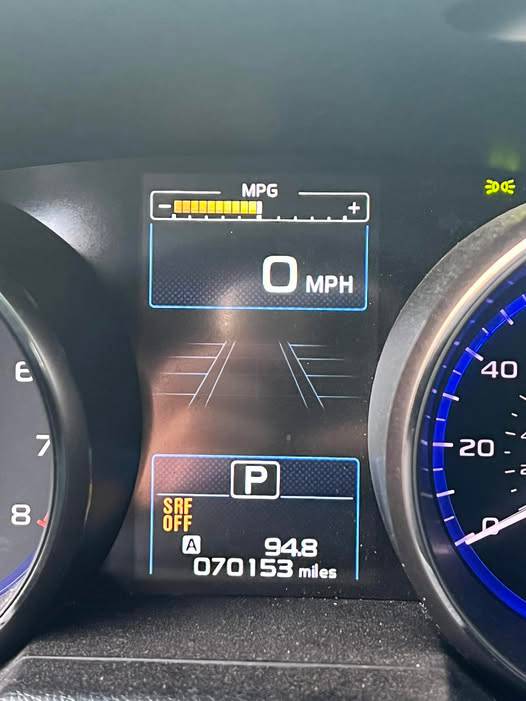
SRF stands for Steering Responsive Fog Lights, a safety feature available on certain Subaru models designed to improve visibility when driving through curves or making turns in low light conditions. Unlike traditional fog lights that illuminate only the area directly in front of the vehicle, the SRF system works dynamically to provide additional lighting in the direction the driver intends to travel.
The primary goal of this technology is to help drivers identify potential hazards earlier. Whether you are navigating a poorly lit residential street, driving on a winding mountain road, or dealing with adverse weather conditions such as heavy rain or fog, enhanced corner visibility can make a significant difference in reaction time and overall driving confidence.
Many Subaru owners first learn about this feature when the SRF warning light appears on the dashboard. While the warning may seem alarming, it often indicates that the system requires attention rather than signaling a serious mechanical failure. Understanding what SRF means and how it contributes to vehicle safety is the first step toward addressing any concerns related to the warning indicator.
Subaru has built its reputation on prioritizing driver safety, and the SRF system is one example of how modern technology is integrated into everyday driving experiences to provide greater peace of mind behind the wheel.
How Does the Subaru SRF System Work?
The Subaru SRF system relies on communication between several vehicle components to determine when additional illumination is needed. These components work together in real time to monitor driving conditions and adjust lighting behavior accordingly.
One of the key elements involved is the steering angle sensor. This sensor detects the direction and degree of steering wheel movement. When the driver begins turning the wheel, the system interprets this input and prepares the corresponding fog light for activation.
Vehicle speed also plays an important role. The SRF feature is designed to operate under specific driving conditions, ensuring that the additional lighting assistance is both effective and appropriate. The system’s electronic control module processes information from multiple sensors before deciding whether the responsive lighting function should engage.
As the vehicle enters a turn, the fog light on the side corresponding to the steering direction illuminates the area ahead and toward the inside of the curve. This extra visibility allows drivers to spot pedestrians, road signs, obstacles, or unexpected hazards sooner than they might with standard lighting alone.
The benefits of the SRF system extend beyond convenience. Improved visibility can reduce driver fatigue during nighttime travel, increase confidence on unfamiliar roads, and contribute to safer decision making in challenging driving environments.
Why Is the SRF Warning Light On?
Seeing the SRF warning light illuminate on your Subaru’s dashboard does not automatically mean that a major repair is required. In many cases, the issue may be relatively minor. However, the warning should not be ignored because it indicates that the system is not functioning as intended.
One common cause is a malfunctioning steering angle sensor. Since the SRF system depends on accurate steering input data, a faulty sensor can disrupt its operation and trigger a warning message. Drivers may occasionally notice additional warning indicators appearing alongside the SRF light if this component is affected.
Another possibility is a burned out fog light bulb. Since the system relies on these lights to perform its intended function, a failed bulb can cause the vehicle to detect a fault within the SRF system. Inspecting the fog lights for proper operation is often one of the simplest troubleshooting steps.
Electrical problems may also be responsible. Damaged wiring, corroded connectors, or moisture intrusion can interfere with communication between system components. In some cases, rodents chewing through wiring harnesses have been identified as the source of unexpected dashboard warnings.
Software glitches or control module errors represent another potential explanation. Modern vehicles depend heavily on electronic systems, and occasional recalibration or software updates may be necessary to restore proper functionality.
Finally, low battery voltage should not be overlooked. A weak or failing battery can affect multiple electronic systems simultaneously, leading to warning lights that may seem unrelated to the battery itself. If the SRF warning appears alongside other electrical issues, checking the battery’s condition may help identify the underlying cause.
Regardless of the specific reason, a persistent SRF warning light should be diagnosed promptly to ensure that all safety features continue operating as designed.
Is It Safe to Drive With the SRF Warning Light On?
One of the first questions Subaru owners ask after noticing the SRF warning light is whether it is safe to continue driving. In most situations, the answer is yes. The SRF warning typically indicates that the Steering Responsive Fog Lights system is not operating correctly, rather than signaling a critical issue that directly affects the vehicle’s ability to accelerate, brake, or steer.
If the vehicle is performing normally and no additional warning lights are present, you can usually continue driving with caution until the problem can be diagnosed. However, it is important to understand that the SRF system exists to enhance visibility during nighttime driving and when navigating sharp turns. Without this feature functioning properly, your ability to identify hazards around corners may be reduced.
Drivers should pay close attention to the overall behavior of the vehicle. If the SRF warning appears together with indicators related to the steering system, battery, headlights, or other safety functions, professional inspection should be arranged as soon as possible. Likewise, if you notice dim headlights, nonfunctional fog lights, or unusual electrical behavior, these symptoms may point to a broader issue that requires immediate attention.
While the SRF warning light alone does not usually constitute an emergency, postponing repairs for an extended period is not advisable. Addressing the problem promptly helps maintain the safety features Subaru designed to protect both drivers and passengers during challenging driving conditions.
How to Troubleshoot an SRF Warning Light
If the SRF warning light has appeared on your Subaru’s dashboard, there are several basic troubleshooting steps you can take before scheduling a service appointment. Although some repairs require professional diagnosis, these initial checks may help identify simple causes of the problem.
Start by turning the vehicle off and restarting it after a few minutes. Temporary electronic glitches can occasionally trigger warning indicators, and a system reboot may clear the alert if no actual malfunction exists. If the warning light disappears and does not return, the issue may have been isolated.
Next, inspect the fog lights to ensure both are functioning properly. Since the SRF system relies on these lights, a burned out bulb can activate the warning message. Replacing a faulty bulb is often a quick and inexpensive solution.
It is also helpful to review the dashboard for additional warning lights. If multiple alerts appear simultaneously, the problem may involve the battery, charging system, or another component affecting the vehicle’s electronic functions.
Using an OBD-II diagnostic scanner capable of reading Subaru-specific codes can provide valuable information about the source of the warning. The stored codes may identify issues related to sensors, control modules, or electrical circuits associated with the SRF system.
If the warning light persists after these checks, consulting a qualified technician is the most reliable course of action. Professional diagnostic equipment can pinpoint the exact cause and prevent unnecessary replacement of parts that may still be functioning correctly.
How Much Does It Cost to Fix Subaru SRF Problems?
The cost of repairing an SRF-related issue can vary considerably depending on the underlying cause, the Subaru model involved, and local labor rates. In some situations, the repair may be relatively inexpensive. In others, more advanced diagnostic procedures or component replacements may be necessary.
If the problem stems from a failed fog light bulb, the total cost is generally modest. Replacement bulbs and installation typically range from approximately twenty to one hundred dollars, depending on the type of bulb used and whether the work is performed independently or by a dealership.
Steering angle sensor calibration or adjustment tends to cost more due to the specialized equipment required. Vehicle owners can expect to pay between one hundred and two hundred fifty dollars for this service in many repair facilities.
Electrical issues involving damaged wiring or corroded connectors often require additional labor to locate and repair. Depending on the complexity of the fault, expenses may range from one hundred to four hundred dollars.
In cases where the control module requires diagnosis, reprogramming, or replacement, repair costs can increase significantly. Diagnostic procedures alone may cost between one hundred fifty and five hundred dollars, while replacing a malfunctioning module can exceed one thousand dollars on certain Subaru models.
Before authorizing major repairs, it is worth checking whether the vehicle remains covered under a factory warranty or extended service plan. Some SRF-related components may qualify for coverage, potentially reducing out-of-pocket expenses. Obtaining estimates from multiple reputable repair facilities can also help ensure that you receive fair pricing and appropriate recommendations for the necessary work.
Which Subaru Models Have SRF?
The availability of Steering Responsive Fog Lights varies depending on the Subaru model, trim level, and model year. Subaru has gradually introduced advanced lighting technologies across its lineup as part of its commitment to improving driver safety and visibility.
Several popular Subaru vehicles have featured the SRF system, particularly in higher trim levels equipped with additional safety and convenience packages. Models such as the Subaru Outback, Forester, Legacy, Crosstrek, and Ascent have offered SRF functionality in select configurations. However, the exact specifications may differ between markets, and not every version of these vehicles includes the feature as standard equipment.
For example, a premium trim released in one model year may include Steering Responsive Fog Lights, while the base trim from the same year may not. Likewise, Subaru occasionally updates or replaces certain technologies as part of a redesign, meaning that SRF availability can change over time.
If you are uncertain whether your Subaru is equipped with this feature, the owner’s manual remains one of the most reliable sources of information. Alternatively, a Subaru dealership can verify your vehicle’s specifications using the vehicle identification number. Understanding whether your model includes SRF can help you interpret dashboard warnings accurately and determine whether any necessary repairs should be prioritized.
Frequently Asked Questions
What does SRF stand for in Subaru?
SRF stands for Steering Responsive Fog Lights. This system enhances visibility by directing additional light toward the direction of a turn, helping drivers identify obstacles and road conditions more effectively during nighttime driving or in poor weather.
Can I continue driving if the SRF warning light is on?
In most cases, yes. The SRF warning light generally indicates a problem with the responsive fog light system rather than a critical mechanical failure. However, it is recommended to have the issue diagnosed promptly, especially if other warning lights appear simultaneously.
Can I reset the SRF warning light myself?
Restarting the vehicle may clear the warning if it was triggered by a temporary electronic malfunction. If the light returns shortly afterward, further inspection and diagnostic testing are necessary to identify and correct the underlying cause.
Does an SRF warning affect vehicle performance?
Typically, no. The warning usually impacts only the Steering Responsive Fog Lights feature. The vehicle should continue to operate normally unless the warning is associated with broader electrical or safety system issues.
Can a weak battery cause the SRF warning light to appear?
Yes. Modern vehicles rely heavily on stable electrical voltage to support various systems. A deteriorating battery or charging problem can sometimes trigger unexpected warning indicators, including those related to lighting functions.
Is SRF repair covered under warranty?
Warranty coverage depends on factors such as the vehicle’s age, mileage, and the terms of any applicable factory or extended warranty plan. Reviewing your warranty documentation or contacting a Subaru dealership can help determine whether repairs qualify for coverage.
Conclusion
Encountering an unfamiliar dashboard warning can be unsettling, particularly when you are unsure whether it affects your vehicle’s safety or reliability. Fortunately, understanding what SRF means in Subaru provides valuable clarity and allows you to respond appropriately when the warning light appears.
The SRF system, which stands for Steering Responsive Fog Lights, was developed to improve visibility during turns and enhance driver awareness in low light conditions. By illuminating the path ahead more effectively, this technology contributes to a safer and more confident driving experience.
Although an SRF warning light does not necessarily indicate a serious mechanical problem, it should never be ignored. Common causes range from simple issues such as a burned out fog light bulb to more complex concerns involving sensors, wiring, or electronic control modules. Identifying the source of the problem early can help prevent inconvenience, preserve essential safety features, and potentially reduce repair costs.
If your Subaru continues to display the SRF warning after basic troubleshooting, scheduling a professional inspection is the best course of action. Taking prompt action ensures that your vehicle remains equipped to perform as intended, especially when visibility matters most.
By familiarizing yourself with Subaru’s warning systems and acting proactively when issues arise, you can enjoy greater peace of mind every time you get behind the wheel.