Few dashboard warnings are as concerning as a Toyota SRS Airbag System Malfunction message. While your vehicle may continue to drive normally, this alert should never be ignored because it indicates a potential problem within one of the most critical safety systems in your Toyota. The Supplemental Restraint System (SRS) works together with seat belts, airbags, crash sensors, and electronic control modules to help protect occupants during a collision.
Many Toyota owners are surprised when this warning appears without any noticeable changes in vehicle performance. The car starts, accelerates, and handles as usual, leading some drivers to assume the issue is minor. However, an active SRS fault could prevent airbags from deploying properly in an accident or cause certain safety features to become unavailable when they are needed most.
The challenge is that an SRS malfunction can be triggered by a variety of issues, ranging from a loose electrical connector under a seat to a faulty crash sensor, damaged seat belt pretensioner, or malfunctioning airbag control module. Repair costs and solutions can vary significantly depending on the root cause.
In this guide, we will explain what the Toyota SRS Airbag System Malfunction warning means, explore the most common causes, identify warning signs you should never ignore, and discuss the most effective fixes to restore your vehicle’s safety and reliability.
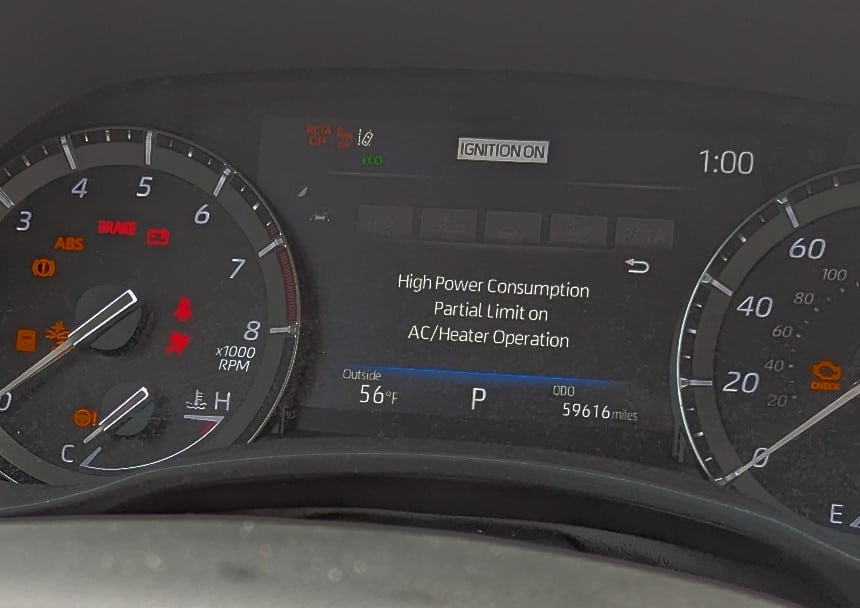
What Does Toyota SRS Airbag System Malfunction Mean?
When a Toyota displays the message “SRS Airbag System Malfunction”, it means the vehicle has detected a fault within the Supplemental Restraint System. This advanced safety network is designed to work alongside seat belts to reduce the risk of serious injury during a collision.
Many drivers mistakenly believe that the warning only relates to the airbags themselves. In reality, the SRS system consists of multiple interconnected components that constantly communicate with each other. These components include front airbags, side airbags, curtain airbags, crash sensors, seat belt pretensioners, occupant detection sensors, wiring harnesses, and the airbag control module.
Whenever the system identifies abnormal data or loses communication with one of its components, it stores a diagnostic trouble code and activates the warning light or malfunction message on the dashboard. Depending on the nature of the fault, some or all of the airbag system’s protective functions may be affected.
The most important thing to understand is that this warning is directly related to vehicle safety. Even if the vehicle appears to operate normally, the system may not provide the level of protection Toyota intended during an accident. For this reason, the issue should be diagnosed as soon as possible rather than ignored until a more serious problem develops.
How the Toyota SRS Airbag System Works
Toyota’s Supplemental Restraint System is designed to respond within milliseconds when a collision occurs. It combines electronic sensors, computer controls, and mechanical safety devices to help protect occupants from severe impact forces.
The process begins with crash sensors located throughout the vehicle. These sensors continuously monitor acceleration, deceleration, and impact forces. When a collision is detected, the sensors immediately send information to the airbag control module, often referred to as the SRS ECU.
The control module analyzes the data in real time and determines whether airbag deployment is necessary. At the same time, occupant classification sensors evaluate whether passengers are seated in specific positions and whether certain airbags should be activated.
If deployment conditions are met, the system triggers the appropriate airbags while simultaneously activating seat belt pretensioners. These pretensioners tighten the seat belts instantly to reduce occupant movement before airbag inflation occurs.
The entire sequence happens so quickly that most occupants are unaware of the process until after the collision. Because every component relies on accurate communication and timing, even a small electrical fault can interfere with the system’s ability to function correctly. This is why Toyota treats any SRS-related warning as a potentially significant safety concern.
Common Causes of Toyota SRS Airbag System Malfunction
Several issues can trigger an SRS Airbag System Malfunction warning. Some are relatively minor and inexpensive to repair, while others require specialized diagnostics and component replacement.
One of the most common causes is a faulty occupant detection sensor. These sensors are usually located within the passenger seat and help determine whether an airbag should deploy during an accident. If the sensor provides inaccurate data or fails completely, the SRS system may generate a warning message.
Another frequent cause involves damaged or worn seat belt pretensioners. Since these components are integrated into the overall restraint system, any malfunction can trigger an SRS fault code and illuminate the warning light.
Electrical problems are also responsible for a significant number of cases. Wiring connectors beneath the front seats can become loose due to repeated seat adjustments. Corrosion, moisture intrusion, or physical damage to wiring harnesses can interrupt communication between critical safety components.
A defective airbag control module can also generate persistent warning messages. Because this module serves as the central computer for the SRS system, any internal failure may affect multiple safety functions simultaneously.
Crash sensors themselves can fail over time. Although these sensors are designed for long-term durability, age, environmental conditions, and previous accident damage may affect their performance.
In some situations, the issue may not be directly related to the airbag system at all. A weak battery, charging system fault, or sudden voltage fluctuation can confuse sensitive electronic systems and trigger temporary SRS warnings. This often occurs after a battery replacement or when the vehicle experiences electrical instability.
Identifying the exact cause requires proper diagnostic equipment capable of accessing Toyota-specific SRS fault codes. Without accurate diagnosis, replacing parts based on guesswork can quickly become expensive and may fail to resolve the problem.
Warning Signs You Should Never Ignore
The most obvious indication of an SRS problem is the appearance of an airbag warning light or a message stating “SRS Airbag System Malfunction” on the dashboard. However, this is not the only symptom drivers may encounter. In many cases, the vehicle provides additional warning signs that suggest a deeper issue within the safety restraint system.
One common symptom is an airbag warning light that remains illuminated after the engine starts. Under normal conditions, the light briefly appears during the vehicle’s self-diagnostic check and then turns off. If it stays on or begins flashing, the system has likely detected a fault that requires attention.
Some Toyota models may also display messages indicating that the passenger airbag has been disabled. This warning can be linked to problems with occupant classification sensors, which are responsible for determining whether a passenger is seated and whether airbag deployment is necessary.
Drivers may notice warning lights appearing intermittently. A loose connector, damaged wiring, or unstable electrical connection can cause the system to lose communication temporarily before reconnecting. Although the warning may disappear on its own, the underlying problem often remains.
In more serious cases, multiple safety and electronic warnings may appear simultaneously. Since modern vehicles rely on interconnected control modules, a fault affecting one system can sometimes influence communication with others. This may result in seemingly unrelated warning messages appearing alongside the SRS alert.
Ignoring these warning signs can be risky because airbags and related restraint components may not function as intended during an accident. Even if no immediate driving problems are noticeable, the vehicle’s ability to protect occupants could be compromised when it matters most.
Can You Drive With an SRS Airbag System Malfunction?
Technically, most Toyota vehicles can still be driven when an SRS Airbag System Malfunction warning is active. The engine, transmission, steering, and braking systems are typically unaffected by an airbag-related fault. This often leads drivers to assume the warning is not urgent.
However, the ability to drive the vehicle does not mean it is safe to ignore the issue. The primary concern is that the Supplemental Restraint System may not respond correctly during a collision. Depending on the specific fault, airbags may fail to deploy, deploy improperly, or certain restraint components may not activate when needed.
The level of risk varies according to the nature of the malfunction. For example, a loose connector under a seat may seem minor, but the system cannot always determine whether the fault will affect deployment performance. As a result, Toyota’s safety systems are designed to trigger a warning whenever reliability cannot be guaranteed.
Another important consideration is passenger safety. Many drivers focus on their own protection but overlook the fact that a malfunctioning SRS system may also affect passengers sitting in other seating positions. Occupant detection sensors, side airbags, and seat belt pretensioners all play critical roles in reducing injury during an impact.
In some regions, an illuminated airbag warning light may also cause a vehicle to fail safety inspections or roadworthiness checks. This can create additional inconvenience and expenses if the issue is left unresolved for an extended period.
For these reasons, it is best to schedule a professional inspection as soon as possible. Continuing to drive for a short period may be unavoidable, but delaying diagnosis for weeks or months is not recommended.
How to Diagnose the Problem
Diagnosing a Toyota SRS Airbag System Malfunction requires more than simply clearing the warning light. The first step is identifying the exact component or circuit responsible for triggering the fault. Because multiple components are connected to the system, accurate diagnosis is essential before any repairs are attempted.
A visual inspection is often the best place to start. Check beneath the front seats for loose connectors, damaged wires, or objects that may have disturbed electrical connections. Since seat movement occurs frequently, wiring in this area is especially vulnerable to wear and accidental disconnection.
The vehicle’s battery should also be inspected. Low voltage, weak batteries, and charging system problems can sometimes trigger SRS warnings. If the battery has recently been replaced, ensuring that all electrical connections are secure is an important diagnostic step.
The most effective method involves connecting a professional diagnostic scanner capable of reading Toyota-specific SRS codes. Standard code readers often access only engine-related information and may not communicate with the airbag control module. Specialized tools can retrieve fault codes stored by the SRS system and provide valuable clues about the source of the problem.
Once diagnostic trouble codes are retrieved, technicians can analyze the affected circuit or component. Codes may point to crash sensors, occupant detection systems, seat belt pretensioners, wiring faults, communication errors, or internal control module failures. Additional testing is often required to confirm the exact cause.
In some situations, advanced diagnostic procedures may include measuring electrical resistance, checking sensor outputs, inspecting communication networks, or performing software updates. Although these procedures require specialized equipment, they help prevent unnecessary parts replacement and ensure the correct repair is performed the first time.
Proper diagnosis not only saves money but also restores confidence that the vehicle’s safety systems will operate correctly when needed. Since the SRS system is designed to protect lives during a collision, identifying the root cause of a malfunction should always be treated as a priority.
How to Fix Toyota SRS Airbag System Malfunction
The correct solution for a Toyota SRS Airbag System Malfunction depends entirely on the underlying cause of the fault. While some issues can be resolved with simple repairs, others may require component replacement and advanced diagnostic procedures. The key is to address the root cause rather than simply clearing the warning message.
One of the most common fixes involves repairing or reconnecting loose electrical connectors. Wiring located beneath the front seats is frequently exposed to movement and stress as seats are adjusted over time. A disconnected or damaged connector can interrupt communication between the airbag system and various sensors, triggering the warning light. Securing these connections and repairing damaged wiring may restore normal operation.
Faulty occupant detection sensors often require recalibration or replacement. These sensors determine whether a passenger is present and help the system decide when airbag deployment is necessary. If sensor readings become inaccurate, the SRS control module may disable certain airbags as a safety precaution.
Seat belt pretensioners can also trigger airbag-related faults. If diagnostic testing confirms a defective pretensioner, replacement is usually required. Since pretensioners are critical safety components, repairs should always follow manufacturer specifications.
When crash sensors fail, technicians typically replace the affected sensor and verify that communication with the control module has been restored. Because crash sensors play a direct role in airbag deployment decisions, their accuracy is essential for proper system performance.
More serious cases may involve a malfunctioning airbag control module. This component serves as the brain of the entire SRS network. Depending on the extent of the failure, the module may require reprogramming, software updates, or complete replacement. After installation, additional calibration procedures are often necessary to ensure proper communication with other vehicle systems.
Battery and charging system issues should not be overlooked. Replacing a weak battery, repairing alternator problems, or correcting voltage irregularities can sometimes eliminate SRS warnings that are caused by unstable electrical conditions.
Although online tutorials may suggest methods for resetting the warning light, clearing codes without repairing the underlying fault is rarely a permanent solution. In many cases, the warning will return once the system performs another self-check. More importantly, resetting the light does not restore the functionality of a damaged safety component.
Because airbags and restraint systems are designed to protect occupants during severe collisions, repairs should always prioritize safety and reliability over convenience or short-term cost savings.
Estimated Repair Costs
The cost of repairing a Toyota SRS Airbag System Malfunction can vary significantly depending on the vehicle model, the failed component, labor rates, and whether original equipment parts are used. Some repairs are relatively inexpensive, while others can become costly if major components require replacement.
A professional diagnostic scan is usually the first expense owners encounter. Most repair facilities charge between $50 and $150 for a detailed inspection of the SRS system. This fee often includes reading fault codes and identifying the likely source of the problem.
Sensor-related repairs are among the most common. Replacing an occupant detection sensor or crash sensor may cost anywhere from $100 to $600, depending on the component and vehicle model. Labor costs can increase if seat removal or interior disassembly is required.
Electrical repairs generally range from $100 to $500. The final price depends on the location and severity of the wiring damage. A simple connector repair may be inexpensive, while tracing an intermittent electrical fault can require several hours of labor.
Seat belt pretensioner replacement typically costs between $200 and $800. Pricing varies according to the vehicle’s design and the availability of replacement parts.
Airbag control module repairs can be considerably more expensive. Reprogramming services may cost a few hundred dollars, while complete module replacement can range from $500 to more than $2,000. Luxury trims and newer models often fall at the higher end of the spectrum.
In cases involving multiple failed components or collision-related damage, total repair costs can exceed several thousand dollars. While these figures may seem significant, delaying repairs can increase risks and potentially lead to more extensive damage later.
Obtaining an accurate diagnosis before authorizing repairs is one of the most effective ways to avoid unnecessary expenses. Replacing parts without confirming the source of the problem often results in wasted money and unresolved warning messages.
Toyota Models Frequently Reporting SRS Airbag Warnings
The Toyota SRS Airbag System Malfunction warning is not limited to a specific model. Because modern Toyota vehicles share many electronic safety technologies, similar issues can appear across a wide range of vehicles. However, certain models are more frequently discussed by owners due to their popularity and large numbers on the road.
The Toyota Camry is one of the most commonly reported models. As one of Toyota’s best-selling sedans, it naturally generates a higher volume of owner reports involving airbag warning lights, occupant detection sensors, and electrical connection issues.
The Toyota Corolla also appears frequently in discussions about SRS faults. Owners occasionally report warning lights related to seat sensors, wiring concerns, and communication errors within the restraint system.
Toyota RAV4 models have experienced similar complaints, particularly in vehicles with high mileage or extensive daily use. Since sport utility vehicles are often used by families, seat adjustments and passenger occupancy can place additional stress on certain sensor systems over time.
The Toyota Highlander, Prius, Tacoma, and Tundra are also among the models where SRS-related warnings may occur. In most cases, the underlying causes are similar to those found in other Toyota vehicles, including sensor failures, electrical issues, and aging components.
It is important to understand that the presence of an SRS warning does not necessarily indicate a widespread design flaw within a particular model. Many incidents result from normal wear, environmental conditions, accidental damage, or age-related deterioration of electronic components.
Regardless of the model involved, the appropriate response remains the same. Prompt diagnosis and repair help ensure that the vehicle’s safety systems continue to function as designed and provide the protection occupants expect during an emergency.
How to Prevent Future SRS Airbag Problems
While some airbag system failures are unavoidable, many Toyota SRS issues can be prevented through proper vehicle maintenance and early attention to warning signs. Taking a proactive approach can help reduce the likelihood of unexpected faults and ensure that critical safety systems remain fully operational.
One of the simplest preventive measures is avoiding the storage of objects beneath the front seats. Many SRS-related wiring harnesses and connectors are located in this area. Loose items can accidentally pull, bend, or damage connectors when the seats are adjusted, leading to communication errors within the system.
Maintaining a healthy battery is equally important. Modern Toyota vehicles rely heavily on stable electrical voltage to operate safety systems correctly. A weak battery, failing alternator, or poor electrical connection can cause voltage fluctuations that trigger warning messages. Regular battery inspections and timely replacement can help prevent these issues.
Drivers should also avoid ignoring dashboard warning lights, even if they appear intermittently. Temporary warnings often indicate an underlying problem that may worsen over time. Addressing minor faults early is usually less expensive and less complicated than repairing major component failures later.
Routine vehicle inspections can help identify potential issues before they affect the SRS system. Technicians may detect worn wiring, loose connectors, corrosion, or sensor irregularities during regular maintenance visits. Early detection often prevents more costly repairs.
Using genuine Toyota replacement parts whenever possible is another important consideration. Original equipment components are designed to meet Toyota’s safety standards and maintain compatibility with the vehicle’s electronic systems. While aftermarket alternatives may be less expensive, they do not always provide the same level of reliability or integration.
Finally, drivers should be cautious when performing interior modifications or installing aftermarket electronics. Improperly routed wiring, accessory installations, or seat modifications can interfere with SRS components and trigger system faults. Ensuring that modifications are performed professionally can help protect both vehicle safety and long-term reliability.
Frequently Asked Questions
Why is my Toyota showing an SRS Airbag System Malfunction warning?
This warning typically appears when the vehicle detects a fault within the Supplemental Restraint System. Common causes include faulty occupant detection sensors, damaged wiring, defective crash sensors, malfunctioning seat belt pretensioners, or problems with the airbag control module.
Can I continue driving my Toyota with the warning light on?
In most cases, the vehicle will continue to operate normally. However, the airbag system may not function correctly during a collision. For safety reasons, the issue should be diagnosed and repaired as soon as possible.
Will the airbags still deploy if the warning light is illuminated?
There is no guarantee that airbags will deploy correctly when an active SRS fault exists. Depending on the specific malfunction, some airbags may be disabled or may not respond as intended during an accident.
Can I reset the SRS warning light myself?
While it may be possible to clear the warning using diagnostic equipment, the light will often return if the underlying problem has not been repaired. Simply resetting the system does not fix defective components.
How much does it cost to repair an SRS Airbag System Malfunction?
Repair costs vary widely depending on the cause. Minor wiring repairs may cost less than a few hundred dollars, while replacing an airbag control module or multiple components can cost several thousand dollars.
Does a weak battery cause SRS warning messages?
Yes. Low battery voltage and charging system issues can sometimes trigger SRS faults because the airbag system relies on stable electrical power to function properly.
Is the repair covered under warranty?
Warranty coverage depends on the age of the vehicle, mileage, warranty status, and the component that has failed. Owners should consult their Toyota dealer or warranty provider for specific coverage details.
Should I ignore an intermittent airbag warning light?
No. Even if the warning appears and disappears occasionally, it may indicate an electrical issue, sensor fault, or communication problem that could affect the performance of the safety system.
Conclusion
A Toyota SRS Airbag System Malfunction warning should always be treated as a serious safety concern. Although the vehicle may continue to drive normally, the warning indicates that one or more components within the Supplemental Restraint System may not be functioning as intended. Since airbags, crash sensors, seat belt pretensioners, and electronic control modules work together to protect occupants during an accident, any fault within the system deserves immediate attention.
The good news is that many SRS issues can be diagnosed and repaired before they develop into more significant problems. Whether the cause is a loose electrical connection, a faulty occupant detection sensor, a damaged crash sensor, or a malfunctioning control module, identifying the issue early can help reduce repair costs and restore confidence in your vehicle’s safety systems.
Ignoring the warning may place drivers and passengers at unnecessary risk, especially during unexpected collisions where every safety feature plays a critical role. Prompt diagnosis by a qualified technician ensures that the system can operate exactly as Toyota intended.
If your vehicle is displaying a Toyota SRS Airbag System Malfunction message, schedule a professional inspection as soon as possible. Investing in timely repairs not only protects your vehicle but also helps safeguard the people who matter most every time you get behind the wheel.