When your Toyota Sienna’s air conditioning system stops blowing cold air, the problem often points to one of the most critical components in the HVAC system: the AC compressor. Whether you drive an older first-generation Sienna or a newer hybrid model, a failing compressor can quickly turn a comfortable ride into an unpleasant experience, especially during hot summer months.
One challenge many Sienna owners face is that AC compressor replacement is not a one-size-fits-all repair. Toyota has redesigned the Sienna multiple times since its introduction, and each generation features different compressor designs, refrigerant requirements, and installation procedures. As a result, replacement costs, labor times, and compatible parts can vary significantly depending on the model year.
Understanding these differences is essential before purchasing replacement parts or scheduling repairs. Choosing the wrong compressor can lead to poor cooling performance, additional repair expenses, or even damage to other air conditioning components.
In this guide, we break down Toyota Sienna AC compressor replacement requirements by model year, covering common failure symptoms, replacement costs, recommended parts, and important considerations for each generation. Whether you are planning a DIY repair or seeking professional service, this comprehensive guide will help you make informed decisions and keep your Sienna’s air conditioning system operating at peak performance.
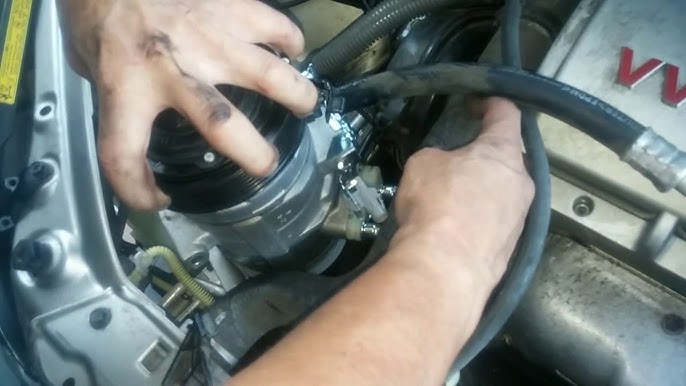
Understanding AC Compressor Failure in Toyota Sienna Models
The AC compressor is often referred to as the heart of the air conditioning system. Its primary function is to compress and circulate refrigerant throughout the system, allowing heat to be removed from the cabin and replaced with cool air. Without a properly functioning compressor, even a fully charged AC system will struggle to deliver comfortable temperatures.
One of the first signs of compressor failure is warm air blowing from the vents despite the air conditioning being turned on. Drivers may also notice unusual noises such as grinding, rattling, or squealing sounds coming from the engine compartment when the AC is engaged. In some cases, the compressor clutch may fail to engage altogether, preventing the refrigerant from circulating through the system.
Several factors contribute to compressor failure in Toyota Sienna models. Normal wear and tear is a common cause, especially in vehicles with high mileage. Low refrigerant levels caused by leaks can force the compressor to work harder than intended, accelerating internal damage. Contamination from moisture, debris, or metal particles can also reduce efficiency and lead to premature failure. Electrical issues affecting the clutch assembly or control system may further compromise compressor performance.
Recognizing these symptoms early can help owners avoid more expensive repairs and prevent damage to other air conditioning components.
First Generation Toyota Sienna AC Compressor Replacement (1998–2003)
The first generation Toyota Sienna introduced a relatively simple and durable air conditioning system compared to later models. Most vehicles from this period utilize a belt driven compressor that is mechanically driven by the engine. While these compressors are generally reliable, age has become the biggest factor affecting their longevity.
Common problems in first generation models include worn compressor bearings, refrigerant leaks around seals, and clutch failures. Because many of these vehicles are now over twenty years old, corrosion and aging rubber components often contribute to AC system issues.
Replacing the compressor on a 1998 to 2003 Toyota Sienna is generally considered less complicated than on newer generations. The compressor is accessible from underneath the vehicle, allowing experienced technicians to complete the replacement without extensive disassembly. Labor times typically range from three to five hours depending on the condition of surrounding components.
Parts costs vary depending on whether owners choose OEM or aftermarket replacements. An aftermarket compressor can provide a budget friendly solution, while OEM components often offer better fitment and long term reliability. Many technicians also recommend replacing the receiver drier and performing a complete system evacuation and recharge during the repair process.
Owners of first generation Siennas should carefully inspect the entire AC system before replacing the compressor, as aging hoses and seals may also require attention.
Second Generation Toyota Sienna AC Compressor Replacement (2004–2010)
The second generation Toyota Sienna introduced several improvements to comfort, interior space, and climate control systems. Although the overall AC design remained similar to the previous generation, the increased complexity of the vehicle introduced additional factors that can affect compressor reliability.
Among the most frequently reported issues are compressor clutch wear, internal compressor damage, and refrigerant leaks. Many owners begin noticing reduced cooling performance after extended periods of operation, especially in hot climates where the air conditioning system works continuously during summer months.
Replacing the AC compressor on a 2004 to 2010 Sienna remains a relatively straightforward repair for qualified technicians. However, some model years may require additional component removal to improve access, slightly increasing labor costs. Depending on local labor rates and parts selection, total replacement expenses can vary considerably.
One advantage of this generation is the wide availability of replacement parts. Both OEM and aftermarket compressors are readily available, giving owners flexibility when balancing budget and reliability concerns. Denso compressors are particularly popular because Denso supplied many original Toyota components and maintains a strong reputation for quality.
When replacing the compressor on second generation models, it is essential to inspect the condenser, expansion valve, and refrigerant lines for contamination. Failure to address underlying issues can shorten the lifespan of the new compressor and lead to repeat repairs.
Third Generation Toyota Sienna AC Compressor Replacement (2011–2020)
The third generation Toyota Sienna received significant updates in design, technology, and overall vehicle refinement. Along with these improvements came a more sophisticated air conditioning system designed to provide better cooling performance and improved efficiency. While these systems are generally dependable, AC compressor failures still occur, particularly in higher mileage vehicles.
One of the most common issues reported by owners is declining cooling performance caused by internal compressor wear. Some vehicles may experience compressor clutch problems, while others develop refrigerant leaks that place additional strain on the compressor. As mileage increases, internal components can begin to deteriorate, leading to reduced efficiency and eventual failure.
Replacing the AC compressor on a 2011 to 2020 Toyota Sienna can be more complex than on earlier generations. Access to the compressor may require removal of additional components, increasing labor time and repair costs. In many cases, technicians recommend replacing related components such as the receiver drier, expansion valve, and refrigerant seals at the same time.
Owners should also be aware that compressor failure can contaminate the entire AC system with metal particles. If contamination is present, a complete system flush may be necessary before installing a new compressor. Although this increases repair costs, it helps protect the replacement unit from premature damage and improves long term reliability.
For most owners, investing in a high quality OEM or premium aftermarket compressor is worthwhile, particularly if they plan to keep the vehicle for several more years.
Fourth Generation Toyota Sienna Hybrid AC Compressor Replacement (2021–Present)
The fourth generation Toyota Sienna introduced a major change by adopting a hybrid only powertrain. This redesign also transformed the vehicle’s air conditioning system. Unlike previous generations that relied on engine driven compressors, modern hybrid Sienna models utilize electrically powered compressors that can operate independently of engine speed.
This technology provides several benefits, including improved energy efficiency, more consistent cabin cooling, and the ability to maintain air conditioning performance even when the gasoline engine is not actively running. However, these advantages come with increased complexity and higher replacement costs.
Electric compressors used in hybrid vehicles require specialized diagnostic procedures and repair techniques. High voltage components are integrated into the system, creating safety concerns for anyone unfamiliar with hybrid vehicle repair. As a result, most owners should leave compressor replacement to trained professionals with hybrid certification and appropriate equipment.
Replacement costs for hybrid compressors are typically higher than those found in previous generations. Parts are more expensive, and labor rates may increase due to the additional safety procedures required during installation. Despite the higher expense, proper repair is essential to maintain system efficiency and ensure safe operation.
Owners should never attempt to service high voltage air conditioning components without proper training. Even routine procedures such as refrigerant recovery and compressor replacement require specialized tools and knowledge.
Toyota Sienna AC Compressor Replacement Cost by Model Year
One of the most common questions among vehicle owners is how much an AC compressor replacement will cost. The answer depends largely on the model year, compressor design, labor rates in the local market, and whether OEM or aftermarket components are selected.
For first generation Sienna models produced between 1998 and 2003, replacement costs are generally the lowest. Parts are relatively affordable, and labor requirements are moderate due to easier compressor access. Many owners can expect total repair costs to fall within a reasonable range compared to newer vehicles.
Second generation models built between 2004 and 2010 typically involve slightly higher expenses. While replacement parts remain widely available, labor costs may increase depending on vehicle condition and the need for additional system repairs.
Third generation models from 2011 to 2020 often require higher repair budgets. More advanced air conditioning systems, increased labor complexity, and the possibility of system contamination contribute to higher overall costs.
The most expensive repairs are usually associated with fourth generation hybrid models introduced in 2021. Electric compressors are considerably more costly than traditional units, and hybrid specific service procedures can increase labor charges. In some cases, total repair costs may be significantly higher than those for earlier generations.
Additional factors that influence repair costs include regional labor rates, dealership pricing, refrigerant type, system contamination, and whether supporting components need replacement. Obtaining multiple repair estimates and confirming the quality of replacement parts can help owners achieve the best balance between cost and reliability.
OEM vs Aftermarket AC Compressors for Toyota Sienna
Choosing between an OEM and an aftermarket AC compressor is one of the most important decisions during a replacement project. Each option offers distinct advantages, and the best choice often depends on budget, vehicle age, and long term ownership plans.
OEM compressors are manufactured to Toyota’s original specifications and are designed to provide the same performance as the factory installed unit. They typically offer excellent fitment, reliable operation, and compatibility with the existing air conditioning system. For owners seeking maximum reliability and peace of mind, OEM components are often the preferred option.
Aftermarket compressors can provide substantial savings while still delivering acceptable performance. Many reputable manufacturers produce replacement compressors that meet or exceed original equipment standards. However, quality can vary significantly between brands. Selecting a low quality compressor may lead to reduced cooling efficiency, premature failure, or additional repair expenses.
Vehicle owners should research manufacturer reputation, warranty coverage, and customer reviews before making a purchasing decision. While aftermarket options may reduce upfront costs, investing in a trusted brand can help avoid future problems and improve overall satisfaction.
Components That Should Be Replaced Alongside the Compressor
Replacing only the compressor is not always enough to ensure a successful repair. Several supporting components play important roles in the air conditioning system and may require replacement at the same time.
The receiver drier is responsible for removing moisture from the refrigerant. When a compressor fails, moisture contamination can increase, making receiver drier replacement highly recommended. The expansion valve should also be inspected because debris from a failing compressor can restrict refrigerant flow and reduce system performance.
O-rings and seals are relatively inexpensive components that should be replaced whenever the system is opened. Worn seals can create refrigerant leaks that compromise cooling efficiency and place additional stress on the new compressor.
In cases involving internal compressor failure, a complete system flush may be necessary to remove metal particles and contaminants. Refrigerant must then be recharged according to manufacturer specifications to ensure optimal operation.
Addressing these supporting components during the initial repair may increase costs slightly, but it often prevents repeat failures and helps maximize the lifespan of the replacement compressor.
Can You Replace a Toyota Sienna AC Compressor Yourself?
Many automotive enthusiasts consider replacing an AC compressor themselves to save money. While this may be possible on some older Toyota Sienna models, the repair is more complicated than many people expect.
The process requires specialized tools, including refrigerant recovery equipment, vacuum pumps, manifold gauges, and torque specifications. Federal and local regulations may also govern refrigerant handling, making proper procedures essential.
DIY replacement may be practical for experienced mechanics working on older first or second generation Sienna models. However, individuals without air conditioning repair experience may encounter challenges related to refrigerant management, system evacuation, and contamination prevention.
For newer Sienna models, especially hybrid versions, professional service is strongly recommended. Hybrid air conditioning systems contain high voltage components that require specialized training and safety procedures. Improper handling can create serious risks and potentially damage expensive vehicle systems.
Owners should carefully evaluate their skill level, available equipment, and potential risks before attempting a compressor replacement on their own.
Tips to Extend the Life of Your Toyota Sienna AC Compressor
Proper maintenance can significantly increase the lifespan of an AC compressor and reduce the likelihood of expensive repairs.
Running the air conditioning system regularly helps keep internal seals lubricated and prevents refrigerant from settling within the system. Even during cooler months, operating the AC for a short period can contribute to long term reliability.
Maintaining proper refrigerant levels is equally important. Low refrigerant creates additional workload for the compressor and can accelerate wear. Any noticeable decline in cooling performance should be inspected promptly to identify potential leaks.
Keeping the condenser clean and free of debris improves heat transfer and reduces stress on the entire air conditioning system. Replacing cabin air filters at recommended intervals also helps maintain airflow and cooling efficiency.
Routine inspections performed by qualified technicians can identify small issues before they develop into major repairs. Early detection often results in lower repair costs and longer component life.
Conclusion
Toyota Sienna AC compressor replacement requirements vary considerably from one generation to another. Older models generally feature simpler and more affordable systems, while newer generations incorporate advanced technology that can increase both complexity and repair costs. The introduction of hybrid specific electric compressors in the latest Sienna models represents one of the most significant changes in the vehicle’s air conditioning system.
Understanding the differences between model years can help owners make informed repair decisions, select compatible replacement parts, and prepare for potential costs. Whether you own a first generation Sienna with a traditional belt driven compressor or a modern hybrid equipped with an electric unit, proper diagnosis and quality replacement components are essential for long term reliability.
Replacing related components such as the receiver drier, expansion valve, and refrigerant seals during compressor service can further improve system performance and reduce the risk of future failures. Regular maintenance and early attention to warning signs can also help extend compressor life and prevent unexpected breakdowns.
By identifying your Toyota Sienna’s model year and understanding the unique characteristics of its air conditioning system, you can approach compressor replacement with confidence and keep your vehicle comfortable in every season.