Imagine parking your car in the garage after a normal day, locking the doors, and heading inside without a second thought. Hours later, that same vehicle unexpectedly becomes a fire hazard. It sounds like a rare scenario, yet vehicle fire recalls have affected millions of cars worldwide and continue to be one of the most alarming safety issues in the automotive industry.
Unlike recalls involving cosmetic defects or minor mechanical issues, a fire related recall immediately creates fear and uncertainty. Drivers begin asking difficult questions. Is my car safe to drive? Could it catch fire while parked? Will repairs solve the issue completely? These concerns are understandable because vehicle fires can happen without much warning and sometimes even when the engine is not running.
The reality is that vehicle fire recalls are not limited to one manufacturer or one type of vehicle. Traditional gasoline vehicles, diesel models, hybrids, and electric vehicles have all experienced fire related safety concerns. Problems can range from faulty electrical systems and leaking fuel lines to overheating components and battery defects.
Understanding why these recalls happen is important for every driver. In this article, we will explore the major causes behind vehicle fire recalls, the risks they create, and the warning signs you should never ignore.
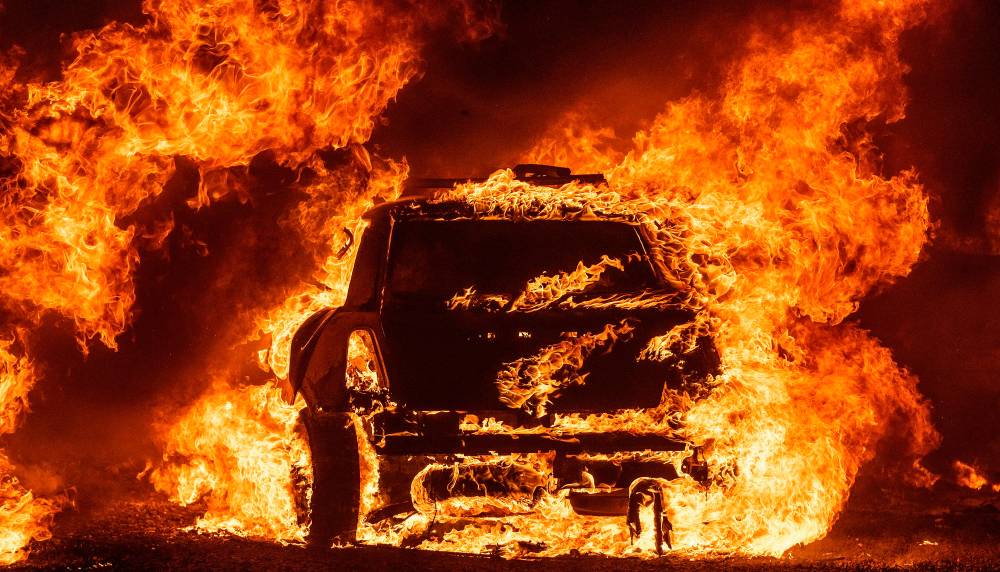
What Is a Vehicle Fire Recall?
A vehicle fire recall is a safety action issued when a manufacturer discovers a defect that may increase the risk of a vehicle catching fire. Unlike routine maintenance notices or optional service campaigns, recalls are typically tied to issues that could endanger drivers, passengers, or surrounding property.
Most fire related recalls begin after patterns emerge. Drivers may report smoke coming from the engine bay, strange burning smells, electrical failures, or in more serious cases, actual fire incidents. Once multiple reports start appearing, manufacturers and safety agencies investigate whether the problem stems from a design flaw, defective component, or manufacturing error.
Government agencies play a major role in this process. In the United States, investigators review customer complaints, dealer repair data, warranty claims, and incident reports. Similar organizations operate globally to monitor vehicle safety trends and identify potential hazards.
The process may sound straightforward, but investigations can take months or even years. Engineers often need to determine whether incidents are isolated events or signs of a broader defect affecting thousands or even millions of vehicles.
One reason vehicle fire recalls receive so much attention is because the consequences extend beyond the vehicle itself. Fires can damage homes, garages, nearby cars, and create severe injury risks.
Several major automotive recalls in history gained attention because fires reportedly occurred while vehicles were parked and switched off. That possibility alone is enough to create widespread concern among owners.
Electrical System Failures Are One of the Biggest Causes
Electrical system failures remain one of the leading causes behind vehicle fire recalls. Modern vehicles rely on increasingly complex networks of wiring, sensors, control modules, charging systems, and electronic components. While these technologies improve convenience and performance, they also create more opportunities for electrical problems.
A damaged wire may seem like a small issue, but if insulation deteriorates or connections become loose, electrical current can move where it should not. This can create short circuits, overheating, or sparks capable of igniting nearby materials.
Control modules can also contribute to fire risks. These components regulate functions such as engine management, battery systems, and electronic accessories. A malfunctioning module may continuously draw power or create excess heat over time.
One major concern is that electrical failures do not always happen while driving. Some of the most concerning cases involve vehicles catching fire while parked overnight. Drivers often assume the vehicle becomes completely inactive after the engine shuts off. In reality, many electrical systems remain powered even after parking.
Fun fact: Some vehicle investigations began after owners reported hearing unusual sounds or noticing smoke from cars sitting untouched in home garages.
This creates a serious pain point for owners because the danger may exist even when they believe the vehicle is safely parked.
Fuel Leaks Can Turn Small Problems into Major Hazards
Fuel systems operate under demanding conditions involving pressure, heat, and continuous movement. Even a small defect can create conditions where a minor issue rapidly becomes dangerous.
Fuel leaks are among the most serious triggers behind vehicle fire recalls because fuel itself acts as a highly flammable source. Small cracks in fuel lines, defective connectors, worn seals, or improperly installed components may allow gasoline or diesel fuel to escape.
At first, the warning signs may appear subtle. Drivers might notice a strong fuel smell after parking or while driving. Some people dismiss these symptoms, assuming they are temporary or harmless. Unfortunately, ignoring early signs can increase risk significantly.
If leaking fuel contacts hot engine components, exhaust systems, or electrical sparks, ignition can happen quickly. High temperatures under the hood create an environment where even relatively small leaks may become dangerous.
The frustrating part for many owners is that fuel leaks are not always visible. Drivers may not see liquid dripping onto the ground. Instead, vapors can accumulate gradually before symptoms become obvious.
This uncertainty creates anxiety because many vehicle owners wonder whether they are overlooking an invisible safety issue.
Overheating Components and Manufacturing Defects
Not every vehicle fire recall begins with a dramatic system failure. In some cases, the root cause comes from something surprisingly small. A defective connector, a poorly manufactured component, or a minor assembly mistake can eventually create major safety risks.
Modern vehicles generate enormous heat during operation. Engines, turbochargers, catalytic converters, braking systems, and exhaust components can all reach extremely high temperatures. Under normal conditions, manufacturers design these systems to manage heat safely. Problems emerge when components fail to perform as intended.
For example, an overheating engine compartment can expose nearby hoses, wiring, and plastic materials to prolonged heat stress. Over time, these materials may degrade, melt, or become more susceptible to ignition.
Manufacturing defects add another layer of risk. A part that costs only a few dollars can trigger a recall affecting millions of vehicles if installed incorrectly or produced below quality standards. Small deviations in design or assembly may remain unnoticed during production but gradually reveal themselves after thousands of vehicles reach the road.
Fun fact: Some large automotive recalls started because engineers discovered tiny defects measured in millimeters.
This creates frustration for owners because people expect expensive vehicles to undergo strict quality control. Discovering that a small hidden defect can create serious fire concerns often damages consumer confidence.
EV Batteries Introduce New Fire Risk Challenges
As electric vehicles become more common, discussions around vehicle fire recalls increasingly include battery safety. Electric vehicles operate differently from traditional gasoline cars, which means their fire risks can also differ.
Most electric vehicles rely on lithium ion battery systems. These batteries deliver impressive energy capacity and performance, but they also introduce unique engineering challenges. One of the most discussed risks involves a phenomenon called thermal runaway.
Thermal runaway occurs when battery cells experience uncontrolled temperature increases. In certain situations, excess heat can spread from one battery cell to another, creating a chain reaction. Damage from collisions, manufacturing defects, charging issues, or software problems may contribute to this process.
Although electric vehicle fires often receive significant media attention, context matters. Vehicle fires can occur in both traditional and electric vehicles for different reasons. However, battery related incidents often attract more attention because battery fires can behave differently and may require specialized suppression methods.
Another challenge involves software. Modern battery systems rely heavily on software monitoring tools designed to regulate charging, temperature management, and overall battery health. If software behaves unexpectedly, potential safety concerns may increase.
For many drivers considering electric vehicles, uncertainty remains a major pain point. Consumers often wonder whether advancing technology introduces new risks that are difficult to understand.
How Investigations Lead to Vehicle Fire Recalls
Most vehicle recalls do not begin with manufacturers immediately identifying a defect. Instead, investigations often start with ordinary drivers noticing unusual problems and reporting them.
A single complaint may not trigger concern. However, repeated reports showing similar patterns can quickly attract attention. Drivers may report smoke, burning smells, warning lights, electrical failures, or unexpected fire incidents.
Investigators then gather information from multiple sources:
• Customer complaints
• Dealership service records
• Warranty claims
• Insurance reports
• Technical inspections
• Accident investigations
Engineers analyze whether these incidents share common factors. They examine failed parts, environmental conditions, vehicle usage patterns, and manufacturing records.
This process can become extremely complex. A defect may appear only under specific temperatures, driving conditions, or after years of use. Identifying the true source sometimes requires months of testing and analysis.
Once evidence suggests a widespread safety risk, manufacturers may issue recall campaigns designed to repair or replace affected components.
For vehicle owners, this waiting period often becomes stressful. People may continue driving while investigations remain ongoing, creating uncertainty about whether their vehicle is truly safe.
Warning Signs Drivers Should Never Ignore
Many vehicle fire recalls are discovered only after incidents occur, but vehicles often provide warning signals before a serious problem develops. Unfortunately, drivers sometimes ignore these early signs because they assume the issue is temporary or unrelated to safety.
One of the most common warning signs is a burning smell. An odor similar to melting plastic, overheated wires, or burning rubber may indicate electrical components generating excessive heat. Even if the smell disappears quickly, it should never be dismissed.
Another major red flag is the smell of fuel. Gasoline odors inside or around a vehicle may suggest leaking fuel lines, damaged seals, or faulty connectors. Because fuel is highly flammable, even a small leak can create dangerous conditions.
Smoke is an even more obvious warning sign. Smoke coming from under the hood, around wheels, or from ventilation systems requires immediate attention. Continuing to drive under these circumstances can increase risk significantly.
Drivers should also pay attention to unusual electrical behavior, including:
• Flickering lights
• Random dashboard alerts
• Sudden battery warnings
• Malfunctioning infotainment systems
• Unexpected loss of power functions
Engine temperature should never be ignored either. Frequent overheating or temperature spikes may indicate deeper mechanical problems capable of increasing fire risk.
The challenge is that many people delay inspections because of inconvenience, repair costs, or uncertainty. This hesitation creates a dangerous situation where small warning signs can gradually become major hazards.
Recognizing symptoms early may not only prevent expensive repairs. In some situations, it may prevent injuries or far more serious consequences.
Conclusion
Vehicle fires may sound like rare events, but the reasons behind vehicle fire recalls are often more complex than most drivers realize. Electrical failures, fuel leaks, overheating components, manufacturing defects, and modern battery challenges can all contribute to situations where vehicles become potential fire hazards.
The important takeaway is that a recall does not automatically mean every vehicle will catch fire. Instead, recalls exist because manufacturers and safety agencies identify patterns that could place drivers at increased risk. Understanding those risks helps owners make informed decisions and respond before problems become more serious.
Ignoring warning signs can create unnecessary danger. Strange smells, smoke, dashboard alerts, or unusual vehicle behavior should always receive attention, even if symptoms seem minor at first.
Vehicle technology continues evolving rapidly, and while innovation improves safety in many ways, it can also introduce new challenges. Staying informed remains one of the most effective ways to protect yourself and your passengers.
Have you ever noticed unusual warning signs in your vehicle or experienced a recall situation firsthand? Share your experience in the comments. Your story could help other drivers recognize risks before they become serious problems.