The Toyota Corolla Hybrid has quickly become one of the most popular hybrid sedans on the market, thanks to its impressive fuel economy, low ownership costs, and legendary Toyota reliability. Many drivers assume that owning a hybrid means almost zero maintenance, but that misconception can become expensive over time. Even though the Corolla Hybrid has fewer wear-prone components than traditional gasoline vehicles, it still requires regular servicing to maintain peak performance and long term durability.
Ignoring the recommended Toyota Corolla Hybrid service schedule can lead to reduced fuel efficiency, premature tire wear, expensive cooling system issues, and even hybrid battery problems. With dealership labor costs continuing to rise, many owners want to know exactly which maintenance services are essential and which ones can safely wait.
The good news is that maintaining a Toyota Corolla Hybrid is usually simpler and more affordable than many people expect. When serviced properly, these vehicles can easily exceed 150,000 miles while continuing to deliver excellent fuel economy and dependable daily driving performance.
In this complete Toyota Corolla Hybrid service schedule guide, you will learn the recommended maintenance intervals, key inspections by mileage, estimated service costs, and practical tips to extend the lifespan of your hybrid system. Whether you recently purchased a new Corolla Hybrid or already have high mileage on your vehicle, following the right maintenance plan can save you thousands of dollars in future repairs.
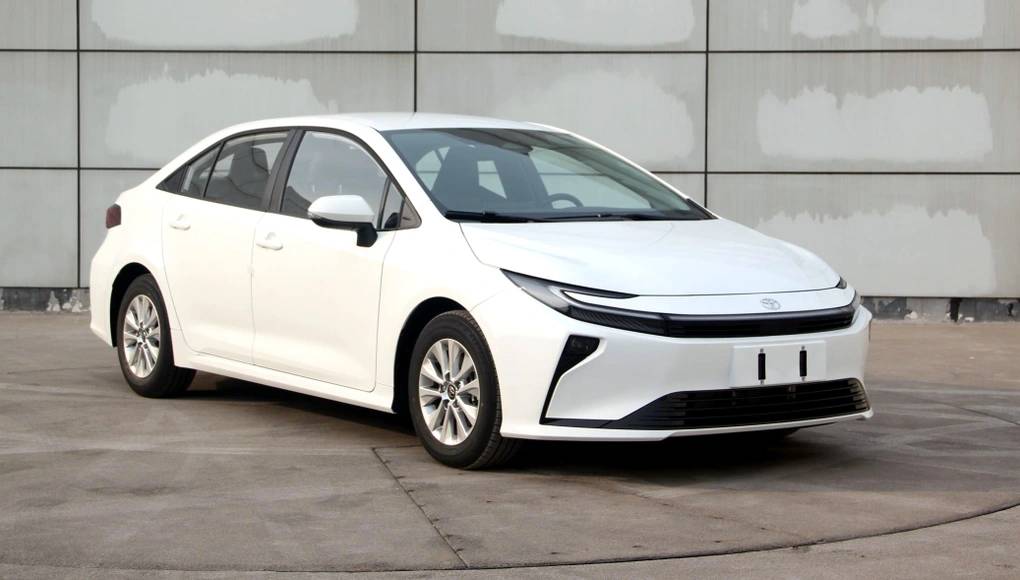
Understanding the Toyota Corolla Hybrid Maintenance Schedule
One of the biggest reasons drivers choose the Toyota Corolla Hybrid is its reputation for low maintenance and exceptional long term reliability. However, many owners mistakenly believe that hybrid vehicles require almost no servicing. While the Corolla Hybrid does reduce wear on certain components, especially the braking system, regular maintenance is still essential if you want to protect fuel economy, battery performance, and engine lifespan.
Toyota designed the Corolla Hybrid maintenance schedule around mileage intervals that help prevent small problems from turning into expensive repairs. Most services are divided into 5,000 mile, 10,000 mile, 30,000 mile, 60,000 mile, and 100,000 mile checkpoints. Each interval focuses on specific inspections and replacements to keep the vehicle operating efficiently.
Compared to a traditional gasoline Corolla, the hybrid model benefits from regenerative braking technology. This system uses the electric motor to slow the vehicle and recharge the battery, reducing stress on the brake pads and rotors. As a result, many Corolla Hybrid owners experience significantly longer brake life. However, the hybrid system itself introduces additional components that require attention, including the battery cooling system and hybrid electronics.
Another major advantage of the Corolla Hybrid is its electronically controlled continuously variable transmission, commonly known as an eCVT. Unlike conventional automatic transmissions with multiple gears, the hybrid transmission has fewer moving parts and is generally more durable. Even so, fluid inspections and periodic servicing remain important for long term reliability.
Following the Toyota Corolla Hybrid service schedule consistently is one of the easiest ways to avoid unexpected repair bills. Owners who stay on top of maintenance often enjoy years of dependable driving while spending far less on repairs compared to many competing hybrid vehicles.
Toyota Corolla Hybrid Service Every 5,000 Miles
The 5,000 mile service interval is one of the most important parts of the Toyota Corolla Hybrid maintenance schedule. Although these visits are relatively simple and inexpensive, they play a major role in preventing uneven wear and maintaining fuel efficiency. Skipping these early maintenance appointments may not seem serious at first, but over time small issues can develop into costly repairs.
During the 5,000 mile service, technicians typically perform a tire rotation to ensure even tread wear across all four tires. Because hybrid vehicles are designed for maximum fuel economy, proper tire condition directly affects MPG performance. Uneven tires can reduce efficiency, create road noise, and shorten tire lifespan significantly.
Brake inspections are also included during this service interval. Thanks to regenerative braking, Corolla Hybrid brake pads generally last longer than those in traditional gasoline vehicles. However, regular inspections are still necessary because moisture, corrosion, and uneven usage can gradually affect braking performance.
Technicians will also inspect fluid levels, including engine coolant, brake fluid, and windshield washer fluid. Even minor fluid leaks can become expensive if ignored for too long. In addition, the cabin air filter and windshield wipers are usually checked to maintain interior comfort and visibility.
One of the most common mistakes Corolla Hybrid owners make is delaying tire rotations to save money. Unfortunately, replacing a full set of prematurely worn tires is far more expensive than keeping up with routine maintenance. Staying consistent with 5,000 mile services helps preserve ride quality, safety, and fuel efficiency while reducing long term ownership costs.
Toyota Corolla Hybrid 10,000 Mile Service
The 10,000 mile service is a more comprehensive maintenance visit that focuses on keeping the Corolla Hybrid engine and hybrid system operating smoothly. While hybrid vehicles rely partially on electric power, the gasoline engine still works regularly and requires proper lubrication to prevent wear.
At this interval, Toyota recommends replacing the synthetic engine oil and oil filter. Many drivers assume hybrids do not need frequent oil changes because the electric motor reduces engine usage. However, old engine oil gradually loses its protective properties over time, especially in stop and go city traffic where hybrids are commonly driven.
In addition to the oil service, technicians usually perform a multi point vehicle inspection. This includes checking suspension components, steering systems, brakes, hoses, belts, and tire condition. Catching worn parts early can help owners avoid much larger repair bills later.
One particularly important inspection during the 10,000 mile service involves the hybrid battery cooling system. The Corolla Hybrid battery generates heat during charging and discharging cycles, and the cooling system helps maintain safe operating temperatures. Dust, pet hair, and debris can block cooling vents and reduce airflow, potentially shortening battery lifespan.
Many owners are surprised to learn that a dirty battery cooling system can eventually contribute to overheating problems and reduced hybrid performance. Fortunately, simple inspections and cleaning procedures can help prevent these issues before they become serious.
The 10,000 mile service may seem routine, but it plays a critical role in preserving the reliability that Toyota hybrids are known for. Staying on schedule helps maintain fuel economy, protects expensive hybrid components, and ensures the vehicle continues delivering smooth and efficient daily driving performance.
Major Toyota Corolla Hybrid 30,000 Mile Service
By the time a Toyota Corolla Hybrid reaches 30,000 miles, regular maintenance becomes more important than ever. While the vehicle is still relatively young at this stage, several components begin showing signs of wear that can affect fuel efficiency, driving comfort, and overall reliability if ignored.
One of the most common services performed at 30,000 miles is replacing the engine air filter and cabin air filter. A clogged engine air filter restricts airflow to the engine, forcing it to work harder and potentially reducing fuel economy. Since many drivers purchase the Corolla Hybrid specifically to save money on fuel, neglecting a simple filter replacement can slowly reduce one of the car’s biggest advantages.
The cabin air filter also plays a major role in driving comfort. Over time, dust, pollen, and road debris accumulate inside the filter, reducing airflow from the air conditioning system and creating unpleasant odors inside the cabin. Drivers living in areas with heavy traffic or pollution may need more frequent filter replacements to maintain air quality.
Brake fluid inspection is another critical part of the 30,000 mile maintenance schedule. Many people assume brake fluid lasts forever because it is hidden inside the braking system. In reality, brake fluid naturally absorbs moisture over time, which can reduce braking effectiveness and potentially damage braking components if left unchanged for too long.
Toyota technicians also typically perform hybrid system diagnostics during this service interval. These inspections check for software errors, battery performance irregularities, and electrical system issues that may not yet trigger dashboard warning lights.
Suspension and steering inspections are equally important at this stage. Small issues such as worn bushings, alignment problems, or loose steering components can gradually worsen and affect ride quality. Catching these problems early helps Corolla Hybrid owners avoid expensive suspension repairs later in the vehicle’s lifespan.
Although the 30,000 mile service may seem more expensive than earlier maintenance visits, preventive care at this stage often saves owners significant money in the long run.
Toyota Corolla Hybrid 60,000 Mile Maintenance
Reaching 60,000 miles is a major milestone for any vehicle, and the Toyota Corolla Hybrid is no exception. At this stage, several systems require closer attention to ensure the vehicle continues delivering the smooth performance and excellent fuel economy owners expect from a Toyota hybrid.
One of the key areas inspected during the 60,000 mile service is the hybrid transmission system. The Corolla Hybrid uses an electronically controlled continuously variable transmission, which is known for durability and efficiency. Although the eCVT generally requires less maintenance than traditional automatic transmissions, fluid inspections remain important for protecting internal components and ensuring smooth operation over the long term.
Coolant inspections also become increasingly important around this mileage interval. Both the gasoline engine and the hybrid system rely on proper cooling to prevent overheating. As coolant ages, it gradually loses its ability to regulate temperature and protect against corrosion. Failing to maintain the cooling system can eventually lead to overheating issues that are expensive to repair.
Brake components should also receive a more detailed inspection during the 60,000 mile service. While regenerative braking reduces wear on brake pads, components such as calipers, rotors, and brake lines still experience aging over time. Moisture buildup and corrosion can affect braking performance even if the pads themselves still appear usable.
Technicians may also inspect spark plugs depending on driving conditions and overall vehicle performance. Worn spark plugs can reduce fuel efficiency, increase engine vibration, and place additional strain on the gasoline engine.
For many owners, the 60,000 mile mark is when long term reliability truly depends on consistent maintenance habits. Drivers who stay proactive with inspections and fluid services often continue enjoying trouble free ownership well beyond 100,000 miles.
The good news is that the Corolla Hybrid is widely regarded as one of the most dependable hybrid sedans on the market. Proper servicing at this stage helps maintain that reputation while reducing the likelihood of costly mechanical failures later.
Toyota Corolla Hybrid 100,000 Mile Service Guide
Reaching 100,000 miles is a significant achievement for any hybrid vehicle, but for the Toyota Corolla Hybrid, it is often only the beginning of its long term lifespan. Many properly maintained Corolla Hybrids continue operating reliably for well over 150,000 or even 200,000 miles. However, once the vehicle crosses the 100,000 mile mark, maintenance becomes increasingly important to prevent age related wear from turning into major repair costs.
One of the most important services performed at this interval is spark plug replacement. Over time, spark plugs gradually wear down, causing weaker combustion inside the gasoline engine. Old spark plugs can reduce fuel efficiency, create rough engine operation, and increase strain on the ignition system. Replacing them helps restore smooth performance and maintain optimal fuel economy.
Coolant replacement is another critical part of the 100,000 mile service schedule. Both the engine cooling system and hybrid components rely heavily on proper temperature management. Old coolant loses its protective properties and may contribute to corrosion or overheating if left unchanged for too long.
Technicians will also inspect drive belts, hoses, and various rubber components that naturally deteriorate with age. Even though the Corolla Hybrid is engineered for durability, rubber materials gradually become brittle after years of heat exposure and daily driving.
A comprehensive hybrid battery health inspection is especially valuable at this mileage point. Many owners worry about expensive battery replacement costs, but Toyota hybrid batteries are known for exceptional longevity. In many cases, battery packs continue functioning normally far beyond 150,000 miles when properly maintained.
Drivers should pay close attention to warning signs such as declining fuel economy, inconsistent acceleration, or unusual battery cooling fan noise. Catching small hybrid system issues early can prevent larger and more expensive repairs later.
While some drivers become nervous once a vehicle reaches six figure mileage, the Toyota Corolla Hybrid often proves that proper maintenance matters more than mileage alone. Owners who continue following the recommended service schedule frequently enjoy years of dependable and fuel efficient driving even after surpassing 100,000 miles.
Toyota Corolla Hybrid Maintenance Costs
One of the biggest reasons drivers choose the Toyota Corolla Hybrid is its low long term ownership cost. Compared to many compact sedans and crossover SUVs, the Corolla Hybrid is generally inexpensive to maintain while still delivering excellent reliability and fuel economy. However, understanding realistic maintenance costs can help owners budget properly and avoid financial surprises later.
On average, Toyota Corolla Hybrid owners spend significantly less on annual maintenance compared to many competing hybrid vehicles. Routine services such as oil changes, tire rotations, and inspections are usually affordable, especially when performed consistently according to Toyota’s recommended schedule.
A standard synthetic oil change for the Corolla Hybrid typically costs between $70 and $120 depending on location and whether the service is performed at a dealership or independent repair shop. Tire rotations are relatively inexpensive and often bundled with oil changes, helping owners reduce uneven tire wear and extend tire lifespan.
Brake maintenance costs are usually lower than traditional gasoline vehicles because regenerative braking reduces stress on the brake pads and rotors. Many Corolla Hybrid owners report much longer brake life than expected, which helps lower long term maintenance expenses.
More advanced services such as coolant replacement, brake fluid servicing, or hybrid system inspections naturally cost more, but these procedures are performed less frequently. Hybrid battery inspections are generally affordable and can provide valuable peace of mind for owners concerned about battery health.
Dealership service centers often charge higher labor rates, but they may offer technicians with specialized hybrid experience and access to genuine Toyota parts. Independent mechanics can sometimes provide lower pricing, though not every repair shop has extensive experience working with hybrid systems.
One of the smartest ways to reduce Corolla Hybrid maintenance costs is staying proactive. Delaying small services to save money often leads to larger and more expensive repairs later. Simple maintenance habits such as regular tire rotations, timely oil changes, and cooling system inspections can dramatically reduce long term ownership expenses.
For most drivers, the Toyota Corolla Hybrid remains one of the most cost effective hybrid vehicles available today, especially when maintained properly from the beginning.
Warning Signs Your Toyota Corolla Hybrid Needs Immediate Service
Even though the Toyota Corolla Hybrid is known for outstanding reliability, no vehicle is completely immune to mechanical problems. Paying attention to early warning signs can help drivers avoid expensive repairs and protect critical hybrid components before minor issues become major failures.
One of the most common signs that something may be wrong is a noticeable drop in fuel economy. Since fuel efficiency is one of the Corolla Hybrid’s biggest strengths, sudden MPG reduction often indicates underlying problems such as low tire pressure, dirty filters, battery cooling issues, or engine related concerns.
Unusual noises should never be ignored either. Grinding, squealing, or clicking sounds during braking may point to brake system wear or corrosion. Strange humming noises from the rear seat area could also indicate the hybrid battery cooling fan is struggling due to dust buildup or restricted airflow.
Dashboard warning lights are another clear signal that immediate attention may be required. The hybrid system warning light, check engine light, or battery warning indicators can sometimes point to electrical faults, cooling system problems, or charging irregularities. Ignoring these alerts may eventually lead to severe hybrid system damage.
Drivers should also pay attention to weak acceleration or inconsistent power delivery. If the Corolla Hybrid suddenly feels sluggish, struggles uphill, or hesitates during acceleration, there may be problems involving the hybrid battery, transmission system, or engine performance.
Overheating is another serious warning sign that should never be delayed. Rising engine temperatures can damage both gasoline and hybrid components if not addressed quickly. Coolant leaks, failing water pumps, or blocked cooling systems are common causes that require professional inspection.
Changes in brake feel can also indicate developing issues. A soft brake pedal, vibration during braking, or increased stopping distance should always be inspected immediately for safety reasons.
Many hybrid owners postpone inspections because the vehicle still appears to drive normally. Unfortunately, hybrid systems can sometimes hide early symptoms until damage becomes more severe and expensive. Addressing warning signs quickly is one of the best ways to protect the long term reliability of a Toyota Corolla Hybrid.
Tips to Extend Toyota Corolla Hybrid Lifespan
The Toyota Corolla Hybrid is already engineered for exceptional durability, but the way owners maintain and drive the vehicle can significantly impact how long it remains reliable. With proper care, many Corolla Hybrids continue operating efficiently for hundreds of thousands of miles while maintaining impressive fuel economy.
One of the simplest yet most important habits is keeping the hybrid battery cooling vents clean. Dust, pet hair, and debris can block airflow and cause the battery system to overheat over time. Since battery replacement can be expensive, maintaining proper ventilation is critical for long term hybrid health.
Regular driving also benefits hybrid vehicles more than many owners realize. Letting the Corolla Hybrid sit unused for long periods may affect battery performance and fluid circulation. Even short weekly drives can help keep major systems operating properly.
Maintaining correct tire pressure is another easy way to improve both fuel economy and component longevity. Underinflated tires increase rolling resistance, force the engine to work harder, and contribute to uneven tire wear. Checking tire pressure regularly helps maximize efficiency and improve ride comfort.
Using genuine Toyota fluids and high quality replacement parts can also make a major difference over time. While cheaper aftermarket components may seem appealing initially, lower quality parts can sometimes reduce reliability and create compatibility issues within hybrid systems.
Consistently following the recommended maintenance schedule remains the single most effective way to extend the lifespan of the Corolla Hybrid. Oil changes, fluid inspections, brake servicing, and cooling system maintenance all work together to protect the vehicle from premature wear.
Driving habits also influence long term durability. Smooth acceleration, gradual braking, and avoiding aggressive driving can reduce stress on both the gasoline engine and hybrid drivetrain components.
Many Toyota Corolla Hybrid owners are surprised by how reliable these vehicles remain after years of daily driving. In most cases, the difference between a trouble free hybrid and an expensive repair project comes down to routine maintenance and responsible ownership habits.
Frequently Asked Questions
How often should a Toyota Corolla Hybrid be serviced?
Toyota generally recommends servicing the Corolla Hybrid every 5,000 miles or every six months, whichever comes first. Some maintenance items, such as tire rotations and inspections, are performed at shorter intervals, while services like oil changes and coolant replacement occur less frequently depending on mileage and driving conditions.
Following the recommended maintenance schedule helps preserve fuel economy, reduce wear on major components, and maintain long term reliability.
Does a Toyota Corolla Hybrid still need oil changes?
Yes, the Toyota Corolla Hybrid still requires regular oil changes even though it uses electric power assistance. The gasoline engine continues operating during normal driving, which means engine oil gradually breaks down over time.
Toyota typically recommends synthetic oil changes every 10,000 miles under normal driving conditions. However, drivers who frequently experience stop and go traffic, extreme temperatures, or short distance driving may benefit from more frequent oil service intervals.
How long does a Toyota Corolla Hybrid battery last?
Toyota hybrid batteries are known for excellent durability. Many Corolla Hybrid battery packs last between 150,000 and 200,000 miles or even longer when properly maintained.
Battery lifespan depends heavily on driving habits, climate conditions, and maintenance history. Keeping the battery cooling system clean and following regular service intervals can significantly improve long term battery performance.
Is Toyota Corolla Hybrid maintenance expensive?
Compared to many vehicles in its class, the Toyota Corolla Hybrid is considered relatively affordable to maintain. Routine services such as oil changes, tire rotations, and inspections are usually inexpensive, and regenerative braking technology often reduces brake wear.
Although hybrid specific repairs can become costly if neglected, consistent preventive maintenance helps most owners avoid major repair expenses for many years.
Can a regular mechanic service a Toyota Corolla Hybrid?
Many routine maintenance tasks can be handled by experienced independent mechanics. Oil changes, tire rotations, brake inspections, and filter replacements are generally straightforward procedures.
However, for hybrid system diagnostics or battery related concerns, it is often best to choose technicians with hybrid vehicle experience and proper diagnostic equipment.
What happens if you skip Toyota Corolla Hybrid maintenance?
Skipping maintenance can gradually reduce fuel economy, increase mechanical wear, and shorten the lifespan of important components. Small issues such as dirty filters, worn fluids, or neglected cooling systems may eventually lead to expensive repairs involving the engine, transmission, or hybrid battery.
Consistent maintenance is usually far less expensive than major hybrid system repairs later in the vehicle’s lifespan.
Conclusion
The Toyota Corolla Hybrid has earned its reputation as one of the most reliable and fuel efficient compact sedans on the road today. However, even the most dependable hybrid vehicle still relies on proper maintenance to deliver long term performance, safety, and efficiency.
Following the recommended Toyota Corolla Hybrid service schedule helps protect critical systems such as the hybrid battery, cooling system, transmission, and gasoline engine. Routine services like oil changes, tire rotations, brake inspections, and fluid replacements may seem minor individually, but together they play a major role in preventing expensive repairs and preserving fuel economy over time.
One of the biggest advantages of owning a Corolla Hybrid is its ability to provide low operating costs for many years. Drivers who stay proactive with maintenance often enjoy dependable performance well beyond 150,000 miles while avoiding many of the major issues caused by neglected servicing.
Whether your Corolla Hybrid is brand new or already approaching high mileage, maintaining a consistent service routine is one of the smartest investments you can make as an owner. Preventive maintenance not only improves reliability but also helps maintain resale value and overall driving confidence.
If your vehicle is approaching an important mileage milestone, now is the perfect time to review your maintenance records and schedule any overdue services. A well maintained Toyota Corolla Hybrid can continue delivering excellent fuel economy and dependable transportation for many years to come.