Using the wrong engine oil may seem like a small mistake, but it can quietly create bigger problems than many drivers realize. Reduced fuel economy, rough engine performance, increased wear, and costly long term repairs can all begin with something as simple as choosing the wrong oil. For Toyota Camry owners, this is a common issue because oil recommendations have changed over the years. Many drivers become confused when they see terms like SAE 0W20, 5W30, synthetic blend, or full synthetic listed online or at service shops.
The challenge becomes even more frustrating because there is no single answer for every Camry. A 2008 Toyota Camry may require a different oil type than a 2025 hybrid model. Choosing oil based only on what a mechanic recommends or what a store employee suggests can sometimes lead to unnecessary expenses or reduced engine efficiency.
If you have ever wondered, “What oil does a Toyota Camry take?” you are not alone. Thousands of owners search for the correct Toyota Camry oil type every month because they want to protect their engines and avoid expensive maintenance mistakes.
In this complete guide, you will learn the recommended Toyota Camry oil type by model year, understand oil viscosity ratings, compare synthetic versus conventional oil, discover oil capacities, and avoid common mistakes that may shorten your engine’s lifespan.
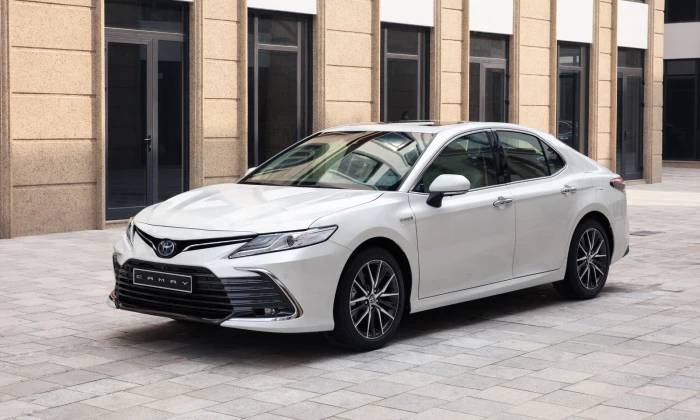
What Oil Does a Toyota Camry Take?
The short answer is that most modern Toyota Camry models use full synthetic SAE 0W20 engine oil. However, the correct Toyota Camry oil type depends on several factors, including model year, engine size, and whether your vehicle is a hybrid. Toyota gradually shifted many of its vehicles toward synthetic oil technology to improve fuel efficiency, reduce engine wear, and extend maintenance intervals.
Below is a quick reference guide:
| Toyota Camry Model Year | Recommended Oil Type | Approximate Oil Capacity |
|---|---|---|
| 2007–2011 | SAE 5W20 or 5W30 | Around 4.5–6 quarts |
| 2012–2017 | Full Synthetic SAE 0W20 | Around 4.6–6.4 quarts |
| 2018–2026 | Full Synthetic SAE 0W20 | Around 4.8–5.7 quarts |
Many owners make the mistake of assuming all Camry models use the same oil. This can lead to lower fuel economy and unnecessary engine stress. Modern engines are designed with tighter internal tolerances, and using oil with the wrong viscosity can negatively affect performance.
If you are unsure, always verify your specific trim and engine configuration in the owner’s manual before performing an oil change.
Toyota Camry Oil Type by Model Year
Toyota Camry 2007–2011 Oil Type
Toyota Camry models from this period commonly came with either four cylinder or V6 engines. Most vehicles used SAE 5W20 oil, although some engine configurations also supported SAE 5W30 depending on climate conditions and driving environments.
Owners of older Camry vehicles often face confusion because internet sources may provide conflicting recommendations. Some drivers switch to thicker oil believing it offers stronger protection. In reality, using oil that is too thick can reduce flow during cold starts and increase strain on engine components.
Approximate oil capacities:
2.4L four cylinder engine: approximately 4.5 quarts
3.5L V6 engine: approximately 6.4 quarts
A common pain point among older Camry owners is increasing oil consumption. Vehicles with higher mileage may benefit from high mileage synthetic oil formulas designed to help reduce leaks and improve seal protection.
Toyota Camry 2012–2017 Oil Type
This generation marked a major transition toward synthetic engine oil technology. Toyota increasingly recommended SAE 0W20 full synthetic oil for improved efficiency and better engine performance.
The primary benefit of thinner synthetic oil is faster circulation during startup. Since a large amount of engine wear occurs during cold starts, oil that reaches internal components quickly can improve long term durability.
Typical oil capacity for many four cylinder engines during this period was around 4.6 quarts.
Many owners noticed improvements in fuel economy after switching to the recommended synthetic oil. Some drivers still attempted to save money by using cheaper conventional oil, but lower upfront cost sometimes resulted in shorter oil change intervals and reduced engine protection.
Fun fact: Toyota began transitioning many vehicle lines toward synthetic oil as fuel economy regulations became stricter and engine technology became more advanced.
Understanding Oil Viscosity: 0W20 vs 5W30
One of the most confusing parts of selecting the correct Toyota Camry oil type is understanding oil viscosity ratings.
Numbers like 0W20 and 5W30 are not random labels. They describe how engine oil performs at different temperatures.
The first number, followed by the letter W, refers to winter performance and indicates how well oil flows during cold starts. Lower numbers flow more easily in cold conditions.
The second number represents oil thickness at operating temperature.
SAE 0W20:
Faster flow during cold starts
Improved fuel economy
Recommended for many modern Camry models
Better efficiency in varying climates
SAE 5W30:
Slightly thicker at operating temperature
Sometimes used in older engines
May provide benefits in hot environments or higher mileage applications
Many people believe thicker oil automatically means better protection. This assumption can create problems. Engines are engineered with specific oil requirements. Oil that is too thick may reduce efficiency and circulate more slowly during startup.
Choosing the correct Toyota Camry oil type is not simply about protection. It is about giving the engine exactly what it was designed to use.
Synthetic vs Conventional Oil for Toyota Camry
One of the biggest questions Toyota Camry owners ask is whether they should use synthetic oil or conventional oil. At first glance, conventional oil appears attractive because of its lower price. However, the long term difference can be much greater than the initial cost at checkout.
Full synthetic oil is engineered to provide cleaner performance and better protection under a wide range of driving conditions. It resists breakdown at high temperatures, performs better during cold starts, and helps maintain engine cleanliness over time. Since modern Toyota Camry engines are designed with tighter tolerances and fuel efficiency targets, synthetic oil often matches the manufacturer’s recommendations.
Benefits of full synthetic oil include:
Improved engine protection
Longer oil change intervals
Better fuel economy
Enhanced cold weather performance
Reduced engine deposits
Conventional oil does offer some advantages. It usually costs less initially and may still be suitable for certain older vehicles with simpler engine designs. However, it tends to degrade faster and often requires more frequent oil changes.
A common mistake many drivers make is focusing only on short term savings. Spending slightly less on oil may seem like a smart choice today, but more frequent maintenance and increased engine wear can become a larger expense later. This is especially important for drivers who regularly face stop and go traffic, long commutes, or extreme weather conditions.
For most modern Toyota Camry models, full synthetic SAE 0W20 remains the preferred option.
How Often Should You Change Toyota Camry Oil?
Using the correct Toyota Camry oil type is only part of proper maintenance. Replacing engine oil at the right interval is equally important for preserving engine health and performance.
Toyota generally recommends oil changes every 10,000 miles or every 12 months for vehicles using full synthetic oil under normal driving conditions. However, driving habits and environment can significantly affect this schedule.
Drivers who frequently experience severe operating conditions may need more frequent service. Examples include:
Heavy traffic with frequent stops
Repeated short trips
Extreme hot or cold climates
Mountain driving
Towing loads
Dusty road conditions
Under these circumstances, many technicians recommend reducing oil change intervals to approximately 5,000 miles.
Many vehicle owners unknowingly wait too long because their car appears to be running normally. Unfortunately, engine oil gradually loses effectiveness over time. Dirty or degraded oil can increase friction and allow harmful contaminants to circulate throughout the engine.
On the opposite side, some drivers spend unnecessary money by changing synthetic oil far too early. Following a balanced maintenance schedule based on real driving habits can help avoid both engine damage and wasted expenses.
Signs You May Be Using the Wrong Toyota Camry Oil Type
Sometimes your vehicle gives warning signs that something is not right. Using the wrong Toyota Camry oil type can create symptoms that drivers often ignore until the problem becomes serious.
Reduced fuel economy is one of the earliest indicators. If the engine must work harder because oil viscosity is incorrect, overall efficiency can decrease.
You may also notice unusual engine noise. Clicking sounds, rough operation, or increased vibration can occur when oil does not properly lubricate internal components.
Other common warning signs include:
Slow acceleration
Engine running rough during startup
Oil warning light activation
Higher engine temperature
Increased oil consumption
Reduced responsiveness
Many owners dismiss these issues as normal aging or routine wear. Unfortunately, waiting too long can lead to expensive repairs.
Modern engines depend on precise lubrication characteristics. Using oil that differs significantly from manufacturer recommendations can reduce performance and potentially shorten engine lifespan.
If you recently changed oil and notice unusual behavior afterward, reviewing the oil specification may help identify the issue before damage progresses.
Frequently Asked Questions
Can I use 5W30 instead of 0W20 in a Toyota Camry?
In some situations, yes. Certain older Toyota Camry models may allow SAE 5W30, especially under specific climate conditions. However, many newer Camry engines are designed specifically for SAE 0W20 full synthetic oil. Using a thicker oil than recommended may reduce fuel economy and affect engine performance. Always consult your owner’s manual before switching oil viscosity.
How much oil does a Toyota Camry need?
Oil capacity varies by model year and engine size. Most Toyota Camry models require between 4.5 and 6.5 quarts of oil, including the oil filter replacement. Four cylinder engines generally require less oil than V6 engines.
Is synthetic oil required for Toyota Camry?
Most newer Toyota Camry models are designed to operate with full synthetic oil. Synthetic oil offers improved protection, cleaner performance, and longer service intervals. Older models may still function with conventional oil, but synthetic oil often provides better long term engine care.
Can I mix different oil types?
Mixing oils in emergencies may help protect the engine temporarily if the correct product is unavailable. However, regularly mixing oil viscosities or combining synthetic and conventional oils is not recommended because it may reduce performance benefits.
Which oil brand is best for Toyota Camry?
Several reputable brands produce quality oil products compatible with Toyota Camry vehicles. Popular options include Mobil 1, Castrol EDGE, Valvoline Advanced Full Synthetic, Pennzoil Platinum, and Toyota Genuine Motor Oil. The most important factor is selecting the correct viscosity and specification rather than focusing only on the brand name.
Conclusion
Choosing the correct Toyota Camry oil type is one of the simplest yet most important decisions you can make to protect your vehicle. While many drivers focus on larger maintenance concerns, engine oil quietly plays a major role in fuel economy, engine performance, and long term reliability.
The right oil is not identical for every Camry. Factors such as model year, engine type, mileage, and driving conditions all influence which option works best. Most newer Toyota Camry models benefit from full synthetic SAE 0W20, while some older vehicles may use different viscosity ratings.
Many costly problems begin with small maintenance mistakes. Reduced efficiency, rough engine behavior, and premature wear can develop slowly and often go unnoticed until repair bills become expensive. Spending a few extra minutes confirming your recommended oil type can help avoid frustration and unnecessary costs later.
If you recently changed your Toyota Camry oil or have experience with different oil types, share your model year and maintenance routine. Your experience may help other owners make better decisions and keep their vehicles running smoothly for years to come.