The 5.9 Cummins oil capacity varies by engine generation and service condition. Most 5.9L Cummins diesel engines hold about 12 quarts (11.4 liters) of engine oil when you replace the oil filter. However, some model years have slightly different factory specifications. Always check your owner’s manual before adding oil.
Using the correct oil capacity protects the engine from unnecessary wear. Too little oil reduces lubrication and increases operating temperatures. Too much oil creates excessive crankcase pressure and causes oil foaming. Both problems can shorten turbocharger and engine life.
The 5.9L Cummins engine powers Dodge Ram 2500 and 3500 trucks known for long-term reliability. Even so, reliability depends on proper maintenance. Owners should choose the correct oil viscosity, install a quality oil filter, and follow the recommended oil change interval. Checking the dipstick after every oil change also helps maintain the proper oil level.
This guide explains the correct 5.9 Cummins oil capacity for every engine generation. It also covers the recommended oil type, factory oil specifications, oil change intervals, and common maintenance mistakes. By the end of this guide, you will know exactly how much oil your 5.9 Cummins needs and how to keep it running efficiently for many years.
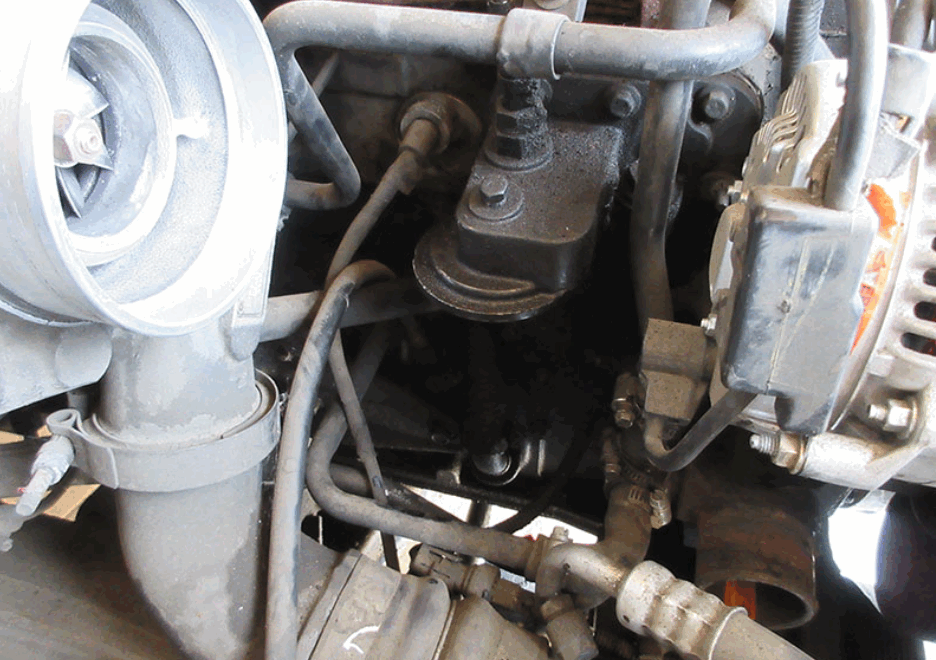
What Is the Oil Capacity of a 5.9 Cummins Engine?
The 5.9 Cummins oil capacity is approximately 12 quarts (11.4 liters) for most service applications that include a new oil filter. This specification applies to the majority of 5.9L Cummins engines used in Dodge Ram 2500 and 3500 trucks. Although the capacity remains consistent across many model years, owners should always confirm the factory specification for their specific engine before performing an oil change.
The total oil capacity includes both the crankcase and the oil filter. Installing a new filter increases the amount of oil the lubrication system can hold. If you refill the engine without replacing the filter, the required oil volume may be slightly lower because the old filter already contains engine oil. For this reason, professional technicians replace the oil filter during every scheduled oil service to maintain proper lubrication and ensure accurate oil capacity.
Oil capacity plays an important role in engine performance and durability. The correct oil level allows the oil pump to maintain stable pressure throughout the lubrication system. It also provides adequate cooling for internal components such as the crankshaft, connecting rod bearings, camshaft, and turbocharger. When the engine contains the recommended amount of oil, these components receive continuous lubrication under normal driving conditions, heavy towing, and extended highway operation.
After adding fresh oil, start the engine and let it idle for several minutes. This process fills the new oil filter and circulates oil through the entire lubrication system. Next, turn the engine off and wait about five minutes before checking the dipstick. Add small amounts of oil only if necessary until the level reaches the Full mark. This final inspection provides a much more accurate reading than filling the engine with a fixed amount of oil and assuming the level is correct.
Does Oil Capacity Change by 5.9 Cummins Model Year?
The 5.9 Cummins oil capacity remains close to 12 quarts (11.4 liters) for most engine generations. However, the exact service fill can vary slightly because Cummins updated the lubrication system, oil pan design, and oil filter throughout the engine’s production. These changes do not significantly increase or reduce the total capacity, but they make it important to verify the specification for your model year before every oil change.
The first-generation 12-valve 5.9 Cummins engines, produced from 1989 to 1998, use a simple and durable lubrication system that holds approximately 12 quarts of engine oil with a new filter. Owners often choose high-quality 15W-40 diesel engine oil because it provides excellent wear protection under heavy loads and high operating temperatures. This engine family has a reputation for long service life when owners follow the recommended maintenance schedule.
The 24-valve 5.9 Cummins, introduced in 1998.5, continued to use a similar oil capacity despite major improvements in engine performance. Later Common Rail models built between 2003 and 2007 also maintained nearly the same service fill. Although fuel injection technology changed significantly, Cummins kept the lubrication system consistent enough that oil capacity remained familiar to technicians and truck owners. This consistency makes routine maintenance easier across different model years.
The table below provides a quick reference for the most common factory specifications. Always use it as a starting point, then confirm the exact capacity in the owner’s manual or official Cummins service documentation for your engine.
| Model Year | Engine Generation | Oil Capacity | Oil Capacity | Recommended Oil |
|---|---|---|---|---|
| 1989–1998 | 12-Valve | 12 quarts | 11.4 liters | SAE 15W-40 |
| 1998.5–2002 | 24-Valve | 12 quarts | 11.4 liters | SAE 15W-40 |
| 2003–2004 | Common Rail | 12 quarts | 11.4 liters | SAE 15W-40 |
| 2004.5–2007 | Common Rail | 12 quarts | 11.4 liters | SAE 15W-40 or 5W-40 |
This reference helps owners purchase the correct amount of oil before service. It also reduces the risk of overfilling or underfilling the engine. Even when the listed capacity is the same, checking the dipstick after the final refill remains the best way to confirm the correct oil level.
Which Oil Type Is Best for a 5.9 Cummins?
Choosing the correct engine oil is just as important as using the proper 5.9 Cummins oil capacity. Cummins recommends selecting an oil that meets the required viscosity grade and API diesel engine specifications. The right oil forms a protective film between moving components, reduces friction, controls engine temperature, and helps prevent harmful deposits. Using the wrong oil may reduce lubrication performance and increase engine wear over time.
For most operating conditions, SAE 15W-40 remains the preferred choice for the 5.9 Cummins engine. This viscosity provides reliable protection in warm and moderate climates while maintaining stable oil pressure under heavy loads. Many truck owners use 15W-40 because it performs well during towing, hauling, and long-distance driving. It also meets the needs of engines that regularly operate at normal or high working temperatures.
Drivers who live in colder regions often choose SAE 5W-40 full synthetic oil instead. This oil flows more quickly during cold starts and reaches critical engine components faster than conventional oil. Better cold-weather performance reduces startup wear and improves lubrication before the engine reaches operating temperature. Full synthetic oil also offers greater resistance to oxidation and thermal breakdown, making it a popular option for trucks that experience extreme temperatures.
Oil quality matters as much as viscosity. Cummins recommends diesel engine oils that meet current API CK-4 specifications or earlier approved standards when appropriate for the engine model. High-quality diesel oil contains additives that control soot, reduce sludge formation, and protect internal engine parts from corrosion. These additives also help maintain consistent lubrication during extended service intervals.
Selecting a trusted oil brand further improves long-term reliability. Products from Shell Rotella, Mobil Delvac, Valvoline Premium Blue, Chevron Delo, and AMSOIL are widely used in 5.9 Cummins engines because they meet the required performance standards. Regardless of the brand you choose, always combine the correct oil type with the recommended oil capacity and replace the oil filter during every service. Following these practices helps maximize engine life and keeps the lubrication system operating at peak efficiency.
How Do You Change the Oil on a 5.9 Cummins Correctly?
Changing the oil correctly helps protect the engine and ensures the 5.9 Cummins oil capacity reaches the proper level. A complete oil change removes contaminated oil, replaces the old filter, and restores the lubrication system with clean engine oil. Following the correct procedure also reduces the risk of oil leaks, inaccurate dipstick readings, and premature engine wear.
Begin the service by warming the engine for several minutes. Warm oil flows more easily and carries away more contaminants during draining. Park the truck on a level surface, switch off the engine, and allow it to cool slightly. Place a drain pan beneath the oil pan before removing the drain plug. Once the plug is removed, let the engine drain completely. Rushing this step leaves old oil inside the crankcase and reduces the effectiveness of the oil change.
After the oil has drained, remove the old oil filter and inspect the sealing surface. Clean the mounting area before installing the new filter. Apply a thin layer of fresh engine oil to the rubber gasket, then tighten the filter according to the manufacturer’s instructions. This simple step helps create a proper seal and makes the filter easier to remove during the next service. Reinstall the drain plug and tighten it to the recommended torque specification before adding fresh oil.
Pour in approximately 12 quarts (11.4 liters) of the recommended engine oil if you replace the filter. Avoid adding the entire amount too quickly. Instead, leave a small margin and verify the oil level after the engine has circulated the new oil. Start the engine and let it idle for two to three minutes. Check around the drain plug and oil filter for leaks before shutting the engine off.
Wait at least five minutes before checking the dipstick. This pause allows the oil to return to the oil pan and provides an accurate reading. Add small amounts of oil if the level remains below the Full mark, but never overfill the crankcase. A careful final inspection confirms that the lubrication system contains the correct oil capacity and is ready for normal driving, towing, or heavy-duty operation.
How Often Should You Change Oil in a 5.9 Cummins?
Changing the engine oil at the proper interval is one of the most effective ways to extend the life of a 5.9 Cummins engine. Fresh oil reduces friction, removes contaminants, and protects critical components from excessive wear. Although the 5.9 Cummins oil capacity remains consistent for most models, the oil change interval depends on how the truck operates. Factors such as towing, frequent idling, heavy payloads, and driving conditions all influence how quickly the oil degrades.
For trucks used under normal driving conditions, Cummins generally recommends changing the engine oil every 7,500 to 10,000 miles or every six months, whichever comes first. Normal service includes daily commuting, highway driving, and light-duty hauling. Even if the truck travels fewer miles, engine oil gradually loses its protective properties because of oxidation, moisture, and contamination. Following a time-based maintenance schedule helps maintain consistent engine protection throughout the year.
Trucks that tow heavy trailers or carry substantial loads require more frequent oil changes. High engine temperatures place additional stress on the lubrication system and accelerate oil breakdown. Dusty environments, repeated short trips, and extended idling also shorten oil life because contaminants accumulate more quickly. Under these severe operating conditions, many diesel technicians recommend changing the oil every 5,000 to 7,500 miles to maintain optimal lubrication and engine reliability.
Oil quality also affects service intervals. Full synthetic diesel engine oil typically provides better resistance to heat, oxidation, and viscosity breakdown than conventional oil. However, synthetic oil does not eliminate the need for routine maintenance. Owners should continue checking the oil level regularly, inspecting the oil condition, and replacing the oil filter during every service. A clean filter removes soot and debris before they circulate through the engine, helping fresh oil perform as intended.
The best maintenance schedule combines factory recommendations with actual driving conditions. Recording every oil change, using the correct oil viscosity, and maintaining the proper 5.9 Cummins oil capacity help preserve engine performance for hundreds of thousands of miles. Consistent maintenance not only reduces repair costs but also improves long-term reliability, fuel efficiency, and overall engine durability.
What Happens If You Add Too Much or Too Little Oil?
Maintaining the correct 5.9 Cummins oil capacity is essential for engine performance and long-term reliability. Both overfilling and underfilling can damage critical engine components, even if the difference is only one or two quarts. The lubrication system depends on the proper oil level to maintain stable pressure, reduce friction, and remove heat from internal parts. Checking the dipstick after every oil change remains the most reliable way to confirm the engine contains the correct amount of oil.
Adding too much oil can create serious lubrication problems. When the oil level rises above the recommended limit, the crankshaft begins to churn the oil instead of rotating above it. This action introduces air into the oil and creates foam. Foamy oil cannot maintain consistent pressure because the oil pump circulates a mixture of oil and air instead of pure lubricant. As lubrication quality decreases, engine bearings, camshaft components, and the turbocharger receive less protection. Excess oil can also increase crankcase pressure, leading to oil leaks around seals and gaskets.
Running the engine with too little oil creates an even greater risk. A low oil level reduces the amount of lubricant available for the oil pump, especially during hard acceleration, steep inclines, or heavy towing. As oil pressure drops, moving components lose the protective oil film that prevents direct metal-to-metal contact. This condition increases friction, raises engine temperature, and accelerates wear on bearings, pistons, and valve train components. Continued operation with insufficient oil may eventually result in severe engine damage or turbocharger failure.
Several warning signs can indicate an incorrect oil level. Drivers may notice a low oil pressure warning light, abnormal engine noise, excessive exhaust smoke, oil leaks, or a burning oil smell after driving. In some cases, engine performance may also decline because the lubrication system cannot operate efficiently. These symptoms should never be ignored because minor lubrication problems can quickly develop into expensive mechanical repairs.
The safest approach is to refill the engine gradually and verify the oil level after circulation. Start the engine for several minutes, allow the oil to return to the oil pan, and then check the dipstick on level ground. Add oil in small amounts if necessary until the level reaches the Full mark without exceeding it. Following this simple procedure helps maintain the correct 5.9 Cummins oil capacity, protects the lubrication system, and supports reliable engine operation under every driving condition.
What Are the Most Common Questions About 5.9 Cummins Oil Capacity?
Many owners have similar questions when maintaining a 5.9 Cummins engine. The answers below clarify common concerns and help prevent mistakes during routine oil changes.
How many quarts of oil does a 5.9 Cummins hold?
Most 5.9 Cummins engines require approximately 12 quarts (11.4 liters) of engine oil when replacing the oil filter. The exact amount may vary slightly by model year, so always verify the factory specification before adding fresh oil.
Does replacing the oil filter change the oil capacity?
Yes. A new oil filter holds a small amount of engine oil, which increases the total service fill. If you replace the filter during an oil change, the engine requires more oil than it would without a filter replacement. This is one reason why technicians recommend changing the oil filter during every scheduled service.
Can I use 5W-40 instead of 15W-40?
Yes. SAE 5W-40 full synthetic oil works well in cold climates because it flows more quickly during engine startup. SAE 15W-40 remains the preferred choice for normal temperatures and heavy-duty applications. Both viscosity grades provide excellent protection when they meet the required API diesel engine specifications.
What is the best oil for a 5.9 Cummins?
The best oil is one that meets Cummins’ recommended viscosity and API performance standards. High-quality diesel engine oils from reputable manufacturers provide strong wear protection, soot control, and thermal stability. Selecting the proper oil for your climate and driving conditions helps maximize engine durability.
What happens if I accidentally add one extra quart of oil?
A slight overfill may not cause immediate damage, but it should not be ignored. Excess oil can increase crankcase pressure and reduce lubrication efficiency if the oil level rises above the safe operating range. Check the dipstick immediately and remove excess oil if the level exceeds the Full mark.
How often should I check the engine oil level?
Check the oil level at least once a month and before long trips, heavy towing, or extended highway driving. Regular inspections help detect leaks, excessive oil consumption, and other lubrication issues before they become serious mechanical problems.
Can I rely only on the published oil capacity?
No. The published capacity provides an excellent starting point, but the dipstick always provides the final confirmation. Small differences in filter size, oil cooler design, and residual oil inside the engine can slightly affect the final refill amount. Always verify the oil level after the engine has circulated the new oil.
Conclusion
The 5.9 Cummins oil capacity is approximately 12 quarts (11.4 liters) for most service applications with a new oil filter. Although this specification remains consistent across many model years, confirming the factory recommendation for your specific engine is always the safest approach. Filling the engine with the correct amount of oil helps maintain stable oil pressure, protects internal components, and supports reliable long-term performance.
Proper maintenance involves more than adding the correct oil capacity. Choosing the appropriate oil viscosity, replacing the oil filter during every service, and following the recommended oil change interval all contribute to a healthy lubrication system. Regular dipstick inspections also help identify overfilling, low oil levels, or abnormal oil consumption before they develop into costly repairs.
Whether your truck serves as a daily driver, a work vehicle, or a dedicated towing machine, consistent maintenance remains the key to engine longevity. Following Cummins service recommendations and using high-quality diesel engine oil will help your 5.9 Cummins deliver dependable performance for many years and hundreds of thousands of miles.