If your Subaru has started idling roughly, struggling to accelerate, or consuming more fuel than usual, worn spark plugs could be the hidden culprit. Although spark plugs are relatively small components, they play a critical role in your engine’s performance by igniting the air and fuel mixture inside each cylinder. When they begin to fail, even the most reliable Subaru can experience reduced efficiency, misfires, and frustrating drivability issues.
Unlike many other vehicles, Subaru models are equipped with Boxer engines, which feature a horizontally opposed cylinder layout. While this design contributes to better balance and handling, it also makes routine maintenance tasks such as spark plug replacement more challenging due to the limited working space around the engine. As a result, many Subaru owners hesitate to tackle this job themselves.
The good news is that replacing Subaru spark plugs is entirely manageable with the right tools, proper preparation, and a clear understanding of the process. Whether you own a Forester, Outback, Impreza, Legacy, or WRX, this comprehensive guide will walk you through every step of the replacement procedure. You will learn how to identify the signs of worn spark plugs, gather the necessary tools, safely remove the old plugs, install new ones correctly, and avoid common mistakes that could lead to costly repairs.
By the end of this guide, you will have the confidence to decide whether a DIY spark plug replacement is the right choice for you or if seeking professional assistance would be the better option.
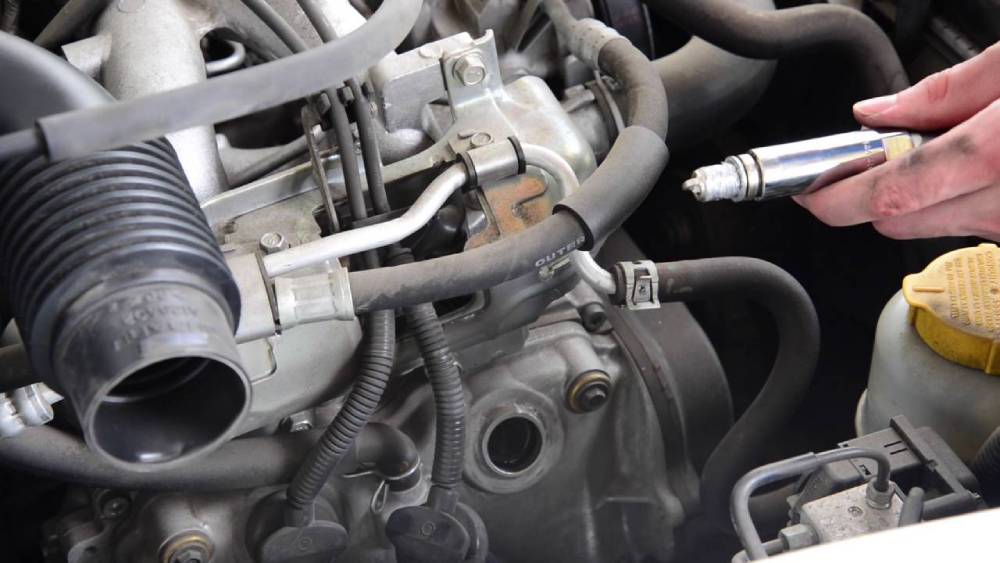
What Are Spark Plugs and Why Do They Matter in a Subaru?
Spark plugs are small yet essential components that ignite the compressed air and fuel mixture inside your engine’s combustion chambers. Each time you start your Subaru and press the accelerator, the spark plugs create the electrical spark necessary to generate power. Without properly functioning spark plugs, the combustion process becomes inefficient, leading to poor performance and potential engine damage over time.
In Subaru vehicles, spark plugs play an even more critical role because of the brand’s distinctive Boxer engine design. Unlike conventional inline engines, Subaru’s horizontally opposed layout positions the cylinders on either side of the engine bay. This configuration provides excellent balance, lower center of gravity, and improved handling characteristics. However, it also means that accessing the spark plugs requires working in tighter spaces, making replacement more challenging for inexperienced DIY enthusiasts.
When spark plugs begin to wear out, the electrodes gradually deteriorate, resulting in weaker sparks and inconsistent combustion. Drivers may notice rough idling, hesitation during acceleration, reduced fuel economy, or difficulty starting the vehicle. Ignoring these symptoms can eventually lead to engine misfires, increased emissions, and additional strain on the ignition system. Replacing spark plugs at the recommended intervals helps maintain smooth engine operation, optimal fuel efficiency, and the reliable performance Subaru owners expect from their vehicles.
Signs Your Subaru Needs Spark Plugs Replacement
Recognizing the early warning signs of failing spark plugs can help prevent more serious mechanical problems. One of the most common symptoms is engine misfiring. A misfire occurs when one or more cylinders fail to ignite properly, causing the engine to stumble, hesitate, or feel uneven during operation. This issue may become particularly noticeable during acceleration or when climbing hills.
Another frequent indication is rough idling. If your Subaru vibrates excessively while stopped at traffic lights or idles inconsistently, worn spark plugs could be disrupting the combustion process. Drivers may also observe a decline in fuel efficiency. Because faulty spark plugs cannot ignite the air and fuel mixture effectively, the engine often compensates by consuming more gasoline to maintain performance.
Difficulty starting the engine is another warning sign that should not be overlooked. If your Subaru requires multiple attempts to start, especially in cold weather, deteriorating spark plugs may be struggling to generate adequate spark energy. Reduced acceleration and sluggish throttle response can also occur as combustion efficiency declines.
In many cases, the Check Engine Light may illuminate due to misfire-related diagnostic trouble codes. While this warning light can indicate various issues, combining it with the symptoms mentioned above should prompt an inspection of the spark plugs. Addressing the problem early not only restores engine performance but also helps avoid costly repairs involving catalytic converters or ignition components.
How Often Should You Replace Subaru Spark Plugs?
Subaru recommends replacing spark plugs according to the maintenance schedule outlined in the owner’s manual, although the exact interval may vary depending on the model year and engine type. Many modern Subaru vehicles equipped with iridium spark plugs require replacement approximately every 60,000 to 100,000 miles. Since iridium plugs are designed for long service life, they typically provide consistent performance throughout much of their lifespan.
However, replacement intervals should not be viewed as rigid rules. Driving habits and environmental conditions can significantly affect spark plug longevity. Frequent short trips, heavy stop and go traffic, towing, and prolonged idling can accelerate wear by exposing the plugs to repeated heating and cooling cycles. Similarly, poor fuel quality and unresolved engine issues such as oil leaks can contaminate spark plugs and shorten their useful life.
Owners of turbocharged Subaru models may also benefit from more frequent inspections. Turbocharged engines often operate under higher temperatures and increased cylinder pressures, placing additional demands on the ignition system. Monitoring performance symptoms and adhering to preventive maintenance practices can help identify spark plug issues before they compromise engine reliability.
Ultimately, the best approach is to combine Subaru’s recommended maintenance schedule with regular observation of your vehicle’s behavior. If symptoms such as misfires, rough idling, or decreased fuel economy appear before the scheduled replacement interval, inspecting the spark plugs sooner may save both time and money. Staying proactive with spark plug maintenance ensures that your Subaru continues to deliver the efficiency, responsiveness, and dependability it was engineered to provide.
Tools Needed for Subaru Spark Plugs Replacement
Before beginning a Subaru spark plugs replacement, gathering the proper tools and preparing your workspace can make the entire process significantly easier. Since Subaru Boxer engines offer limited access to the spark plugs, using the correct equipment reduces frustration and minimizes the risk of damaging engine components.
A spark plug socket is one of the most important tools required for the job. These sockets are specifically designed to hold the spark plug securely during removal and installation. Pairing the socket with a ratchet and several extensions allows you to reach plugs located deep within the cylinder heads. In some Subaru models, universal joints or swivel adapters may also be necessary to navigate tight spaces around the engine bay.
A torque wrench is equally essential. Spark plugs must be tightened according to the manufacturer’s specifications to ensure a proper seal without damaging the cylinder head threads. Over tightening can strip the threads, while under tightening may lead to poor heat transfer or combustion leaks. Always consult your vehicle’s service manual for the correct torque values.
Additional tools and supplies may include dielectric grease for ignition coil boots, a flashlight for improved visibility, compressed air to clean debris around the plug wells, protective gloves, and a magnetic pickup tool in case small parts are dropped during the process. If the replacement spark plugs require gap adjustment, a spark plug gap tool should also be available. However, many modern iridium plugs arrive pre gapped and should not be altered unless specifically instructed by the manufacturer.
Safety preparation is just as important as having the right tools. Ensure the engine has cooled completely before beginning work to prevent burns and reduce the likelihood of thread damage. Parking the vehicle on a level surface and organizing tools beforehand creates a safer and more efficient working environment.
Step by Step Subaru Spark Plugs Replacement Guide
Start by parking your Subaru on a flat surface, engaging the parking brake, and allowing the engine to cool completely. Working on a hot engine can increase the risk of injury and make spark plug removal more difficult. Once the engine has cooled, open the hood and identify any components that may obstruct access to the spark plugs. Depending on the model, this may include the air intake assembly, battery, or windshield washer fluid reservoir.
After creating sufficient workspace, locate the ignition coils positioned near each cylinder head. Carefully disconnect the electrical connectors attached to the coils by releasing the locking tabs without forcing them. Remove the bolts securing the ignition coils and gently pull the coils out of their respective openings. Setting them aside in an organized manner helps ensure they return to their original locations during reassembly.
Before removing the old spark plugs, use compressed air or a clean brush to eliminate dirt and debris from the surrounding area. This step prevents contaminants from falling into the combustion chamber once the plugs are extracted. Using a spark plug socket, extension, and ratchet, slowly loosen each spark plug by turning it counterclockwise. If resistance is excessive, avoid applying sudden force and proceed carefully to reduce the risk of thread damage.
Once removed, inspect the old spark plugs for signs of abnormal wear. Light tan deposits typically indicate normal operation, while excessive carbon buildup, oil contamination, or damaged electrodes may point to underlying engine concerns that warrant further investigation.
When installing the new spark plugs, thread each plug into the cylinder head by hand first. This practice helps prevent cross threading, which can result in expensive repairs. After confirming the plug is properly seated, tighten it using a torque wrench according to Subaru’s recommended specifications. Apply dielectric grease to the ignition coil boots if appropriate, then reinstall the coils and reconnect their electrical connectors.
Finally, reinstall any components removed earlier in the process. Double check all connections, ensure no tools remain inside the engine bay, and start the engine. Listen for unusual noises and verify that the engine idles smoothly. A short test drive can confirm that the replacement was successful and that your Subaru is performing as expected.
OEM vs Aftermarket Spark Plugs for Subaru
Choosing the right spark plugs is an important part of maintaining your Subaru’s reliability and performance. Many owners wonder whether they should select original equipment manufacturer plugs or explore aftermarket alternatives. Understanding the differences between these options can help you make an informed decision.
OEM spark plugs are designed specifically for Subaru engines and are typically supplied by manufacturers such as NGK or Denso. These plugs meet Subaru’s exact engineering specifications regarding heat range, electrode design, and durability. Because they are developed to complement the characteristics of Boxer engines, OEM spark plugs generally provide predictable performance and long term reliability. For most drivers, especially those seeking a straightforward maintenance experience, OEM components remain the safest choice.
Aftermarket spark plugs, on the other hand, may offer enhanced materials or specialized features intended to improve certain aspects of engine performance. High quality aftermarket iridium plugs from reputable brands can perform exceptionally well when they match Subaru’s recommended specifications. Some enthusiasts choose these options in modified or performance oriented applications where specific ignition characteristics are desired.
Material selection also plays a role in spark plug performance and longevity. Iridium spark plugs are commonly recommended for modern Subaru models because of their exceptional durability and ability to maintain a consistent spark over extended mileage intervals. Platinum plugs offer respectable service life but generally do not match the longevity of iridium designs. Conventional copper spark plugs provide excellent conductivity but require more frequent replacement and are less common in newer Subaru vehicles.
Regardless of the brand selected, it is essential to avoid inexpensive spark plugs that fail to meet the manufacturer’s requirements. An incorrect heat range or incompatible design can contribute to misfires, reduced fuel efficiency, and potential engine damage. Consulting your owner’s manual or a trusted automotive professional ensures that the chosen spark plugs align with your Subaru’s specific engine configuration and maintenance needs.
Common Mistakes to Avoid During Subaru Spark Plugs Replacement
Replacing spark plugs may appear to be a straightforward maintenance task, but several common mistakes can lead to unnecessary expenses and performance issues. Understanding these pitfalls before beginning the job can help ensure a successful replacement.
One of the most serious mistakes is cross threading the spark plugs during installation. Because Subaru engines use aluminum cylinder heads, damaged threads can be costly to repair. To avoid this problem, always start threading new spark plugs by hand before using any tools. If resistance is felt immediately, remove the plug and try again rather than forcing it into place.
Improper tightening is another frequent issue. Over tightening can damage the spark plug or strip the cylinder head threads, while under tightening may result in poor heat dissipation and combustion leaks. Using a torque wrench and following Subaru’s specified torque values provides the best protection against these problems.
Attempting to replace spark plugs while the engine is still hot can also create complications. Metal expands as temperatures rise, increasing the risk of thread damage during removal or installation. Waiting until the engine has cooled completely allows the process to proceed more safely and smoothly.
Some owners accidentally mix up ignition coils or fail to reconnect electrical connectors securely. This oversight can trigger engine misfires and illuminate the Check Engine Light after reassembly. Organizing components carefully and double checking all connections before starting the engine can prevent unnecessary troubleshooting later.
Another commonly overlooked issue is ignoring signs of oil contamination inside the spark plug wells. Oil may indicate leaking valve cover gaskets or deteriorated spark plug tube seals. Simply replacing the spark plugs without addressing these underlying concerns may only provide a temporary solution.
Finally, using the wrong type of spark plug can negatively impact engine performance. Subaru engineers specify particular heat ranges and designs for each engine. Installing incompatible plugs may reduce efficiency, increase emissions, or contribute to long term engine problems. Verifying compatibility before purchase is a critical step that should never be skipped.
Subaru Spark Plugs Replacement Cost
Understanding the potential cost of Subaru spark plugs replacement helps owners determine whether a do it yourself approach or professional service is the better option. The overall expense depends on factors such as the specific Subaru model, the type of spark plugs selected, and local labor rates.
For drivers who choose the DIY route, costs are generally limited to replacement parts and any specialized tools that may be required. A set of high quality iridium spark plugs often represents the largest expense. If tools such as a torque wrench, spark plug socket, or swivel extension are already available, the total investment remains relatively affordable. Many Subaru owners view DIY replacement as an opportunity to reduce maintenance expenses while gaining a better understanding of their vehicles.
Professional replacement services involve both parts and labor charges. Labor costs tend to be higher for Subaru vehicles because the Boxer engine layout restricts access to the spark plugs. Technicians may need additional time to remove surrounding components and maneuver tools within the confined engine bay. Although this increases the final invoice compared to some other vehicle brands, experienced technicians can often complete the procedure efficiently and with minimal risk.
Paying for professional service may be worthwhile in several situations. Owners with limited mechanical experience, those lacking the necessary tools, or individuals who encounter complications such as oil leaks or damaged ignition components may benefit from expert assistance. While professional service carries a higher upfront cost, it can provide peace of mind and help prevent expensive mistakes.
Ultimately, the decision should balance budget considerations with confidence in performing the task correctly. Whether completed at home or by a qualified mechanic, replacing spark plugs remains an important investment in maintaining your Subaru’s reliability and performance.
Should You Replace Subaru Spark Plugs Yourself?
Deciding whether to perform Subaru spark plugs replacement on your own depends largely on your experience level, available tools, and comfort working within the limited space of a Boxer engine.
DIY replacement can be a rewarding option for owners who possess basic automotive knowledge and enjoy hands on maintenance. Following a detailed guide, using proper equipment, and exercising patience throughout the process often leads to successful results. Completing the job independently can also reduce labor expenses and provide a greater appreciation for the engineering behind your Subaru.
However, it is important to recognize the challenges involved. The confined working area around the cylinder heads may require specialized extensions, careful hand positioning, and additional time. For individuals unfamiliar with torque specifications or ignition system components, the possibility of mistakes such as cross threading or incomplete reassembly can be intimidating.
Professional assistance may be the more practical choice for certain owners. Drivers of turbocharged Subaru models, vehicles with existing performance concerns, or cars exhibiting signs of oil contamination near the spark plugs should consider seeking help from experienced technicians. Professional diagnosis can identify related issues that may otherwise go unnoticed during a routine spark plug replacement.
There is no universally correct answer regarding the DIY versus professional service debate. The best approach depends on your personal circumstances and confidence level. If you enjoy learning new skills and have access to the necessary tools, replacing your own spark plugs can be a satisfying maintenance project. If uncertainty exists, entrusting the job to qualified professionals ensures the work is completed according to manufacturer standards.
Regardless of the method chosen, keeping up with recommended spark plug maintenance intervals contributes significantly to engine efficiency, smoother operation, and the long term dependability that Subaru owners value.
Frequently Asked Questions About Subaru Spark Plugs Replacement
Can I drive with worn spark plugs?
While it may be possible to continue driving with worn spark plugs for a short period, doing so is not recommended. Faulty spark plugs can lead to engine misfires, poor fuel economy, rough idling, and reduced acceleration. If left unresolved, the excess fuel caused by incomplete combustion may damage the catalytic converter, resulting in much more expensive repairs. Addressing spark plug issues promptly helps maintain both performance and reliability.
How long does Subaru spark plugs replacement take?
The time required varies depending on the Subaru model and the experience level of the person performing the work. An experienced technician may complete the replacement within one to two hours. For first time DIY enthusiasts, the process can take considerably longer due to the limited space around the Boxer engine and the need to carefully remove and reinstall surrounding components. Taking your time is often the best approach to ensure the job is completed correctly.
Do ignition coils need to be replaced at the same time?
Ignition coils do not automatically require replacement whenever spark plugs are changed. However, if a coil shows signs of damage, causes recurring misfires, or has reached the end of its service life, replacing it may be advisable. During spark plug replacement, inspecting the ignition coils for cracks, corrosion, or oil contamination can help identify potential problems before they worsen.
Should new spark plugs be gapped before installation?
Many modern iridium spark plugs designed for Subaru vehicles come pre gapped from the manufacturer. Even so, verifying the gap against Subaru’s specifications is a good practice. If adjustment is necessary, it should be performed carefully to avoid damaging the delicate iridium electrode. Always follow the recommendations provided by both Subaru and the spark plug manufacturer.
Why is spark plug replacement more difficult on Subaru vehicles?
The Boxer engine configuration places the cylinders horizontally on opposite sides of the engine bay. This design contributes to Subaru’s renowned stability and handling characteristics but also limits access to the spark plugs. As a result, technicians and DIY mechanics often work within tighter spaces than they would encounter on vehicles equipped with traditional inline engines.
Will replacing spark plugs improve fuel economy?
If the old spark plugs were worn or malfunctioning, installing new ones can restore efficient combustion and improve fuel economy. Drivers frequently report smoother acceleration, more consistent engine performance, and easier starting after replacing deteriorated spark plugs. Although the improvement varies depending on the condition of the original plugs, proper ignition system maintenance plays an important role in maximizing overall efficiency.
Conclusion
Subaru spark plugs replacement is one of the most important maintenance procedures for preserving engine performance, fuel efficiency, and long term reliability. Although the Boxer engine layout presents unique challenges compared with conventional engine designs, the task becomes far more manageable when approached with the proper tools, careful preparation, and a clear understanding of each step involved.
Throughout this guide, we have explored the warning signs of failing spark plugs, discussed appropriate replacement intervals, outlined the tools needed for the job, and provided a detailed step by step process for completing the replacement safely. We have also examined common mistakes that should be avoided, compared OEM and aftermarket spark plug options, and considered the advantages of both DIY maintenance and professional service.
For Subaru owners with mechanical experience and patience, replacing spark plugs at home can be a rewarding way to save money while developing a stronger connection with their vehicle. For others, entrusting the task to qualified technicians may provide valuable peace of mind. Neither approach is inherently right or wrong. The most important factor is ensuring that the maintenance is completed correctly and at the appropriate intervals.
Do not wait until severe misfires, persistent warning lights, or declining fuel economy force you to take action. Regular spark plug maintenance helps your Subaru continue delivering the smooth performance, dependable operation, and driving confidence that have made the brand a favorite among enthusiasts and everyday drivers alike. By staying proactive and following recommended service guidelines, you can keep your Subaru running at its best for many miles to come.