Your Subaru is built for reliability, but even the most dependable vehicles require scheduled maintenance to keep performing at their best. One of the most important services for older Subaru models is timing belt replacement. While many owners are aware that this maintenance is necessary, far fewer understand how much it actually costs or what factors influence the final bill.
The truth is that delaying a timing belt replacement can become an expensive mistake. In interference engines commonly found in certain Subaru models, a broken timing belt can cause severe internal engine damage, leading to repair costs that can easily exceed several thousand dollars. Unfortunately, many drivers postpone this service because they are uncertain about the expected expense or are unsure whether their Subaru uses a timing belt or a timing chain.
So, how much does a Subaru timing belt replacement cost in 2026? The answer depends on several factors, including your specific Subaru model, local labor rates, the type of replacement parts used, and whether additional components such as the water pump and tensioners are replaced during the same service appointment.
In this comprehensive guide, we will break down the average Subaru timing belt replacement cost, compare prices by model, explain the factors that affect repair expenses, and provide practical tips to help you save money without compromising your vehicle’s reliability. Whether you own a Forester, Outback, Legacy, Impreza, or WRX, this guide will help you make informed maintenance decisions and avoid costly surprises down the road.
What Is the Average Subaru Timing Belt Replacement Cost in 2026?
One of the first questions Subaru owners ask is how much they should expect to pay for a timing belt replacement. In 2026, the average Subaru timing belt replacement cost typically ranges from $600 to $1,400, depending on several factors such as the vehicle model, labor rates in your area, and whether additional components are replaced during the service.
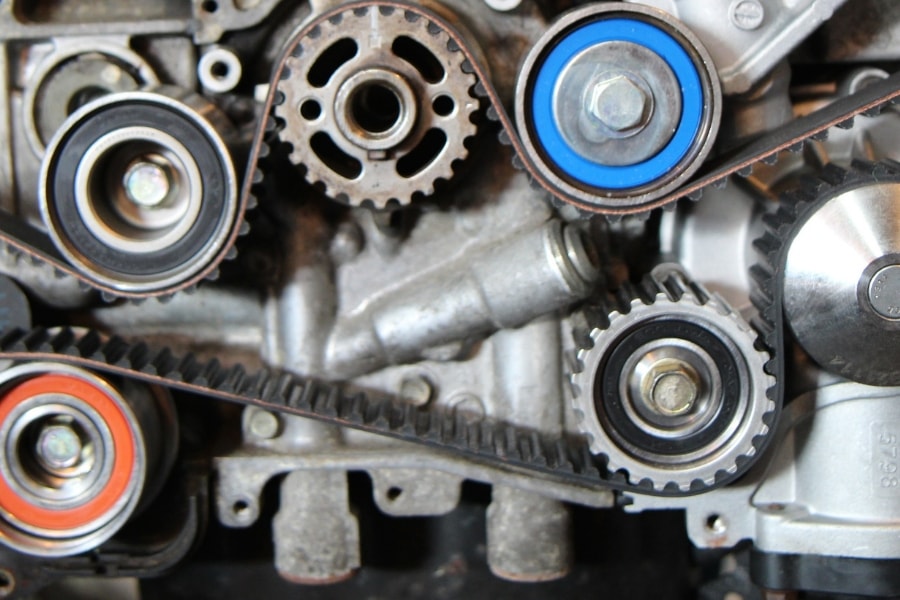
For drivers who only need the timing belt itself replaced, the bill may fall on the lower end of the spectrum. However, most professional technicians recommend installing a complete timing belt kit, which often includes tensioners, idler pulleys, and related hardware. Although this increases the upfront cost, it significantly reduces the risk of future failures and additional labor charges.
Another major factor affecting the final price is where the service is performed. Subaru dealerships generally charge higher labor rates due to specialized training and the use of genuine OEM parts. Independent repair shops, particularly those with experience working on Subaru vehicles, may offer more competitive pricing without sacrificing quality.
The table below provides a general overview of what Subaru owners can expect to pay in 2026.
| Service Type | Estimated Cost |
|---|---|
| Timing belt replacement only | $500 to $850 |
| Timing belt kit replacement | $700 to $1,200 |
| Timing belt and water pump replacement | $800 to $1,500 |
| Subaru dealership service | $900 to $1,700 |
| Independent repair shop | $600 to $1,200 |
Although timing belt replacement may seem expensive, it is considerably less costly than repairing an engine damaged by belt failure. Viewing this service as preventive maintenance rather than an unexpected expense can help owners better plan for long term vehicle ownership.
Subaru Timing Belt Replacement Cost by Model
Not every Subaru owner will pay the same amount for timing belt service. The specific model you drive plays a significant role in determining the overall repair cost. Differences in engine design, labor requirements, and replacement parts all contribute to pricing variations.
Subaru Outback
Older Subaru Outback models equipped with timing belts generally cost between $700 and $1,300 for a complete replacement service. Vehicles that require additional components, such as a water pump or front engine seals, may exceed this range.
Subaru Forester
The Subaru Forester remains one of the brand’s most popular SUVs. Timing belt replacement for applicable model years usually falls between $700 and $1,250. Costs tend to increase in areas with higher labor rates.
Subaru Legacy
Owners of Subaru Legacy models can expect to pay approximately $650 to $1,250. Choosing OEM parts may increase the final bill, but many drivers prefer the added peace of mind that comes with factory components.
Subaru Impreza
For Subaru Impreza models that utilize timing belts, replacement costs generally range from $600 to $1,150. Independent Subaru specialists often provide competitive pricing for this service.
Subaru WRX
Performance oriented vehicles such as the WRX may involve slightly higher maintenance expenses. Timing belt replacement costs typically range from $750 to $1,400, depending on the complexity of the service and any additional repairs recommended during inspection.
The following table summarizes the estimated costs by model.
| Subaru Model | Estimated Replacement Cost |
|---|---|
| Outback | $700 to $1,300 |
| Forester | $700 to $1,250 |
| Legacy | $650 to $1,250 |
| Impreza | $600 to $1,150 |
| WRX | $750 to $1,400 |
Understanding these differences allows owners to set realistic maintenance budgets and avoid unnecessary financial stress when the recommended service interval arrives.
What Factors Affect Subaru Timing Belt Replacement Cost?
Many Subaru owners are surprised to discover that the timing belt itself is not the most expensive part of the repair. Several factors contribute to the final invoice, and understanding them can help drivers make informed decisions.
Vehicle Model and Engine Configuration
Each Subaru model features a unique engine layout that influences labor time. Some engines provide easier access to the timing components, while others require additional disassembly. The more time intensive the process, the higher the labor costs.
Labor Rates by Location
Repair costs vary significantly depending on where you live. Urban areas with a higher cost of living generally have higher hourly labor rates than smaller towns or rural communities. This means two Subaru owners with identical vehicles may receive very different estimates for the same service.
Additional Components Replaced
Professional technicians often recommend replacing related components during timing belt service. These may include:
• Water pump
• Belt tensioners
• Idler pulleys
• Camshaft seals
• Crankshaft seals
Although replacing these parts increases the immediate expense, it can save hundreds of dollars in future labor costs because the same components are already accessible during the repair.
OEM Versus Aftermarket Parts
Vehicle owners frequently face the decision between genuine Subaru parts and aftermarket alternatives. OEM components typically cost more but are designed to meet factory specifications. High quality aftermarket parts may offer savings, although choosing reputable brands is essential to ensure long term reliability.
One important fact many drivers overlook is that labor often represents the largest portion of the repair bill. As a result, investing in a comprehensive service package can be more economical than replacing individual components separately over time.
By understanding these cost factors, Subaru owners can better evaluate repair estimates, ask informed questions, and choose maintenance options that align with both their budget and their long term ownership goals.
When Should You Replace a Subaru Timing Belt?
Knowing the right time to replace your Subaru’s timing belt is just as important as understanding the cost of the service. Replacing the belt too early may result in unnecessary expenses, while waiting too long can expose your engine to catastrophic damage.
For most Subaru models equipped with a timing belt, manufacturers generally recommend replacement at 105,000 miles or approximately 105 months, whichever comes first. This interval was established to ensure the belt remains reliable under normal driving conditions. However, driving habits and environmental factors can influence the lifespan of timing components.
Vehicles frequently exposed to extreme temperatures, heavy traffic conditions, dusty environments, or frequent stop and go driving may experience increased wear over time. Owners who purchase used Subarus without complete maintenance records should consider having the timing belt inspected by a qualified technician as soon as possible.
There are also several warning signs that may indicate your timing belt requires immediate attention.
Common symptoms include:
• Ticking noises coming from the engine compartment
• Difficulty starting the vehicle
• Engine misfires or rough performance
• Oil leaks near the timing belt cover
• Visible cracking or fraying discovered during inspection
Many Subaru owners mistakenly assume that a timing belt will always provide obvious warning signs before failure. Unfortunately, that is not always the case. Timing belts can fail suddenly, especially if they have exceeded the recommended replacement interval.
The financial consequences of postponing this maintenance can be severe. In interference engines, a broken timing belt can allow pistons and valves to collide, resulting in bent valves, damaged pistons, and extensive internal engine repairs. Repair bills for this type of damage often range from $3,000 to more than $6,000, depending on the extent of the failure.
Replacing the timing belt according to Subaru’s maintenance schedule remains one of the most effective ways to preserve engine reliability and avoid unexpected repair costs.
Does Your Subaru Have a Timing Belt or a Timing Chain?
One of the biggest sources of confusion among Subaru owners is determining whether their vehicle uses a timing belt or a timing chain. Since timing chains generally require less maintenance, identifying which system your Subaru has can help you plan future service expenses more accurately.
Timing belts are reinforced rubber components designed to synchronize the rotation of the crankshaft and camshaft. They operate quietly and efficiently but require periodic replacement due to normal wear.
Timing chains, on the other hand, are constructed from metal and are lubricated by engine oil. Under normal operating conditions, timing chains are designed to last significantly longer and may not require replacement during the vehicle’s lifetime.
Many older Subaru vehicles came equipped with timing belts, while newer engine designs transitioned to timing chains.
Subaru models commonly associated with timing belts include certain generations of:
• Subaru Forester
• Subaru Legacy
• Subaru Outback
• Subaru Impreza
• Subaru WRX
Newer Subaru models introduced in later production years increasingly adopted timing chain technology. However, the exact timing system used depends on the specific model year and engine configuration.
Because of these variations, owners should consult their owner’s manual or speak with a Subaru specialist to verify the maintenance requirements for their vehicle.
Understanding this distinction can prevent unnecessary concern and help drivers prepare financially for future service needs. It can also reduce the risk of missing a critical maintenance interval simply because of uncertainty regarding the type of timing system installed in the engine.
If your Subaru is equipped with a timing belt, adhering to the recommended replacement schedule should remain a top maintenance priority. If it uses a timing chain, regular oil changes and proper engine care become especially important to maximize the chain’s longevity.
Should You Replace the Water Pump at the Same Time?
When scheduling a timing belt replacement, many Subaru owners encounter another important decision: whether to replace the water pump during the same service appointment.
At first glance, replacing an otherwise functional water pump may seem unnecessary. However, many experienced technicians strongly recommend doing so, and there are several compelling reasons behind this advice.
The timing belt and water pump are often located in close proximity within the engine assembly. Accessing these components requires a significant amount of labor. Since much of the disassembly work has already been completed during timing belt replacement, installing a new water pump at the same time typically adds only a modest increase to the total cost.
Choosing to postpone water pump replacement may save money initially, but it can lead to additional expenses if the pump fails later. In such cases, much of the same labor must be repeated, effectively causing the owner to pay twice for similar work.
Benefits of replacing the water pump during timing belt service include:
• Reduced long term maintenance costs
• Improved cooling system reliability
• Lower likelihood of unexpected breakdowns
• Elimination of duplicate labor charges
• Greater peace of mind for future driving
Of course, there are situations in which the existing water pump may still have substantial service life remaining. Some vehicle owners operating under strict budget constraints may decide to replace only the timing belt. In these circumstances, discussing the condition of the current water pump with a trusted technician can help guide the decision.
Although replacing the water pump increases the immediate repair bill, many Subaru specialists consider it a cost effective preventive measure. The additional investment is relatively small compared with the inconvenience and expense of repeating labor intensive repairs in the near future.
For drivers planning to keep their Subaru for many years, combining these services often represents the most practical and financially sensible approach. Spending slightly more today can significantly reduce the chances of unexpected cooling system failures tomorrow.
How to Save Money on Subaru Timing Belt Replacement
Timing belt replacement is an essential maintenance service, but that does not mean Subaru owners should pay more than necessary. With a strategic approach, it is possible to reduce costs while still ensuring that the job is completed correctly and with high quality components.
One of the most effective ways to save money is to obtain estimates from multiple repair facilities. Pricing can vary significantly between dealerships and independent shops, even within the same city. Taking the time to compare quotes allows you to identify competitive rates and avoid overpaying for labor.
Independent repair shops that specialize in Subaru vehicles often provide excellent value. These technicians frequently have extensive experience working with Subaru engines and may charge lower hourly rates than authorized dealerships. Before making a decision, check customer reviews, ask about warranties, and verify the shop’s qualifications.
Another practical strategy is to replace related components during the same service appointment. Since labor represents a substantial portion of the total expense, replacing items such as the water pump, tensioners, and idler pulleys at the same time can help prevent future labor charges associated with separate repairs.
Vehicle owners should also ask whether the repair shop offers timing belt service packages. Some facilities bundle parts and labor together at a discounted price, creating additional savings compared with purchasing components individually.
Maintaining accurate service records is equally important. Following Subaru’s recommended maintenance schedule allows owners to plan financially rather than facing emergency repairs. Waiting until a timing belt fails can lead to dramatically higher expenses due to internal engine damage.
Additional tips to reduce timing belt replacement costs include:
• Request written estimates before authorizing repairs
• Ask whether high quality aftermarket parts are available
• Schedule service before peak travel seasons when possible
• Take advantage of promotional maintenance offers
• Build a relationship with a trusted Subaru specialist
Saving money should never come at the expense of workmanship or reliability. Choosing experienced professionals and quality components remains essential for protecting your Subaru’s long term performance.
Is Subaru Timing Belt Replacement Worth the Cost?
Many Subaru owners hesitate when they receive an estimate for timing belt replacement. Spending several hundred or even more than a thousand dollars on preventive maintenance can feel overwhelming, especially when the vehicle appears to be running normally.
However, evaluating the service purely from the perspective of immediate cost often overlooks the much larger financial picture.
A timing belt replacement generally costs between $600 and $1,400, depending on the model and scope of the service. While this amount is certainly significant, it is modest compared with the potential consequences of timing belt failure.
In many Subaru engines, a broken timing belt can cause pistons and valves to collide. This type of damage may require extensive repairs involving cylinder head work, valve replacement, piston repairs, or even complete engine replacement.
Repair costs associated with timing belt failure frequently range from $3,000 to more than $6,000, and in severe cases, they can exceed the value of older vehicles.
When viewed through this lens, timing belt replacement becomes less of an expense and more of an investment in reliability and financial protection.
Additional benefits of timely timing belt replacement include:
• Reduced risk of unexpected breakdowns
• Improved confidence during long distance travel
• Better preservation of vehicle value
• Greater predictability in maintenance budgeting
• Enhanced peace of mind for owners and families
For individuals who depend on their Subaru for commuting, family transportation, or outdoor adventures, preventive maintenance plays a crucial role in ensuring uninterrupted performance.
Ultimately, the value of timing belt replacement extends far beyond the repair invoice. It protects the engine, supports the longevity of the vehicle, and minimizes the likelihood of facing stressful and expensive emergencies.
For most Subaru owners, replacing the timing belt at the recommended interval is one of the smartest maintenance decisions they can make.
Frequently Asked Questions About Subaru Timing Belt Replacement Cost
How much does a Subaru timing belt replacement cost?
The average Subaru timing belt replacement cost ranges from $600 to $1,400. Final pricing depends on factors such as the vehicle model, labor rates, geographic location, and whether additional components are replaced during the service.
At what mileage should a Subaru timing belt be replaced?
Most Subaru models equipped with timing belts recommend replacement at approximately 105,000 miles or 105 months, whichever occurs first. Owners should consult their owner’s manual for model specific maintenance requirements.
Does every Subaru have a timing belt?
No. Some Subaru models use timing belts, while many newer engines utilize timing chains. The type of timing system depends on the vehicle’s model year and engine configuration.
Should I replace the water pump when replacing the timing belt?
Many technicians recommend replacing the water pump during timing belt service because both components are accessible at the same time. Doing so can reduce future labor expenses and improve cooling system reliability.
Can I continue driving with a worn timing belt?
Continuing to drive with a worn timing belt increases the risk of sudden failure. In interference engines, a broken timing belt can result in severe engine damage and costly repairs.
How long does a Subaru timing belt replacement take?
Most timing belt replacement services require four to eight hours of labor, depending on the specific Subaru model and whether additional maintenance procedures are performed simultaneously.
Are aftermarket timing belt kits reliable?
High quality aftermarket timing belt kits from reputable manufacturers can provide dependable performance. However, owners should discuss available options with experienced Subaru technicians to determine the most suitable choice for their vehicle.
Conclusion
Understanding the Subaru timing belt replacement cost is an important part of responsible vehicle ownership. Although the service may initially seem expensive, replacing the timing belt at the recommended interval can prevent far more serious mechanical failures and significantly higher repair bills.
The total cost of replacement varies based on factors such as the Subaru model, labor rates in your area, and whether additional components like the water pump and tensioners are replaced at the same time. By researching pricing, comparing repair estimates, and working with qualified professionals, owners can make informed decisions that balance affordability with long term reliability.
Preventive maintenance is often easier to postpone when there are no obvious warning signs. However, waiting until a timing belt fails can transform a manageable service expense into a major financial burden. Planning ahead allows Subaru owners to protect both their vehicles and their budgets.
Whether you drive a Forester, Outback, Legacy, Impreza, or WRX, staying proactive with maintenance remains one of the best ways to maximize performance and extend the life of your engine.
If your Subaru is approaching the recommended replacement interval, now is the ideal time to schedule an inspection and discuss service options with a trusted repair professional. A well timed investment today could save you thousands of dollars and countless headaches in the years ahead.