Honda Pilot is a popular midsize SUV known for its comfort, space, and family friendly design. Many owners choose it because it offers a practical driving experience and strong everyday performance. However, like any vehicle, the Honda Pilot can develop mechanical issues as it ages. One of the most discussed concerns among owners is Honda Pilot Transmission Problems.
Transmission issues can affect how smoothly the vehicle drives. Some drivers notice rough shifting, delayed gear changes, strange noises, or hesitation during acceleration. These symptoms may appear small at first, but they can become more serious if owners ignore them for too long.
Understanding the causes behind transmission problems can help Honda Pilot owners make better repair decisions. It can also help used car buyers identify potential risks before purchasing a vehicle. Knowing what signs to watch for may prevent costly repairs and improve long term reliability.
This guide explains the most common Honda Pilot transmission problems, their causes, repair options, and prevention methods. Whether you own a Honda Pilot or plan to buy one, this information will help you understand transmission reliability and maintain your SUV more effectively.
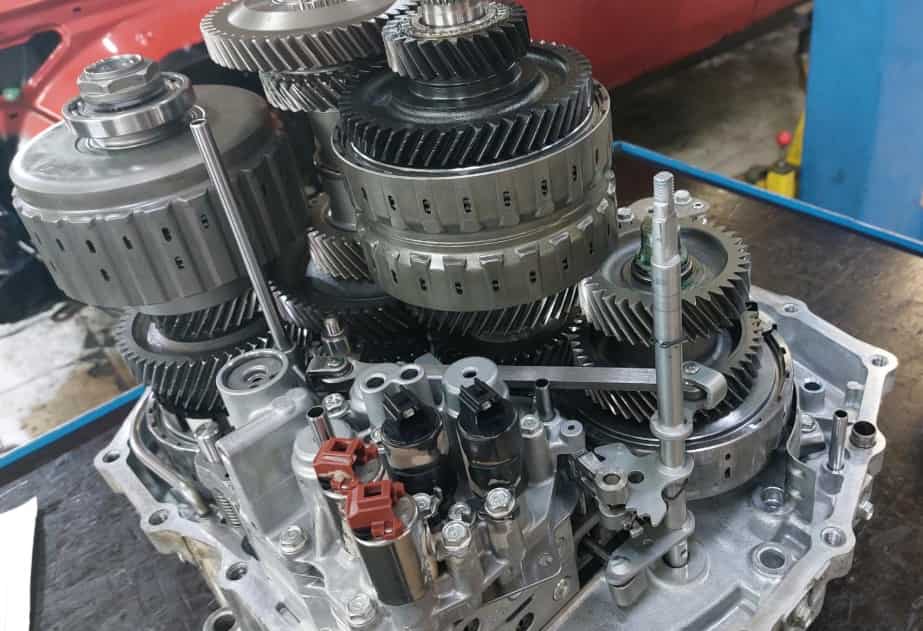
Understanding Honda Pilot Transmission Systems
The transmission is one of the most important components in the Honda Pilot. It transfers power from the engine to the wheels and controls how the vehicle changes speed. A well maintained transmission helps the SUV deliver smooth acceleration, better fuel efficiency, and a more comfortable driving experience.
Honda Pilot models have used different automatic transmission systems throughout their production years. Earlier generations featured traditional automatic gearboxes, while newer models introduced more advanced systems with improved electronic controls. These updates helped improve performance, but they also added more complex components that require proper maintenance.
The Honda Pilot transmission relies on several key parts to operate correctly. Transmission fluid helps reduce friction, control heat, and protect internal components from wear. The torque converter transfers engine power while allowing smooth gear engagement. Electronic control systems monitor driving conditions and adjust shifting patterns for better performance.
When one of these components develops a problem, drivers may notice changes in vehicle behavior. The SUV may shift roughly, hesitate during acceleration, or create unusual sounds while driving. These symptoms often indicate that the transmission needs inspection.
Many Honda Pilot transmission problems come from delayed maintenance, fluid issues, or normal wear over time. Regular service and early diagnosis can help prevent minor issues from becoming major transmission failures. Understanding how the system works is the first step toward improving reliability and reducing repair costs.
Common Honda Pilot Transmission Problems
Honda Pilot transmission problems can affect driving comfort, performance, and long term ownership costs. While many issues develop gradually, early warning signs can help owners avoid expensive repairs and serious transmission damage.
One common issue is rough shifting. Drivers may feel jerking, hesitation, or sudden gear changes during acceleration. This problem can result from old transmission fluid, worn components, or electronic control issues that affect shifting performance.
Transmission slipping is another concern reported by some Honda Pilot owners. This happens when the engine speed increases but the vehicle does not respond with normal acceleration. Low fluid levels, internal wear, or damaged transmission parts can contribute to this problem.
Overheating is also a major threat to transmission reliability. When transmission fluid becomes degraded, it cannot properly reduce friction and control heat. High temperatures can damage internal components and shorten transmission life.
Some owners may also notice unusual sounds, including whining, grinding, or clunking noises. These sounds often indicate possible wear inside the gearbox and should not be ignored.
Modern Honda Pilot models use electronic systems to monitor transmission performance. Warning lights and error codes may appear when the system detects a problem. Quick diagnosis can help identify the issue before it becomes a costly transmission failure.
Understanding these common Honda Pilot transmission problems allows owners to take action early, maintain their vehicles properly, and improve long term reliability.
Honda Pilot Transmission Problems by Model Year
Honda Pilot transmission problems can vary depending on the model year, generation, and maintenance history. Understanding differences between production years can help buyers make better decisions when choosing a used Honda Pilot.
Earlier Honda Pilot models from the first generation gained attention for transmission related concerns. Some owners reported shifting issues, hesitation, and premature wear, especially on vehicles with higher mileage or poor maintenance records. Regular fluid service played an important role in improving long term transmission performance.
The second generation Honda Pilot introduced several improvements, but some models still received complaints about rough shifting and transmission behavior. Many issues were linked to aging components, fluid conditions, and normal wear rather than complete system failure.
The 2016 and newer Honda Pilot models introduced more advanced transmission technology. Some versions used a nine speed automatic transmission designed to improve efficiency and performance. However, early models with newer transmission systems received reports of delayed shifting, harsh gear changes, and software related concerns.
When looking at Honda Pilot reliability by year, maintenance history is often more important than the model year alone. A well maintained vehicle with regular transmission service can provide better performance than a neglected newer model.
Before buying a used Honda Pilot, buyers should review service records, check for transmission symptoms, and complete a professional inspection. Understanding Honda Pilot transmission problems by year can help drivers avoid unexpected repair costs and choose a more reliable SUV.
What Causes Honda Pilot Transmission Problems?
Honda Pilot transmission problems can develop for many reasons. In most cases, transmission failure does not happen suddenly. It usually starts with smaller issues that become worse when owners ignore early warning signs or delay maintenance.
One of the most common causes is old or contaminated transmission fluid. Transmission fluid protects internal components, reduces friction, and helps control heat. Over time, the fluid can lose its effectiveness. This may cause rough shifting, overheating, and increased wear inside the gearbox.
Lack of regular maintenance is another major factor. A transmission requires proper inspection and service to maintain reliable performance. Skipping recommended maintenance intervals can allow small problems to develop into expensive repairs.
Mechanical wear can also affect Honda Pilot transmission reliability. Components such as gears, bearings, seals, and internal clutches can wear out as the vehicle accumulates mileage. Heavy use, frequent towing, or aggressive driving can increase stress on these parts.
Electronic systems also play an important role in modern transmissions. Sensors, control modules, and software settings help manage gear changes. When these systems experience problems, drivers may notice delayed shifting, warning lights, or unusual transmission behavior.
Driving habits can also influence transmission lifespan. Frequent towing, carrying heavy loads, or driving under extreme conditions can increase heat and pressure on the transmission system.
Understanding these causes allows Honda Pilot owners to take preventive action. Regular maintenance, early inspections, and proper driving habits can reduce the risk of serious transmission damage and improve long term reliability.
Honda Pilot Transmission Repair Costs
The cost of repairing Honda Pilot transmission problems depends on the type of issue, vehicle age, mileage, and the condition of the transmission system. Some problems require simple maintenance, while others may require major repairs or complete replacement.
A basic transmission fluid service is usually the most affordable option. This service can help improve shifting performance and protect internal components when performed at the right time. However, fluid replacement cannot fix serious mechanical damage inside the gearbox.
Minor repairs, such as replacing sensors, solenoids, or small transmission components, usually cost less than major repairs. These solutions can restore proper performance when the problem is identified early.
A transmission rebuild is a more expensive repair because it involves removing and repairing internal components. The cost can vary depending on the level of damage and the repair shop. A complete Honda Pilot transmission replacement is usually the most expensive option because it requires installing a new or remanufactured transmission unit.
Several factors affect the final repair cost. Labor rates, parts availability, vehicle model year, and the severity of the failure all influence the total expense. Regular maintenance can help reduce the chance of facing these high repair bills.
Before approving a major repair, Honda Pilot owners should get a professional diagnosis. A proper inspection can determine whether a simple repair, transmission rebuild, or full replacement is the most practical solution. Addressing Honda Pilot transmission problems early can save thousands of dollars and extend the vehicle’s lifespan.
How to Fix and Prevent Honda Pilot Transmission Failure
Fixing Honda Pilot transmission problems starts with accurate diagnosis. The right repair depends on the cause, the severity of the damage, and the overall condition of the vehicle. Identifying issues early can prevent minor transmission concerns from becoming major failures.
One of the first steps is checking the transmission fluid condition. Clean and properly filled fluid helps reduce friction, control heat, and protect internal components. If the fluid is old or contaminated, a professional service may improve shifting performance.
Some transmission issues may require software updates, sensor replacements, or repairs to specific components. These solutions can restore normal operation when the problem comes from electronic systems or smaller mechanical parts.
For severe damage, a transmission rebuild or replacement may become necessary. This option is usually considered when internal components have significant wear or when repairs cannot restore reliable performance.
Preventive maintenance plays an important role in avoiding future Honda Pilot transmission problems. Owners should follow recommended service schedules, inspect fluid levels, and pay attention to unusual driving symptoms. Early signs such as rough shifting, delayed acceleration, or strange noises should receive immediate attention.
Driving habits also affect transmission lifespan. Avoiding excessive towing, reducing unnecessary stress on the vehicle, and allowing proper warm up time can help protect the gearbox.
With proper maintenance and early repairs, many Honda Pilot owners can improve transmission reliability and reduce long term ownership costs. A proactive approach is often the best way to prevent unexpected transmission failure.
Is Honda Pilot Reliable Despite Transmission Problems?
Honda Pilot remains a popular choice among families because of its spacious interior, comfortable ride, and practical features. Although some owners have reported Honda Pilot transmission problems, these concerns do not represent every vehicle or every model year.
Overall reliability depends on several factors, including maintenance history, driving habits, and how well previous owners cared for the vehicle. A Honda Pilot with regular service and proper transmission maintenance can provide many years of dependable performance.
Compared with other midsize SUVs, the Honda Pilot offers strong practicality and a reputation for comfort. Models such as the Toyota Highlander, Ford Explorer, and Kia Telluride also have their own strengths and reliability concerns. Buyers should evaluate the complete ownership experience instead of focusing on a single mechanical issue.
For used car buyers, checking the transmission condition is an important step before purchase. Reviewing maintenance records, performing a test drive, and getting a professional inspection can help identify potential problems. A well maintained Honda Pilot can still be a smart choice for drivers who need a reliable family SUV.
The key factor is understanding the vehicle’s history and responding quickly to early transmission symptoms. Honda Pilot transmission problems can become expensive when ignored, but proper care can reduce risks and improve long term ownership satisfaction.
For many owners, the Honda Pilot continues to deliver a balanced combination of comfort, space, and everyday reliability when maintained correctly.
Frequently Asked Questions About Honda Pilot Transmission Problems
What are the most common Honda Pilot transmission problems?
The most common Honda Pilot transmission problems include rough shifting, transmission slipping, delayed gear engagement, overheating, and unusual noises. Early diagnosis can help prevent more serious damage.
What Honda Pilot years have transmission problems?
Some Honda Pilot model years have received more owner complaints than others. However, maintenance history, driving conditions, and service records often have a greater impact on reliability than the model year alone.
How much does it cost to replace a Honda Pilot transmission?
The Honda Pilot transmission replacement cost depends on the model year, parts availability, labor rates, and the type of replacement unit. A professional inspection is recommended before deciding on a replacement.
How long does a Honda Pilot transmission last?
A Honda Pilot transmission can last many years with proper maintenance. Regular fluid service, careful driving habits, and early repairs can help extend transmission life.
Is Honda Pilot worth buying used?
A used Honda Pilot can be a good choice when it has a clean maintenance history and passes a thorough inspection. Buyers should always check for transmission symptoms before making a purchase.
Conclusion
Honda Pilot transmission problems can affect driving comfort, reliability, and ownership costs, but many issues can be managed with proper maintenance and early attention. Understanding common symptoms, causes, and repair options helps owners make better decisions and protect their investment.
Transmission concerns often begin with small warning signs, such as rough shifting, unusual sounds, or delayed acceleration. Taking action early can prevent expensive repairs and extend the life of the vehicle.
For anyone buying a used Honda Pilot, checking maintenance records and inspecting the transmission condition are important steps. A well cared for Honda Pilot can still provide excellent comfort, practicality, and long term value.
Regular service, responsible driving habits, and quick responses to problems are the best ways to reduce the risk of transmission failure. By understanding Honda Pilot transmission problems and following proper maintenance practices, owners can enjoy a smoother and more reliable driving experience.
Have you experienced Honda Pilot transmission problems? Share your experience, repair costs, or maintenance tips to help other owners make informed decisions.