The AC recharge port on a 6.7 Powerstroke is on the low pressure side of the air conditioning system. You can usually find it near the accumulator and the larger refrigerant line inside the engine bay.
The recharge port allows you to check refrigerant pressure and connect AC recharge equipment. The 6.7 Powerstroke AC system has two service ports. One port works with low pressure refrigerant, while the other handles high pressure refrigerant.
You need to use the correct port during AC service. Connecting to the wrong port can cause incorrect pressure readings and create problems during diagnosis.
Ford uses the 6.7L Power Stroke diesel engine in several Super Duty trucks, including the F250, F350, F450, and F550 models. The AC recharge port location can change slightly between model years, but the low pressure port remains easy to identify.
This guide explains where to find the 6.7 Powerstroke AC recharge port, how to identify the correct service port, and what you should know before adding refrigerant.
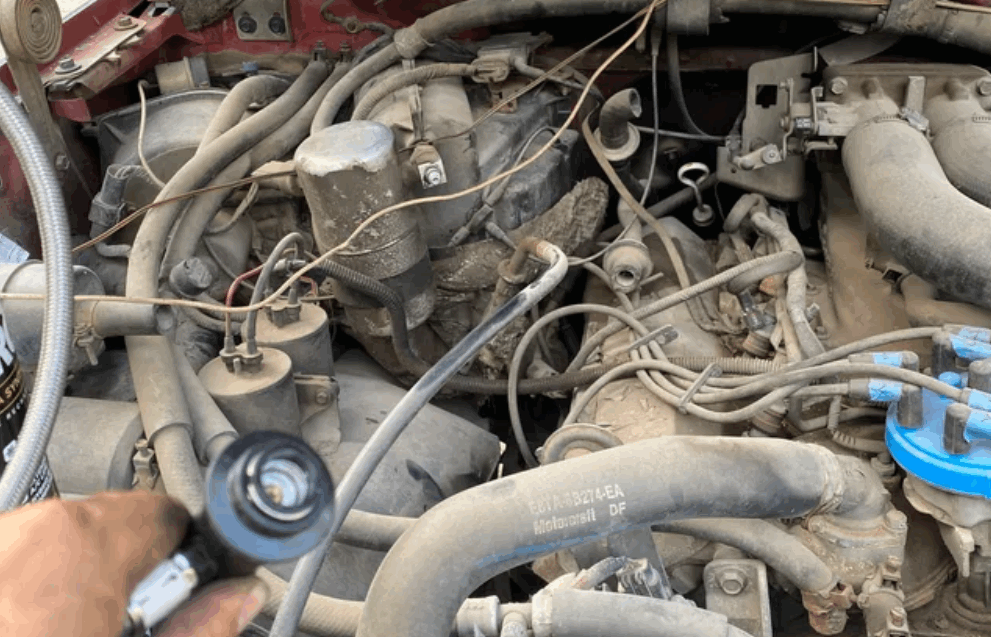
Where Is the AC Recharge Port Located on a 6.7 Powerstroke?
The AC recharge port on a 6.7 Powerstroke is located on the low pressure side of the air conditioning system. You can find this service port in the engine compartment near the accumulator and the larger refrigerant suction line. The low pressure port has a larger fitting compared with the high pressure port, which helps you identify the correct connection point.
The accumulator sits between the evaporator and the AC compressor on the low pressure side of the system. Because the recharge port connects to this part of the refrigerant circuit, it usually appears close to the accumulator assembly. The exact position depends on the Ford Super Duty model year, but the location follows the same AC system design across 6.7L Power Stroke trucks.
To locate the port, open the hood and inspect the AC components near the firewall area and passenger side of the engine bay. Look for a service cap attached to a larger aluminum refrigerant line. The cap often has an identification marking, and the port size matches common AC recharge equipment.
The 6.7 Powerstroke AC recharge port location can differ slightly between Ford F250, F350, F450, and F550 trucks. However, the correct port always connects to the low pressure refrigerant line. Checking the line size and component location helps prevent confusion with the high pressure service port.
Before connecting a recharge hose, confirm that you have identified the low pressure port. Using the wrong service port can lead to incorrect pressure readings and inaccurate AC system diagnosis.
How Do You Identify the Correct AC Recharge Port on a 6.7 Powerstroke?
The correct AC recharge port on a 6.7 Powerstroke is the low pressure service port. This port connects to the suction side of the refrigerant system and allows technicians or vehicle owners to measure pressure and add refrigerant when necessary. Identifying this port correctly prevents incorrect readings and protects the AC system during service.
The easiest way to identify the low pressure port is by checking the refrigerant line size. The low pressure line uses a larger diameter line because it carries refrigerant vapor back to the AC compressor. The high pressure line uses a smaller diameter line because it carries compressed refrigerant from the compressor toward the condenser.
The service port location also provides an important clue. On most 6.7 Powerstroke trucks, the low pressure recharge port sits near the accumulator and the larger AC line. The high pressure port usually appears closer to the condenser or compressor outlet side of the system. These different locations help separate the two service points.
The protective cap is another identification feature. The low pressure service port has a removable cap that protects the fitting from dirt and moisture. After removing the cap, the connection size should match a standard low pressure AC recharge hose. Most consumer AC recharge kits only connect to the low pressure port because the fitting design prevents connection to the high pressure side.
Before starting an AC recharge, always verify the port location instead of relying only on appearance. A correct identification process ensures accurate pressure measurement and helps determine whether the 6.7 Powerstroke AC system needs refrigerant, leak repair, or additional diagnosis.
Does the AC Recharge Port Location Change Between Different 6.7 Powerstroke Model Years?
The AC recharge port location can change slightly between different 6.7 Powerstroke model years because Ford updated the engine bay layout and AC component placement over time. However, every 6.7L Power Stroke truck uses the same basic system design. The recharge connection remains on the low pressure side of the AC system.
The first generation of the 6.7 Powerstroke appeared in 2011 and continued through 2016 Ford Super Duty trucks. These models place the low pressure service port near the accumulator and the larger refrigerant line. Owners can usually find the port by following the thicker AC line through the engine compartment.
The second generation of the 6.7 Powerstroke began with the 2017 Super Duty redesign. Ford changed several engine compartment components during this update, which affected accessibility around the AC system. The recharge port still connects to the low pressure line, but the surrounding components may look different compared with earlier trucks.
Ford F250, F350, F450, and F550 models may also have small differences depending on the cab configuration and production year. These differences do not change the basic identification method. The low pressure service port always connects to the larger refrigerant line and provides the correct connection point for AC pressure checks.
When searching for the AC recharge port on a specific 6.7 Powerstroke truck, always confirm the model year before following a location guide. A guide for a 2012 F350 may not show the exact engine bay layout of a 2022 F250. Checking the vehicle generation helps owners locate the correct port faster and avoid connecting equipment to the wrong service point.
How Do You Access the AC Recharge Port on a 6.7 Powerstroke?
Accessing the AC recharge port on a 6.7 Powerstroke requires a simple inspection process before connecting any service equipment. The main goal is to locate the low pressure service port and confirm that it matches the AC recharge hose connection. Proper preparation helps prevent incorrect readings and unnecessary AC system problems.
Start by parking the truck on a flat surface and turning off the engine. Allow the engine compartment to cool before inspecting the AC components. Open the hood and locate the larger refrigerant line connected to the low pressure side of the system. Follow this line until you find the service port with a protective cap.
Remove the service cap carefully and inspect the fitting before connecting any equipment. The low pressure port should match the connection size of the recharge hose or pressure gauge. Do not force a connection if the fitting does not match because this may indicate that you found the wrong service port.
After connecting the gauge or recharge hose, check the pressure reading before adding refrigerant. Low refrigerant levels are not the only cause of poor AC performance. A pressure check can help identify issues such as leaks, compressor problems, or other HVAC system failures.
Avoid opening or connecting equipment to the high pressure service port. The high pressure side operates under different conditions and requires specific diagnostic equipment. For most basic AC recharge procedures on a 6.7 Powerstroke, technicians and vehicle owners use the low pressure service port only.
Following the correct access process helps protect the refrigerant system and ensures that the AC service procedure starts with accurate information.
What Problems Can Happen If You Recharge the Wrong AC Port?
Connecting to the wrong AC service port on a 6.7 Powerstroke can create inaccurate pressure readings and lead to incorrect AC system decisions. The low pressure port and high pressure port serve different functions in the refrigerant cycle. AC recharge equipment must connect to the low pressure side for proper operation.
The low pressure port receives refrigerant vapor returning from the evaporator to the AC compressor. The high pressure port carries compressed refrigerant from the compressor toward the condenser. Because both ports belong to the same AC system, they may look similar at first glance, but they operate under very different pressure conditions.
Using the wrong port can prevent accurate diagnosis. A pressure gauge connected to the incorrect side may show readings that do not represent the actual refrigerant condition. This can cause a vehicle owner to add refrigerant when the system does not need it or overlook another problem such as a refrigerant leak, compressor failure, or blocked component.
The high pressure side also creates additional safety concerns because it operates at significantly higher pressure than the low pressure side. Attempting to connect standard recharge equipment to this port can damage equipment and create an unsafe service situation.
A 6.7 Powerstroke AC problem does not always come from low refrigerant levels. The system may lose cooling performance because of compressor issues, electrical faults, airflow restrictions, or refrigerant leaks. Correctly identifying the recharge port is the first step in accurate AC diagnosis.
Before adding refrigerant, always confirm that the connection point matches the low pressure service port. This simple check helps protect the AC system and prevents unnecessary repairs.
What Are the Signs That a 6.7 Powerstroke AC System Needs Refrigerant Service?
A 6.7 Powerstroke AC system usually shows clear signs when it needs refrigerant service. Low refrigerant levels reduce the system’s ability to remove heat from the cabin, which causes weaker cooling performance. However, refrigerant loss is only one possible cause of AC problems, so proper diagnosis remains important.
The first common sign is warm air coming from the vents when the AC system runs. A properly working AC system should produce cool air shortly after activation. If the air remains warm or takes much longer to cool, the refrigerant level, compressor operation, or airflow system may require inspection.
Another common symptom is reduced cooling performance during hot weather. The AC may still blow air, but the temperature difference between outside air and vent air becomes smaller. This often happens because the refrigerant charge is too low to complete the heat transfer process efficiently.
Frequent compressor cycling can also indicate an AC system problem. The compressor may turn on and off repeatedly because the system cannot maintain the correct pressure balance. Low refrigerant, pressure sensor issues, or component failures can create this condition.
A visible refrigerant leak is another warning sign. Oil residue around AC components, damaged refrigerant lines, or moisture near connection points can indicate a leak in the system. Adding refrigerant without repairing the leak only provides a temporary solution.
A 6.7 Powerstroke owner should also check other AC components before performing a recharge. The compressor, condenser, evaporator, electrical controls, and blower system all affect cooling performance. Identifying the correct cause helps avoid unnecessary refrigerant additions and keeps the HVAC system operating efficiently.
How Does the AC System Work on a 6.7 Powerstroke?
The AC system on a 6.7 Powerstroke removes heat from the cabin by circulating refrigerant through several connected components. Each component has a specific role in the cooling process. Understanding this system helps explain why the AC recharge port connects to the low pressure side.
The AC compressor starts the refrigeration cycle by compressing low pressure refrigerant vapor. The compressor increases refrigerant pressure and sends it toward the condenser. The condenser then releases heat from the refrigerant and changes it from a high pressure gas into a high pressure liquid.
The liquid refrigerant moves through the expansion device, where the system reduces its pressure. This pressure change allows the refrigerant to absorb heat as it enters the evaporator. The evaporator sits inside the HVAC housing and removes heat from the air before the blower sends cooled air into the cabin.
After absorbing heat, the refrigerant returns to the compressor through the low pressure side of the system. The accumulator helps remove moisture and stores excess refrigerant before it reaches the compressor. This section of the system contains the larger refrigerant line where the AC recharge port is usually located.
The low pressure service port exists because technicians need access to this part of the refrigerant cycle for diagnosis and charging procedures. Pressure readings from this port help determine whether the 6.7 Powerstroke AC system has the correct refrigerant level or requires further inspection.
Understanding the refrigerant cycle also helps explain why adding refrigerant is not always the correct solution. A damaged compressor, restricted airflow, or refrigerant leak can affect cooling performance even when the recharge port works correctly.
What Refrigerant Does a 6.7 Powerstroke AC System Use?
The refrigerant type in a 6.7 Powerstroke AC system depends on the truck’s model year and production specifications. Most earlier 6.7L Power Stroke trucks use R-134a refrigerant, while some newer vehicles may use R-1234yf refrigerant as manufacturers move toward lower environmental impact refrigerants.
R-134a became the standard refrigerant for many Ford Super Duty trucks because it provides reliable cooling performance and works with established AC system components. The refrigerant moves through the compressor, condenser, expansion device, evaporator, and accumulator to complete the cooling cycle.
Newer 6.7 Powerstroke trucks may use R-1234yf refrigerant because automotive manufacturers adopted this refrigerant to reduce global warming potential. R-1234yf systems use different service equipment and require the correct refrigerant identification before any AC repair or recharge procedure.
Using the wrong refrigerant can damage the AC system and create inaccurate pressure readings. Before connecting equipment to the AC recharge port, check the refrigerant label located in the engine compartment. This label provides important information about the correct refrigerant type and the recommended refrigerant capacity.
The refrigerant type also affects the recharge process. Different refrigerants have different pressure characteristics, charging procedures, and equipment requirements. A recharge kit designed for one refrigerant type may not work correctly with another system.
Knowing the correct refrigerant specification helps 6.7 Powerstroke owners avoid unnecessary AC problems. The AC recharge port provides access to the system, but proper service depends on using the correct refrigerant and following the manufacturer’s specifications.
Can You Recharge the AC System on a 6.7 Powerstroke Yourself?
You can recharge the AC system on a 6.7 Powerstroke yourself if you have the correct equipment and understand the basic service process. However, adding refrigerant should only happen after checking the system condition. A low refrigerant level usually indicates that the system has lost refrigerant through a leak or another AC problem.
A basic AC recharge procedure requires a compatible refrigerant, a pressure gauge, and the correct connection hose. The equipment must match the refrigerant type used by the vehicle. Connecting the recharge equipment to the low pressure service port allows you to monitor system pressure while adding refrigerant.
Before adding refrigerant, check the AC system for other possible issues. A weak cooling system may have problems with the AC compressor, condenser airflow, electrical controls, blower motor, or refrigerant leaks. Adding refrigerant without fixing the cause may temporarily improve cooling but will not solve the underlying problem.
The 6.7 Powerstroke AC system also requires the correct refrigerant amount. Overcharging the system can reduce cooling performance and increase pressure inside the refrigerant circuit. Undercharging can prevent the system from removing enough heat from the cabin.
Professional AC service may be the better option when the system has a major leak, compressor failure, or unknown pressure issue. Technicians use recovery machines, vacuum pumps, and professional diagnostic tools to measure the system accurately.
For simple checks, locating the AC recharge port is a useful first step. For complete AC repair, proper diagnosis is more important than adding refrigerant alone.
Conclusion
The AC recharge port on a 6.7 Powerstroke is located on the low pressure side of the air conditioning system, usually near the accumulator and the larger refrigerant line. This port provides the correct connection point for checking pressure and performing refrigerant service.
Finding the correct port is the first step in proper AC maintenance. The low pressure service port has a larger connection size than the high pressure port and connects to the suction side of the refrigerant cycle. Checking the line size, component location, and service cap helps confirm that you are using the correct connection point.
The AC recharge port location may vary slightly between different Ford Super Duty model years, including F250, F350, F450, and F550 trucks. However, the identification process remains consistent because the low pressure port always connects to the larger refrigerant line.
Before adding refrigerant, inspect the entire AC system for leaks, compressor problems, and other possible causes of poor cooling performance. A correct diagnosis prevents unnecessary refrigerant additions and helps maintain reliable AC operation.
Understanding the location and function of the 6.7 Powerstroke AC recharge port allows owners to perform basic AC checks more confidently and make better decisions about maintenance or professional repair.