Many Honda owners wonder who makes Honda oil filters. They often assume Honda builds every part that carries its brand name. However, Honda follows a global supplier network for many vehicle components.
Honda designs strict requirements for its parts. The company works with trusted manufacturers that produce filters based on these specifications. This approach helps Honda maintain quality while focusing on vehicle engineering and innovation.
Knowing who makes Honda oil filters can help owners make better maintenance choices. A high quality oil filter protects engine performance by removing harmful contaminants from engine oil. It also helps maintain proper lubrication during daily driving.
Many drivers ask important questions before buying a replacement filter. They want to know if Honda OEM filters are worth the extra cost. They also want to understand the difference between genuine Honda filters and aftermarket alternatives.
This guide explains the truth about OEM Honda filter manufacturers. You will learn how Honda sources oil filters, why OEM filters matter, and how they compare with other options. By the end, you will understand which oil filter choice fits your Honda vehicle best.
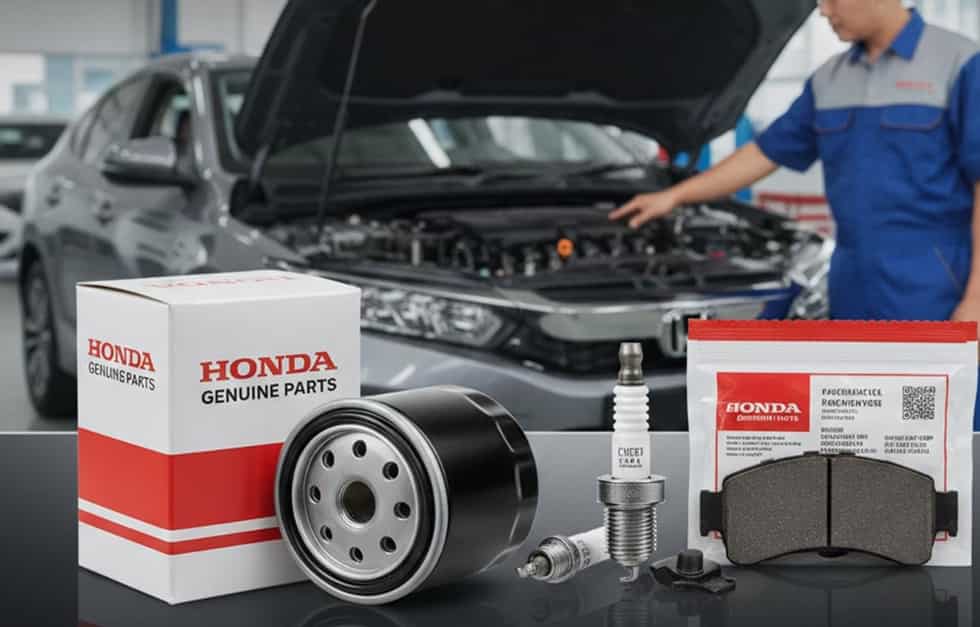
Does Honda Manufacture Its Own Oil Filters?
Many Honda owners believe the company manufactures every part used in its vehicles. This assumption is understandable because Honda has built a strong reputation for engineering reliable cars, motorcycles, and power equipment. However, modern automotive production works differently from what many people expect.
Honda does not focus on producing every individual component inside its vehicles. Instead, the company develops detailed engineering standards and works with specialized suppliers to produce many parts. This strategy allows Honda to maintain strict quality control while using the expertise of companies that specialize in specific automotive components.
Oil filters require advanced manufacturing knowledge. Suppliers must understand filtration materials, oil flow requirements, pressure resistance, and engine protection standards. These manufacturers produce filters that match Honda’s technical requirements and performance expectations.
The relationship between Honda and its suppliers follows the OEM model. OEM stands for Original Equipment Manufacturer. In this system, a supplier produces a component based on the vehicle manufacturer’s specifications. The final product may carry the vehicle brand name, even though a separate company handles the manufacturing process.
For Honda owners, the important factor is not only who physically builds the oil filter. The more important question is whether the filter meets Honda’s engineering standards. A genuine Honda oil filter must provide proper fitment, reliable filtration, and consistent performance for Honda engines.
This explains why Honda can deliver reliable maintenance parts without operating factories that produce every single component. The company combines its engineering expertise with experienced suppliers to create parts that support long term vehicle performance.
Understanding this process helps drivers avoid confusion when they search for information about Honda OEM parts. A Honda oil filter does not need to come from a Honda owned factory to meet Honda’s quality expectations.
Who Actually Makes Honda Oil Filters?
The answer to who makes Honda oil filters is not as simple as naming one single company. Honda works with approved suppliers that produce oil filters according to Honda’s strict specifications. These suppliers can vary depending on the vehicle model, production year, and market region.
Honda uses a global supply chain to support its vehicles around the world. Different factories and suppliers may provide components for Honda models sold in North America, Europe, Asia, and other markets. This means a Honda oil filter purchased in one country may not come from the same manufacturing source as a filter sold in another region.
OEM suppliers follow Honda’s requirements for important factors such as filter design, filtration performance, durability, and compatibility. Honda evaluates these standards to ensure the oil filter works correctly with its engines. The goal is to provide consistent protection and maintain the reliability that Honda owners expect.
Many drivers search for a specific Honda oil filter manufacturer because they want to know whether the product comes from a trusted source. However, the supplier name alone does not determine the quality of the filter. The manufacturing standards, materials, and testing process also play important roles.
A genuine Honda oil filter represents a product that meets Honda’s requirements. It does not simply represent a brand logo on the outside of the filter. The filter must match Honda engine specifications and provide reliable performance throughout its service life.
When buying a Honda oil filter, owners should focus on authenticity and compatibility. A genuine OEM filter from a trusted seller provides more confidence than an unknown replacement part with unclear manufacturing information.
Understanding Honda’s supplier system helps explain why different Honda oil filters may have different markings or manufacturing locations. The key factor remains the same: the filter must meet Honda’s engineering standards and protect the engine effectively.
Are Honda Oil Filters Made by Fram?
Many Honda owners search for the answer to one common question: are Honda oil filters made by Fram? This question appears frequently because Fram is one of the most recognized oil filter brands in the automotive industry. However, the connection between Honda and Fram often creates confusion among vehicle owners.
Honda does not simply use Fram filters and place a Honda logo on them. Genuine Honda oil filters must meet Honda’s own specifications for design, performance, and compatibility. Honda works with approved suppliers that follow these requirements to produce filters for its vehicles.
The confusion often comes from the relationship between automotive manufacturers and parts suppliers. Many companies produce components for different vehicle brands. A supplier may manufacture parts for multiple companies, but each product can have different designs and quality requirements based on the customer’s specifications.
Fram produces a wide range of aftermarket oil filters for many vehicles, including Honda models. These products target drivers who want alternative options outside the Honda OEM parts network. However, an aftermarket Fram filter and a genuine Honda oil filter serve different purposes.
The main difference comes from the engineering standards behind each product. Honda OEM filters focus on meeting Honda’s factory requirements. Aftermarket filters focus on compatibility with a wide range of vehicles and often compete through price, availability, or additional features.
Choosing between a Honda OEM filter and a Fram aftermarket filter depends on the owner’s priorities. Drivers who want factory specifications may prefer genuine Honda filters. Drivers who want more affordable maintenance options may consider reputable aftermarket brands.
The important point is that the manufacturer name alone does not tell the complete story. Oil filter quality depends on design, materials, testing, and how well the filter matches the engine’s needs.
What Makes Honda OEM Oil Filters Different?
Honda OEM oil filters stand out because they follow the engineering standards created for Honda engines. While many aftermarket filters can fit Honda vehicles, genuine Honda filters focus on delivering the performance expected from the original equipment system.
An oil filter has one main job: remove harmful particles from engine oil. Clean oil helps reduce friction between moving engine parts and supports long term engine reliability. Honda designs its filtration requirements around factors such as oil flow, engine pressure, and operating conditions.
One important difference between quality oil filters is the filtration material inside the filter. Honda OEM filters use filter media designed to capture contaminants while allowing oil to flow smoothly through the engine. A filter that blocks too much flow can affect lubrication, especially during cold starts.
The bypass valve also plays an important role in oil filter performance. This component allows oil to continue moving through the engine when the filter reaches certain pressure conditions. Proper bypass valve operation helps protect the engine when oil flow becomes restricted.
Another key feature is the anti drainback valve. This part helps prevent oil from flowing back into the engine oil pan when the vehicle sits unused. A properly designed valve allows oil pressure to build quickly when the engine starts again.
Honda OEM filters also provide precise fitment for specific Honda models. A correct fit reduces the risk of installation problems, oil leaks, or performance issues. This attention to compatibility makes genuine Honda filters a popular choice among owners who prioritize reliability.
Although aftermarket filters can offer good performance, Honda OEM filters provide confidence through factory specifications and vehicle specific design. For drivers who plan to keep their Honda for many years, choosing a filter that matches the original engineering approach can support better long term maintenance.
Honda OEM Oil Filter vs Aftermarket Filters: Which One Should You Choose?
Choosing between a Honda OEM oil filter and an aftermarket filter depends on what you value most. Some Honda owners want the same type of component used during vehicle production. Others prefer a lower cost option that still provides acceptable performance.
Honda OEM oil filters focus on factory compatibility. Honda designs these filters to match the requirements of specific engines. They provide a direct fit and follow the company’s standards for filtration, oil flow, and durability.
Aftermarket oil filters offer more variety. Brands such as Fram, Bosch, Mobil 1, Wix, and Purolator produce filters for many Honda models. These companies often compete through pricing, availability, and different performance features. Some aftermarket filters can provide excellent protection when they meet proper quality standards.
The main difference between OEM and aftermarket filters comes from design priorities. Honda OEM filters focus on matching Honda engine specifications. Aftermarket manufacturers often create products that work across multiple vehicle brands and models.
Price is another factor that influences buying decisions. OEM Honda filters usually cost more than basic aftermarket options. However, the price difference may be small compared with the overall cost of engine maintenance. Many owners consider the extra cost worthwhile because they want confidence in fitment and compatibility.
Aftermarket filters can work well for drivers who choose reputable brands and select the correct filter for their Honda model. The key is avoiding low quality products with unclear specifications or unreliable manufacturing information.
For Honda owners who want maximum peace of mind, genuine Honda oil filters remain a strong choice. They provide a simple solution that follows Honda’s original maintenance approach. For drivers who prioritize budget flexibility, high quality aftermarket filters can also meet their needs.
The best choice depends on your vehicle, driving habits, maintenance goals, and personal preference. A good oil filter should always provide reliable filtration and protect the engine throughout its service interval.
How to Identify a Genuine Honda Oil Filter
Buying a genuine Honda oil filter is important because counterfeit parts have become a growing concern in the automotive market. A fake filter may look similar to an original product, but it may use lower quality materials that cannot provide the same level of engine protection.
The first step to identifying a genuine Honda oil filter is checking the part number. Honda uses specific part numbers for different vehicle applications. Owners should compare the filter number with their vehicle’s maintenance information or confirm compatibility through a trusted Honda parts source.
Packaging quality can also provide useful clues. Genuine Honda filters usually come with clear labeling, accurate product information, and professional packaging. Poor printing quality, spelling mistakes, damaged packaging, or unusual product details may indicate a counterfeit product.
The place where you buy the filter also matters. Authorized Honda dealers and trusted automotive parts suppliers are more likely to provide authentic products. Extremely low prices from unknown sellers can sometimes indicate a fake or unreliable replacement part.
A genuine Honda oil filter should have consistent build quality. The filter housing, threads, gasket, and overall construction should appear durable and professionally manufactured. A poorly finished filter may create installation problems or reduce protection for the engine.
Using counterfeit oil filters can create several risks. A low quality filter may have weak filtration materials, poor sealing, or incorrect internal components. These problems can allow contaminants to circulate through the engine or reduce oil flow performance.
Honda owners often choose OEM filters because they want confidence in quality and compatibility. A genuine filter provides assurance that the product follows Honda’s requirements and works correctly with the intended engine.
Before purchasing a Honda oil filter, drivers should focus on authenticity rather than only price. Saving a small amount of money on a questionable filter may lead to higher maintenance costs in the future.
How Often Should You Replace a Honda Oil Filter?
Replacing a Honda oil filter at the right time helps maintain engine performance and supports long term reliability. The oil filter removes dirt, metal particles, and other contaminants from engine oil. Over time, the filter collects these particles and becomes less effective.
Most Honda owners replace the oil filter during every oil change. This approach allows the engine to receive fresh oil without carrying contamination from an old filter. A new filter also helps maintain clean oil circulation throughout the lubrication system.
The replacement interval depends on several factors, including the Honda model, engine type, driving conditions, and oil type. Modern Honda vehicles often use maintenance schedules that consider real driving conditions instead of relying only on fixed mileage.
Drivers who frequently experience severe conditions may need more frequent oil and filter changes. Examples include frequent short trips, heavy traffic, extreme temperatures, towing, or dusty environments. These conditions can increase engine stress and cause oil to become contaminated faster.
Popular Honda models such as the Civic, Accord, CR-V, and Pilot all require proper maintenance to maintain their reliability. Each model may have different recommendations, so owners should follow the maintenance information provided for their specific vehicle.
Some drivers focus only on changing engine oil and forget about the oil filter. However, fresh oil cannot perform at its best when it passes through an old or restricted filter. The oil filter works as an important part of the engine protection system.
Using a quality Honda oil filter during regular maintenance can help support cleaner oil circulation and consistent engine performance. Whether you choose a genuine Honda filter or a high quality aftermarket option, replacing the filter at the correct interval remains essential.
Regular oil filter replacement is a simple maintenance step, but it plays a major role in protecting one of the most important parts of your Honda vehicle.
Is a Honda OEM Oil Filter Worth the Extra Cost?
Many Honda owners ask whether a genuine Honda OEM oil filter is worth paying more for. The answer depends on your maintenance goals, driving habits, and how long you plan to keep your vehicle. For many drivers, the additional cost represents confidence rather than just a higher price.
A Honda OEM oil filter offers several advantages. It follows Honda’s engineering standards and provides a design that matches Honda engines. Owners who prefer factory recommended maintenance often choose OEM filters because they want a simple and reliable solution.
The price difference between OEM and aftermarket filters is usually small compared with the overall cost of vehicle ownership. Regular oil changes, engine repairs, and unexpected maintenance expenses can cost much more than the difference between a standard filter and a genuine Honda filter.
However, a higher price does not automatically mean every aftermarket filter provides poor performance. Many reputable aftermarket brands produce quality oil filters that meet strong industry standards. Drivers who select trusted brands and the correct filter for their Honda model can find reliable alternatives.
The biggest risk comes from choosing unknown products based only on the lowest price. A cheap filter with poor materials or unclear manufacturing quality may create unnecessary risks for engine protection.
For Honda owners who want maximum confidence, a genuine Honda oil filter remains a strong choice. It provides factory focused compatibility and follows the same maintenance philosophy used when Honda designed the vehicle.
Conclusion
Understanding who makes Honda oil filters helps owners make better decisions about vehicle maintenance. Honda does not necessarily manufacture every oil filter in its own factories. Instead, the company works with approved suppliers that produce filters based on Honda’s engineering requirements.
The most important factors are quality, compatibility, and reliability. A genuine Honda OEM filter provides confidence through factory specifications, while reputable aftermarket filters can offer additional choices for different budgets.
Choosing the right oil filter depends on your priorities. If you want the closest match to Honda’s original maintenance approach, an OEM filter is a dependable option. If you prefer saving money, a high quality aftermarket filter may also meet your needs.
The best oil filter is the one that protects your engine, matches your vehicle, and supports your long term ownership goals.