Leather seats add a touch of sophistication and comfort to any Subaru, enhancing the driving experience with a premium feel that many owners appreciate. Whether you drive a Subaru Outback, Forester, Ascent, or Legacy, the leather interior is often one of the features that makes your vehicle stand out. However, even high quality leather is not immune to the effects of daily use.
Over time, Subaru owners may begin to notice cracks along the driver’s seat bolster, small tears caused by constant friction, fading from prolonged sun exposure, or peeling surfaces that detract from the vehicle’s appearance. These issues not only diminish the overall aesthetic appeal of the interior but can also negatively impact the resale value of the vehicle. For many drivers, the first reaction is concern over the potential cost of replacing an entire seat, which can be significantly more expensive than expected.
The good news is that most common Subaru leather seat problems can be repaired without replacing the entire upholstery. From simple DIY solutions for minor damage to professional restoration techniques for more severe cases, there are effective options available for every situation and budget. In this guide, we will explore the most common Subaru leather seat issues, explain what causes them, and provide practical solutions to help restore your seats and keep your Subaru looking its best for years to come.
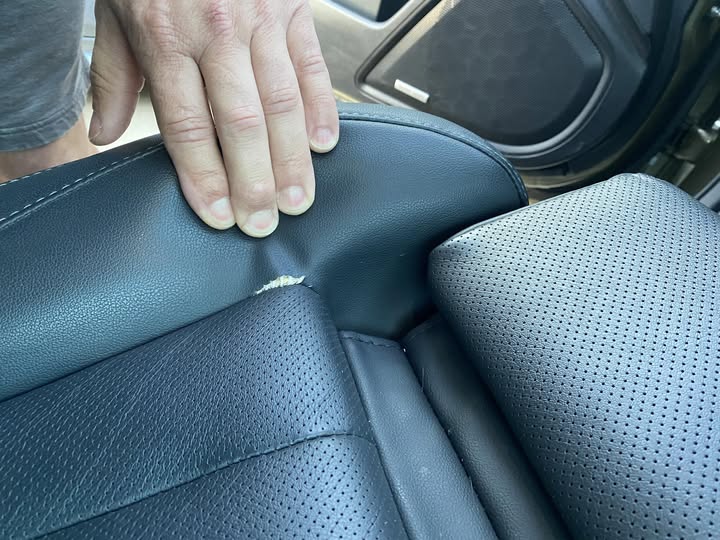
Why Subaru Leather Seats Develop Problems Over Time
Subaru leather seats are designed to offer durability, comfort, and an upscale appearance. However, like any material that experiences constant use, leather naturally deteriorates over time. Understanding the underlying causes of leather damage can help Subaru owners take preventive measures and choose the most appropriate repair method when problems arise.
One of the most common causes of wear is repeated friction. Every time a driver enters or exits the vehicle, the outer bolster of the seat experiences pressure and rubbing. Over months and years, this repeated contact can weaken the leather fibers, resulting in visible creases, surface wear, and eventually cracks or tears.
Sun exposure also plays a significant role in leather deterioration. Ultraviolet rays gradually break down the natural oils that keep leather supple and flexible. As the material dries out, it becomes increasingly susceptible to cracking and fading. Vehicles parked outdoors for extended periods often exhibit more severe signs of leather aging than those stored in garages or shaded areas.
Temperature fluctuations can further accelerate the aging process. Hot summers and cold winters cause leather to expand and contract repeatedly. This cycle places stress on the material and may contribute to the development of small cracks that worsen over time.
Improper maintenance is another factor that many vehicle owners overlook. Using harsh cleaning chemicals, neglecting regular conditioning, or allowing dirt and body oils to accumulate on the seats can significantly reduce the lifespan of leather upholstery. Even seemingly minor habits, such as placing sharp objects in pockets or transporting pets without protective covers, may result in unexpected damage.
By recognizing these contributing factors, Subaru owners can make informed decisions regarding maintenance, repairs, and long term protection strategies.
Cracked Leather Seats
Cracking is among the most frequently reported leather seat issues in Subaru vehicles. It often begins as a series of fine lines on high contact areas before progressing into deeper fissures that compromise both appearance and comfort.
Leather cracks typically develop when the material loses its natural moisture content. Prolonged exposure to sunlight, infrequent conditioning, and years of regular use can all contribute to this drying process. Driver seat bolsters are particularly vulnerable because they endure constant friction whenever occupants slide in and out of the vehicle.
Fortunately, minor cracks can often be repaired successfully at home. The first step involves thoroughly cleaning the affected area with a leather safe cleaner to remove dirt, oils, and residue. Once the surface has dried completely, a leather filler can be applied to fill shallow cracks and restore a smoother texture.
After the filler cures according to the manufacturer’s instructions, the repaired area should be lightly sanded using fine grit sandpaper. This process helps blend the repair with the surrounding leather and creates a more uniform finish. The next step involves applying a color matched leather dye to restore the original appearance of the seat. Multiple thin coats generally produce better results than a single heavy application.
To complete the repair, a protective leather sealant should be applied to safeguard the restored area from future wear. This finishing layer enhances durability and helps maintain color consistency.
However, not all cracked seats are suitable candidates for DIY restoration. Deep structural cracks, widespread deterioration, or damage affecting multiple panels may require professional intervention. Experienced upholstery specialists possess advanced techniques and specialized equipment capable of delivering more seamless results.
Addressing cracks early often prevents minor cosmetic concerns from developing into costly repairs that demand complete panel replacement.
Torn or Ripped Subaru Leather Seats
Tears and rips present a more serious challenge than superficial cracks, yet they remain a relatively common issue among aging Subaru interiors. These types of damage frequently occur on the driver’s seat bolster, seat edges, and other areas subjected to repeated stress.
Several factors may contribute to leather tears. Continuous pressure from entering and exiting the vehicle can weaken the material over time. Sharp objects such as keys, tools, belt buckles, or accessories stored in pockets may accidentally puncture the leather surface. In some cases, pre existing cracks left untreated eventually progress into full thickness tears.
For small tears, DIY repair kits can provide satisfactory results. The repair process generally begins with cleaning the damaged area to ensure optimal adhesion. A leather adhesive is then carefully applied beneath the torn edges to secure them in place. Depending on the severity of the damage, a backing fabric patch may be inserted beneath the tear to reinforce the repair and improve structural integrity.
Once the adhesive has cured, leather filler can be used to level any remaining imperfections. The repaired section should then be color matched using leather dye formulated specifically for automotive upholstery. Finally, a protective topcoat helps improve durability and reduces the likelihood of future deterioration.
While DIY methods can effectively address minor damage, larger tears often require professional expertise. Upholstery technicians can replace damaged panels, recreate factory stitching patterns, and restore the seat’s original appearance more accurately than most home repair attempts.
Compared with complete seat replacement, professional leather repair is usually more cost effective and significantly less disruptive. It also preserves much of the vehicle’s original interior character, which may be important for maintaining resale value.
Regardless of the chosen repair approach, prompt action remains essential. Even small tears have a tendency to expand under continued use, transforming an inexpensive repair into a much larger and more costly restoration project.
Fading and Discoloration
One of the most noticeable signs of aging leather in Subaru vehicles is fading or discoloration. Even when the seats remain structurally sound, a loss of color can make the entire interior appear older and poorly maintained. Dark leather may begin to look dull and uneven, while lighter shades can develop stains or patches that detract from the vehicle’s premium appearance.
Several factors contribute to color deterioration. Prolonged exposure to ultraviolet radiation is often the primary culprit. Sunlight gradually breaks down the pigments within the leather finish, causing the original color to fade over time. This issue is especially common in vehicles that are regularly parked outdoors without the protection of window shades or covered parking.
Improper cleaning techniques can also accelerate discoloration. Household detergents, alcohol based products, and abrasive cleaners may strip away protective coatings designed to preserve the leather’s finish. Additionally, oils from skin contact, spills, and accumulated dirt can create uneven coloration if not removed promptly.
Fortunately, faded Subaru leather seats can often be restored successfully. For mild to moderate discoloration, leather dye kits designed for automotive interiors offer a practical solution. The restoration process typically begins with a thorough cleaning to eliminate contaminants that may interfere with color adhesion. Once the surface is properly prepared, the matching dye can be applied in several thin layers until the desired level of coverage is achieved.
Professional restoration services may be a better option when the discoloration is extensive or when achieving an exact factory color match is a priority. Experienced technicians have access to specialized products and custom blending techniques that can produce highly consistent results.
After restoring the color, preventive maintenance becomes essential. Applying leather conditioners and UV protectants on a regular basis helps preserve the renewed appearance. Parking in shaded areas whenever possible and using windshield sunshades can further reduce the harmful effects of prolonged sun exposure.
Addressing fading early not only improves the overall appearance of the cabin but also helps maintain the value and desirability of the vehicle.
Peeling Leather Surfaces
Peeling leather is another concern that Subaru owners occasionally encounter, particularly in older vehicles or seats that have experienced years of wear. Unlike simple fading, peeling creates a visibly damaged surface that may feel rough, uneven, or uncomfortable to the touch.
Before determining the appropriate repair strategy, it is important to understand the materials involved. Many automotive seats incorporate a combination of genuine leather and synthetic components. Certain areas, such as seat sides or rear panels, may utilize coated materials that can deteriorate differently from natural leather surfaces.
Peeling often occurs when protective finishes begin separating from the underlying material. Repeated friction, excessive heat, harsh cleaning agents, and neglected maintenance can all contribute to this breakdown. Once the protective layer starts to lift, continued use typically worsens the damage.
For minor cases, refinishing products specifically designed for automotive upholstery may help improve the appearance of the affected area. These products aim to smooth the surface and restore a more uniform finish. However, results can vary depending on the severity of the peeling and the condition of the material beneath the damaged coating.
When peeling becomes widespread, professional intervention may offer the most satisfactory outcome. Upholstery specialists can assess whether refinishing, panel replacement, or partial reupholstering represents the most practical solution. In some situations, replacing only the affected section allows owners to preserve much of the original seat while achieving a renewed appearance.
It is important to recognize that not all peeling damage can be permanently corrected through DIY repair kits. Attempting extensive repairs without the necessary expertise may lead to uneven textures or color inconsistencies that diminish the final result.
Consulting a qualified professional can provide clarity regarding the available options and help Subaru owners make informed decisions based on their budget and expectations.
Loose Stitching and Seam Separation
Although leather itself often receives the most attention, the stitching that holds the upholstery together plays an equally important role in maintaining both appearance and functionality. Over time, Subaru owners may notice loose threads, weakened seams, or sections of upholstery beginning to separate.
This type of damage commonly develops in high stress areas that experience repeated pressure during normal use. Constant movement of occupants, shifting body weight, and years of daily driving gradually place strain on the seams. In some cases, manufacturing wear combined with aging materials can contribute to stitching failure.
Early warning signs should not be ignored. A single loose thread may seem insignificant, but it can quickly progress into a larger opening if left unaddressed. Once a seam begins separating, the surrounding leather may become more vulnerable to tearing and additional structural damage.
Minor stitching issues can occasionally be repaired at home using upholstery needles and heavy duty thread designed for automotive applications. However, this approach requires patience, precision, and familiarity with proper stitching techniques. Poorly executed repairs may create uneven tension or compromise the seat’s appearance.
Professional re stitching services generally provide more reliable and aesthetically pleasing outcomes. Experienced technicians can reinforce weakened seams, replicate factory stitching patterns, and ensure that repairs blend seamlessly with the surrounding upholstery. In situations involving significant seam separation, they may also recommend reinforcing the underlying materials to prevent future failures.
Addressing stitching concerns promptly often represents one of the most cost effective maintenance decisions Subaru owners can make. Timely repairs may prevent more extensive upholstery damage that would otherwise require expensive panel replacement or complete seat restoration.
Regular inspections of seat seams, particularly around the driver’s seat bolster and frequently used seating positions, can help identify emerging issues before they escalate. Combined with routine leather care, this proactive approach contributes significantly to extending the lifespan of Subaru’s interior surfaces and preserving their original appeal.
DIY Subaru Leather Seat Repair vs Professional Service
When faced with damaged leather seats, many Subaru owners struggle with an important decision. Should they attempt the repair themselves or invest in professional restoration services? The answer largely depends on the extent of the damage, the owner’s skill level, and the desired outcome.
DIY leather repair has become increasingly popular due to the availability of repair kits designed specifically for automotive interiors. These kits often include cleaners, fillers, adhesives, color matching compounds, applicators, and protective finishes. For minor cracks, small tears, and light discoloration, a carefully executed DIY repair can produce noticeable improvements at a relatively low cost.
One of the biggest advantages of the DIY approach is affordability. Repair kits are generally far less expensive than professional services, making them appealing to budget conscious vehicle owners. In addition, many people appreciate the convenience of completing repairs on their own schedule without needing to leave their vehicle at an upholstery shop.
However, DIY repairs also have limitations. Achieving an accurate color match can be challenging, particularly for older interiors that have experienced years of fading. Surface preparation requires attention to detail, and improper application of fillers or dyes may result in uneven textures or noticeable imperfections. Larger tears, extensive cracking, or structural damage often exceed the capabilities of standard repair kits.
Professional leather repair services offer several important advantages. Experienced technicians possess specialized tools, advanced materials, and extensive knowledge of automotive upholstery restoration. They can assess the severity of the damage and recommend the most appropriate repair method, whether that involves refinishing, panel replacement, or comprehensive restoration.
While professional repairs generally involve higher upfront costs, they often deliver superior durability and aesthetics. High quality workmanship can preserve the factory appearance of Subaru interiors while extending the lifespan of the original upholstery.
Ultimately, there is no universal solution suitable for every situation. Minor cosmetic issues may be excellent candidates for DIY restoration, while extensive damage frequently justifies professional attention. Evaluating the condition of the seats honestly can help Subaru owners make decisions that align with both their expectations and budget.
How to Prevent Future Subaru Leather Seat Damage
Preventive maintenance remains one of the most effective ways to preserve the appearance and longevity of Subaru leather seats. Although some degree of wear is inevitable, consistent care can significantly reduce the likelihood of costly repairs in the future.
Routine cleaning should form the foundation of every leather maintenance program. Dust, dirt, and body oils gradually accumulate on seat surfaces, creating friction that contributes to premature wear. Using a leather safe cleaner on a monthly basis helps remove contaminants before they become deeply embedded within the material.
Conditioning is equally important. Leather naturally loses moisture over time, particularly when exposed to sunlight and changing temperatures. Applying a high quality leather conditioner every three to six months replenishes essential oils, helping maintain flexibility and reducing the risk of cracking.
Protection from ultraviolet radiation can also make a substantial difference. Parking in garages or shaded areas whenever possible minimizes direct sun exposure. Windshield sunshades provide an additional layer of defense during extended periods of outdoor parking, especially in warmer climates where interior temperatures can rise dramatically.
Vehicle owners should also exercise caution regarding sharp objects that may come into contact with the seats. Keys, tools, metal accessories, and even pet claws have the potential to puncture or scratch leather surfaces. Using protective seat covers during activities that involve increased wear can help preserve the condition of the upholstery.
Addressing minor issues promptly is another essential practice. Small cracks, loose stitches, or early signs of discoloration are generally easier and less expensive to correct than advanced deterioration. Regular visual inspections allow owners to identify developing problems before they escalate into major repairs.
By incorporating these preventive habits into routine vehicle care, Subaru owners can enjoy attractive, comfortable interiors for many years while protecting the long term value of their investment.
Frequently Asked Questions About Subaru Leather Seat Repair
Can cracked Subaru leather seats be repaired?
Yes. Minor to moderate cracks can often be repaired using leather fillers, color restoration products, and protective sealants. The success of the repair depends on the severity of the damage and the quality of the materials used. Deep cracks involving significant structural deterioration may require professional restoration.
How much does Subaru leather seat repair typically cost?
Repair costs vary depending on the type and extent of the damage. Small DIY repairs involving minor cracks or surface wear are generally more affordable than professional services. Extensive tears, panel replacements, and comprehensive refinishing projects typically involve higher expenses. Obtaining estimates from qualified upholstery specialists can provide a clearer understanding of potential costs.
Are leather repair kits effective?
Leather repair kits can be highly effective for addressing minor cosmetic concerns such as small cracks, light discoloration, and limited tears. Their effectiveness often depends on following instructions carefully and selecting products that are appropriate for automotive applications. Severe damage may exceed the capabilities of these kits.
Is replacing the entire seat necessary?
Complete seat replacement is rarely the first recommendation. Many common issues affecting Subaru leather seats can be resolved through targeted repairs or partial panel replacement. Full replacement is generally reserved for situations involving extensive deterioration that cannot be restored effectively through other methods.
How long do professional leather repairs last?
When performed correctly and supported by proper maintenance, professional repairs can remain durable for many years. Factors such as climate conditions, frequency of vehicle use, and adherence to recommended care practices all influence the longevity of the results.
Can I prevent leather seats from cracking again after repairs?
While it may not be possible to eliminate all future wear, regular cleaning, routine conditioning, and protection from excessive sunlight can substantially reduce the risk of recurring damage. Establishing a consistent maintenance schedule represents one of the best strategies for preserving restored leather surfaces.
Are Subaru leather seats made entirely of genuine leather?
The materials used may vary depending on the model year and trim level. Some Subaru interiors combine genuine leather seating surfaces with synthetic materials in less visible areas. Understanding the specific construction of the seats can help determine the most suitable repair approach.
Should I attempt repairs myself if I have no prior experience?
Individuals with limited experience may still achieve satisfactory results when addressing minor cosmetic issues using reputable repair kits and carefully following instructions. However, extensive damage involving large tears, significant peeling, or seam reconstruction is often better handled by experienced professionals.
Conclusion
Subaru leather seats contribute significantly to the comfort, style, and overall driving experience that owners have come to expect from the brand. However, daily use inevitably leads to wear and tear. Cracks, tears, fading, peeling surfaces, and loose stitching are among the most common issues that can develop over time, especially in frequently used seating areas. While these problems may initially appear overwhelming, they do not necessarily require expensive seat replacements.
Understanding the causes behind leather deterioration is the first step toward protecting your vehicle’s interior. Factors such as prolonged sun exposure, inadequate maintenance, repeated friction, and accidental damage can all accelerate the aging process. Fortunately, many of these issues can be addressed effectively through timely intervention. Minor cosmetic damage may respond well to carefully executed DIY repairs, while more extensive problems often benefit from the expertise of professional upholstery specialists.
The key to preserving Subaru leather seats lies in proactive care. Regular cleaning, routine conditioning, protection from ultraviolet rays, and prompt attention to small imperfections can dramatically extend the lifespan of the upholstery. By incorporating these habits into your vehicle maintenance routine, you can maintain the premium appearance of your Subaru’s interior while avoiding unnecessary repair expenses.
Whether you choose to tackle repairs on your own or seek professional assistance, taking action early can help restore comfort, enhance resale value, and ensure that your Subaru continues to provide an enjoyable driving experience for years to come.