Airbags are designed to save lives during a collision. But what happens when the very system meant to protect you becomes a potential safety hazard? This question has become a serious concern for millions of vehicle owners worldwide due to large-scale airbag recalls affecting multiple automotive brands, including Subaru.
The Subaru Airbag Recall has drawn significant attention because certain defective airbag inflators may not function as intended during a crash. In some cases, the inflator can rupture upon deployment, potentially causing severe injuries to drivers and passengers. What makes this issue even more alarming is that many Subaru owners remain unaware that their vehicles could be affected.
If you own a Subaru, especially an older model, taking a few minutes to verify your vehicle’s recall status could make a critical difference to your safety and that of your loved ones. Fortunately, checking whether your car is included in a recall is a straightforward process that can be completed online using your Vehicle Identification Number (VIN).
In this guide, we will explore which Subaru models have been affected by airbag recalls, why these recalls were issued, and the exact steps you should take to determine whether your vehicle requires immediate attention.
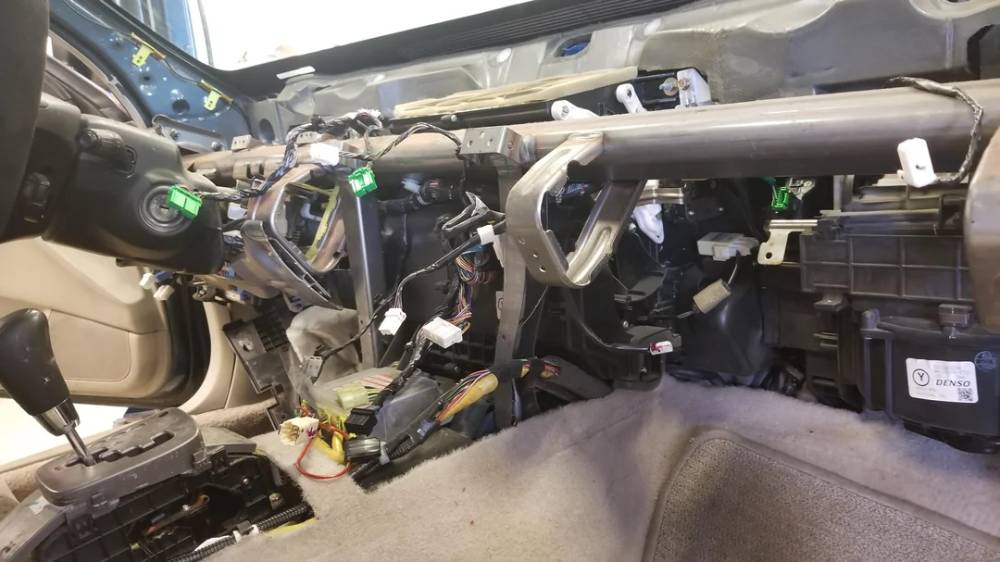
What Is the Subaru Airbag Recall?
The Subaru Airbag Recall refers to a series of safety campaigns issued to address defects found in certain airbag systems installed in Subaru vehicles. Most of these recalls were associated with faulty airbag inflators supplied by Takata, a major automotive parts manufacturer whose products were used by numerous car brands around the world.
The primary concern involved the inflator mechanism responsible for deploying the airbag during a collision. Under specific conditions, particularly after prolonged exposure to heat and humidity, the inflator could deteriorate over time. If the airbag deployed during an accident, the inflator housing could rupture with excessive force. Instead of providing protection, metal fragments from the damaged inflator could be propelled into the passenger compartment.
Because airbags are critical safety components, even a small defect can have life threatening consequences. For this reason, automakers and safety regulators treated these recalls with the highest level of urgency. Subaru worked closely with regulatory authorities and dealerships to identify affected vehicles and provide replacement parts free of charge.
Understanding the nature of the Subaru Airbag Recall is important because many affected vehicles remain on the road today. Owners who have not yet checked their recall status may unknowingly continue driving vehicles equipped with potentially dangerous airbag components.
Why Is This Recall So Serious?
Vehicle recalls are not uncommon in the automotive industry. However, the Subaru Airbag Recall stands out because of the potential severity of the consequences involved. Unlike cosmetic defects or minor mechanical issues, this recall involves a system specifically designed to protect occupants during an emergency.
A defective airbag inflator may fail in several ways. In some situations, the airbag may not deploy properly when needed, reducing the level of protection during a crash. In more severe cases, the inflator can explode during deployment, sending sharp metal fragments toward the driver and passengers at high speeds. Such incidents have resulted in serious injuries and fatalities in various parts of the world.
Another factor that increases the risk is the age of the vehicle. Older inflators exposed to years of fluctuating temperatures and humid climates may be more susceptible to deterioration. This means that owners of older Subaru models should pay particular attention to recall notices and safety updates.
Many drivers assume that if their vehicle appears to function normally, there is no reason for concern. Unfortunately, airbag defects often remain undetectable until the moment the system is activated. This is why safety experts strongly recommend checking recall status promptly rather than waiting for warning signs to appear.
Subaru Models Potentially Affected by Airbag Recalls
Over the years, several Subaru models have been included in various airbag recall campaigns. The specific vehicles involved may vary depending on production dates, manufacturing locations, and the type of inflator installed. As recall information can be updated periodically, owners should always verify their individual vehicle status using the VIN lookup tool provided by Subaru or relevant safety authorities.
Some of the Subaru models that have appeared in previous airbag recall announcements include the Subaru Legacy, Subaru Outback, Subaru Forester, Subaru Impreza, Subaru Baja, and certain versions of the WRX and WRX STI. In many cases, vehicles manufactured during the early 2000s through the mid 2010s were more likely to be affected.
It is important to understand that owning one of these models does not automatically mean your vehicle is subject to an active recall. Even within the same model year, only specific production batches may require corrective action. This is why relying solely on online lists or general information can be misleading.
If your Subaru falls within an age range commonly associated with airbag recalls, taking a few moments to locate your VIN and conduct an official recall check is a simple yet essential step toward ensuring the continued safety of everyone who travels in your vehicle.
How to Check if Your Subaru Is Affected by the Recall
Determining whether your Subaru is included in an airbag recall is a quick and straightforward process. The most accurate way to verify your vehicle’s status is by using its Vehicle Identification Number, commonly known as the VIN. This unique 17 character code allows manufacturers to identify specific vehicles and determine whether they are subject to any outstanding safety recalls.
Start by locating your VIN. You can usually find it on the driver’s side dashboard near the windshield, on the sticker inside the driver’s side door frame, or within your vehicle registration and insurance documents. Once you have the VIN, visit Subaru’s official recall website or the recall lookup tool provided by your country’s transportation safety authority.
Enter the VIN exactly as it appears on your vehicle documents and submit the information. The system will display whether there are any active recalls associated with your Subaru. If your vehicle is listed as affected, the results will typically include details about the recall and instructions on how to proceed.
Even if you have not received a notification letter from Subaru, it is still advisable to perform a recall check periodically. Changes in ownership, outdated contact information, or newly announced recalls can prevent owners from receiving important safety communications. Spending a few minutes verifying your recall status can provide peace of mind and help ensure that your vehicle remains safe to operate.
What Should You Do If Your Subaru Is Included in the Recall?
Finding out that your vehicle is part of an airbag recall can be concerning, but there is no need to panic. The most important step is to act promptly and follow the guidance provided by Subaru or your local authorized dealership.
After confirming that your Subaru is affected, contact an authorized Subaru service center as soon as possible to schedule an inspection or repair appointment. In most cases, replacement parts and labor associated with safety recalls are provided at no cost to the vehicle owner. The dealership staff can explain the repair process, estimate the time required, and answer any questions you may have regarding the recall.
Depending on the specific recall campaign, Subaru may provide additional recommendations concerning vehicle use before repairs are completed. It is important to follow these instructions carefully, especially if the recall notice indicates an elevated safety risk.
Once the repair has been performed, retain all service records and documentation related to the recall. These records can be valuable for future maintenance purposes and may also reassure potential buyers should you decide to sell the vehicle later.
Ignoring a safety recall is never advisable. Addressing the issue promptly helps protect not only you and your passengers but also other road users who could be affected in the event of an accident.
Frequently Asked Questions About Subaru Airbag Recalls
Is the airbag replacement free of charge?
Yes. Safety recall repairs are generally performed free of charge by authorized Subaru dealerships. This includes both replacement parts and labor costs associated with the recall.
What if I purchased my Subaru as a used vehicle?
Owners of used Subaru vehicles should still check the recall status using the VIN. Safety recalls remain tied to the vehicle rather than the original owner, meaning you may still qualify for free repairs if the recall has not yet been completed.
Can I continue driving my vehicle while waiting for repairs?
The answer depends on the specific recall instructions. Some recalls allow limited vehicle use until replacement parts become available, while others may recommend minimizing use until repairs are completed. Always follow the guidance provided by Subaru or your dealership.
Does an expired warranty affect recall eligibility?
No. Safety recalls are separate from standard vehicle warranties. Even if your Subaru is no longer covered under its original warranty, recall related repairs are typically performed at no cost.
How often should I check for recalls?
It is a good practice to check your vehicle’s recall status at least once or twice a year, especially if you own an older model. Regular checks help ensure that you remain informed about newly announced safety campaigns that could affect your vehicle.
Being proactive about vehicle safety is one of the most responsible actions a car owner can take. Staying informed and responding promptly to recall notices can significantly reduce unnecessary risks on the road.
Conclusion
Before we conclude, it is important to remember that the Subaru Airbag Recall is more than just a routine service notice. It represents a critical safety issue that could directly affect the well being of drivers and passengers. While modern vehicles are equipped with numerous technologies designed to protect occupants, these systems can only perform their intended function when they operate correctly.
If you own a Subaru, especially an older model, taking the time to verify your vehicle’s recall status should be a priority rather than an afterthought. The process is simple, requires only your VIN, and can often be completed within a few minutes. If your vehicle is found to be affected, arranging for the necessary repairs promptly can help eliminate potential risks and restore confidence in your vehicle’s safety systems.
The good news is that recall related repairs are typically performed free of charge by authorized Subaru dealerships. This means there is little reason to delay addressing an issue that could have serious consequences in the event of a collision.
Vehicle safety is an ongoing responsibility shared by manufacturers and owners alike. Staying informed about recalls, responding quickly to official notices, and maintaining accurate ownership records are all essential steps toward protecting yourself and those who travel with you.
Have you ever checked whether your Subaru has any outstanding recalls? If not, today may be the perfect time to take action. A few minutes of preventive effort could make a significant difference when it matters most.