The Duramax water in fuel warning indicates that the vehicle’s water-in-fuel (WIF) detection system has detected possible water accumulation in the diesel fuel filter or fuel-water separator. This warning requires prompt attention because water contamination can reduce fuel lubrication, cause corrosion, and damage critical components such as the high-pressure fuel pump and fuel injectors. However, a faulty WIF sensor or damaged electrical connection can also trigger the warning without significant water contamination.
The most common causes of a Duramax water in fuel warning include contaminated diesel fuel, water buildup in the fuel-water separator, sensor malfunctions, and wiring problems. Draining the accumulated water from the fuel filter is the primary corrective action when contamination is confirmed. If the warning remains active after draining, the sensor, electrical connections, and remaining fuel contamination require further inspection.
Continuing to drive with confirmed water contamination can lead to expensive fuel system damage. Duramax owners should investigate the warning before resuming normal operation, especially if the engine experiences hesitation, reduced power, or stalling.
This guide explains how to identify the causes of the Duramax water in fuel warning, drain water from the fuel filter, troubleshoot the WIF sensor, and resolve persistent warnings across different Duramax engine generations.
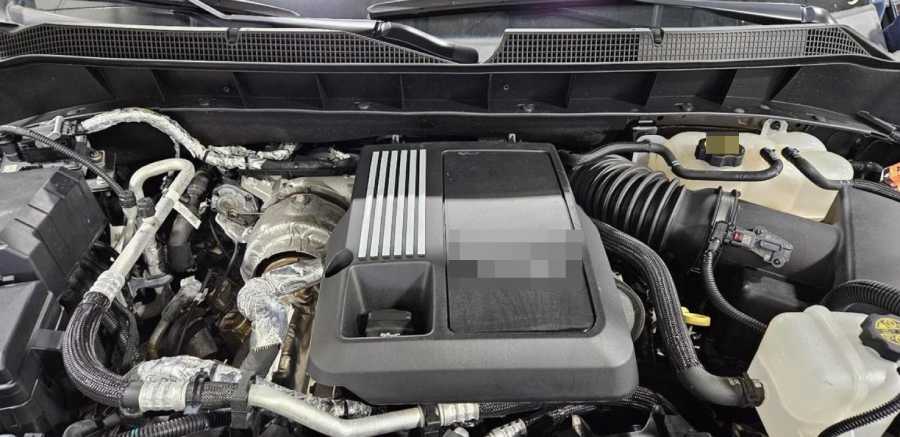
What Does the Water in Fuel Warning Mean on a Duramax?
The water in fuel warning on a Duramax means the vehicle’s water-in-fuel (WIF) detection system has identified possible water accumulation in the diesel fuel filter or fuel-water separator. The warning alerts the driver to a condition that requires inspection because diesel fuel must remain sufficiently free of water to protect the engine’s high-pressure fuel system. The warning does not automatically indicate that the fuel pump or injectors have already been damaged.
Duramax diesel engines use fuel filtration systems designed to separate water and contaminants from diesel fuel before it reaches sensitive fuel injection components. Because water is denser than diesel fuel, separated water collects in the lower portion of the filter or separator assembly. The WIF sensor detects water when it reaches a designated level and sends a signal that activates the dashboard warning. Sensor location, detection design, and warning behavior vary between Duramax engine generations.
Water contamination is particularly harmful to modern Duramax common-rail fuel injection systems because high-pressure fuel pumps and injectors depend on diesel fuel for lubrication. Unlike diesel fuel, water provides inadequate lubrication and promotes corrosion on precision metal surfaces. When sufficient water passes through the filtration system, it can contribute to accelerated component wear, injector malfunction, and fuel pump damage. The severity depends on the amount of water, exposure duration, and whether contaminated fuel reaches high-pressure components.
A Duramax water in fuel message should therefore be treated as an early warning rather than proof of mechanical failure. The appropriate response is to inspect the fuel-water separator, check for accumulated water, and investigate the sensor system if the warning persists after the contamination has been addressed.
What Causes the Water in Fuel Warning on a Duramax?
The five main causes of a Duramax water in fuel warning are contaminated diesel fuel, accumulated water in the fuel-water separator, a faulty WIF sensor, damaged sensor wiring, and fuel filter service problems. The first two involve actual water contamination, while the remaining three can produce an incorrect warning or interfere with normal water detection.
1. Contaminated diesel fuel. Water can enter a Duramax fuel system when diesel is purchased from a storage tank containing accumulated water. Underground storage tanks, fuel delivery equipment, and poorly maintained fuel containers can introduce moisture into diesel fuel. When contaminated diesel enters the truck’s fuel tank, the fuel-water separator captures part of the water before it reaches the engine. The warning activates when the detected water level reaches the sensor’s threshold.
2. Water accumulation in the fuel-water separator. Small amounts of water introduced through fuel handling, storage, or condensation can gradually collect in the separator. Water buildup becomes a problem when the collected volume reaches the sensor’s detection level. A functioning WIF sensor can therefore trigger a warning even when the engine continues to run normally. Draining the separator according to the vehicle’s service procedure addresses this condition when the water is confined to the filter assembly.
3. Faulty water-in-fuel sensor. A defective WIF sensor can produce an incorrect warning even after the separator has been drained. Sensor damage, contaminated sensing surfaces, or internal electrical faults can interfere with water detection. A warning that repeatedly returns after proper drainage may indicate a sensor problem, but actual water contamination must be ruled out before replacing the component.
4. Damaged sensor wiring or electrical connections. Corroded terminals, loose connectors, and damaged wiring can disrupt the signal between the WIF sensor and the vehicle’s electronic control system. Exposure to moisture, road debris, and vibration can contribute to electrical connection problems. For example, a damaged connector near the fuel filter assembly may cause an intermittent warning even when no significant water remains in the separator. Electrical diagnosis should follow the wiring specifications for the applicable Duramax model.
5. Fuel filter replacement or service problems. A water in fuel warning can appear after fuel filter maintenance when water remains in the assembly, a sensor connector is disturbed, or the sensor is damaged during service. Improper installation may also create fuel leaks or introduce air into the fuel system, although these conditions do not necessarily activate the WIF warning themselves. Inspecting the filter assembly, sensor connection, and drained fuel helps distinguish a service-related problem from genuine contamination.
Identifying the correct cause requires checking for actual water before assuming that the warning originates from a defective sensor. Visible water in a properly collected fuel sample supports a contamination diagnosis, while a persistent warning after verified water removal justifies further inspection of the sensor and its electrical circuit. This distinction prevents unnecessary sensor replacement and reduces the risk of overlooking contaminated diesel fuel.
Can You Drive a Duramax With the Water in Fuel Light On?
You should not continue driving a Duramax with the water in fuel light on until the cause has been investigated. The warning indicates possible water accumulation in the diesel fuel system, which can damage the high-pressure fuel pump and fuel injectors. Although the engine may continue running normally, the absence of noticeable symptoms does not confirm that the fuel is free of water.
Water contamination is particularly dangerous for Duramax common-rail diesel engines because their fuel injection components rely on diesel fuel for lubrication. Water reduces the lubricating properties of the fuel and promotes corrosion inside precision components. If contaminated fuel reaches the high-pressure pump, internal wear can generate metal particles that spread through the fuel system. Severe contamination may require replacement of the pump, injectors, fuel lines, and other affected components.
Stop the engine and arrange professional inspection if the warning appears alongside hard starting, engine hesitation, reduced power, unusual engine noise, or stalling. These symptoms may indicate fuel delivery problems or contamination that has progressed beyond the separator. Continuing to operate the engine under these conditions increases the risk of mechanical damage.
If the warning appears without drivability symptoms, park in a safe location and inspect the fuel-water separator using the procedure specified for the vehicle. Drain accumulated water when appropriate and verify that the warning clears before returning to normal driving. If substantial water is found, the warning returns, or the fuel appears heavily contaminated, further diagnosis is necessary before operating the vehicle.
How Do You Drain Water From a Duramax Fuel Filter?
To drain water from a Duramax fuel filter, locate the fuel-water separator drain, collect the contaminated fuel and water in a suitable container, close the drain, and restore the fuel system according to the vehicle’s service procedure. The process removes water that has accumulated in the separator before it can reach sensitive fuel injection components.
Duramax fuel filter configurations differ between engine generations, including the LB7, LLY, LBZ, LMM, LML, L5P, LM2, and LZ0. Consequently, the drain location, required tools, and fuel priming procedure are not identical across all Chevrolet Silverado and GMC Sierra diesel trucks. Owners should confirm the engine model and model year before performing maintenance.
Where Is the Water Drain Valve on a Duramax?
The Duramax water drain valve is located on the fuel filter or fuel-water separator assembly, but its exact position depends on the engine generation and vehicle configuration. The drain allows collected water and a small amount of diesel fuel to leave the separator without disconnecting high-pressure fuel lines.
On many earlier 6.6L Duramax applications, including LB7, LLY, LBZ, LMM, and LML engines, the primary fuel filter assembly is located in the engine compartment on the passenger side. These configurations commonly use a drain at the lower portion of the filter assembly. However, filter design and service access differ by model year.
Later 6.6L L5P engines and 3.0L Duramax engines use different fuel filtration arrangements. Their water drain locations and access procedures should be identified using the applicable owner’s manual or factory service information rather than instructions written for earlier engines.
Before opening the drain, inspect the surrounding assembly for fuel leaks, damaged connectors, or loose components. Position a suitable fuel-resistant container beneath the drain outlet and keep diesel fuel away from hot exhaust components, electrical sparks, and open flames.
What Are the Steps to Drain Water From a Duramax Fuel Filter?
Draining water from a Duramax fuel filter involves six main steps: securing the vehicle, locating the separator, collecting the contaminated fuel, closing the drain, priming the system when required, and checking the warning. The following sequence describes the general process; the vehicle-specific service procedure determines the correct drain operation and priming method.
Step 1: Park the truck and shut off the engine. Position the vehicle on a level surface, engage the parking brake, and turn off the ignition. Allow hot engine components to cool before working near the fuel filter. Wear protective gloves and safety glasses to prevent contact with diesel fuel.
Step 2: Locate the fuel-water separator drain. Identify the correct drain valve or plug using the owner’s manual for the specific Duramax engine. Inspect the filter housing and nearby connections before opening the drain. Do not loosen high-pressure fuel lines or disconnect fuel injection components to remove water from the separator.
Step 3: Drain the accumulated water. Place an approved fuel-resistant container beneath the drain outlet and open the valve according to the manufacturer’s instructions. Collect the discharged liquid and inspect it for water separation, unusual discoloration, or visible contaminants. Water typically settles beneath diesel fuel because it has a higher density. Follow the specified drainage quantity or stopping condition rather than allowing the fuel system to empty unnecessarily.
Step 4: Close the drain valve securely. Close the drain using the procedure and tightening specification applicable to the filter assembly. Avoid overtightening plastic drain components because excessive force can damage the valve or housing. Inspect the drain seal and surrounding area for signs of leakage.
Step 5: Prime the fuel system if required. Some earlier Duramax fuel systems use a manual priming mechanism on the fuel filter housing, while later configurations use different priming arrangements. Follow the engine-specific procedure to remove introduced air and restore fuel delivery. Do not repeatedly crank the engine as a substitute for the correct priming procedure.
Step 6: Check for leaks and verify the warning. After completing the prescribed priming and startup procedure, inspect the filter assembly for fuel leaks and check whether the water in fuel warning remains active. If the warning clears and no contamination or operating problems remain, the drainage may have resolved the condition. If the warning persists, further inspection of the remaining fuel, WIF sensor, and electrical connections is necessary.
Draining the separator does not guarantee that all contaminated fuel has been removed from the vehicle. If the fuel tank contains substantial water, the separator may fill again shortly after drainage. Repeated warnings, large amounts of separated water, or evidence of contamination beyond the filter assembly require inspection of the fuel tank and fuel delivery system.
Collect contaminated diesel fuel in a sealed, compatible container and dispose of it through an approved waste collection facility. Never pour diesel fuel or separated water into storm drains, soil, or household plumbing.
How Do You Reset the Duramax Water in Fuel Warning?
To reset the Duramax water in fuel warning, remove the accumulated water from the fuel-water separator and verify that the water-in-fuel (WIF) detection system is operating correctly. On many Duramax applications, the warning clears after the sensor no longer detects water and the vehicle completes the applicable monitoring cycle. However, the exact reset behavior depends on the engine generation, model year, and vehicle’s electronic control system.
The water in fuel warning differs from the fuel filter life indicator. The fuel filter life monitor tracks filter maintenance, while the WIF warning responds to a signal indicating possible water contamination. Resetting the fuel filter life percentage does not remove water from the separator or repair a malfunctioning WIF sensor. Likewise, disconnecting the battery or clearing diagnostic trouble codes does not correct the underlying cause of a water in fuel warning.
After draining the separator, close the drain securely, complete the manufacturer-specified fuel priming procedure, and check the instrument cluster using the applicable vehicle instructions. Some vehicles clear the warning once the detection condition disappears, while others may require additional diagnosis if the message remains active. Avoid repeatedly starting the engine solely to extinguish the warning when water contamination has not been ruled out.
Why Does the Water in Fuel Warning Stay On After Draining?
A Duramax water in fuel warning can remain active after draining because water is still present, the WIF sensor is contaminated or defective, or an electrical fault is producing an incorrect signal. A persistent warning does not necessarily indicate that the drainage procedure failed, but it requires further inspection before normal vehicle operation resumes.
Residual water is the first condition to investigate. Water may remain in the separator if the drain was not opened correctly or the specified drainage procedure was incomplete. Additional contaminated fuel from the tank can also introduce water into the separator after the initial drainage. For example, a truck refueled with water-contaminated diesel may display the warning again because the fuel tank continues supplying contaminated fuel.
A faulty sensor can also keep the warning active after water removal. Contaminants on the sensing surfaces, damaged sensor components, and corrosion inside electrical connectors can interfere with the detection signal. Wiring damage may produce similar symptoms, particularly when the warning appears intermittently or changes after movement near the filter assembly.
The appropriate troubleshooting sequence is to confirm that the separator has been drained correctly, inspect a fuel sample for remaining water, and examine the sensor connector and wiring. If no water remains and the warning persists, perform the electrical and sensor tests specified for the vehicle. Replacing components without confirming the cause can leave the original problem unresolved.
How Do You Troubleshoot a Duramax Water in Fuel Sensor?
Troubleshooting a Duramax water in fuel sensor involves verifying fuel contamination, inspecting the sensor and electrical connections, and testing the sensor circuit according to the manufacturer’s specifications. The objective is to distinguish a genuine water detection event from an electrical or sensor malfunction before replacing parts.
Start by inspecting the fuel-water separator and collecting a sample using the correct drainage procedure. Allow the sample to settle in a transparent, fuel-compatible container and look for a distinct water layer beneath the diesel fuel. Visible water confirms contamination in the sample, although the absence of a visible layer does not completely rule out smaller amounts of water or contamination elsewhere in the fuel system.
Next, inspect the WIF sensor and its electrical connector for physical damage, moisture intrusion, corrosion, loose terminals, and damaged wiring insulation. The sensor is associated with the fuel filter or separator assembly, but its mounting location and connector design vary across Duramax engines. A loose connector or corroded terminal can interrupt the sensor signal and cause incorrect or intermittent warnings.
Electrical testing should follow the service information for the specific engine and model year. Depending on the vehicle, diagnosis may involve checking circuit continuity, supply voltage, ground integrity, or sensor signal behavior. A compatible diagnostic scan tool may also help identify relevant electrical faults or warning-system data. Do not apply an arbitrary voltage to the sensor or bypass its circuit, because the correct testing method depends on the system design.
Replace the WIF sensor only when diagnostic results identify a defective component. If the sensor passes its specified tests, inspect the wiring harness, connector terminals, and associated control circuits before considering other repairs. After correcting the fault, verify that the warning remains inactive and that the fuel filter assembly operates without leaks.
How Can You Tell if a Duramax Water in Fuel Sensor Is Bad?
A Duramax water in fuel sensor may be faulty when the warning persists after verified water removal, appears intermittently without evidence of contamination, or is accompanied by measurable sensor circuit abnormalities. These symptoms justify testing the sensor but do not independently prove that it has failed.
A warning that remains active after proper separator drainage is a common reason to suspect the sensor. However, the fuel tank may still contain water, allowing contamination to return to the separator. Inspecting a fresh fuel sample and confirming that the drainage procedure was completed correctly are necessary before attributing the warning to sensor failure.
Intermittent warnings can indicate electrical connection problems. For example, corrosion inside a connector may create an unstable signal when the vehicle encounters vibration or changes in temperature. Damaged wiring insulation, loose terminals, and moisture intrusion can produce similar behavior even when the sensor itself remains functional. Inspecting these components helps prevent unnecessary sensor replacement.
The most reliable confirmation of a defective WIF sensor is a failed manufacturer-specified diagnostic test after actual water contamination and external circuit faults have been excluded. A sensor that fails its applicable electrical or functional test should be replaced with a compatible component for the vehicle’s engine and model year. After replacement, confirm correct connector installation, check for fuel leaks where applicable, and verify that the warning condition has been resolved.
Do Water in Fuel Drain Procedures Differ Between Duramax Engines?
Water in fuel drain procedures differ between Duramax engines because the fuel filter location, water separator design, drain mechanism, and fuel priming system vary by engine generation. The 6.6L Duramax engines used in Chevrolet Silverado HD and GMC Sierra HD trucks have different fuel filtration arrangements from the 3.0L Duramax engines found in light-duty trucks and SUVs. Using instructions intended for the wrong engine can result in incomplete drainage, damaged filter components, or air entering the fuel system.
The main differences involve access to the fuel-water separator and the procedure required to restore fuel pressure after maintenance. Earlier 6.6L Duramax engines commonly use an engine-mounted fuel filter assembly with a manual priming system, while later engines incorporate redesigned filtration components and different fuel priming arrangements. The 3.0L Duramax also has its own filter and separator configuration. Owners should identify the engine code and model year before locating or opening the drain.
How Do You Drain Water From a 6.6L Duramax?
To drain water from a 6.6L Duramax, locate the fuel-water separator, open its designated drain according to the service instructions, collect the contaminated fuel, and complete the required priming procedure. The exact process depends on whether the truck uses an earlier LB7, LLY, LBZ, LMM, or LML engine or the later L5P engine.
On many 2001–2016 Chevrolet Silverado HD and GMC Sierra HD trucks equipped with earlier 6.6L Duramax engines, the primary fuel filter assembly is located in the passenger-side engine compartment. These systems commonly feature a water drain at the lower portion of the filter assembly and a manual priming mechanism near the top. Draining involves collecting the discharged liquid, securing the drain, and restoring the fuel system using the applicable priming procedure.
The 6.6L L5P Duramax, introduced for the 2017 model year, uses a different fuel delivery and filtration arrangement. Owners should not assume that the earlier engine-mounted filter instructions apply to an L5P truck. Drain access, component design, and priming requirements must be verified against the correct service information.
After drainage, inspect the collected fuel for separated water and check the filter assembly for leaks. If the warning returns shortly afterward, additional water may remain in the fuel tank or separator, or the WIF sensor circuit may require diagnosis.
How Do You Drain Water From a 3.0L Duramax?
To drain water from a 3.0L Duramax, access the designated fuel filter or water separator drain and follow the vehicle-specific drainage and fuel system priming instructions. The 3.0L Duramax family includes the LM2 and LZ0 engines, which are used in vehicles such as the Chevrolet Silverado 1500 and GMC Sierra 1500. These engines should not be serviced using procedures written for the older 6.6L Duramax fuel filter assemblies.
The LM2 and LZ0 use fuel filtration systems designed for their respective vehicle platforms. Filter access and service arrangements can vary by model year and vehicle application. The owner’s manual identifies the applicable water draining procedure, including any required ignition or fuel system preparation steps.
Before draining, park the vehicle safely, turn off the engine, and position a fuel-resistant collection container beneath the designated outlet. Operate the drain only as directed by the manufacturer, then close it securely and perform the prescribed fuel system restoration procedure. Avoid opening unrelated fuel connections or repeatedly cranking the engine to remove air from the system.
Inspect the discharged liquid for water and other contaminants after completing the procedure. If substantial water is present or the warning remains active, further inspection of the fuel tank, separator, and WIF sensor is necessary. The correct service procedure should always take priority over generic instructions intended for another Duramax engine.
Read more: Drivewyze vs PrePass: Which Is Better for Truckers?
How Can You Prevent Water in Fuel Problems on a Duramax?
The five main ways to prevent water in fuel problems on a Duramax are using reliable diesel fuel sources, replacing fuel filters on schedule, maintaining clean fuel storage, inspecting the fuel system for contamination, and responding promptly to water in fuel warnings. These practices reduce the likelihood of water reaching the high-pressure fuel pump and injectors, although they cannot eliminate every contamination risk.
1. Purchase diesel fuel from reliable filling stations. Water contamination can originate from poorly maintained storage tanks, fuel delivery equipment, or contaminated diesel supplies. Filling stations with consistent fuel turnover and proper storage maintenance reduce exposure to fuel that has remained in storage for extended periods. Avoid purchasing diesel from sources where fuel quality or storage conditions are uncertain.
2. Replace the fuel filter according to the maintenance schedule. Duramax fuel filters remove particles and, where designed to do so, separate water from diesel fuel before it reaches sensitive injection components. A filter that becomes restricted or deteriorates can compromise fuel system performance. Follow the replacement interval specified for the engine and vehicle, and use filters that meet the manufacturer’s requirements. Fuel filter replacement does not remove water already accumulated in the fuel tank.
3. Keep stored diesel fuel protected from moisture. Diesel stored in portable containers or auxiliary tanks should be protected from rainwater, condensation, and contaminated transfer equipment. Use clean, compatible containers with properly sealed openings. Inspect storage tanks and transfer equipment for accumulated water before introducing stored fuel into the vehicle. Poorly maintained storage systems can contaminate otherwise clean diesel.
4. Inspect the fuel system when contamination is suspected. Water can enter the fuel system through contaminated refueling, damaged seals, or compromised fuel storage components. Inspect the fuel filter assembly, drain connections, and accessible fuel system components for leaks or damage during maintenance. If the truck develops fuel-related symptoms after refueling, investigate fuel quality rather than assuming the problem is caused by the injectors or fuel pump.
5. Respond immediately to water in fuel warnings. The WIF system provides an opportunity to identify accumulated water before it causes extensive fuel system damage. Ignoring the warning allows the underlying condition to remain unresolved. Drain the separator according to the correct service procedure, verify whether water is present, and investigate recurring warnings. Repeated water accumulation may indicate contamination in the fuel tank rather than a problem limited to the filter.
Preventive maintenance protects the Duramax fuel system most effectively when fuel quality, filtration, and warning-system operation are addressed together. Clean diesel fuel reduces the amount of water entering the system, a properly maintained separator helps remove accumulated moisture, and a functioning WIF sensor alerts the driver when further inspection is necessary. These measures are particularly important for modern common-rail Duramax engines because high-pressure injection components require clean, adequately lubricating diesel fuel.
How Much Does It Cost to Fix a Duramax Water in Fuel Problem?
The cost to fix a Duramax water in fuel problem depends on whether the repair involves draining the fuel-water separator, replacing the fuel filter, repairing the WIF sensor, or replacing damaged fuel injection components. Removing accumulated water from a functioning separator is generally less expensive than repairing a contaminated high-pressure fuel system. The final cost depends on the Duramax engine generation, vehicle model year, labor rates, replacement parts, and extent of contamination.
There are four main repair scenarios for a Duramax water in fuel warning.
1. Draining the fuel-water separator. This is generally the least expensive solution when water is confined to the separator and no components have been damaged. Owners who can safely follow the manufacturer’s drainage procedure may only need basic equipment and a suitable collection container. Professional service costs depend on labor charges and whether additional fuel inspection is necessary. Draining alone is insufficient when the fuel tank contains substantial contamination.
2. Replacing the diesel fuel filter. Fuel filter replacement becomes necessary when the filter is due for scheduled maintenance, damaged, or contaminated beyond what drainage can adequately address. The total expense includes the replacement filter, applicable seals, and labor. Costs vary between earlier 6.6L Duramax engines, later L5P applications, and 3.0L Duramax configurations because their filter assemblies and service access differ.
3. Replacing the water-in-fuel sensor. A defective WIF sensor may require replacement when diagnostic testing confirms that it produces an incorrect signal. Repair expenses include the sensor, labor, and any necessary electrical diagnosis. If the problem originates from corroded terminals or damaged wiring, repairing the connector or harness may resolve the warning without replacing the sensor. Confirming the fault before purchasing parts helps prevent unnecessary repair expenses.
4. Repairing contaminated fuel injection components. Severe water contamination can result in the most expensive repairs because Duramax common-rail systems contain precision high-pressure components. Water can reduce fuel lubrication, accelerate internal wear, and promote corrosion in the fuel pump and injectors. If pump damage produces metallic debris, contamination may spread through additional fuel system components. Repairs can involve fuel tank cleaning, fuel line flushing or replacement, injector replacement, and high-pressure pump replacement, depending on the findings and manufacturer repair requirements.
The table below summarizes the relative repair complexity for each condition.
| Repair type | Typical repair complexity | Main cost factors |
|---|---|---|
| Water separator draining | Low | Labor and fuel disposal |
| Fuel filter replacement | Low to moderate | Filter parts and labor |
| WIF sensor or wiring repair | Moderate | Diagnostics, sensor, connector, and wiring |
| Fuel system contamination repair | High | Pump, injectors, fuel lines, tank cleaning, and labor |
The most effective way to control repair costs is to identify and remove water contamination before it damages high-pressure fuel system components. A water in fuel warning does not automatically mean that the fuel pump or injectors require replacement. Proper diagnosis should establish whether water is present, whether the separator is functioning correctly, and whether the warning originates from the sensor circuit.
For an accurate repair estimate, a technician should identify the Duramax engine variant, inspect the collected fuel, evaluate the filter and WIF sensor, and determine whether contamination has reached other components. This approach separates routine maintenance expenses from repairs involving actual fuel system damage and reduces the likelihood of replacing functional parts.