Few things make Subaru owners more anxious than seeing the Check Engine Light suddenly illuminate on the dashboard. Whether you drive a Subaru Forester, Outback, Crosstrek, Impreza, or WRX, this warning light can trigger immediate concerns about expensive repairs, unexpected breakdowns, or serious engine problems.
The truth is that not every check engine light code signals a major issue. In some cases, the culprit may be as simple as a loose gas cap. In others, the warning could indicate problems involving the ignition system, emissions components, fuel delivery, or transmission performance. Understanding what these codes mean is the first step toward making informed decisions and avoiding unnecessary repair costs.
This comprehensive guide to Subaru Check Engine Light Codes will help you decode the most common diagnostic trouble codes, understand their potential causes, recognize the symptoms associated with each issue, and explore the recommended solutions. You’ll also learn when it is safe to continue driving, when you should seek immediate professional assistance, and how to prevent future check engine light problems from occurring.
By the end of this guide, you’ll have the knowledge and confidence to respond appropriately the next time your Subaru’s check engine light comes on.
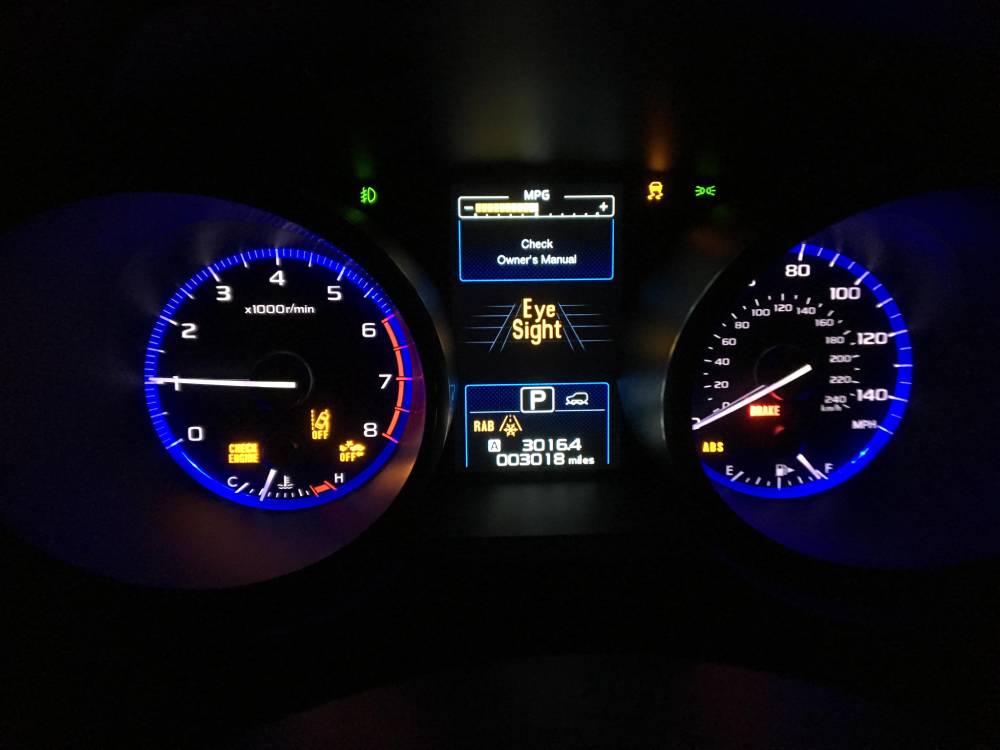
What Are Subaru Check Engine Light Codes?
Subaru Check Engine Light Codes are diagnostic trouble codes generated by your vehicle’s On Board Diagnostics system, commonly known as OBD II. These codes are designed to identify problems affecting engine performance, emissions systems, transmission components, and other critical functions within the vehicle.
When the vehicle’s computer detects an issue outside normal operating parameters, it stores a specific code and activates the Check Engine Light on the dashboard. This system helps technicians and vehicle owners pinpoint the source of a problem more efficiently.
Most Subaru models manufactured after 1996 use the standardized OBD II system. This means many diagnostic codes follow universal definitions, although Subaru may also utilize manufacturer specific codes for certain conditions.
Diagnostic trouble codes typically begin with a letter followed by four numbers. The first letter identifies the category of the issue.
P codes refer to powertrain problems involving the engine and transmission.
B codes indicate body related issues such as airbags or climate control systems.
C codes represent chassis related concerns including braking and steering systems.
U codes identify communication failures between different electronic control modules.
Understanding these codes allows Subaru owners to make more informed decisions when discussing repairs with mechanics. Rather than relying solely on the illuminated warning light, the actual diagnostic code provides valuable insight into the severity and nature of the problem.
Knowing the meaning behind Subaru Check Engine Light Codes can save time, reduce unnecessary repair expenses, and help prevent minor issues from developing into major mechanical failures.
How to Read Subaru Check Engine Light Codes
Reading Subaru Check Engine Light Codes is easier than many drivers realize. With an OBD II scanner, you can access valuable diagnostic information within minutes without visiting a repair shop.
The first step is locating the OBD II diagnostic port. In most Subaru vehicles, this connector is positioned beneath the dashboard on the driver’s side near the steering column.
Once you have located the port, plug in a compatible OBD II scanner. These devices range from basic handheld readers to advanced Bluetooth scanners that connect to smartphone applications.
Turn the ignition key to the ON position without starting the engine unless the scanner instructs otherwise. The scanner will establish communication with the vehicle’s computer system.
Select the option to retrieve stored diagnostic trouble codes. Some scanners also display pending codes, which indicate potential issues that have not yet triggered the Check Engine Light.
Write down every code exactly as displayed. Avoid clearing the codes immediately. While resetting the warning light may temporarily remove the dashboard alert, it does not resolve the underlying issue responsible for activating the system.
After obtaining the codes, consult a reliable Subaru diagnostic guide to determine the meaning of each entry. Factors such as engine symptoms, recent maintenance history, and driving conditions should also be considered during the diagnostic process.
Investing in an OBD II scanner can be especially beneficial for Subaru owners. It provides greater transparency regarding vehicle health and may help identify simple problems before they evolve into expensive repairs.
Most Common Subaru Check Engine Light Codes and Their Meanings
Certain diagnostic trouble codes appear more frequently across Subaru models. Familiarizing yourself with these common codes can help you understand the urgency of the situation and determine the most appropriate next steps.
P0420: Catalyst System Efficiency Below Threshold
The P0420 code typically indicates that the catalytic converter is not performing efficiently enough to meet emissions standards. Common causes include a failing catalytic converter, faulty oxygen sensors, or unresolved engine performance issues that have damaged the emissions system.
Drivers may notice reduced fuel economy, decreased engine performance, or an illuminated Check Engine Light with no obvious drivability symptoms. Repair costs vary significantly depending on the root cause and whether the catalytic converter requires replacement.
P0300: Random or Multiple Cylinder Misfire Detected
A P0300 code signals that one or more cylinders are misfiring inconsistently. Potential causes include worn spark plugs, defective ignition coils, vacuum leaks, fuel delivery problems, or internal engine issues.
Symptoms often include rough idling, hesitation during acceleration, loss of power, and increased fuel consumption. Because persistent misfires can damage the catalytic converter, this code should be addressed promptly.
P0171: System Too Lean Bank 1
This code indicates that the engine is operating with too much air and insufficient fuel within the combustion mixture. Vacuum leaks, dirty mass airflow sensors, clogged fuel injectors, or weak fuel pumps frequently contribute to this condition.
Ignoring a lean condition may eventually affect engine reliability and performance. Early diagnosis can prevent additional complications.
P0455: Evaporative Emission System Leak Detected Large Leak
One of the most common reasons for a Subaru Check Engine Light involves the EVAP system. In many cases, a loose or damaged fuel cap is responsible for triggering this code.
Other potential causes include cracked hoses or malfunctioning purge valves. While this issue rarely presents an immediate safety concern, repairs should not be postponed indefinitely because emissions efficiency may be compromised.
P0442: Evaporative Emission System Leak Detected Small Leak
The P0442 code resembles P0455 but refers to smaller leaks within the evaporative emissions system. Diagnosing these leaks can be challenging because visual inspections may not reveal the exact source of the problem.
Technicians often rely on smoke testing procedures to identify tiny leaks affecting system integrity.
P0011: Intake Camshaft Position Timing Over Advanced
This code may be associated with oil flow problems, malfunctioning variable valve timing components, or issues affecting Subaru’s Active Valve Control System.
Drivers could experience rough engine operation, poor acceleration, or reduced fuel efficiency. Maintaining proper oil change intervals is essential for minimizing the likelihood of this condition.
Recognizing these common Subaru Check Engine Light Codes empowers vehicle owners to respond appropriately and seek repairs before minor concerns escalate into more serious mechanical failures.
Subaru Check Engine Light Severity Guide
Not all Subaru Check Engine Light Codes require the same level of urgency. Some codes indicate relatively minor issues that can be addressed during a scheduled service appointment, while others demand immediate attention to prevent severe engine damage or costly repairs.
Low severity codes are generally associated with emissions related concerns that have little impact on immediate drivability. Examples include P0455 and P0442, both of which are linked to leaks within the evaporative emissions system. In many situations, these issues are caused by a loose fuel cap or small leaks in hoses. While it is usually safe to continue driving for a short period, scheduling a proper inspection remains important.
Moderate severity codes should not be ignored because they can gradually affect vehicle performance and fuel efficiency. Codes such as P0420 and P0171 fall into this category. A failing catalytic converter or a lean fuel condition may not create immediate safety risks, but delaying repairs could lead to more extensive damage and higher repair costs over time.
High severity codes require immediate attention. P0300, which indicates random or multiple cylinder misfires, can quickly damage the catalytic converter if the vehicle continues to operate under these conditions. Similarly, P0011 and P0700 may point to significant engine timing or transmission related concerns. Continuing to drive with these issues could compromise vehicle reliability and safety.
Understanding the severity associated with Subaru Check Engine Light Codes helps owners prioritize repairs effectively. When uncertainty exists, consulting a qualified technician is always the safest course of action.
Flashing vs. Solid Subaru Check Engine Light
The appearance of the Check Engine Light itself can provide important clues about the seriousness of the underlying issue. Subaru owners should understand the distinction between a solid warning light and a flashing one.
A solid Check Engine Light usually indicates that the vehicle has detected a fault requiring diagnosis and repair, but the issue may not demand immediate emergency action. Drivers should pay attention to changes in fuel economy, unusual noises, rough idling, or reduced engine performance. Arranging a diagnostic inspection as soon as reasonably possible is strongly recommended.
A flashing Check Engine Light is far more serious. This warning often signals an active engine misfire severe enough to damage the catalytic converter. Misfires allow unburned fuel to enter the exhaust system, creating excessive heat that can permanently destroy expensive emissions components.
If the Check Engine Light begins flashing while driving, reduce speed carefully and avoid heavy acceleration. If the vehicle exhibits shaking, loss of power, or abnormal engine behavior, pull over in a safe location and arrange professional assistance. Continuing to drive under these circumstances significantly increases the risk of extensive mechanical damage.
Recognizing the difference between a flashing and solid warning light can help Subaru owners make informed decisions that protect both their safety and their vehicle investment.
Can You Drive with the Subaru Check Engine Light On?
One of the most common questions Subaru owners ask is whether it is safe to continue driving after the Check Engine Light appears. The answer depends largely on the type of warning light behavior and the symptoms accompanying it.
If the light is solid and the vehicle continues to operate normally without unusual sounds, vibrations, overheating, or noticeable performance issues, short term driving may be acceptable. However, the diagnostic trouble codes should be retrieved as soon as possible to determine the cause of the warning. Delaying diagnosis for an extended period could allow a relatively simple problem to develop into a more expensive repair.
If the Check Engine Light is flashing, driving should be minimized or avoided altogether. Severe misfires and certain transmission related faults can rapidly damage critical components. In these situations, arranging towing services may be the safest option.
Drivers should also pay attention to additional warning signs such as reduced acceleration, stalling, strong fuel odors, smoke from the exhaust, or sudden decreases in fuel efficiency. These symptoms often indicate that the underlying issue requires immediate professional evaluation.
When in doubt, exercising caution is always advisable. Prompt diagnosis not only protects the health of your Subaru but may also reduce long term repair expenses. Addressing problems early often prevents minor concerns from escalating into major mechanical failures.
Ultimately, the Check Engine Light should never be ignored. Understanding Subaru Check Engine Light Codes and responding appropriately can help ensure your vehicle remains dependable, efficient, and safe to operate for years to come.
How to Reset Subaru Check Engine Light
Many Subaru owners want to know how to turn off the Check Engine Light once it appears. While resetting the warning light is possible, it is important to understand that clearing the code does not fix the underlying problem. The issue that triggered the warning must first be diagnosed and repaired.
The most effective way to reset the Check Engine Light is by using an OBD II scanner. After connecting the scanner to the diagnostic port beneath the dashboard, follow the device instructions to erase the stored trouble codes. Once the codes are cleared, the vehicle’s computer will begin monitoring system performance again.
Another method involves completing several normal driving cycles after the necessary repairs have been made. In some cases, the vehicle’s computer will automatically turn off the Check Engine Light after confirming that the fault no longer exists.
Some drivers attempt to disconnect the battery to reset the warning light. Although this may temporarily erase certain stored information, it can also reset other vehicle settings and may not resolve the actual problem. For this reason, it is generally not recommended as a primary solution.
If the Check Engine Light returns shortly after being reset, additional diagnosis is required. Recurring warning lights indicate that the original fault remains active or that another issue has developed.
Rather than focusing solely on turning the light off, Subaru owners should prioritize identifying and correcting the root cause. Proper repairs ensure long term reliability, improved performance, and greater peace of mind.
How to Prevent Future Subaru Check Engine Light Issues
Although it is impossible to eliminate every potential mechanical problem, regular maintenance significantly reduces the likelihood of unexpected Check Engine Light warnings.
One of the simplest preventive measures is ensuring that the fuel cap is tightened properly after refueling. Loose or damaged gas caps are among the most common reasons for EVAP related trouble codes.
Following Subaru’s recommended maintenance schedule is equally important. Routine oil changes help protect critical engine components, particularly those associated with variable valve timing systems. Using the correct oil type and viscosity specified by the manufacturer supports optimal engine operation.
Replacing spark plugs at the recommended intervals can help prevent ignition related issues that contribute to engine misfires. Ignoring worn ignition components increases the risk of reduced performance and catalytic converter damage.
Air filters should also be inspected and replaced when necessary. Restricted airflow can affect fuel mixture calculations and contribute to drivability concerns. Keeping sensors such as the mass airflow sensor clean may further improve system accuracy.
Promptly addressing minor vehicle symptoms can prevent larger problems from developing. Unusual noises, rough idling, hesitation during acceleration, or declining fuel economy should never be dismissed as normal aging.
Investing in periodic inspections and staying proactive with maintenance often costs far less than major repairs resulting from neglected issues. Preventive care remains one of the most effective strategies for maintaining a dependable Subaru.
Frequently Asked Questions About Subaru Check Engine Light Codes
What is the most common Subaru Check Engine Light code?
Many Subaru owners encounter EVAP related codes such as P0455 and P0442. These codes frequently result from loose fuel caps or small leaks within the evaporative emissions system. Misfire related codes, including P0300, are also commonly reported.
Can a loose gas cap trigger the Check Engine Light?
Yes. A loose, damaged, or improperly installed gas cap can disrupt the sealed evaporative emissions system and cause the vehicle’s computer to store an EVAP related diagnostic trouble code. Tightening or replacing the cap may resolve the issue after several driving cycles.
How much does Subaru diagnostic testing cost?
Diagnostic costs vary depending on the repair facility and geographic location. Independent repair shops often charge between fifty and one hundred fifty dollars for a basic diagnostic evaluation, while dealerships may charge higher rates. Purchasing an OBD II scanner can help owners perform preliminary diagnostics at home.
Can I reset the Check Engine Light without a scanner?
Although some drivers disconnect the battery to clear warning lights, this method is not always effective and may erase other stored settings. Using a compatible OBD II scanner remains the safest and most reliable approach.
Should I buy an OBD II scanner for my Subaru?
For many Subaru owners, an OBD II scanner is a worthwhile investment. It provides immediate access to diagnostic trouble codes, reduces uncertainty when warning lights appear, and may help identify simple issues before professional repairs become necessary.
Does a Check Engine Light always indicate a serious problem?
No. Some warning lights are triggered by relatively minor concerns such as a loose gas cap. However, certain codes may indicate significant engine or transmission problems. Retrieving the diagnostic trouble codes is essential for determining the severity of the situation.
Understanding the answers to these common questions can help Subaru owners respond more confidently when confronted with an illuminated Check Engine Light. Knowledge and timely action often make the difference between a simple repair and a costly mechanical failure.
Conclusion
Seeing the Check Engine Light illuminate on your Subaru’s dashboard can be stressful, especially if you are unsure about the cause or potential repair costs. However, understanding Subaru Check Engine Light Codes gives you the knowledge needed to respond calmly and make informed decisions about your vehicle’s maintenance and safety.
From minor EVAP system leaks caused by a loose gas cap to more serious issues involving engine misfires or transmission faults, diagnostic trouble codes provide valuable insight into your Subaru’s condition. Learning how to read these codes, recognize their severity, and determine when professional assistance is necessary can help you avoid unnecessary expenses and prevent small problems from becoming major repairs.
Regular maintenance also plays a crucial role in reducing the likelihood of future warning lights. Staying current with oil changes, spark plug replacements, and routine inspections helps keep your Subaru operating efficiently and reliably.
While the Check Engine Light should never be ignored, it does not automatically mean that catastrophic failure is imminent. With the right information and a proactive approach, Subaru owners can address issues promptly and maintain confidence behind the wheel.
Have you experienced a Check Engine Light on your Subaru? Share the diagnostic code or your repair experience in the comments. Your insight may help fellow Subaru owners facing similar challenges.