A high pressure fuel pump plays a critical role in every common rail diesel engine. It delivers fuel at the pressure needed for accurate injection and efficient combustion. Many modern diesel trucks use the Bosch CP4 pump because it meets factory performance requirements. However, many owners have questioned its long term reliability after experiencing unexpected pump failures.
When a CP4 pump fails, it can send metal debris through the fuel system. The contamination may damage the injectors, fuel rails, fuel lines, and other expensive components. As a result, repair costs can increase quickly. Many diesel owners look for a more reliable solution before a failure occurs.
A CP4 to DCR conversion replaces the factory CP4 pump with a DCR high pressure fuel pump. The upgrade focuses on reliability instead of higher horsepower. It helps reduce the risk of catastrophic fuel system damage while maintaining the fuel pressure your engine needs. Many truck owners choose this conversion because they want greater confidence for daily driving, towing, or commercial use.
In this guide, you will learn how a CP4 to DCR conversion works and why it has become a popular upgrade. You will also discover its benefits, vehicle compatibility, installation process, typical costs, and the key factors to consider before making your decision.
What Is a CP4 to DCR Conversion?
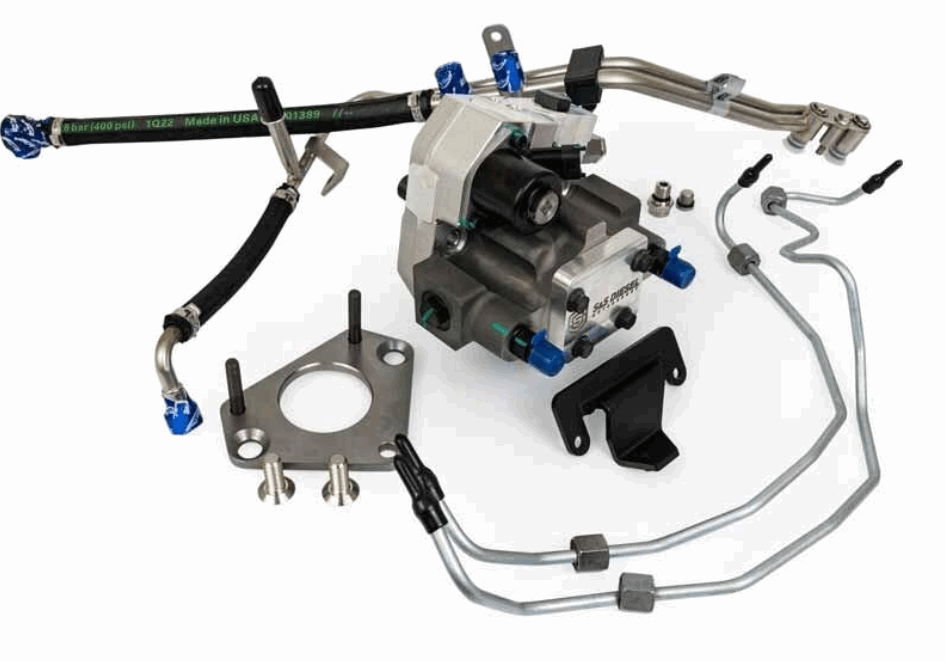
A CP4 to DCR conversion replaces the factory Bosch CP4 high pressure fuel pump with a DCR high pressure fuel pump. The primary goal is to improve fuel system reliability while maintaining the pressure required for proper common rail fuel injection. Unlike performance upgrades that focus on increasing horsepower, this conversion reduces the risk of fuel system failures and helps protect expensive engine components.
The CP4 pump generates the high fuel pressure needed for modern diesel engines. However, its internal design depends on precise lubrication from diesel fuel. Poor fuel quality, contamination, or inadequate lubrication can increase internal wear over time. If critical components begin to fail, the pump may release fine metal particles into the fuel system. Those particles can travel through the fuel rails and injectors, creating extensive damage that often requires multiple component replacements.
A DCR pump uses a more robust internal design to improve durability under demanding operating conditions. It continues to supply the fuel pressure required by the engine while reducing the likelihood of internal wear. For many diesel owners, the conversion provides greater confidence during daily driving, heavy towing, and commercial operation where fuel system reliability is essential.
The conversion usually involves more than replacing the pump alone. Most conversion kits include mounting hardware, fuel lines, brackets, seals, and other components that ensure proper installation. Some kits also include updated fittings or adapters to match the factory fuel system. Once installed correctly, the DCR pump integrates with the existing common rail system and supports normal engine operation without changing the vehicle’s driving characteristics.
Although a CP4 to DCR conversion cannot eliminate every possible fuel system problem, it addresses one of the most discussed reliability concerns in many modern diesel trucks. For owners who plan to keep their vehicles for many years, upgrading to a DCR pump is often considered a preventive investment rather than a repair after failure.
Why Do Diesel Owners Replace the CP4 Pump?
Many diesel owners replace the CP4 pump because they want to reduce the risk of a costly fuel system failure. Although the CP4 pump delivers the fuel pressure required by modern common rail engines, its internal design has become a common concern in the diesel community. A single pump failure can spread metal debris throughout the fuel system and damage several critical components at the same time.
The CP4 pump relies on diesel fuel to lubricate its internal moving parts. When fuel lubrication decreases or contamination enters the pump, internal friction increases. Over time, the cam and roller assembly can wear faster than intended. As the damaged surfaces continue to operate, they produce tiny metal particles that circulate with the fuel. These particles may clog the injectors, damage the fuel rails, and reduce overall engine performance.
Repairing a failed CP4 system often requires more than replacing the pump. Technicians frequently recommend replacing the injectors, high pressure fuel lines, fuel rails, filters, and other contaminated components. In severe cases, the repair cost can reach several thousand dollars because the entire high pressure fuel system requires cleaning or replacement. For this reason, many owners choose a preventive upgrade before a failure occurs.
A DCR conversion offers an alternative that focuses on long term durability. Its improved internal design helps reduce wear under normal operating conditions and lowers the chance of catastrophic fuel system contamination. While no fuel pump is completely failure proof, many diesel owners consider the DCR pump a more dependable solution for trucks used in daily driving, heavy towing, commercial fleets, or long distance travel. Investing in the conversion before problems appear often costs less than repairing extensive damage after a CP4 failure.
What Are the Benefits of a CP4 to DCR Conversion?
A CP4 to DCR conversion offers several practical benefits, but improved reliability remains the most important advantage. The DCR pump is designed to withstand demanding operating conditions while supplying the fuel pressure required by modern common rail diesel engines. As a result, many diesel owners choose this upgrade to reduce the likelihood of unexpected fuel system failures and expensive repairs.
One of the biggest benefits is better protection for the entire fuel system. If a CP4 pump experiences internal wear, metal particles can circulate through the injectors, fuel rails, and high pressure fuel lines. Cleaning or replacing these components often requires significant time and money. A DCR pump helps lower this risk by using a more durable internal design that minimizes premature wear under normal operating conditions.
The conversion also provides greater confidence for trucks that operate under heavy workloads. Vehicles used for towing, hauling, or commercial transportation place continuous demand on the fuel system. A more durable high pressure pump helps maintain consistent fuel delivery during long trips and demanding driving conditions. Stable fuel pressure also supports smoother engine operation and predictable performance without changing the factory driving characteristics.
Another advantage is lower long term ownership costs. Although the initial conversion requires an upfront investment, many owners view it as preventive maintenance rather than an optional upgrade. Avoiding a catastrophic CP4 failure can save thousands of dollars in future repair expenses. For drivers who plan to keep their diesel truck for many years, the conversion often delivers greater value than replacing damaged fuel system components after a failure occurs.
A CP4 to DCR conversion also increases peace of mind. Owners can focus on driving instead of worrying about one of the most discussed weaknesses in the factory fuel system. While routine maintenance and clean diesel fuel remain essential, a DCR pump gives many diesel truck owners additional confidence every time they start the engine or tow a heavy load.
How Does a DCR Pump Compare with a CP4 Pump?
A DCR pump and a CP4 pump perform the same basic function, but they differ in design, durability, and long term reliability. Both pumps generate the high fuel pressure needed for a common rail diesel engine. However, many diesel owners prefer the DCR pump because it is engineered to handle demanding operating conditions with greater consistency.
The biggest difference lies in the internal design. The CP4 pump uses a compact mechanism that depends heavily on fuel lubrication to protect its moving parts. If lubrication decreases or contaminants enter the system, internal wear can develop more quickly. The DCR pump uses a stronger internal architecture that improves durability and reduces the chance of premature component wear during normal operation.
Fuel delivery is another important difference. Both pumps supply the pressure required for factory engine performance, so a DCR conversion does not automatically increase horsepower. Instead, the upgrade focuses on maintaining stable fuel pressure over time. Consistent fuel delivery supports smooth engine operation and helps the fuel injection system perform as intended under different driving conditions.
Maintenance requirements also favor the DCR pump in many situations. Both systems require clean diesel fuel, regular filter replacement, and proper servicing. However, many owners install a DCR pump to reduce the risk of widespread fuel system contamination caused by internal pump failure. This preventive approach can help avoid expensive repairs that involve injectors, fuel rails, and high pressure fuel lines.
Choosing between the two pumps depends on your priorities. A factory CP4 pump may continue to perform well when it receives proper maintenance and high quality fuel. However, drivers who value long term reliability often consider the DCR pump a worthwhile upgrade. This is especially true for trucks used for towing, commercial work, or high annual mileage, where dependable fuel system performance is essential.
Which Vehicles Are Compatible with a CP4 to DCR Conversion?
A CP4 to DCR conversion is only available for diesel vehicles equipped with a Bosch CP4 high pressure fuel pump. Compatibility depends on the engine platform, model year, and the conversion kit selected. Before purchasing any parts, owners should confirm that the kit matches their vehicle’s fuel system and engine configuration.
Ford Super Duty trucks equipped with the 6.7L Power Stroke are among the most common candidates for this upgrade. Many aftermarket manufacturers offer complete conversion kits for these engines because the CP4 pump has been widely discussed within the Power Stroke community. The conversion allows owners to replace the factory pump without changing the operation of the common rail fuel injection system.
Several GM Duramax engines also use the CP4 pump, making them suitable for a DCR conversion. However, compatibility varies by engine generation and production year. Some earlier Duramax models use different fuel pump designs and do not require this upgrade. Checking the engine code and vehicle specifications is the best way to determine whether a conversion kit is available.
Compatibility is not limited to the fuel pump alone. A complete conversion kit must also match the factory mounting points, fuel lines, drive gear, sensors, and electronic connections. Choosing a vehicle specific kit simplifies installation and helps maintain proper engine operation after the upgrade. Many manufacturers provide detailed compatibility charts to help owners identify the correct parts.
Before ordering a conversion kit, verify the vehicle’s model year, engine type, and existing fuel system components. Professional installers also recommend inspecting the injectors, fuel filters, and fuel lines during the conversion. Replacing worn components at the same time helps maximize the reliability of the upgraded fuel system and reduces the chance of future problems.
How Does the CP4 to DCR Conversion Process Work?
A CP4 to DCR conversion replaces the factory high pressure fuel pump with a DCR pump using a vehicle specific conversion kit. Although the exact procedure varies by engine, the overall installation process follows the same sequence. Careful preparation and proper installation are essential because the high pressure fuel system operates under extremely demanding conditions.
The process begins by relieving fuel system pressure and removing the original CP4 pump. Technicians then inspect the surrounding components for signs of wear or contamination. If the pump has already failed, they usually examine the injectors, fuel rails, high pressure lines, and fuel tank before installing new parts. Removing contaminated components at this stage helps prevent future problems.
Next, the installer mounts the DCR pump using the brackets and hardware supplied in the conversion kit. New fuel lines, fittings, seals, and adapters are installed where required to ensure proper alignment and leak free operation. Every connection must meet the manufacturer’s torque specifications because even a minor leak can affect fuel pressure and engine performance.
After the mechanical installation is complete, the fuel system is primed to remove trapped air before starting the engine. The technician checks fuel pressure, inspects every connection for leaks, and verifies that the engine operates normally under different conditions. Some vehicles may require additional calibration procedures depending on the conversion kit and engine platform, although many systems operate correctly without extensive electronic modifications.
Most professional installations take between six and ten hours, depending on the vehicle and the condition of the existing fuel system. Owners who choose an experienced diesel repair shop often benefit from a faster installation and a more thorough inspection. Proper installation is just as important as the quality of the DCR pump because both factors determine the long term reliability of the upgraded fuel system.
How Much Does a CP4 to DCR Conversion Cost?
The cost of a CP4 to DCR conversion depends on the vehicle, the conversion kit, and the installation method. Most owners pay for the DCR pump, the conversion kit, labor, and any additional fuel system parts that require replacement during the upgrade. Although the initial investment is significant, many diesel owners consider it less expensive than repairing a damaged fuel system after a CP4 failure.
A complete conversion kit usually represents the largest part of the total cost. Premium kits often include the DCR pump, mounting brackets, fuel lines, fittings, seals, and all required installation hardware. Some manufacturers also supply detailed instructions or vehicle specific components that simplify the installation process. Choosing a high quality kit can improve reliability and reduce compatibility issues.
Labor costs vary according to the engine platform and the repair shop. A professional technician may spend several hours removing the factory pump, installing the new components, inspecting the fuel system, and testing the engine after the conversion. If the original CP4 pump has already failed, the total cost can increase because contaminated injectors, fuel rails, fuel lines, or fuel filters may also require replacement.
Many owners choose to replace wear items during the conversion to avoid future repairs. Installing new fuel filters, inspecting the lift pump, and flushing the fuel system can improve the long term performance of the upgraded fuel system. While these services increase the upfront cost, they help protect the new DCR pump and reduce the risk of contamination.
When evaluating the overall expense, it is important to consider long term ownership costs instead of the installation price alone. A preventive CP4 to DCR conversion may help avoid extensive fuel system repairs that can cost several times more than the upgrade itself. For owners who plan to keep their diesel truck for years, the conversion often provides better value through improved reliability and lower repair risk.
What Should You Consider Before Converting?
A CP4 to DCR conversion is a significant investment, so it is important to evaluate several factors before making a decision. Choosing the right conversion kit is only one part of the process. Vehicle condition, installation quality, and long term maintenance also affect the reliability of the upgraded fuel system.
Start by confirming that the conversion kit is designed for your vehicle. Compatibility depends on the engine model, production year, and factory fuel system configuration. Installing the wrong components can create fitment issues or reduce fuel system performance. Reviewing the manufacturer’s compatibility guide or consulting an experienced diesel technician helps eliminate unnecessary risks.
The condition of the existing fuel system also deserves careful attention. If the CP4 pump has already shown signs of failure, inspect the injectors, fuel rails, fuel lines, and fuel tank for contamination before installing the new pump. Replacing a damaged pump without removing metal debris can shorten the lifespan of the new components and lead to additional repairs.
Professional installation is another important consideration. Although experienced mechanics may complete the conversion themselves, many owners prefer a qualified diesel repair shop. Professional installers follow the correct torque specifications, verify fuel pressure, and inspect the system for leaks before returning the vehicle to service. Proper installation helps ensure that the DCR pump performs as intended from the first start.
Finally, consider your long term ownership plans. Drivers who tow heavy trailers, operate commercial vehicles, or accumulate high annual mileage often gain the greatest value from this upgrade. If you intend to keep your truck for many years, a CP4 to DCR conversion can improve reliability and reduce the risk of costly fuel system repairs in the future.
Is a CP4 to DCR Conversion Worth It?
A CP4 to DCR conversion is worth considering for diesel owners who prioritize long term reliability over short term savings. The upgrade does not aim to increase horsepower or transform engine performance. Instead, it reduces the risk of one of the most expensive fuel system failures associated with the factory CP4 pump. For many truck owners, that added reliability justifies the initial investment.
The conversion offers the greatest value for vehicles that tow heavy loads, travel long distances, or operate in commercial environments. These trucks place continuous demand on the fuel system, making dependable fuel delivery more important over time. A DCR pump helps maintain consistent fuel pressure while lowering the chance of internal pump wear. As a result, owners often gain greater confidence during daily operation and demanding workloads.
Drivers who plan to keep their trucks for many years may also benefit from the upgrade. Preventing a catastrophic fuel system failure can reduce future repair expenses and minimize unexpected downtime. Even if the factory CP4 pump continues to operate normally, many owners choose a preventive conversion because replacing a functioning pump usually costs less than repairing widespread fuel system damage after a failure.
However, the decision should match your driving habits and maintenance goals. Owners who drive limited annual mileage and maintain their fuel system carefully may decide to keep the original CP4 pump. Others may prefer to monitor the pump until replacement becomes necessary. Evaluating the vehicle’s condition, expected service life, and operating environment will help determine whether a preventive upgrade provides meaningful value.
Overall, a CP4 to DCR conversion is a practical investment for owners who want greater fuel system reliability and lower long term repair risk. When paired with clean diesel fuel, regular filter maintenance, and professional installation, the upgrade can help support dependable engine performance for many years.