The Honda Element has earned a loyal following thanks to its practical design, durable engineering, and impressive versatility. Even though production ended in 2011, it remains one of the most sought after compact SUVs on the used vehicle market. Buyers appreciate its spacious interior, washable cabin, and dependable four cylinder engine, making it an excellent choice for daily commuting, outdoor adventures, and even camper conversions. However, finding the best year for Honda Element is not as simple as choosing the newest model available.
Every model year has its own strengths and weaknesses. Some years benefited from engineering refinements and improved features, while earlier models experienced issues that buyers should understand before making a purchase. At the same time, a well maintained older Honda Element can easily outperform a newer example with poor service history. This is why reliability depends on much more than the production year alone.
This guide examines every Honda Element model year produced between 2003 and 2011 to help you make an informed decision. You will learn which years offer the best reliability, which models deserve extra attention during inspection, and the most common mechanical problems reported by owners. We will also compare trim levels, discuss long term durability, and provide a practical buying checklist to help you avoid costly mistakes.
If you are searching for the best year for Honda Element, the short answer is that later production models generally offer the strongest balance of reliability, updated features, and overall value. However, the ideal choice ultimately depends on the vehicle’s condition, maintenance records, and ownership history. Understanding these factors will help you choose a Honda Element that delivers years of dependable service instead of unexpected repair bills.
What Is the Best Year for the Honda Element?
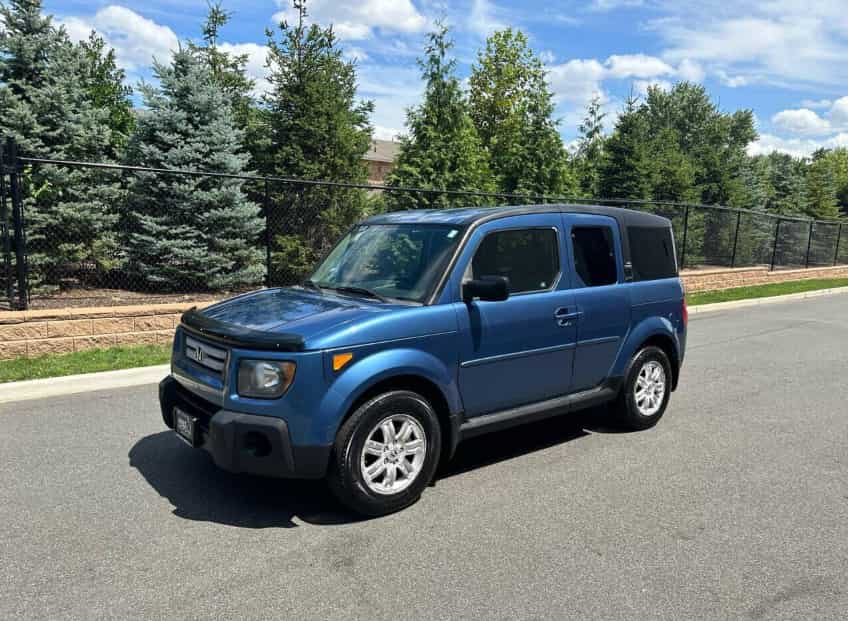
If you are searching for the best year for Honda Element, the 2011 model is the strongest overall choice. It was the final production year and benefited from years of continuous improvements. The design was fully refined, and Honda had already addressed many issues found in earlier models. As a result, the 2011 Honda Element earned a strong reputation for reliability and long term ownership.
However, the model year is only one part of the decision. A well maintained 2009 or 2010 Honda Element can be a better purchase than a neglected 2011 model. Regular oil changes, transmission servicing, and rust prevention have a much greater impact on long term reliability. A complete maintenance history is often more valuable than a newer production year.
For most buyers, the 2009 through 2011 models offer the best combination of reliability and value. These vehicles represent the final stage of the Honda Element’s production. They also include updated styling, improved interior materials, and more refined features. Many owners consider these years the sweet spot for buying a used Honda Element.
The earlier models from 2003 through 2006 can still be dependable vehicles. Many have exceeded 200,000 miles with proper maintenance. Even so, buyers should expect more age related wear. Structural rust, worn suspension parts, aging rubber components, and deferred maintenance are more common on these older vehicles. A professional inspection is strongly recommended before completing a purchase.
Overall, the best year for Honda Element combines a reliable production year with excellent maintenance records. A clean vehicle with documented servicing is usually a safer investment than one with lower mileage but poor care. For most shoppers, the 2011 Honda Element ranks first. The 2009 and 2010 models are also excellent alternatives. They often provide similar reliability at a slightly lower purchase price.
Honda Element Model Years Ranked
Choosing the best year for Honda Element is easier when you compare each model year side by side. While every Honda Element shares the same practical design and dependable four cylinder engine, some years stand out because they offer better reliability, fewer owner complaints, and stronger long term value. Later models generally benefited from years of engineering improvements, while earlier models often require more careful inspections because of their age. The following ranking highlights the model years that deserve the most attention if you are shopping for a used Honda Element.
2011 Honda Element
The 2011 Honda Element takes the top position because it represents the final year of production. By this point, Honda had refined the platform through nearly a decade of continuous development. Buyers benefit from a proven powertrain, updated styling, and features that make the vehicle feel more modern than earlier versions.
Another advantage is its strong resale value. Many owners purchased the 2011 model knowing it would be one of the last Honda Elements ever built. As a result, well maintained examples are often cared for more carefully and remain in excellent condition. Although prices can be higher than older models, the extra cost is often justified by better reliability and lower risk of unexpected repairs.
Prospective buyers should still inspect the vehicle carefully. Service records, rust condition, and accident history remain more important than the model year alone. A clean 2011 Honda Element with documented maintenance is widely considered one of the safest choices on the used market.
2010 Honda Element
The 2010 Honda Element offers many of the same advantages as the 2011 model. It shares the same mature platform and dependable drivetrain while usually selling for a slightly lower price. This balance makes it an excellent option for buyers who want strong reliability without paying the premium often associated with the final production year.
Many owners praise the 2010 model for its dependable performance and practical interior. Routine maintenance is generally straightforward, and replacement parts remain widely available. When properly maintained, this model can provide many years of reliable transportation with reasonable ownership costs.
As with any used vehicle, condition is the deciding factor. Buyers should inspect the suspension, cooling system, brakes, and underbody for signs of wear. A vehicle with complete maintenance records will almost always be a better investment than one with an uncertain history.
2009 Honda Element
The 2009 Honda Element is another excellent choice for buyers looking for reliability and value. It introduced refreshed styling that gave the vehicle a more modern appearance while maintaining the practicality that made the Element popular. Many drivers appreciate its comfortable cabin, flexible cargo space, and dependable mechanical components.
This model year often represents one of the best values on the used market. It usually costs less than the 2010 and 2011 models while delivering similar long term durability. Buyers who want to maximize value without sacrificing reliability often place the 2009 Honda Element near the top of their shopping list.
Before making a purchase, inspect the suspension, steering components, and underbody for corrosion. It is also important to verify that routine maintenance has been completed on schedule. A thorough inspection can reveal issues that may not be visible during a short test drive.
2008 Honda Element
The 2008 Honda Element remains a dependable option for buyers with a moderate budget. It combines proven mechanical components with practical features that continue to appeal to outdoor enthusiasts and families alike. Many examples have accumulated high mileage while continuing to deliver reliable performance.
Age is now the biggest consideration for this model year. Rubber bushings, suspension components, and cooling system parts may require replacement after years of regular use. Buyers should also look for signs of rust, especially if the vehicle spent time in regions where roads are heavily salted during winter.
A well maintained 2008 Honda Element can still provide excellent value. Complete service records and a clean inspection report are strong indicators that the vehicle has been properly cared for throughout its life.
2007 Honda Element
The 2007 Honda Element rounds out the list of recommended model years. It offers the same practical cabin layout and dependable engine that helped establish the Element’s reputation for durability. Many owners continue to drive these vehicles every day with few major mechanical concerns.
Because the 2007 model is older, careful inspection becomes even more important. Buyers should pay close attention to rust, suspension wear, engine oil leaks, and the overall maintenance history. A neglected vehicle can quickly become expensive to repair, regardless of its reputation for reliability.
For shoppers who find a clean example with documented service records, the 2007 Honda Element remains a worthwhile purchase. It often sells at a lower price than newer models while still delivering the versatility and dependability that make the Honda Element a popular choice in the used SUV market.
Honda Element Reliability by Production Years
The Honda Element built a strong reputation for reliability during its production run from 2003 to 2011. Every model shares the same practical design and dependable four cylinder engine, but reliability improved as Honda refined the vehicle over time. While many owners have driven their Honda Elements well beyond 200,000 miles, the overall condition of the vehicle remains just as important as the production year. Regular maintenance, careful driving habits, and timely repairs often determine how long a Honda Element will last.
The early production years from 2003 through 2006 continue to attract buyers because of their lower prices. These models can still provide dependable transportation when they have been properly maintained. However, their age means buyers should pay close attention to structural rust, suspension wear, rubber components, and maintenance history. A thorough inspection is essential before making a purchase.
The 2007 and 2008 models offer a balanced combination of affordability and proven reliability. By this stage, the Honda Element had benefited from several years of gradual refinement. Many owners appreciate these models because they deliver dependable performance without the higher prices often seen on the newest production years.
The 2009 through 2011 Honda Element models are generally considered the most desirable. They represent the final stage of production and benefit from the most refined version of the platform. These vehicles also tend to have updated styling and improved interior features that appeal to today’s used car buyers.
Overall, later production years provide the strongest balance of reliability and value. Even so, the best year for Honda Element always depends on the condition of the individual vehicle. A complete service history, minimal rust, and consistent maintenance are far more important than the production year alone. A well cared for Honda Element will almost always be a better investment than a newer model with poor maintenance records.
Common Honda Element Problems
The Honda Element has earned a reputation for long term durability, but every vehicle develops wear as it ages. Since the newest Honda Element is more than a decade old, buyers should expect some mechanical and cosmetic issues. Learning about the most common Honda Element problems helps you avoid expensive repairs and choose a better used SUV. A careful inspection also gives you more confidence before you make a purchase.
Rust deserves the most attention. Winter road salt, moisture, and poor storage conditions can damage the frame and underbody over time. Buyers should inspect the suspension mounting points, rocker panels, and floor pan for corrosion. Light surface rust rarely creates serious problems, but deep structural rust can reduce safety and increase repair costs.
Suspension components also wear with age. Bushings, ball joints, struts, and wheel bearings gradually lose performance after years of daily driving. During a test drive, listen for clunking sounds and pay attention to steering response. Uneven tire wear may also point to suspension or alignment problems.
Honda built the Element with a dependable engine and transmission, but regular maintenance remains essential. Check for oil leaks around the engine, inspect the cooling system, and confirm that previous owners changed the transmission fluid at the recommended intervals. A smooth cold start and responsive gear changes usually indicate good mechanical condition.
Electrical components deserve attention as well. Test the air conditioning, power windows, door locks, and dashboard controls before buying the vehicle. Small electrical faults may seem minor, but repairing several systems at once can quickly increase ownership costs.
Most Honda Element problems result from age, neglect, or poor maintenance rather than major design flaws. Buyers who choose a clean vehicle with complete service records often enjoy years of dependable ownership. Spending extra time on a detailed inspection can save thousands of dollars in future repairs.
Honda Element Recalls and Safety Considerations
Recalls play an important role when you evaluate any used vehicle, and the Honda Element is no exception. Many buyers assume that a recall makes a vehicle unreliable, but that is not always true. A recall simply means the manufacturer identified a safety issue and provided a repair. What matters most is whether a previous owner completed the required repair before selling the vehicle.
Before you buy a Honda Element, take a few minutes to check the vehicle identification number. A VIN search can confirm whether the vehicle still has an open safety recall or whether an authorized dealer completed all required repairs. This simple step can help you avoid unnecessary risks and give you greater confidence in your purchase.
Some Honda Element models participated in major industry wide recall campaigns, including the Takata airbag recall. Honda offered free repairs for affected vehicles, and many owners completed the replacement years ago. Even so, buyers should never assume that every vehicle received the required service. Always verify the repair history before signing any paperwork.
Safety inspections should go beyond recall information. Examine the brakes, steering system, suspension, tires, lights, and seat belts during your inspection. These components affect everyday driving and often reveal how well the previous owner maintained the vehicle. A thorough test drive can also uncover unusual noises, vibration, or handling problems that deserve further attention.
A clean recall history does not guarantee that a Honda Element is in excellent condition. Likewise, a completed recall does not reduce the vehicle’s value or reliability. Buyers should evaluate the entire vehicle instead of focusing on one repair record. When you combine a verified recall history with a professional inspection and complete maintenance records, you greatly improve your chances of finding a reliable Honda Element that will provide dependable service for many years.
Which Honda Element Trim Should You Buy?
Choosing the right trim is just as important as choosing the best year for Honda Element. Every trim offers the same practical layout and reliable engine, but each one targets a different type of driver. Your budget, driving habits, and daily needs should guide your decision instead of focusing only on extra features.
The LX trim works well for buyers who want a simple and affordable used SUV. It includes the core features that made the Honda Element popular while avoiding unnecessary equipment. Fewer electronic features can also mean fewer components that require repairs as the vehicle ages. Buyers who value reliability over convenience often find the LX to be a practical choice.
The EX trim remains the most popular option on the used market. It adds comfort and convenience features that improve the overall driving experience without changing the vehicle’s dependable character. Many buyers prefer the EX because it strikes an excellent balance between price, equipment, and long term value. Well maintained EX models also attract strong demand when owners decide to sell.
The SC trim appeals to drivers who prefer a sportier appearance. Honda designed this version primarily for city driving and gave it unique styling details that set it apart from other trims. While the SC offers a more distinctive look, buyers who frequently drive on rough roads or unpaved trails may prefer the standard suspension found on the LX or EX.
You should also consider whether to choose front wheel drive or all wheel drive. Front wheel drive models usually cost less to purchase and maintain. They also deliver slightly better fuel economy. All wheel drive provides additional traction during rain, snow, or light off road driving. However, it includes more drivetrain components that require regular maintenance over time.
For most buyers, the EX trim offers the best overall value. It combines useful features, dependable reliability, and strong resale appeal. Regardless of the trim you choose, always prioritize a Honda Element with a clean maintenance history, minimal rust, and a thorough inspection. Those factors will have a much greater impact on long term ownership than the trim level alone.
How Long Does a Honda Element Last?
One of the biggest reasons buyers choose the Honda Element is its impressive lifespan. With proper care, this compact SUV can remain reliable for many years. Many owners continue to drive their vehicles well past 200,000 miles, and some even exceed 300,000 miles without major engine or transmission problems. Long term durability has helped the Honda Element build a loyal community and maintain strong demand in the used vehicle market.
The key to a long lasting Honda Element is consistent maintenance. Regular oil changes, timely transmission fluid service, and routine cooling system inspections help prevent expensive mechanical failures. Replacing worn suspension parts, brake components, and rubber seals also keeps the vehicle in good operating condition. Small repairs completed at the right time often prevent larger and more costly problems later.
Driving habits also influence the lifespan of a Honda Element. Gentle acceleration, smooth braking, and routine highway driving place less stress on the engine and drivetrain. Owners who follow the recommended maintenance schedule usually experience fewer unexpected repairs and lower ownership costs over time.
Mileage tells only part of the story. A Honda Element with higher mileage and complete service records can be a better investment than a lower mileage vehicle with poor maintenance. Buyers should inspect maintenance documents, check for rust, and evaluate the overall condition before making a decision. A professional pre purchase inspection can also identify hidden issues that may not appear during a short test drive.
Although later production years often attract more attention, every Honda Element has the potential to deliver excellent reliability. The vehicle’s condition, maintenance history, and previous ownership matter far more than the number shown on the odometer. Buyers who focus on these factors often enjoy dependable transportation for many years while avoiding unnecessary repair expenses.
Honda Element Buying Checklist
Buying a used Honda Element requires more than a quick test drive. A careful inspection helps you identify hidden problems and reduces the risk of expensive repairs after the purchase. Spending extra time with the vehicle can also help you negotiate a better price if you discover minor issues. Following a simple checklist makes it easier to evaluate every Honda Element in a consistent way.
Start with the exterior and underbody. Look for rust around the frame, rocker panels, suspension mounting points, and wheel arches. Check that the body panels line up correctly and inspect the paint for signs of previous accident repairs. Open and close every door to confirm that the hinges and latches operate smoothly.
Next, inspect the engine compartment. Look for oil leaks, coolant leaks, cracked hoses, and worn belts. Check all fluid levels and examine the battery for corrosion. Start the engine from a cold condition and listen for unusual noises. The engine should idle smoothly without excessive vibration or warning lights.
Take the vehicle on a thorough test drive. Pay attention to steering response, brake performance, suspension noise, and transmission operation. The Honda Element should accelerate smoothly and shift without hesitation. Listen for wheel bearing noise and check whether the vehicle pulls to one side during braking.
Do not overlook the interior. Test the air conditioning, heater, power windows, door locks, lights, and audio system. Make sure every seat folds and locks correctly. Inspect the cargo area for water leaks, mold, or unusual odors that may indicate poor sealing.
Finally, review all available documents before making a decision. Ask for maintenance records, repair receipts, and a vehicle history report. Verify that the VIN matches the paperwork and confirm that all recall repairs have been completed. A Honda Element with complete records and a clean inspection usually offers far better value than one with an uncertain history. Taking these steps can help you buy with confidence and enjoy reliable ownership for years to come.
Is a Honda Element Still Worth Buying?
The Honda Element remains one of the most practical compact SUVs on the used market. Its unique design, flexible interior, and dependable powertrain continue to attract drivers who need a vehicle that adapts to different lifestyles. Whether you commute every day, enjoy weekend camping trips, or need extra cargo space, the Honda Element still offers features that many newer SUVs cannot match.
One of its biggest strengths is versatility. The spacious cabin provides plenty of room for passengers, pets, outdoor gear, or bulky equipment. The rear seats fold or remove easily, allowing owners to create a large cargo area within minutes. Many outdoor enthusiasts also appreciate the durable interior because it handles dirt, mud, and heavy use better than traditional fabric cabins.
Reliability is another reason the Honda Element remains popular. Owners who follow the recommended maintenance schedule often enjoy many years of dependable service. Replacement parts remain widely available, and many independent repair shops have experience working on Honda vehicles. These advantages help keep long term ownership costs reasonable.
However, buyers should also consider the vehicle’s age. Every Honda Element is now a used vehicle, so careful inspection is essential before making a purchase. Rust, neglected maintenance, and accident damage can quickly reduce the value of an otherwise dependable SUV. Spending more for a well maintained example often saves money over the long run.
For buyers who value practicality, durability, and long term reliability, the Honda Element continues to be an excellent choice. Choosing the right model year is important, but choosing the right vehicle matters even more. A clean inspection report, complete service records, and responsible previous ownership will always provide more confidence than mileage alone.
Final Verdict
The best year for Honda Element is generally the 2011 model because it combines the most refined version of the platform with proven reliability and strong long term value. Buyers who cannot find a clean 2011 model should also consider the 2010 and 2009 versions. These model years offer similar dependability and often cost less in the used vehicle market.
Older Honda Element models can still deliver excellent reliability when previous owners maintain them properly. Instead of focusing only on the production year, pay close attention to maintenance records, rust condition, accident history, and overall mechanical health. These factors have a much greater impact on ownership experience than the model year itself.
Before completing your purchase, inspect the vehicle carefully, review the service history, verify the VIN, and schedule a professional pre purchase inspection whenever possible. Taking these simple steps will help you avoid expensive surprises and increase your chances of finding a dependable vehicle.
If you want the strongest combination of reliability, practicality, and long term value, the 2011 Honda Element remains the top recommendation. Even so, any well maintained Honda Element can provide years of dependable transportation. Choosing the right vehicle instead of simply choosing the newest model year is the smartest strategy for any used car buyer.