Many Honda owners start looking for a Honda Dual Pump Fluid II equivalent when the original fluid becomes expensive or difficult to find. Others simply want a high quality aftermarket option that offers similar performance. However, choosing the wrong fluid can create serious problems for the rear differential. It may also reduce the performance of the Honda Real Time AWD system.
Unlike a conventional differential, Honda’s Dual Pump system depends on specific friction properties. The fluid helps the wet clutch packs engage smoothly and transfer power when extra traction is needed. Generic gear oil or ordinary differential fluid cannot always deliver the same results. As a result, drivers may notice shudder, binding, groaning noises, or delayed AWD engagement after replacing the fluid.
Fortunately, several manufacturers now produce products for Honda AWD applications. Even so, not every product marketed as an equivalent meets Honda’s requirements. Some brands provide official compatibility information, while others rely only on online descriptions or customer reviews. Understanding this difference helps you avoid unnecessary repairs and unexpected maintenance costs.
In this guide, you will discover the 10 best Honda Dual Pump Fluid II replacement fluids available today. You will also learn how the Dual Pump system works, which Honda and Acura models require this fluid, how to compare aftermarket alternatives, and how to avoid common buying mistakes. By the end of this article, you will know exactly which fluid best matches your vehicle and driving needs.
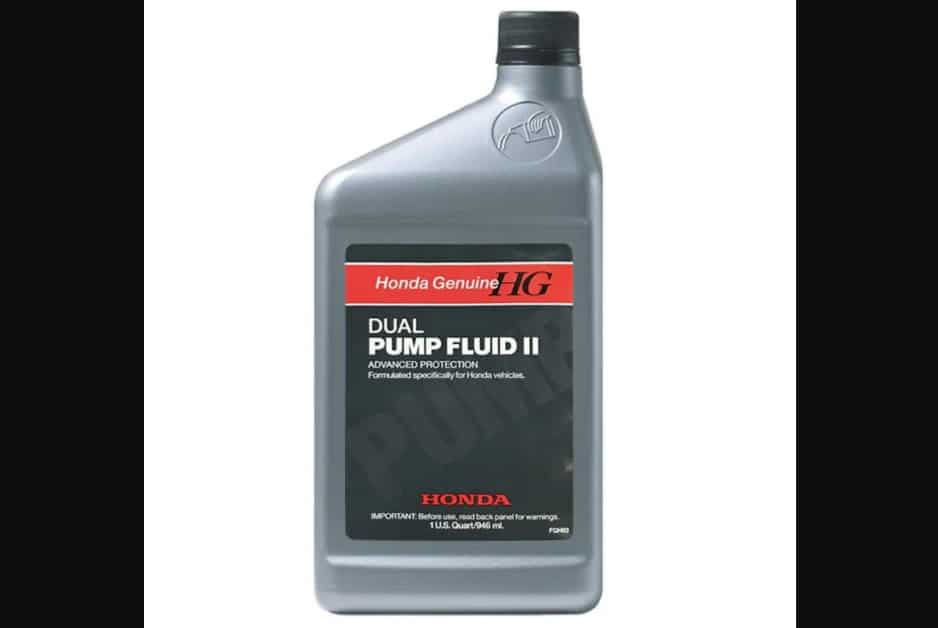
Quick Answer: What Is the Best Honda Dual Pump Fluid II Equivalent?
The best Honda Dual Pump Fluid II equivalent depends on your vehicle model and the fluid specifications listed in the owner’s manual. In most situations, Genuine Honda Dual Pump Fluid II remains the safest choice because Honda designed it specifically for its Dual Pump rear differential system. It delivers the correct friction characteristics and helps the AWD system operate as intended.
If Genuine Honda fluid is unavailable, you can consider an aftermarket alternative. However, you should only choose a product that clearly states compatibility with Honda Dual Pump Fluid II or Honda DPSF applications. Reputable manufacturers publish application guides and technical data to support their compatibility claims. Always verify this information before making a purchase.
Never select a replacement fluid based only on price or product title. Many universal differential fluids look similar, but they do not always provide the friction performance required by Honda’s wet clutch system. Using the wrong fluid may cause shudder during turns, unusual noises, binding, or poor AWD response. These symptoms often appear long before serious mechanical damage occurs.
The safest approach is simple. First, confirm your vehicle’s model year and drivetrain. Next, check the recommended fluid in the owner’s manual. Finally, compare that recommendation with the manufacturer’s latest application guide. Spending a few extra minutes on verification can help you avoid costly rear differential repairs in the future.
Honda Dual Pump Fluid II Equivalent Comparison Table
Before comparing each product in detail, review the table below for a quick overview. It highlights compatibility, strengths, and the ideal use case for every fluid. Use this comparison as a starting point, but always confirm the latest application guide before purchasing. Fluid recommendations may change as manufacturers update their product formulations or compatibility lists.
| Product | Honda DPF II Compatibility | Best For | Main Advantage | Main Limitation |
|---|---|---|---|---|
| Genuine Honda Dual Pump Fluid II | Yes | All approved Honda AWD models | OEM performance and proven compatibility | Higher price and limited availability |
| ENEOS Import DPS Fluid | Yes | Honda and Acura AWD vehicles | Specifically developed for Dual Pump systems | Not available in every region |
| Idemitsu Differential Fluid | Check application guide | Import vehicles | Trusted OEM supplier with consistent quality | Compatibility varies by application |
| Ravenol AWD H Fluid | Check application guide | Selected AWD systems | Strong cold weather performance | Verify vehicle compatibility before use |
| Pentosin FFL Series | Check application guide | European and selected import vehicles | Premium synthetic formulation | Not intended for every Honda model |
| Febi Bilstein Differential Fluid | Check application guide | Professional workshops | Reliable manufacturing quality | Limited official Honda application data |
| Liqui Moly Differential Fluid | Check application guide | Performance oriented drivers | Excellent thermal stability | Model specific compatibility required |
| Red Line Differential Fluid | Check application guide | Heavy duty driving conditions | High temperature protection | Not a universal Honda replacement |
| Motul Multi Differential Fluid | Check application guide | Mixed driving conditions | Smooth operation and wear protection | Always verify official compatibility |
| Valvoline Multi Vehicle Differential Fluid | Check application guide | Everyday maintenance | Easy to find and competitively priced | Product suitability depends on the vehicle |
This comparison shows that not every product offers the same level of compatibility. Genuine Honda Dual Pump Fluid II remains the reference standard because Honda engineered it for the Dual Pump rear differential. Several aftermarket manufacturers also produce high quality alternatives. However, their compatibility often depends on the vehicle model and production year. For that reason, technical documentation should always carry more weight than marketing claims or online product listings.
What Is Honda Dual Pump Fluid II?
Honda Dual Pump Fluid II is a specialized lubricant designed for Honda and Acura vehicles equipped with a Dual Pump rear differential. Unlike conventional differential oil, this fluid supports the operation of wet clutch packs inside the AWD system. It helps transfer power smoothly to the rear wheels whenever the vehicle needs additional traction.
The Honda Real Time AWD system works differently from a permanent four wheel drive system. Under normal driving conditions, the vehicle sends most of its power to the front wheels. When the front wheels begin to lose traction, the Dual Pump system creates hydraulic pressure inside the rear differential. That pressure engages the clutch packs and sends torque to the rear wheels. The process happens automatically and often within seconds, helping improve stability on wet roads, snow, gravel, or other low traction surfaces.
Fluid quality plays an important role in this process. Honda developed Dual Pump Fluid II with specific friction characteristics that allow the clutch packs to engage and release smoothly. The correct fluid also reduces heat, minimizes wear, and protects internal components during repeated AWD operation. Because of these properties, the rear differential can respond quickly without creating excessive vibration or noise.
Many drivers assume that any differential oil will perform the same job. However, that assumption can lead to expensive repairs. Standard gear oil focuses on protecting gears under heavy loads, while Honda Dual Pump Fluid II also controls clutch engagement. If the friction characteristics do not match the system’s requirements, the rear differential may produce groaning noises during tight turns, develop shudder under acceleration, or engage the AWD system less effectively.
Understanding the purpose of Honda Dual Pump Fluid II makes it easier to choose a suitable replacement. Instead of comparing products by viscosity or price alone, you should look for fluids that specifically support Honda Dual Pump or Honda DPSF applications. This simple step greatly reduces the risk of compatibility issues and helps maintain smooth AWD performance throughout the life of the vehicle.
Is Honda Dual Pump Fluid II the Same as DPSF or DPSF II?
Many Honda owners see the names Dual Pump Fluid, Dual Pump Fluid II, DPSF, and DPSF II on different bottles or online listings. This often creates confusion because the names look similar. In many cases, they refer to fluids designed for Honda or Acura Dual Pump rear differential systems. However, you should not assume they are always interchangeable.
Honda has used different product names and part numbers in various markets over the years. Some regions label the fluid as Dual Pump Fluid II, while others use DPSF or DPSF II. Acura models may also use similar naming conventions because Acura shares many AWD technologies with Honda. Even so, the label alone does not guarantee that every product fits every vehicle.
Vehicle specifications can change between model years and drivetrain configurations. A Honda CR V built in one market may require a different fluid than a newer model sold in another region. Some newer AWD systems also use different rear differential designs that require other lubricants. For this reason, you should always verify the recommended fluid before purchasing a replacement.
The safest approach is to check your owner’s manual first. Next, compare the required specification with the manufacturer’s official application guide. If both sources confirm compatibility, you can use the replacement with greater confidence. This process takes only a few minutes, but it helps prevent unnecessary wear, unwanted noise, and costly repairs.
When shopping for a Honda Dual Pump Fluid II equivalent, avoid relying on product names alone. Instead, focus on verified compatibility, technical documentation, and the manufacturer’s recommendations. Choosing the correct fluid protects the rear differential, improves AWD performance, and gives you greater confidence every time you drive.
How We Selected the 10 Best Replacement Fluids
Not every product advertised as a Honda Dual Pump Fluid II equivalent deserves a place on this list. Some manufacturers provide detailed technical information and official application guides, while others rely mainly on marketing claims. To help you make an informed decision, we evaluated every product using the same standards.
The first factor was compatibility. We gave priority to fluids that specifically support Honda Dual Pump Fluid II or Honda DPSF applications. Official manufacturer documentation carried far more weight than online product descriptions or customer reviews.
Next, we compared friction performance. Honda’s Dual Pump rear differential depends on controlled clutch engagement to distribute power between the front and rear wheels. A suitable fluid must deliver stable friction characteristics under different driving conditions. This helps reduce shudder, improve AWD response, and protect the clutch packs from premature wear.
Heat resistance also played an important role. Rear differentials generate significant heat during highway driving, towing, mountain roads, and repeated AWD engagement. A high quality fluid should resist oxidation, maintain its viscosity, and continue protecting internal components even under demanding conditions.
We also considered everyday ownership factors. Product availability, package size, price, brand reputation, and technical support all influence the overall value of a replacement fluid. A premium product offers little benefit if drivers cannot purchase it when routine maintenance becomes necessary.
Finally, we focused on long term reliability instead of short term cost savings. A slightly more expensive fluid that meets Honda’s requirements often provides better protection than a cheaper alternative with uncertain compatibility. Choosing the right product today can help extend the service life of the rear differential and reduce the risk of expensive repairs in the future.
Valvoline Multi Vehicle Differential Fluid
Valvoline has earned a strong reputation for producing reliable automotive lubricants, and its Multi Vehicle Differential Fluid remains a popular choice among drivers who want dependable protection for a wide range of differential systems. Because of its availability and brand recognition, many Honda owners also consider it when searching for a Honda Dual Pump Fluid II equivalent. While the product performs well in many applications, it should never replace the original fluid without confirming compatibility for your specific vehicle.
This differential fluid offers excellent protection against wear, oxidation, and heat during everyday driving. Its carefully balanced formula helps maintain stable lubrication under changing temperatures and demanding road conditions. Drivers who regularly travel long distances or encounter stop and go traffic can benefit from its consistent performance. The product also comes from a manufacturer with decades of experience in developing automotive lubricants, which gives many buyers additional confidence.
Even with these advantages, compatibility remains the most important factor. Honda designed the Dual Pump rear differential with unique friction requirements that differ from many conventional differential systems. A fluid that performs well in another vehicle may not deliver the clutch engagement characteristics required for Honda Real Time AWD. For that reason, you should always consult the latest Valvoline application guide and compare it with your owner’s manual before making a purchase.
Valvoline Multi Vehicle Differential Fluid ranks tenth because it combines reliable quality, broad availability, and solid protection for approved applications. However, it is not the first choice for every Honda AWD vehicle. Drivers who value long term reliability should always verify official compatibility before using this product as a Honda Dual Pump Fluid II equivalent.
Motul Multi Differential Fluid
Motul has built a strong reputation for producing premium lubricants for both passenger vehicles and motorsports. Its Multi Differential Fluid is designed to deliver stable lubrication and reliable protection under a variety of driving conditions. Many drivers appreciate the brand for its consistent quality, which is why it often appears in discussions about a Honda Dual Pump Fluid II equivalent. Although the fluid offers excellent performance in many differential systems, Honda owners should always verify compatibility before using it in a Dual Pump rear differential.
One of the biggest advantages of Motul Multi Differential Fluid is its ability to maintain stable performance under high temperatures and heavy loads. The advanced formulation helps reduce wear, limits oxidation, and protects internal components during extended driving. It also performs well in changing weather conditions, allowing the differential to operate smoothly throughout the year. These qualities make it an attractive option for drivers who frequently travel long distances or place additional demands on their vehicles.
Despite its impressive performance, this fluid should not be viewed as a universal replacement for every Honda AWD system. Honda designed the Dual Pump rear differential with specific friction characteristics that influence clutch engagement and torque distribution. Choosing a fluid based only on brand reputation or viscosity can lead to unwanted noise, vibration, or reduced AWD performance. The safest approach is to compare your owner’s manual with Motul’s latest application guide before completing a fluid change.
Motul Multi Differential Fluid ranks ninth because it combines premium quality, excellent thermal stability, and dependable wear protection. However, its suitability depends entirely on the specific Honda model and the manufacturer’s compatibility recommendations. Drivers who verify those details before purchasing can make a more informed decision and reduce the risk of future differential problems.
Liqui Moly Differential Fluid
Liqui Moly is a well known German lubricant manufacturer recognized for producing high quality automotive fluids and maintenance products. The company focuses on advanced formulations that improve lubrication, reduce wear, and support long service intervals. Because of its strong reputation, many Honda owners consider Liqui Moly when searching for a Honda Dual Pump Fluid II equivalent. While the brand offers excellent products, drivers should always verify that the selected fluid matches the requirements of their specific Honda AWD system.
One of the main advantages of Liqui Moly Differential Fluid is its outstanding thermal stability. The fluid maintains consistent performance during daily commuting, highway driving, and demanding operating conditions. It also provides strong protection against oxidation and helps minimize wear on internal differential components. Smooth lubrication can reduce mechanical stress and contribute to quieter operation throughout the service interval. These characteristics make the product appealing to drivers who expect dependable performance in different climates and driving environments.
Compatibility remains the most important factor before choosing this fluid. Honda designed the Dual Pump rear differential with unique friction characteristics that differ from those of many conventional differential systems. Even a premium lubricant cannot guarantee proper clutch operation unless the manufacturer specifically approves it for Honda Dual Pump applications. Before purchasing, compare your owner’s manual with Liqui Moly’s official application guide to confirm that the product meets the required specification for your vehicle.
Liqui Moly Differential Fluid earns the eighth position because it delivers premium quality, excellent wear protection, and reliable performance under demanding conditions. Its strong engineering background makes it an attractive option for many drivers. However, official compatibility should always guide your decision. Taking a few minutes to verify the correct application can help protect your Honda AWD system and prevent unnecessary repair costs in the future.
Red Line Limited Slip Friction Modifier
Red Line has built a loyal following among automotive enthusiasts by producing high performance lubricants for demanding driving conditions. Its Limited Slip Friction Modifier is designed to improve clutch engagement in limited slip differentials and reduce unwanted chatter during operation. Because Honda Dual Pump rear differentials also rely on controlled clutch friction, some owners consider this product when researching a Honda Dual Pump Fluid II equivalent. However, it is important to understand exactly what this product does before adding it to your vehicle.
Unlike a complete differential fluid, Red Line Limited Slip Friction Modifier is a friction modifier additive. It works by adjusting the friction characteristics of compatible differential lubricants rather than replacing the fluid itself. In certain applications, this can help reduce clutch chatter and improve smooth operation. Many professional mechanics use friction modifiers when servicing limited slip differentials that require this type of additive. Even so, Honda does not recommend adding aftermarket friction modifiers unless the service information specifically allows it.
For Honda Dual Pump rear differentials, the safest approach is to use a fluid that already contains the correct friction properties. Adding an extra friction modifier may change the fluid’s performance in ways that Honda did not intend. Before using any additive, review your owner’s manual and consult the latest technical documentation from both Honda and the product manufacturer. This simple step helps avoid unexpected AWD performance issues and protects the rear differential from unnecessary wear.
Red Line Limited Slip Friction Modifier ranks seventh because it offers excellent quality and can solve clutch chatter in the right application. However, it is not a direct replacement for Honda Dual Pump Fluid II. Instead, it serves a specialized purpose and should only be used when the vehicle manufacturer or a qualified technician recommends it. Understanding this difference allows you to choose the correct product and maintain reliable AWD performance over the long term.
Idemitsu Racing Gear Oil
Idemitsu is one of the world’s leading lubricant manufacturers and has supplied factory fill fluids for several Japanese automakers. Its reputation for quality and engineering makes the brand a popular choice among Honda owners looking for a Honda Dual Pump Fluid II equivalent. Although Idemitsu produces premium drivetrain lubricants, drivers should remember that not every gear oil in the company’s lineup is suitable for Honda Dual Pump rear differentials. Checking the correct product specification remains the most important step before making a purchase.
One of the biggest strengths of Idemitsu products is their consistent performance under a wide range of driving conditions. High quality base oils and advanced additives help reduce wear, resist oxidation, and maintain stable lubrication at both low and high temperatures. These qualities support smooth operation and help protect differential components during everyday commuting as well as long highway trips. Many drivers also trust the brand because of its long history of working with Japanese vehicle manufacturers.
Even with its strong reputation, compatibility should always come before brand loyalty. Honda designed the Dual Pump AWD system with unique clutch friction requirements that differ from conventional differentials. A premium lubricant cannot deliver the expected results unless it matches those specifications. Before using any Idemitsu product, compare the official application guide with your vehicle’s owner’s manual. This extra step helps prevent shudder, unwanted noise, and reduced AWD performance while ensuring the rear differential receives the protection it needs.
Idemitsu earns the sixth position because it combines outstanding manufacturing quality, dependable performance, and a trusted reputation in the automotive industry. For Honda owners who confirm the correct application, it can be a reliable alternative. However, choosing the proper product is far more important than choosing a familiar brand name, so always verify compatibility before servicing your rear differential.
Ravenol AWD H Fluid
Ravenol has become a respected name among drivers who value premium German lubricants and precise engineering. The company’s AWD H Fluid is formulated for selected all wheel drive systems that require specialized friction characteristics and consistent performance under varying driving conditions. Because of its advanced formulation, many Honda owners include it in their search for a Honda Dual Pump Fluid II equivalent. However, selecting this fluid should always begin with confirming that your specific Honda model appears in the manufacturer’s official application guide.
One of the strongest advantages of Ravenol AWD H Fluid is its ability to maintain stable performance across a wide temperature range. The fluid flows quickly during cold starts and continues to protect internal components when operating temperatures rise. Its balanced additive package helps reduce wear, control oxidation, and support smooth clutch engagement during repeated AWD operation. These qualities make it a strong candidate for drivers who frequently encounter rain, snow, steep roads, or changing weather conditions throughout the year.
Although Ravenol delivers excellent technical performance, compatibility remains more important than brand reputation. Honda engineered the Dual Pump rear differential with unique operating requirements that differ from many other AWD systems. Even a premium lubricant may not provide the correct friction behavior if it was not designed for Honda applications. Before replacing the original fluid, compare the specifications in your owner’s manual with Ravenol’s latest compatibility information. This simple check helps prevent differential noise, clutch shudder, and unnecessary mechanical wear.
Ravenol AWD H Fluid ranks fifth because it combines premium quality, excellent temperature stability, and dependable long term protection. It offers a strong option for approved applications and reflects the high manufacturing standards expected from a premium lubricant. Drivers who verify compatibility before installation can enjoy reliable AWD performance while protecting the rear differential for many miles to come.
Pentosin FFL Series
Pentosin has supplied premium automotive fluids for decades and has earned a strong reputation for engineering quality and consistent performance. Many professional repair shops and European vehicle specialists trust the brand because of its strict manufacturing standards. Although Pentosin products are widely known for transmission and drivetrain applications, some Honda owners also research the FFL Series when looking for a Honda Dual Pump Fluid II equivalent. As with any aftermarket lubricant, the first step is to confirm that the exact product matches your vehicle’s required specification.
One of the biggest advantages of the Pentosin FFL Series is its ability to maintain stable friction performance throughout a wide operating temperature range. The advanced formulation helps reduce wear, resist oxidation, and protect internal components during continuous driving. It also delivers smooth lubrication during cold starts and demanding highway conditions. These characteristics can improve overall drivetrain efficiency and help extend the service life of approved differential systems. Drivers who value long term reliability often appreciate the brand’s attention to quality and product consistency.
Even premium lubricants cannot replace the need for proper compatibility. Honda designed the Dual Pump rear differential with specific friction characteristics that control clutch engagement and torque transfer. A fluid developed for another AWD system may not produce the same results in a Honda application. Before selecting any Pentosin product, compare the latest manufacturer application guide with your owner’s manual. This simple verification reduces the risk of shudder, abnormal noise, and unnecessary wear while helping the AWD system perform as intended.
Pentosin FFL Series ranks fourth because it offers premium engineering, dependable protection, and excellent performance in approved applications. Its reputation for quality makes it an attractive option for drivers who prefer high end lubricants. However, verified compatibility should always guide your final decision. Choosing the correct fluid protects your rear differential and helps maintain smooth, reliable AWD performance throughout the life of your vehicle.
ENEOS Import DPS Fluid
ENEOS Import DPS Fluid is one of the strongest aftermarket options for drivers searching for a Honda Dual Pump Fluid II equivalent. Unlike many multi vehicle differential fluids, this product was developed specifically for import vehicles that use a Dual Pump rear differential system. ENEOS also provides clear application information for many Honda and Acura models, making it a trusted choice among professional technicians and experienced DIY owners. Its focused design gives buyers greater confidence than products that only claim broad compatibility without supporting documentation.
Performance is another reason this fluid ranks near the top of the list. ENEOS formulated the fluid to provide the friction characteristics required for smooth clutch engagement inside Honda Dual Pump rear differentials. The advanced additive package helps reduce wear, control oxidation, and maintain stable performance under both everyday driving and more demanding conditions. Drivers may also notice quieter differential operation and smoother AWD engagement when replacing old or degraded fluid with the correct specification. These qualities help protect expensive drivetrain components while supporting consistent vehicle performance.
Even though ENEOS Import DPS Fluid offers excellent compatibility, owners should still verify that the product matches their exact vehicle. Honda has used different AWD systems across various model years, and fluid requirements can change between generations. Checking the owner’s manual together with the latest ENEOS application guide remains the safest way to confirm compatibility before performing a fluid change. This simple step helps prevent unnecessary maintenance issues and ensures the rear differential receives the protection it was designed to have.
ENEOS Import DPS Fluid earns the third position because it combines strong technical performance, manufacturer supported compatibility, and a reputation for consistent quality. For many Honda and Acura owners, it represents one of the most dependable aftermarket alternatives currently available. Drivers who want OEM level performance without using the original fluid should place this product near the top of their shortlist.
Idemitsu DPS Fluid
Idemitsu DPS Fluid is one of the most trusted aftermarket choices for drivers searching for a reliable Honda Dual Pump Fluid II equivalent. As one of Japan’s leading lubricant manufacturers, Idemitsu has decades of experience developing high performance fluids for modern drivetrains. The company has also worked closely with several Japanese automakers, earning a reputation for quality, consistency, and advanced engineering. Those strengths make this fluid an attractive option for Honda owners who want dependable performance without sacrificing long term protection.
Unlike many universal differential oils, Idemitsu DPS Fluid focuses on the friction requirements of Dual Pump rear differential systems. Its carefully formulated additive package promotes smooth clutch engagement while protecting gears and internal components from excessive wear. Strong resistance to oxidation helps the fluid maintain stable performance throughout the service interval, even under demanding driving conditions. Consistent lubrication also supports quieter operation and smooth torque transfer whenever the AWD system sends power to the rear wheels.
Many professional technicians recommend Idemitsu because the brand maintains strict quality standards and invests heavily in lubricant research. Real world performance has also helped build confidence among owners of Honda and Acura AWD vehicles. Even with these advantages, checking compatibility should always come first. Compare your vehicle’s owner’s manual with the latest Idemitsu application guide before replacing the rear differential fluid. This simple step helps prevent shudder, vibration, and unnecessary drivetrain wear while ensuring the product matches your specific model.
Idemitsu DPS Fluid earns the second spot because it combines premium engineering, excellent durability, and strong compatibility with many Honda Dual Pump applications. Drivers who cannot source Genuine Honda Dual Pump Fluid II will find this product to be one of the most dependable aftermarket alternatives available today. Choosing the correct fluid and confirming official compatibility will help keep the rear differential operating smoothly for many years.
Genuine Honda Dual Pump Fluid II
Genuine Honda Dual Pump Fluid II remains the benchmark for every product on this list. Honda developed this fluid specifically for its Dual Pump rear differential system, making it the safest choice for vehicles that require this specification. Instead of relying on broad compatibility claims, the original fluid delivers the exact friction characteristics needed for smooth clutch engagement, efficient torque transfer, and reliable AWD operation. For owners who want maximum confidence, no aftermarket product can fully replace the assurance that comes with using the fluid recommended by Honda.
Every component inside the Dual Pump rear differential works together as a complete system, and the fluid plays a critical role in that process. Proper lubrication helps reduce wear, controls operating temperature, and protects internal clutch packs during repeated engagement. Consistent friction performance also minimizes common problems such as shudder, binding, and groaning noises when turning at low speeds. By using the correct fluid, drivers can help preserve the performance of the AWD system while extending the service life of expensive drivetrain components.
Another major advantage of Genuine Honda Dual Pump Fluid II is proven compatibility. Owners do not need to compare multiple specifications or study long application charts because Honda designed the product for its own AWD technology. Although the original fluid often costs more than many aftermarket alternatives, the difference in price is small when compared with the cost of repairing a damaged rear differential. Investing in the correct lubricant can save both time and money over the long term.
Genuine Honda Dual Pump Fluid II earns the top position because it delivers the highest level of reliability, performance, and peace of mind. Drivers who prefer factory recommended maintenance should always choose this fluid whenever it is available. If an aftermarket alternative becomes necessary, select only a product that clearly states compatibility with your specific Honda model and follows the latest manufacturer application guide. Making the right choice today helps ensure smooth AWD performance and dependable rear differential protection for years to come.
Which Honda Vehicles Use Dual Pump Fluid II?
Many Honda owners assume that every AWD model uses the same rear differential fluid. In reality, fluid requirements can vary depending on the model, production year, drivetrain design, and market where the vehicle was sold. Honda has updated its AWD technology several times, so one generation may require a different lubricant than another. For that reason, you should always verify the recommended specification before purchasing a Honda Dual Pump Fluid II equivalent.
Older Honda vehicles equipped with the Real Time AWD system are the most common applications for Honda Dual Pump Fluid II. Popular models include the Honda CR V, Honda Element, Honda Pilot, Honda Ridgeline, and selected Honda HR V versions. Several Acura models with similar AWD systems may also require the same type of fluid. However, Honda introduced new drivetrain technologies in later model years, and some vehicles no longer use the traditional Dual Pump rear differential. Assuming that every AWD Honda requires the same fluid can lead to costly maintenance mistakes.
The easiest way to confirm compatibility is by checking the owner’s manual. You can also contact a Honda dealership with your vehicle identification number or review the latest application guide published by the fluid manufacturer. These sources provide the most reliable information and help you avoid purchasing an incompatible product. Spending a few minutes on verification is far less expensive than replacing damaged drivetrain components.
The table below provides a general reference for some of the most common Honda and Acura models. Always treat it as a starting point rather than a final confirmation because equipment specifications may differ by model year and region.
| Vehicle | Typical AWD System | Common Fluid Requirement | Verification Recommended |
|---|---|---|---|
| Honda CR V | Real Time AWD | Honda Dual Pump Fluid II on many earlier models | Yes |
| Honda Element | Real Time 4WD | Honda Dual Pump Fluid II | Yes |
| Honda Pilot | AWD | Varies by model year | Yes |
| Honda Ridgeline | AWD | Varies by generation | Yes |
| Honda HR V | AWD | Check model year specification | Yes |
| Acura MDX | AWD | Depends on AWD system generation | Yes |
| Acura RDX | AWD | Depends on model year | Yes |
Choosing the correct fluid begins with identifying the exact AWD system installed in your vehicle. Once you confirm the required specification, you can compare aftermarket products with greater confidence and select a replacement that delivers reliable performance without compromising the rear differential.
Honda Dual Pump Fluid II vs Regular Differential Fluid
Many drivers believe that all differential fluids perform the same function. This misunderstanding often leads people to replace Honda Dual Pump Fluid II with a standard gear oil or a universal differential lubricant. While these products may appear similar, they serve different purposes and do not always provide the friction characteristics required by Honda’s Dual Pump AWD system.
Honda Dual Pump Fluid II was developed specifically for rear differentials that use wet clutch technology. The fluid not only lubricates gears and bearings but also controls the engagement of the clutch packs inside the differential. Smooth clutch operation allows the AWD system to transfer torque efficiently whenever the front wheels begin to lose traction. Stable friction performance is essential because even small changes can affect how the rear differential responds under different driving conditions.
Regular differential fluid focuses primarily on protecting gears from wear under heavy loads. Most conventional gear oils work well in standard differentials, but they do not necessarily support the friction requirements of Honda’s Dual Pump system. Installing the wrong lubricant may cause clutch chatter, groaning noises during tight turns, delayed AWD engagement, or reduced traction on slippery roads. Continued use of an incompatible fluid can also increase wear inside the rear differential and shorten the service life of important drivetrain components.
The comparison below highlights the main differences between the two fluid types.
| Feature | Honda Dual Pump Fluid II | Regular Differential Fluid |
|---|---|---|
| Primary Application | Honda Dual Pump AWD rear differential | Conventional front or rear differential |
| Clutch Compatibility | Designed for wet clutch operation | Not designed for wet clutch systems |
| Friction Characteristics | Precisely controlled for AWD performance | Optimized for gear protection |
| AWD Performance | Supports smooth torque transfer | May reduce system performance |
| Risk of Noise and Shudder | Very low when correctly applied | Higher if used in a Dual Pump system |
The safest choice is always the fluid specified for your vehicle. If you plan to use a Honda Dual Pump Fluid II equivalent, select a product that clearly states compatibility with Honda Dual Pump applications and appears in the manufacturer’s latest application guide. A verified replacement offers far better protection than a universal gear oil selected only because it has a similar viscosity.
Can You Use ATF or Gear Oil Instead?
Many Honda owners ask whether they can replace Honda Dual Pump Fluid II with automatic transmission fluid or conventional gear oil. The question usually comes up when the original fluid is unavailable or when drivers want to reduce maintenance costs. Although the idea may seem reasonable, the answer depends on your vehicle’s specifications and the recommendations provided by Honda.
Automatic transmission fluid and differential fluid perform different jobs. ATF is designed for hydraulic control, clutch operation, and lubrication inside an automatic transmission. Honda Dual Pump Fluid II also supports clutch engagement, but it uses a formulation created specifically for the rear differential. The friction characteristics, additive package, and operating requirements are not identical. Using ATF in a system that requires Honda Dual Pump Fluid II may affect clutch performance and reduce the efficiency of the AWD system.
Conventional gear oil presents a similar problem. Most gear oils focus on protecting gears under heavy loads rather than controlling the precise clutch friction required by a Dual Pump rear differential. As a result, the wrong lubricant can cause shudder, groaning noises, delayed torque transfer, or binding during low speed turns. These symptoms often become more noticeable as the fluid ages or when the vehicle operates under demanding conditions.
Some older Honda service information has referenced specific automatic transmission fluids for certain applications. However, those recommendations do not apply to every Honda model or every production year. Fluid specifications have changed as Honda introduced newer AWD technologies, so one vehicle may require a different lubricant than another.
The safest approach is to follow the owner’s manual and verify the latest fluid recommendation before servicing the rear differential. If Genuine Honda Dual Pump Fluid II is unavailable, choose only an aftermarket product that clearly lists compatibility with your specific Honda model. Spending a few extra minutes confirming the correct specification can help prevent expensive drivetrain repairs and keep the AWD system operating as designed.
Symptoms of Using the Wrong Differential Fluid
Using the wrong fluid in a Honda Dual Pump rear differential does not always cause immediate problems. In many cases, the vehicle continues to drive normally for a short period before noticeable symptoms begin to appear. As the fluid circulates through the system, incorrect friction characteristics can affect clutch engagement and reduce the efficiency of the AWD system. Recognizing these warning signs early gives you the opportunity to correct the problem before serious damage develops.
One of the most common symptoms is a groaning or humming noise while making slow, tight turns. Some drivers also notice shudder, vibration, or a slight hopping sensation when parking or driving through corners. These symptoms often indicate that the clutch packs are not engaging and releasing smoothly. Reduced traction on wet or slippery roads may also suggest that the rear differential is no longer transferring torque as efficiently as it should.
Additional warning signs include delayed AWD engagement, increased differential noise during acceleration, or a burnt smell coming from the old fluid during service. In more severe cases, prolonged use of an incompatible lubricant may accelerate wear on clutch packs, bearings, and other internal components. Continuing to drive without correcting the issue can increase repair costs and shorten the life of the rear differential.
Although these symptoms frequently result from using the wrong lubricant, they do not always point to a fluid problem. Worn bearings, damaged clutch packs, leaking seals, or internal mechanical failures can produce similar behavior. For that reason, drivers should avoid making assumptions based on symptoms alone.
If you suspect that the incorrect fluid has been installed, replace it with the recommended specification as soon as possible and monitor the vehicle during normal driving. When noise, vibration, or shudder continues after a proper fluid change, a professional inspection is the best way to identify the underlying cause and prevent further damage to the AWD system.
What to Do If You Used the Wrong Fluid
Discovering that the wrong fluid has been added to your Honda rear differential can be frustrating, but acting quickly often prevents more serious problems. Many drivers notice unusual noises or vibration soon after a fluid change, while others realize the mistake after checking the product label. Whatever the situation, the best response is to correct the issue as soon as possible instead of waiting for the symptoms to disappear on their own.
Start by confirming which fluid was installed. Review the service invoice, inspect the product container if it is still available, or ask the repair shop for the exact product name. Once you know what was used, compare it with the specification listed in your owner’s manual. This step helps determine whether the fluid actually meets the requirements of your Honda AWD system or whether it should be replaced immediately.
If the installed fluid does not match the required specification, drain the rear differential and refill it with the correct product. Replacing the fluid early can restore proper clutch operation and reduce the risk of long term wear. During the service, inspect the drain plug for excessive metal particles and replace any sealing washers if necessary. These simple checks provide valuable information about the overall condition of the differential.
After installing the correct fluid, drive the vehicle under normal conditions and pay attention to any unusual behavior. Listen for groaning noises during slow turns, watch for vibration, and notice how the AWD system responds on low traction surfaces. Many minor symptoms disappear once the correct lubricant circulates through the system.
If noise, shudder, or poor AWD performance continues after the fluid change, schedule a professional inspection. Persistent symptoms may indicate worn clutch packs, damaged bearings, or another mechanical issue that requires repair. Addressing these problems early helps protect the rear differential and prevents more expensive repairs in the future.
How to Change Honda Dual Pump Fluid II
Changing Honda Dual Pump Fluid II is an important part of maintaining the performance and reliability of your Honda AWD system. Fresh fluid helps the rear differential operate smoothly, reduces wear on internal components, and supports proper clutch engagement during torque transfer. Although many owners choose to visit a repair shop, experienced DIY enthusiasts can complete the service with the right tools and careful preparation.
Before starting, gather the correct replacement fluid, new sealing washers if required, a fluid transfer pump, a drain pan, the appropriate sockets, and a torque wrench. Park the vehicle on a level surface and allow the rear differential to cool before beginning the service. Keeping the vehicle level helps ensure an accurate fluid level during refilling.
Always remove the fill plug before removing the drain plug. This simple step confirms that you can refill the differential after draining the old fluid. Once the fill plug is loose, remove the drain plug and allow the old fluid to drain completely. Inspect the drain plug for metal particles because a small amount of fine metallic residue is normal. Large metal fragments, however, may indicate excessive internal wear and should receive further attention.
After the old fluid has drained, reinstall the drain plug with a new sealing washer if recommended. Use a fluid pump to add the correct amount of Honda Dual Pump Fluid II or a verified compatible replacement through the fill opening. Fill the differential until the fluid reaches the specified level, then reinstall the fill plug and tighten both plugs to the manufacturer’s torque specification.
Finish the service by checking for leaks around both plugs. Drive the vehicle for a short distance and listen for any unusual noises during low speed turns. A smooth and quiet operation usually indicates that the service was completed correctly. Following the recommended maintenance procedure and using the correct fluid will help keep the rear differential performing reliably for many years.
How Much Honda Dual Pump Fluid II Do You Need?
One of the most common questions during a rear differential service is how much Honda Dual Pump Fluid II to purchase. The correct amount depends on the vehicle model, model year, and the specific AWD system installed. Buying too little fluid may interrupt the service, while purchasing far more than necessary increases maintenance costs. Checking the required capacity before visiting the parts store can save both time and money.
Most Honda vehicles equipped with a traditional Dual Pump rear differential require approximately one quart of fluid for a standard drain and refill service. However, this figure should only serve as a general reference. Some models require slightly less, while others may need a greater amount depending on the rear differential design. Honda has also introduced different AWD systems over the years, so fluid capacity can change between generations of the same vehicle.
The table below provides approximate capacities for several popular Honda models. Always confirm the exact specification in your owner’s manual or official service information before purchasing a Honda Dual Pump Fluid II equivalent.
| Honda Model | Approximate Capacity* |
|---|---|
| Honda CR V | About 1.1 US quarts |
| Honda Element | About 1.1 US quarts |
| Honda Pilot | About 1.1 US quarts |
| Honda Ridgeline | About 1.1 US quarts |
| Honda HR V | Check the owner’s manual |
| Acura MDX | Check the owner’s manual |
| Acura RDX | Check the owner’s manual |
*Capacities vary by model year, drivetrain, and market.
Purchasing two bottles is often a practical choice because it provides enough fluid for most drain and refill procedures while leaving a small amount available if needed. After completing the service, dispose of any used fluid according to local environmental regulations. Using the correct amount of fluid is just as important as choosing the correct specification, since both factors contribute to smooth AWD operation and long term rear differential reliability.
Honda Rear Differential Fluid Change Interval
Following the correct maintenance schedule is one of the easiest ways to protect your Honda AWD system. Fresh rear differential fluid keeps the clutch packs operating smoothly, reduces wear, and helps maintain consistent torque transfer. Ignoring routine service can shorten the life of the differential and increase the risk of expensive repairs.
Honda does not recommend a single replacement interval for every vehicle. Instead, many models use the Maintenance Minder system to determine when the rear differential fluid should be replaced. The system monitors driving conditions and alerts the driver when service becomes necessary. This approach provides a more accurate maintenance schedule than relying on mileage alone.
Driving habits also affect how quickly the fluid wears out. Frequent towing, mountain driving, stop and go traffic, and regular operation on dirt or gravel roads place additional stress on the rear differential. Vehicles used in these conditions may require more frequent fluid changes than those driven mainly on highways. Drivers who notice shudder, groaning noises, or reduced AWD performance should also inspect the fluid even if the next scheduled service has not yet arrived.
Checking the condition of the fluid during routine maintenance is a good habit. Clean fluid usually appears clear and free from a burnt odor. Dark fluid, excessive contamination, or a strong burnt smell may indicate that replacement is necessary. Performing this simple inspection helps identify potential problems before they develop into costly repairs.
Using the correct Honda Dual Pump Fluid II equivalent and replacing it at the appropriate time helps maintain reliable AWD performance throughout the life of the vehicle. Always follow the recommendations in your owner’s manual and use the Maintenance Minder system as your primary guide whenever it is available.
OEM vs Aftermarket Honda Dual Pump Fluid
Choosing between Genuine Honda Dual Pump Fluid II and an aftermarket replacement is one of the biggest decisions Honda owners face during routine maintenance. Both options can provide reliable performance, but the right choice depends on your vehicle, driving habits, and the level of confidence you expect from the product. Understanding the differences makes it easier to select the best fluid for your AWD system.
Genuine Honda Dual Pump Fluid II remains the safest option because Honda developed it specifically for its Dual Pump rear differential. The fluid delivers the exact friction characteristics required for smooth clutch engagement, efficient torque transfer, and consistent AWD performance. Owners also benefit from factory tested compatibility, which removes the uncertainty that sometimes comes with aftermarket alternatives. Although the original fluid usually costs more, many drivers consider the extra expense worthwhile because it reduces the risk of using an unsuitable product.
Aftermarket fluids offer another practical solution, especially when Genuine Honda fluid is difficult to find or more expensive than expected. Several well known manufacturers produce high quality alternatives that perform well in approved applications. Products from companies such as ENEOS and Idemitsu have earned strong reputations because they publish compatibility information and develop fluids for import vehicles. Even so, not every aftermarket differential fluid meets the requirements of Honda Dual Pump systems. Brand reputation alone should never determine your decision.
Before purchasing any replacement fluid, compare the manufacturer’s latest application guide with the specification listed in your owner’s manual. This simple verification confirms whether the product is suitable for your exact model and production year. Choosing a compatible fluid protects the rear differential, maintains smooth AWD operation, and helps prevent unnecessary repair costs.
For drivers who value maximum peace of mind, Genuine Honda Dual Pump Fluid II remains the best choice. Those who prefer an aftermarket product should focus on verified compatibility instead of marketing claims or lower prices. Making an informed decision today helps ensure dependable AWD performance for many years to come.
Frequently Asked Questions
What is the best Honda Dual Pump Fluid II equivalent?
The best Honda Dual Pump Fluid II equivalent is a product that the manufacturer specifically approves for Honda Dual Pump or Honda DPSF applications. Genuine Honda Dual Pump Fluid II remains the safest option because Honda designed it for its AWD system. If you prefer an aftermarket product, choose one with documented compatibility and always verify the latest application guide before purchasing.
Can I use regular differential fluid instead of Honda Dual Pump Fluid II?
No. Conventional differential fluid does not provide the friction characteristics required by Honda’s Dual Pump rear differential. Using the wrong lubricant may lead to clutch chatter, groaning noises, delayed AWD engagement, or reduced traction. Always use the fluid specified in your owner’s manual or an approved equivalent.
Is Honda Dual Pump Fluid II the same as DPSF?
In many markets, Honda Dual Pump Fluid II and DPSF refer to fluids designed for Honda Dual Pump rear differentials. However, product names and specifications may vary by region and model year. Always confirm the correct fluid requirement for your specific vehicle before replacing the rear differential fluid.
Can I use automatic transmission fluid in my Honda rear differential?
Automatic transmission fluid should not replace Honda Dual Pump Fluid II unless Honda specifically approves it for your vehicle. Transmission fluid and Dual Pump fluid serve different purposes and use different friction characteristics. Using the wrong fluid may reduce AWD performance and increase wear inside the rear differential.
How often should Honda Dual Pump Fluid II be replaced?
The replacement interval depends on the vehicle model and driving conditions. Many Honda vehicles rely on the Maintenance Minder system to determine the correct service time. Drivers who tow, drive in mountainous areas, or travel on rough roads may need more frequent fluid changes. Always follow the recommendations in your owner’s manual.
What happens if I use the wrong differential fluid?
The wrong fluid can cause shudder, vibration, groaning noises, delayed torque transfer, and poor AWD performance. Continued use may increase wear on clutch packs and other internal components. Replacing the incorrect fluid as soon as possible helps reduce the risk of long term damage.
Conclusion
Choosing the right Honda Dual Pump Fluid II equivalent is more important than simply finding the lowest price or the most familiar brand. Honda designed its Dual Pump AWD system with unique friction requirements, and the correct fluid plays a vital role in protecting the rear differential, maintaining smooth clutch engagement, and delivering reliable all wheel drive performance. Selecting an incompatible lubricant may save money in the short term, but it can lead to expensive repairs later.
Throughout this guide, we compared the leading replacement fluids, explained how the Dual Pump system works, and highlighted the differences between OEM and aftermarket products. Genuine Honda Dual Pump Fluid II remains the benchmark for reliability, while carefully selected alternatives from reputable manufacturers can provide excellent performance when they are approved for your specific vehicle.
Before purchasing any replacement fluid, take a few minutes to confirm your model year, drivetrain, and the required specification listed in the owner’s manual. Then compare that information with the latest application guide provided by the fluid manufacturer. This simple step helps eliminate guesswork and ensures you choose a product that supports the long term health of your Honda AWD system.
By following the recommendations in this guide, you can service your rear differential with confidence, reduce unnecessary maintenance costs, and enjoy smooth, dependable AWD performance for many miles to come.