Nothing is more frustrating than turning on your Honda Civic’s air conditioner on a hot day only to discover that it is blowing warm air or no air at all. Whether you are commuting to work, taking a road trip, or sitting in heavy traffic, a malfunctioning air conditioning system can quickly make every drive uncomfortable. In many cases, the problem develops gradually, beginning with weak airflow or inconsistent cooling before the system stops working completely. However, some failures happen without warning, leaving drivers wondering what went wrong and whether the repair will be expensive.
If your Honda Civic AC not working has become a daily concern, the good news is that the underlying cause is not always a major mechanical failure. A clogged cabin air filter, a blown fuse, or a low refrigerant level can produce symptoms similar to those caused by a faulty compressor or a leaking condenser. Because several components work together to keep the cabin cool, identifying the exact symptom is the first step toward finding the correct solution. Understanding how these parts interact can also help you avoid replacing expensive components that are still functioning properly.
This comprehensive guide explains the ten most common reasons a Honda Civic air conditioning system stops cooling. You will learn how to recognize the warning signs, understand why each problem occurs, and determine whether the issue can be fixed at home or requires professional diagnosis. In addition, this article covers practical troubleshooting steps, common repair costs, and preventive maintenance tips to help keep your Honda Civic’s air conditioning system operating efficiently throughout the year.
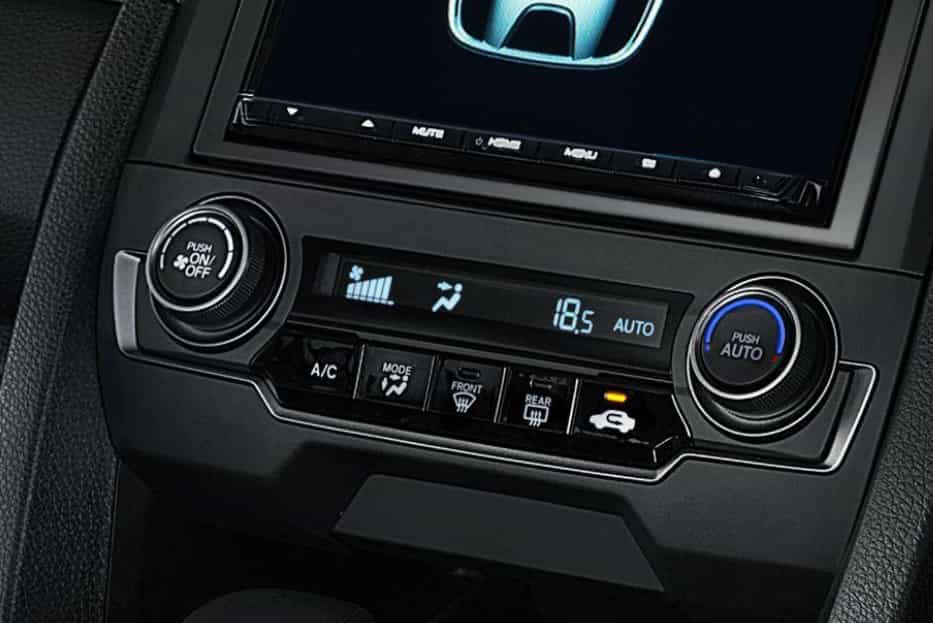
Signs Your Honda Civic AC Is Not Working
A faulty air conditioning system does not always fail without warning. In many cases, your Honda Civic will show several symptoms before the cooling performance becomes noticeably worse. Recognizing these early warning signs can help you identify the problem sooner, reduce repair costs, and prevent unnecessary damage to other AC components. Since the air conditioning system consists of multiple parts working together, each symptom can provide valuable clues about where the fault may be located.
The most obvious sign is warm air blowing from the vents even though the AC is turned on. Some drivers may also notice weak airflow, while others experience no airflow at all. In certain situations, the system cools normally for a few minutes before suddenly blowing warm air, only to recover again later. Strange noises, unpleasant odors, or reduced cooling when the vehicle is idling are also common indicators that something is not working correctly. Although these symptoms may seem similar, they often point to different mechanical or electrical problems that require different repair methods.
Before replacing expensive parts such as the compressor or condenser, it is important to understand exactly what the air conditioning system is doing. A simple issue like a clogged cabin air filter or a blown fuse can produce symptoms that closely resemble a major AC failure. The following table summarizes the most common warning signs of a Honda Civic AC not working and the components that are most likely responsible. Using these symptoms as a starting point will make the troubleshooting process faster, more accurate, and far more cost effective.
Low Refrigerant Level
Low refrigerant is one of the most common reasons a Honda Civic AC not working properly. Refrigerant removes heat from the cabin and releases it through the condenser. When the refrigerant level drops, the system cannot cool the air efficiently. As a result, the vents begin blowing warm or slightly cool air instead of cold air.
Unlike engine oil, refrigerant does not wear out during normal operation. If the level becomes low, the system almost always has a leak. Small leaks often develop in the condenser, compressor, hoses, seals, or evaporator. At first, you may notice weaker cooling on hot days. However, the problem usually becomes worse as more refrigerant escapes.
Low refrigerant also affects system pressure. The compressor may switch on and off more often than normal because it cannot maintain the correct pressure. In some cases, the AC cools for a few minutes before warm air suddenly returns. These symptoms often indicate that the refrigerant level has fallen below the recommended range.
Many drivers try to solve the problem with a recharge kit. However, adding refrigerant without fixing the leak only provides temporary relief. The refrigerant will eventually leak out again. In addition, too much refrigerant can increase system pressure and reduce cooling performance.
Instead, inspect the AC system for oily residue, damaged hoses, or visible leaks. If you cannot locate the problem, ask a qualified technician to perform a leak test and recharge the system correctly. Fixing the leak first restores reliable cooling and helps protect the compressor from expensive damage later.
Damaged or Leaking AC Condenser
A damaged or leaking condenser is another common reason a Honda Civic AC not working properly. The condenser sits at the front of the vehicle, just behind the grille. This location allows it to release heat from the refrigerant as air passes through the fins. However, it also exposes the condenser to road debris, rocks, dirt, and moisture. Over time, these hazards can damage the thin metal tubes or cause corrosion that leads to refrigerant leaks.
When the condenser develops a leak, the refrigerant level gradually drops. As the pressure decreases, the AC system loses its ability to produce cold air. Many drivers first notice that the cabin takes longer to cool on hot days. Others find that the air conditioner blows warm air while the fan continues to operate normally. In some cases, cooling performance becomes worse when the vehicle is stopped because the condenser cannot remove heat efficiently.
A visual inspection can often reveal early signs of damage. Look for bent fins, oily residue, corrosion, or physical impact marks on the condenser surface. Dirt, leaves, and insects can also block airflow and reduce cooling efficiency. Cleaning the condenser carefully may improve performance if debris is the only problem. However, cleaning will not repair internal leaks or damaged tubes.
If the condenser is leaking refrigerant, replacement is usually the most reliable solution. Continuing to recharge the system without fixing the leak only wastes refrigerant and increases repair costs over time. After installing a new condenser, a technician should evacuate the system, check for additional leaks, and recharge it with the correct amount of refrigerant. This process helps restore consistent cooling and protects the compressor from operating under low pressure.
Faulty AC Compressor
The AC compressor is the heart of your Honda Civic’s air conditioning system. It circulates refrigerant through the entire system and maintains the pressure needed for effective cooling. When the compressor fails, the refrigerant can no longer move properly. As a result, the air conditioner loses its ability to produce cold air.
A failing compressor often gives several warning signs before it stops working completely. You may hear clicking, grinding, or squealing noises when the AC is turned on. Some drivers also notice that the compressor clutch does not engage, while others experience cooling that comes and goes during a single trip. In many cases, the air conditioner blows warm air even though the blower fan operates normally.
Several factors can damage the compressor. Low refrigerant is one of the most common causes because the refrigerant also carries oil that lubricates the compressor’s internal parts. Without enough lubrication, excessive friction and heat can quickly wear out critical components. Electrical problems, contaminated refrigerant, and normal wear can also shorten the compressor’s lifespan.
Begin your inspection by checking whether the compressor clutch engages when you switch on the AC. If the clutch never activates, the problem may involve the compressor, relay, fuse, or pressure switch. Because these components work together, accurate diagnosis is important before replacing any parts.
Replacing the compressor is often one of the most expensive AC repairs. For that reason, you should confirm the exact cause before installing a new unit. Repairing related problems and recharging the system correctly will help the new compressor operate efficiently and provide reliable cooling for years to come.
Faulty Cooling Fan
A faulty cooling fan can prevent your Honda Civic AC from producing cold air, especially when the vehicle is stopped or moving slowly. The cooling fan pulls air through the condenser to remove heat from the refrigerant. Without enough airflow, the refrigerant stays too hot and the air conditioning system cannot cool the cabin effectively.
Many drivers first notice this problem while waiting at traffic lights or sitting in heavy traffic. The AC may blow cold air when the car is moving at highway speeds because natural airflow passes through the condenser. However, the air often becomes warm as soon as the vehicle stops. This pattern is one of the clearest signs that the cooling fan is not working as it should.
Several issues can cause the fan to fail. A blown fuse, faulty relay, damaged wiring, or worn fan motor can all stop the fan from operating. In some cases, the fan may spin slowly or work only occasionally. These problems reduce airflow and place extra stress on the entire air conditioning system.
Start by turning on the engine and setting the air conditioner to its coldest temperature. Then check whether the cooling fan starts running. If the fan remains still, inspect the fuse and relay before assuming the motor has failed. You should also look for damaged wiring or loose electrical connections around the fan assembly.
Ignoring a faulty cooling fan can lead to higher system pressure and poor cooling performance. Over time, excessive heat may also shorten the life of the compressor. Repairing the fan as soon as possible helps restore consistent cooling and protects other AC components from unnecessary wear.
Clogged Cabin Air Filter
A clogged cabin air filter can significantly reduce the performance of your Honda Civic’s air conditioning system. Although this filter does not cool the air directly, it allows clean air to flow through the HVAC system and into the cabin. When dirt, dust, pollen, and debris build up over time, the filter restricts airflow and makes the air conditioner work much harder than normal.
The first symptom is usually weak airflow from the dashboard vents. Even if the AC produces cold air, the reduced airflow prevents the cabin from cooling quickly. Drivers often increase the fan speed to compensate, but this only places additional strain on the blower motor without solving the underlying problem. In severe cases, the restricted airflow may even cause the evaporator to become too cold, reducing cooling efficiency further.
Fortunately, checking the cabin air filter is simple. Most Honda Civic models place the filter behind the glove box, making it easy to inspect without special tools. Remove the filter and examine it for excessive dirt, leaves, or other debris. If the filter appears dark, clogged, or damaged, replacing it is usually the best solution. A new filter can immediately improve airflow and help the air conditioner cool the cabin more effectively.
Regular replacement also improves air quality inside the vehicle. A clean filter traps dust, pollen, and other airborne particles before they enter the cabin. This creates a more comfortable environment, especially for passengers with allergies or respiratory sensitivities. Replacing the cabin air filter at the recommended service interval is an inexpensive maintenance task that supports better cooling performance and helps the entire HVAC system operate more efficiently.
Blown Fuse or Faulty AC Relay
A blown fuse or faulty AC relay can stop your Honda Civic’s air conditioning system from working without any warning. These electrical components control the flow of power to important parts of the AC system, including the compressor clutch and cooling fan. If either component fails, the system may not receive the electricity it needs to operate normally.
The symptoms often appear suddenly. You may switch on the air conditioner and notice that the compressor does not engage. The cooling fan may also remain off, even though the engine is running. In many cases, the blower motor still pushes air through the vents, but the air stays warm because the compressor never starts.
Electrical problems can occur for several reasons. A fuse may blow because of a power surge or a short circuit. A relay can wear out after years of repeated use. Corroded terminals, loose connections, or damaged wiring may also interrupt the electrical circuit and prevent the AC system from functioning correctly.
Begin the inspection by locating the fuse box listed in your owner’s manual. Check the AC fuse for signs of damage and replace it with one that has the same amperage if necessary. Next, inspect the AC relay. If another relay with the same part number is available in the fuse box, you can temporarily swap the two to see whether the air conditioner starts working again.
If replacing the fuse or relay does not solve the problem, the electrical system may require further testing. A technician can check the wiring, switches, and control modules to identify the exact fault. Finding the cause early helps prevent additional electrical damage and restores reliable AC performance.
Faulty Blower Motor
The blower motor pushes cooled air through the dashboard vents and into the cabin. When this component fails, the air conditioning system may still produce cold air, but very little or no air reaches the passengers. Many drivers assume the AC has stopped working completely when the real problem is simply a faulty blower motor.
The most common symptom is weak or no airflow from the vents. You may also notice that the fan works only at certain speed settings or stops without warning during a drive. In some cases, the blower motor makes squealing, rattling, or grinding noises before it fails. These sounds often indicate worn bearings or internal damage that becomes worse over time.
Several factors can shorten the life of a blower motor. Dust and debris may build up inside the fan housing and reduce its efficiency. Worn brushes, damaged wiring, or a failing blower motor resistor can also prevent the motor from operating correctly. Because these components work together, diagnosing the entire circuit is important before replacing any parts.
Start by testing every fan speed on the climate control panel. If the fan does not respond or only works at one speed, inspect the blower motor, resistor, fuse, and electrical connector. A multimeter can help confirm whether the motor is receiving power. If voltage reaches the motor but the fan does not spin, the blower motor has likely failed.
Replacing a faulty blower motor restores proper airflow and improves cabin comfort immediately. It also reduces stress on the HVAC system and helps the air conditioner cool the interior more efficiently. Regularly replacing the cabin air filter can extend the blower motor’s lifespan by preventing dust and debris from entering the fan assembly.
Faulty AC Pressure Switch or Sensor
The AC pressure switch and pressure sensors help your Honda Civic maintain the correct refrigerant pressure during operation. These components constantly monitor system pressure and send information to the vehicle’s control module. If the pressure becomes too high or too low, the system may temporarily shut off the compressor to prevent serious damage.
When a pressure switch or sensor fails, it can send incorrect signals even though the refrigerant level is normal. As a result, the compressor may not engage, or it may cycle on and off more frequently than it should. Many drivers notice that the air conditioner blows cold air for a short time before suddenly switching to warm air. This inconsistent cooling often points to an electrical or sensor related issue rather than a refrigerant leak.
Several conditions can affect pressure sensor performance. Electrical faults, damaged connectors, corrosion, or internal sensor failure are among the most common causes. In some cases, low refrigerant pressure triggers similar symptoms, so checking the refrigerant level should always be part of the diagnosis before replacing any sensors.
Diagnosing a faulty pressure switch usually requires a scan tool or pressure gauges. These tools allow technicians to compare actual refrigerant pressure with the values reported by the sensor. If the readings do not match, the pressure switch or sensor may need replacement. Simply replacing parts without testing can increase repair costs and leave the original problem unresolved.
Repairing a faulty pressure switch restores proper communication between the AC system and the vehicle’s control module. Once the system receives accurate pressure readings, the compressor can operate normally and deliver consistent cooling performance under a wide range of driving conditions.
Electrical Wiring Problems
Electrical wiring problems can interrupt the operation of your Honda Civic’s air conditioning system at any time. Every major AC component depends on a stable electrical connection to function correctly. If a wire becomes damaged or a connector loosens, the system may lose power and stop cooling the cabin.
The symptoms vary depending on the location of the fault. Some drivers notice that the compressor does not engage, while others find that the cooling fan or blower motor stops working. In some cases, the air conditioner works normally for a short time before shutting off without warning. These intermittent problems often make electrical faults difficult to diagnose.
Several factors can damage the wiring over time. Heat from the engine, vibration, moisture, and corrosion can weaken electrical connections. Rodents may also chew through wiring, especially if the vehicle sits unused for long periods. Even a small amount of corrosion inside a connector can increase electrical resistance and prevent important components from receiving enough power.
Begin the inspection by looking for loose connectors, damaged insulation, or broken wires around the compressor, cooling fan, and fuse box. Check each connector for signs of corrosion or moisture. If everything appears normal, use a multimeter to test for voltage and continuity. These tests can help identify wiring faults before expensive parts are replaced unnecessarily.
Electrical repairs often require patience because the fault may be hidden inside the wiring harness. However, finding and repairing the damaged connection restores reliable AC operation and prevents recurring problems. A healthy electrical system also protects the compressor, sensors, and other air conditioning components from unexpected power interruptions.
Faulty Climate Control Module
The climate control module manages many functions of your Honda Civic’s air conditioning system. It receives input from the temperature controls and sends commands to components such as the compressor, blower motor, air blend doors, and cooling fan. If the module fails, the entire system may behave unpredictably, even when the mechanical parts are in good condition.
A faulty climate control module can produce several confusing symptoms. The AC may stop cooling without warning, the blower speed may change on its own, or the system may ignore temperature adjustments. Some drivers also find that the air conditioner works normally after restarting the engine but fails again a short time later. These symptoms often resemble other AC problems, making accurate diagnosis essential.
Electronic components can fail because of age, moisture, overheating, or internal circuit damage. Loose electrical connectors or software faults may also affect communication between the module and other AC components. Since many modern Honda Civic models rely on electronic controls, even a minor fault can reduce cooling performance or prevent the compressor from operating.
Start by checking the basic electrical components, including the fuses, relays, and wiring. If these parts work correctly, scan the vehicle for diagnostic trouble codes. A professional scan tool can identify communication errors or module faults that are difficult to detect during a visual inspection. This step helps eliminate unnecessary parts replacement and speeds up the repair process.
Replacing the climate control module should be the final step after ruling out other possible causes. Once the system receives accurate control signals again, the air conditioner can operate as designed and provide consistent cooling in all driving conditions.
How to Diagnose a Honda Civic AC Problem
Finding the cause of a Honda Civic AC not working does not always require advanced tools. A few simple checks can help you identify the source of the problem before visiting a repair shop. These basic inspections may also save time and prevent unnecessary parts replacement.
Start the engine and turn the air conditioner to the coldest setting. Set the blower fan to the highest speed and allow the system to run for several minutes. Check whether cold air comes from the vents and pay attention to the airflow. Weak airflow often points to a clogged cabin air filter or a faulty blower motor. Strong airflow with warm air usually indicates a refrigerant or compressor problem.
Next, inspect the compressor under the hood. The compressor clutch should engage when the air conditioner is switched on. If the clutch does not move, check the AC fuse and relay before assuming the compressor has failed. Also look for obvious signs of damaged wiring or loose electrical connectors.
Examine the condenser at the front of the vehicle. Remove any leaves, dirt, or debris that block airflow through the cooling fins. Look for oily residue or damaged fins because these signs may indicate a refrigerant leak. While the engine is running, confirm that the cooling fan operates when the air conditioner is on. A fan that does not spin can reduce cooling performance, especially at idle.
If these checks do not reveal the problem, professional testing may be necessary. A technician can measure refrigerant pressure, scan for diagnostic trouble codes, and inspect electronic components. An accurate diagnosis identifies the real cause of the failure and helps you avoid replacing parts that still work properly.
Honda Civic AC Repair Costs
Repair costs for a Honda Civic AC not working can vary depending on the failed component, labor rates, and your location. Some problems require only a simple replacement, while others involve several hours of labor and a complete system recharge. Understanding the typical repair costs can help you plan your budget and avoid unexpected expenses.
A clogged cabin air filter is usually the least expensive repair. Replacing the filter often costs between $20 and $60, including parts and labor. Recharging the AC system typically ranges from $150 to $300, although the final price may increase if the technician finds a refrigerant leak.
Replacing a damaged condenser generally costs $400 to $900. A new blower motor usually falls between $250 and $600, depending on the model year and labor time. If the cooling fan fails, you can expect to pay $300 to $700 for parts and installation.
The most expensive repair is often compressor replacement. A new compressor, combined with refrigerant, labor, and related components, can cost $800 to $1,500 or more. Electrical repairs vary widely because technicians must first locate the source of the fault. Replacing a fuse or relay may cost less than $50, while repairing damaged wiring or replacing a climate control module can cost several hundred dollars.
These prices are only estimates and may differ by region or repair shop. Request a detailed inspection before approving major repairs. An accurate diagnosis helps ensure that you pay only for the parts that actually need replacement. Regular maintenance can also reduce the risk of expensive AC repairs and keep your Honda Civic comfortable throughout the year.
Can You Drive With a Honda Civic AC Not Working?
Yes, you can usually drive a Honda Civic with a faulty air conditioning system. In most cases, a broken AC does not affect the engine’s ability to run or the vehicle’s overall safety. However, ignoring the problem for too long can lead to higher repair costs and reduce driving comfort, especially during hot weather.
A simple issue, such as a clogged cabin air filter or a blown fuse, may only reduce cooling performance. These problems are inexpensive to fix and rarely cause additional damage. More serious faults, including a refrigerant leak or a failing compressor, deserve immediate attention. A compressor that operates with low refrigerant may overheat because it does not receive enough lubrication. If the compressor fails completely, the repair can become much more expensive.
Driving without air conditioning can also affect visibility. On humid or rainy days, the AC system helps remove moisture from the air inside the cabin. Without proper cooling and dehumidification, the windshield may fog up more easily. Poor visibility increases the risk of accidents and makes driving less comfortable.
Pay attention to unusual sounds, warning lights, or burning smells while the AC is running. These symptoms may indicate an electrical problem or a mechanical failure that requires prompt inspection. If the compressor locks up or the drive belt becomes damaged, stop driving and have the vehicle inspected as soon as possible.
Although you can continue driving in many situations, delaying repairs is rarely a good idea. Fixing the problem early often costs less than replacing major components later. Regular inspections and timely maintenance will help keep your Honda Civic reliable, comfortable, and ready for every season.
DIY Fixes vs Professional Repairs
Some Honda Civic AC problems are easy to fix at home, while others require professional equipment and technical knowledge. Understanding the difference can save you time, reduce repair costs, and prevent accidental damage to the air conditioning system.
Start with the simple checks that do not require special tools. Inspect the cabin air filter and replace it if it is dirty or clogged. Check the AC fuse and relay for signs of damage. Remove leaves, dirt, and debris from the condenser to improve airflow. You should also inspect visible wiring and connectors for loose connections or corrosion. These basic maintenance tasks are inexpensive and often solve minor cooling problems.
More complex repairs should be left to a qualified technician. Refrigerant leaks require specialized equipment to detect and repair. Recharging the system without fixing the leak usually provides only temporary results. Compressor replacement, pressure testing, and climate control module diagnosis also require professional tools and experience. Attempting these repairs without proper training can increase repair costs and damage other AC components.
If the air conditioner still blows warm air after completing the basic inspections, schedule a professional diagnosis. Modern Honda Civic models rely on electronic sensors and control modules that require advanced scan tools for accurate testing. A technician can measure refrigerant pressure, identify electrical faults, and confirm whether the compressor and other major components are operating correctly.
Combining simple maintenance with professional service is the best way to keep your air conditioning system in good condition. Early diagnosis prevents small issues from becoming major repairs and helps your Honda Civic deliver reliable cooling throughout the year.
How to Prevent Honda Civic AC Problems
Regular maintenance is the best way to prevent a Honda Civic AC not working unexpectedly. A well maintained air conditioning system cools more efficiently, lasts longer, and reduces the risk of expensive repairs. Spending a little time on routine maintenance can help you avoid major problems in the future.
Run the air conditioner for at least ten minutes every week, even during the winter. This keeps the compressor lubricated and helps maintain proper refrigerant circulation. Regular operation also reduces the chance of seals drying out and developing refrigerant leaks.
Replace the cabin air filter at the interval recommended in your owner’s manual or sooner if you drive in dusty conditions. A clean filter improves airflow, reduces strain on the blower motor, and helps the system cool the cabin more quickly. You should also keep the condenser clean by removing leaves, insects, and other debris that can block airflow through the cooling fins.
Inspect the AC system for unusual changes throughout the year. Pay attention to weak airflow, warm air, strange noises, or unpleasant odors from the vents. Addressing these warning signs early often prevents more serious damage. Scheduling a professional AC inspection every few years can also help detect small refrigerant leaks or worn components before they cause a complete system failure.
Finally, avoid delaying repairs when a problem appears. A minor issue, such as a small refrigerant leak or a faulty relay, is usually much less expensive to repair than a failed compressor. Consistent maintenance and prompt repairs will keep your Honda Civic comfortable in every season while extending the life of the entire air conditioning system.
Frequently Asked Questions
Why is my Honda Civic AC blowing warm air?
The most common causes include low refrigerant, a leaking condenser, a faulty compressor, a failed cooling fan, or an electrical problem. Begin by checking the refrigerant level, cabin air filter, and AC fuse before scheduling a professional inspection.
How much does it cost to fix a Honda Civic AC?
Repair costs depend on the failed component. A cabin air filter replacement may cost between $20 and $60, while compressor replacement can range from $800 to $1,500. An accurate diagnosis helps prevent unnecessary repairs and additional expenses.
Can low refrigerant damage the AC compressor?
Yes. Refrigerant also carries the oil that lubricates the compressor. When the refrigerant level becomes too low, the compressor may overheat and wear out more quickly. Repairing leaks early helps protect this expensive component.
Why does my Honda Civic AC work while driving but not at idle?
This problem usually indicates poor airflow through the condenser. A faulty cooling fan, blocked condenser fins, or restricted airflow often causes the air conditioner to lose cooling performance when the vehicle is stationary.
How often should I replace the cabin air filter?
Most manufacturers recommend replacing the cabin air filter every 15,000 to 30,000 miles. If you frequently drive on dusty roads or in heavy traffic, replacing it sooner can improve airflow and cooling performance.
Can I recharge my Honda Civic AC myself?
You can purchase DIY recharge kits, but they only solve the problem if the refrigerant level is low and the system has no leaks. If refrigerant continues to escape, the leak should be repaired before recharging the system.
How can I tell if the AC compressor is failing?
Common warning signs include warm air from the vents, unusual grinding or squealing noises, frequent compressor cycling, or a compressor clutch that does not engage when the air conditioner is switched on.
When should I visit a professional mechanic?
Seek professional service if the AC continues blowing warm air after basic checks, if you hear unusual noises, notice refrigerant leaks, or suspect compressor or electrical problems. Early diagnosis often reduces repair costs and prevents further damage.
Conclusion
A Honda Civic AC not working can result from many different problems, ranging from a dirty cabin air filter to a failed compressor or an electrical fault. Although the symptoms often look similar, the underlying cause can vary significantly. Taking the time to identify the exact problem will help you choose the right repair and avoid replacing parts that still work properly.
Many AC issues begin with small warning signs, such as weak airflow, warm air, unusual noises, or inconsistent cooling. Addressing these symptoms early can prevent more expensive repairs and extend the life of your air conditioning system. Regular maintenance, including replacing the cabin air filter, keeping the condenser clean, and inspecting the refrigerant system, plays an important role in maintaining reliable cooling performance.
If basic troubleshooting does not solve the problem, do not hesitate to seek professional assistance. A qualified technician has the equipment needed to diagnose refrigerant leaks, electrical faults, and compressor issues accurately. An early inspection often saves both time and money while restoring your Honda Civic’s comfort and performance.
We hope this guide has helped you understand the most common causes of a Honda Civic AC not working and the best ways to fix them. If you have experienced a similar problem or found another solution that worked for your vehicle, share your experience in the comments. Your advice could help other Honda Civic owners solve their AC problems more quickly.