The Ford PATS transceiver ring is one of the most important components in the Passive Anti Theft System because it verifies the transponder chip inside the ignition key before the engine is allowed to start. If the transceiver ring cannot read the key correctly, the Powertrain Control Module blocks engine authorization, resulting in a no start condition even when the battery, starter, and ignition system are working properly. This single component often becomes the focus of troubleshooting when a Ford vehicle suddenly refuses to start and the security indicator begins flashing.
Many vehicle owners search for a Ford PATS transceiver ring bypass after experiencing repeated immobilizer problems or replacing multiple parts without solving the issue. However, bypassing the transceiver ring is not always the most effective or reliable solution. In many cases, the root cause lies in damaged wiring, a faulty transponder key, poor electrical connections, or another component within the PATS communication network. Understanding how the system operates is essential before deciding whether a bypass, repair, or replacement is the right approach.
This guide explains how the Ford PATS transceiver ring works, why it fails, how to recognize common symptoms, and whether bypassing the system is technically possible. It also compares bypass methods with replacement options, outlines the risks involved, and provides practical diagnostic steps to help identify the actual source of a PATS-related no start problem. By the end of this guide, you will have a clear understanding of the safest and most reliable solution for restoring normal engine authorization.
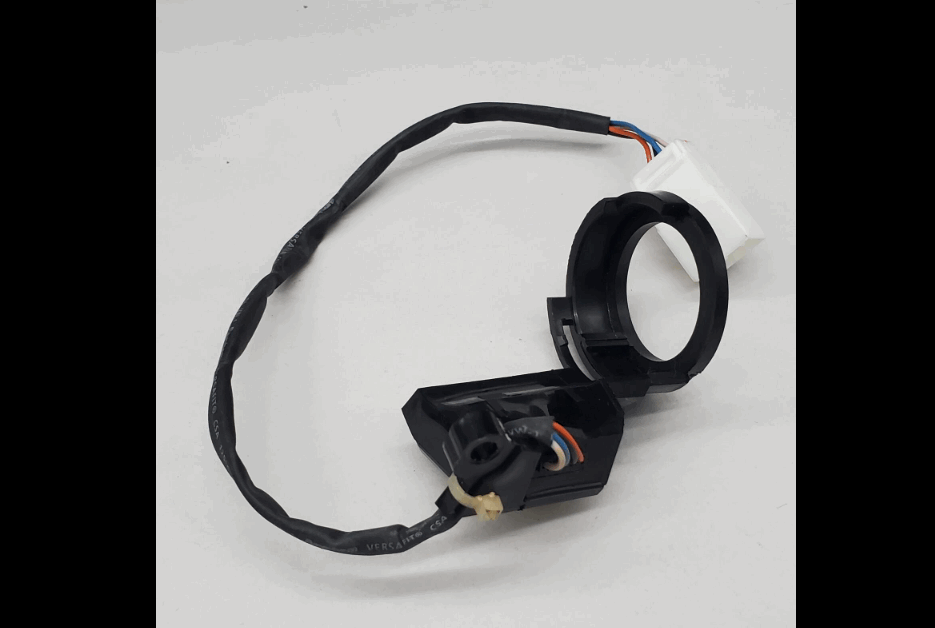
What Is the Ford PATS Transceiver Ring?
The Ford PATS transceiver ring is an electronic antenna that reads the transponder chip inside the ignition key. It sends the key’s identification code to the Ford Passive Anti Theft System. The system verifies the key before it allows the engine to start. Without this verification, the immobilizer blocks engine authorization. The engine stays disabled even when the key turns normally.
Ford mounts the transceiver ring around the ignition cylinder on most vehicles with a traditional key. When you turn the ignition on, the ring creates a low frequency electromagnetic field. This field powers the passive transponder chip inside the key. The chip immediately returns its unique identification code. The transceiver ring captures that signal and forwards it to the correct control module.
The Instrument Cluster or the Powertrain Control Module receives the identification code. The module compares the code with the authorized keys stored in memory. A matching code allows the engine to start. A mismatched code keeps the immobilizer active. This process takes only a fraction of a second.
Although the transceiver ring looks simple, it performs a critical security function. It does not store security information. It also does not decide whether the engine can start. Instead, it transfers encrypted data between the ignition key and the vehicle’s control modules. Reliable communication allows the PATS system to complete the authentication process.
Heat, vibration, moisture, and age can damage the transceiver ring over time. Wiring faults and loose connectors can interrupt communication as well. The system may reject a valid key when either problem occurs. As a result, the engine may not start even though the key works correctly. Understanding this component helps you diagnose PATS faults faster and avoid replacing unnecessary parts.
How Does the Ford PATS System Authorize Engine Starting?
The Ford Passive Anti Theft System authorizes engine starting by verifying the transponder key before activating the engine. Every start begins with an authentication process. The system checks the key instead of relying on the mechanical lock. This design prevents unauthorized users from starting the vehicle with a copied key or damaged ignition cylinder.
When you turn the ignition key, the transceiver ring generates a low frequency electromagnetic field. This field powers the transponder chip inside the key. The chip immediately sends its encrypted identification code to the transceiver ring. The ring transfers this data to the appropriate control module. Depending on the vehicle model, the Instrument Cluster or the Powertrain Control Module manages the verification process.
The control module compares the received code with the authorized keys stored in memory. A matching code completes the authentication sequence. The module then sends an approval signal to the engine management system. Fuel injection and ignition become available, allowing the engine to start normally. The entire process takes less than one second.
The system blocks engine authorization when it detects an invalid or missing key. The security indicator usually flashes to warn the driver. In many vehicles, the starter may crank while the engine refuses to run. Other models prevent both cranking and fuel delivery. The exact behavior depends on the PATS generation installed in the vehicle.
Several components must communicate correctly during every start attempt. The ignition key, transceiver ring, wiring harness, control module, and engine computer all play essential roles. A fault in any of these components interrupts the authentication sequence. As a result, the system treats the key as unauthorized. Accurate diagnosis should always identify the failed component before replacing parts or considering a bypass.
What Causes a Ford PATS Transceiver Ring to Fail?
A Ford PATS transceiver ring usually fails because electrical or physical damage interrupts communication with the transponder key. The component works every time the driver turns the ignition. Constant use exposes it to heat, vibration, and normal wear. Over time, these conditions reduce its reliability and increase the chance of failure.
Electrical problems rank among the most common causes. A damaged antenna coil can no longer generate a stable electromagnetic field. Without that field, the transponder chip cannot send its identification code. The control module receives incomplete data or no data at all. As a result, the PATS system rejects the key and prevents engine starting.
Damaged wiring can create the same symptoms. Broken wires, loose connectors, or corroded terminals interrupt the signal between the transceiver ring and the control module. Moisture inside the steering column can also damage electrical connections. Even a small amount of corrosion may weaken the signal enough to trigger authentication errors.
Physical damage also affects transceiver ring performance. A cracked housing or a loose mounting position can reduce reading accuracy. Previous steering column repairs may pinch or stretch the wiring harness. Improper installation after replacing the ignition cylinder can create similar problems. These issues often appear after maintenance rather than normal driving.
Some failures do not originate from the transceiver ring itself. A damaged transponder key may transmit a weak signal. Faulty control modules or outdated key programming can also interrupt the authentication process. For this reason, technicians should inspect the entire PATS system before replacing the transceiver ring. A complete diagnosis saves time, reduces repair costs, and prevents unnecessary parts replacement.
What Symptoms Indicate a Faulty Ford PATS Transceiver Ring?
A faulty Ford PATS transceiver ring prevents the immobilizer from recognizing the ignition key. As a result, the vehicle cannot complete the authentication process. The engine may fail to start even though other systems operate normally. These symptoms often appear without warning and may become more frequent over time.
A no-start condition is the most common symptom. In many Ford models, the engine cranks but never starts. The starter motor works as expected, but the Powertrain Control Module blocks fuel injection or ignition. Some vehicles do not crank at all because the immobilizer stops the starting sequence earlier. The exact behavior depends on the PATS generation.
A flashing theft indicator also points to a PATS communication problem. The light usually flashes rapidly after you turn the ignition key. This warning shows that the system failed to verify the transponder key. If the light continues flashing, the vehicle will not authorize engine starting until it receives a valid key signal.
Intermittent starting is another common symptom. The vehicle may start normally one day and refuse to start the next. Heat, vibration, or loose electrical connections often trigger this behavior. Many owners replace the battery or starter because the symptoms appear inconsistent. However, the real problem may still exist inside the PATS communication circuit.
Diagnostic trouble codes provide valuable clues during troubleshooting. A scan tool may detect immobilizer or key recognition faults stored in the control module. These codes help narrow the diagnosis, but they do not always identify the failed component directly. Technicians should inspect the transceiver ring, wiring, connectors, and transponder key before replacing any parts. A systematic inspection reduces repair costs and improves diagnostic accuracy.
Can You Bypass a Ford PATS Transceiver Ring?
Yes, you can bypass a Ford PATS transceiver ring in certain situations. However, the method depends on the vehicle, the PATS generation, and the purpose of the repair. A bypass does not always solve the original problem. In many cases, it only avoids one part of the authentication process while leaving other faults unchanged.
Some owners perform a temporary bypass for diagnostic purposes. They place a programmed transponder key near the transceiver ring and use another key to turn the ignition. This method keeps the authorized key within the antenna’s reading range. As a result, the immobilizer receives a valid identification code during every start attempt. Although this approach can confirm a faulty transceiver ring, it also reduces vehicle security.
Electronic bypass modules provide another solution. These devices emulate the signal that the immobilizer expects during engine startup. They are commonly used in remote start systems because the engine must start without a physical key inside the ignition. However, compatibility varies between Ford models. An incorrect module may create communication errors or prevent the engine from starting.
Some vehicle owners choose to disable the PATS system through ECU or PCM software modifications. This method removes the immobilizer function instead of bypassing the transceiver ring. It requires specialized programming equipment and technical knowledge. In addition, software changes may violate local regulations or affect insurance coverage in some regions.
A bypass should never be the first repair option. A failed transceiver ring often shares the same symptoms as damaged wiring, a faulty transponder key, or a defective control module. Replacing or repairing the failed component usually restores normal operation without reducing security. For most vehicles, a complete diagnosis remains the safest and most reliable solution before considering any bypass method.
What Are the Risks of Bypassing the Ford PATS Transceiver Ring?
Bypassing the Ford PATS transceiver ring reduces the protection provided by the vehicle’s factory security system. The immobilizer exists to prevent unauthorized engine starting. A bypass weakens or removes that protection. As a result, the vehicle becomes more vulnerable to theft.
A bypass can also hide the real cause of a no-start problem. Many PATS failures result from damaged wiring, faulty connectors, or a defective transponder key. A bypass may allow the engine to start, but it does not repair the underlying fault. The original problem can return later and create additional diagnostic challenges.
Electronic bypass modules may introduce compatibility issues. Not every module supports every Ford model or PATS generation. An incompatible device can trigger communication errors or intermittent starting problems. In some cases, the engine may fail to start after a software update or battery replacement. Choosing the wrong module often creates more problems than it solves.
Software-based immobilizer removal carries additional risks. Modifying the ECU or PCM changes the vehicle’s original security configuration. Incorrect programming can damage important calibration data or create unexpected fault codes. Future diagnostics may become more difficult because the control module no longer operates as designed.
Insurance and legal requirements also deserve careful attention. Some insurance policies require the factory anti-theft system to remain operational. Disabling the immobilizer may affect theft coverage or claim eligibility. Local regulations may also restrict modifications that remove factory-installed security features. Vehicle owners should understand these requirements before making permanent changes.
Replacing a faulty transceiver ring usually provides a safer long-term solution. A new component restores normal communication without reducing vehicle security. It also preserves the original design of the Ford PATS system. For this reason, professional technicians normally recommend repair or replacement before considering any bypass method.
Is Replacing the Transceiver Ring Better Than Bypassing It?
Replacing the Ford PATS transceiver ring is usually a better solution than bypassing it. A replacement restores the original security system and eliminates the failed component. It also allows the immobilizer to operate exactly as Ford intended. In most cases, this approach provides better reliability than any bypass method.
A new transceiver ring restores stable communication between the ignition key and the control module. Once the system recognizes a valid key, it authorizes engine starting without additional modifications. The repair keeps all factory security features active. It also reduces the risk of future authentication failures caused by a damaged antenna.
A bypass offers a different outcome. It allows the engine to start without restoring the original communication process. Although this approach may solve an immediate no-start problem, it often reduces theft protection. Some bypass methods also require extra wiring or electronic modules. These components can introduce new faults as the vehicle ages.
The overall repair cost depends on the vehicle model and the root cause of the failure. Replacing only the transceiver ring is often less expensive than replacing multiple control modules. In many cases, the new component requires key programming or PATS initialization after installation. Completing this procedure ensures that the immobilizer recognizes every authorized key correctly.
A professional diagnosis should always come before any repair decision. Similar symptoms can result from a faulty transponder key, damaged wiring, or a failing control module. Replacing the transceiver ring without testing the system may not solve the problem. Identifying the failed component first prevents unnecessary repairs and lowers the total repair cost.
For most Ford vehicles, replacement remains the recommended long-term solution. It preserves factory security, maintains system compatibility, and supports future diagnostics. A bypass should only be considered when replacement is not practical or when a temporary solution is necessary for testing. Choosing the correct repair method improves both vehicle reliability and long-term security.
How Do You Diagnose a Ford PATS Transceiver Ring Problem?
Diagnosing a Ford PATS transceiver ring problem requires a systematic inspection. Many PATS faults produce similar symptoms. Replacing parts without testing often wastes both time and money. A structured diagnosis helps identify the actual source of the failure.
Start by observing the theft indicator on the instrument cluster. Turn the ignition key to the ON position and watch the security light. A light that flashes rapidly often indicates a key authentication failure. A normal light usually turns off after a few seconds. This simple check provides the first clue before using any diagnostic equipment.
Next, test every programmed key available for the vehicle. A damaged transponder chip can produce the same symptoms as a faulty transceiver ring. If one key starts the engine while another does not, the problem likely lies in the key instead of the immobilizer hardware. Testing multiple keys helps eliminate unnecessary repairs.
Connect a professional scan tool to read diagnostic trouble codes from the PATS module or the Powertrain Control Module. The stored codes reveal communication failures, key recognition errors, or module faults. They also narrow the list of possible causes. However, technicians should never rely on trouble codes alone because several faults can trigger the same code.
Inspect the transceiver ring and its wiring carefully. Look for loose connectors, damaged insulation, corrosion, or broken wires near the steering column. Check that the transceiver ring sits securely around the ignition cylinder. A damaged connector or poor electrical connection can interrupt communication even when the component itself remains functional.
Finally, verify communication between the transceiver ring and the control module before replacing any parts. A multimeter, wiring diagram, and factory service information can help confirm voltage, ground, and circuit continuity. Once every test points to the transceiver ring, replacement becomes the most reliable repair. This method reduces unnecessary costs and restores normal PATS operation with confidence.
Which Ford Models Use the PATS Transceiver Ring?
Ford introduced the Passive Anti Theft System on many vehicles during the mid-1990s. Most key-start models built over the following years use a PATS transceiver ring around the ignition cylinder. The exact design varies by model and production year. However, the authentication process follows the same basic principle across the entire system.
The Ford F-150 is one of the most common vehicles equipped with PATS. Many models from the late 1990s through the 2010s use a transceiver ring to read the ignition key before allowing the engine to start. The Ford Ranger also relies on this technology in many model years. Owners of both trucks often encounter PATS-related no-start conditions as the vehicles age.
Several Ford passenger cars also use the same security system. The Ford Focus, Ford Fusion, Ford Taurus, and Ford Crown Victoria all feature PATS on many key-start versions. Although the control modules differ between generations, each vehicle still depends on the transceiver ring to communicate with the transponder key. A failed ring can prevent engine authorization regardless of the engine or transmission configuration.
Many Ford sport utility vehicles include the same immobilizer technology. Popular models such as the Ford Escape, Ford Explorer, Ford Expedition, and Ford Edge use PATS in numerous production years. Some Lincoln and Mercury vehicles also share the same platform and security architecture. Because these brands use similar electronic systems, many diagnostic procedures remain nearly identical.
Ford updated the PATS system several times throughout its production history. Later generations introduced improved encryption, different control modules, and revised communication protocols. Even so, the transceiver ring continues to perform the same essential task. It reads the transponder key and transfers the identification code for verification. Before replacing any component, owners should confirm the vehicle’s model year and PATS generation. This step ensures they select compatible replacement parts and follow the correct programming procedure.
Frequently Asked Questions About Ford PATS Transceiver Ring Bypass
Can a faulty transceiver ring prevent the engine from starting?
Yes. A faulty transceiver ring can prevent the engine from starting because it cannot read the transponder key correctly. When the control module does not receive a valid identification code, the Ford PATS system blocks engine authorization. Depending on the vehicle, the engine may crank without starting or remain completely disabled. This symptom often resembles a battery or starter problem, so proper diagnosis is essential.
Does bypassing the Ford PATS system disable anti-theft protection?
Yes. Most bypass methods reduce or completely disable the factory immobilizer. The engine may start normally, but the original theft protection no longer functions as intended. Temporary bypass methods also leave an authorized key inside or near the vehicle, creating an additional security risk. Vehicle owners should understand these consequences before choosing a bypass instead of a permanent repair.
Can a new transceiver ring work without programming?
In many cases, the transceiver ring itself does not require programming because it only reads the transponder key. However, replacing related components or installing a different PATS module often requires key programming or system initialization. The exact procedure depends on the vehicle model and the PATS generation. Checking the factory service information helps ensure a successful repair.
Should you repair or bypass a faulty transceiver ring?
Repairing or replacing the failed component remains the best long-term solution. A proper repair restores factory security, maintains full system compatibility, and improves reliability. A bypass should only serve as a temporary diagnostic aid or a specialized solution for approved applications, such as certain remote start systems. Identifying the root cause always delivers better results than masking the problem.
Conclusion
The Ford PATS transceiver ring plays a vital role in the vehicle’s immobilizer system because it verifies the transponder key before authorizing engine startup. Although the component appears simple, it supports every successful authentication sequence. When it fails, the vehicle may refuse to start even though the battery, starter, and ignition system remain in good condition. Understanding how the transceiver ring communicates with the control modules makes troubleshooting faster and more accurate.
Many owners search for a Ford PATS transceiver ring bypass after experiencing a no-start condition. However, a bypass rarely addresses the underlying fault. Damaged wiring, a defective transponder key, poor electrical connections, or a failed control module can produce nearly identical symptoms. A complete diagnosis helps identify the true cause before any repair begins.
For most vehicles, replacing the faulty transceiver ring provides the safest and most reliable solution. This approach restores factory security, preserves full system functionality, and supports future diagnostics. If a bypass becomes necessary, it should only follow a thorough inspection and a clear understanding of its limitations. Choosing the correct repair method protects both vehicle reliability and long-term security.