The 6.7L Power Stroke has earned a strong reputation as one of the most capable diesel engines ever installed in Ford Super Duty trucks. From factory towing performance to long-distance hauling, this engine delivers impressive torque, dependable durability, and excellent drivability. However, many owners discover that the stock configuration leaves significant room for improvement, especially when the goal is to increase horsepower, improve throttle response, or support demanding applications such as heavy towing and off-road driving.
Choosing the right 6.7 Powerstroke upgrades requires more than installing aftermarket parts. Every modification influences airflow, fuel delivery, exhaust flow, engine temperature, and drivetrain performance. Upgrading a single component without considering the entire system can reduce efficiency or create unnecessary stress on supporting parts. A well-planned upgrade path produces better power gains while maintaining the reliability that makes the 6.7 Power Stroke popular among diesel enthusiasts.
This guide explains the most effective performance upgrades for the 6.7 Powerstroke and shows how each modification contributes to overall engine performance. You will learn which upgrades provide the highest horsepower gains, which components improve long-term reliability, and which modifications are worth prioritizing for different driving goals. Whether you use your Ford Super Duty as a daily driver, a dedicated tow rig, or a high-performance diesel truck, understanding how these upgrades work together will help you build a more powerful and dependable engine.
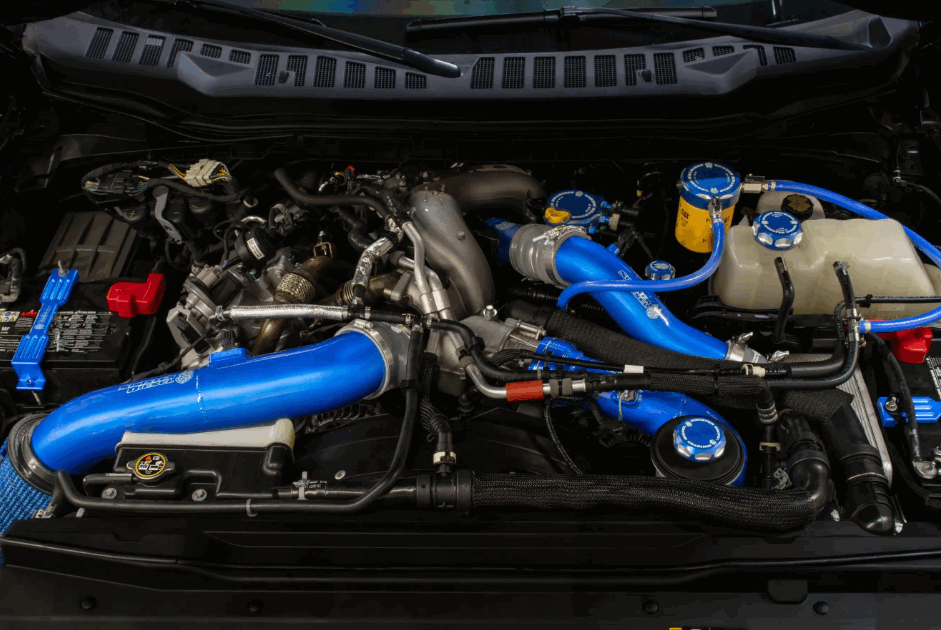
Which 6.7 Powerstroke Upgrades Deliver the Biggest Performance Gains?
The biggest performance gains come from upgrading the engine as a complete system. Every component affects airflow, fuel delivery, exhaust flow, and engine calibration. When these systems work together, the engine produces more horsepower, stronger torque, and quicker throttle response. Owners who combine compatible upgrades usually see better results than those who replace only one performance part.
ECU tuning delivers the largest improvement for most 6.7 Powerstroke owners. A quality tune increases fuel delivery, optimizes boost pressure, and improves transmission shifting. The engine responds faster and generates more usable torque across the RPM range. However, tuning performs best when supporting hardware allows the engine to breathe more efficiently.
A high-flow cold air intake, upgraded intercooler, and performance exhaust reduce airflow restrictions. These upgrades lower intake temperatures and improve exhaust flow. They also help the turbocharger build boost faster under load. As a result, the engine maintains consistent power during acceleration, towing, and highway driving.
The fuel system becomes more important as horsepower increases. Higher power levels require stable fuel pressure and greater fuel volume. Many owners install better fuel filters, lift pumps, or a CP3 conversion to improve reliability and support future modifications. These upgrades also reduce the risk of fuel system problems under heavy engine loads.
Reliable performance depends on more than engine output. Extra horsepower creates additional heat and places greater stress on the transmission and cooling system. Supporting upgrades help control these conditions and protect expensive engine components. Building a balanced combination always produces better long-term results than chasing the highest dyno number with a single modification.
Why Is ECU Tuning the Best First Upgrade for a 6.7 Powerstroke?
ECU tuning is the best first upgrade because it unlocks performance that already exists within the 6.7 Powerstroke. Ford designs the factory calibration to satisfy emissions standards, fuel economy targets, and broad driving conditions. A custom tune recalibrates engine parameters to improve horsepower, torque, throttle response, and transmission behavior. As a result, owners notice a significant improvement without replacing major engine components.
A quality tuner adjusts fuel injection timing, boost pressure, and torque management to create smoother and stronger power delivery. Most reliable tuning packages increase output by 50 to 150 horsepower, depending on the calibration and supporting modifications. More importantly, the engine produces higher torque across the usable RPM range. This improvement makes highway acceleration easier and reduces downshifts while towing heavy loads.
Transmission tuning adds another advantage that many owners overlook. The factory transmission often prioritizes comfort over performance, which can lead to delayed shifts and unnecessary gear hunting. A performance transmission tune increases line pressure, optimizes shift points, and improves torque converter lockup. These adjustments create quicker gear changes and help transfer more engine power to the wheels.
Choosing the right tune is just as important as choosing the right hardware. Reputable tuning companies develop calibrations that balance performance with engine safety. They monitor exhaust gas temperature, fuel pressure, and boost levels to keep the engine operating within safe limits. Owners should also match ECU tuning with routine maintenance and high-quality fuel filters to maintain consistent performance over time. Starting with a safe and professionally developed tune creates a solid foundation for future upgrades, including larger turbochargers, improved fuel systems, and higher-flow intake components.
Which Air Intake and Intercooler Upgrades Improve Engine Efficiency?
A high-flow air intake and an upgraded intercooler improve engine efficiency by increasing airflow and reducing intake temperatures. The factory intake system performs well for stock applications, but it becomes restrictive as power levels increase. Performance upgrades allow the engine to draw a greater volume of clean air while maintaining stable airflow under heavy load. Better airflow helps the turbocharger operate more efficiently and supports higher horsepower without excessive engine stress.
A cold air intake is often the first airflow modification owners install. It replaces the restrictive factory airbox with a larger filter and smoother intake tubing. This design reduces intake resistance and allows the turbocharger to reach target boost pressure more quickly. Many drivers notice sharper throttle response and improved acceleration, especially when the intake works alongside a custom ECU tune.
An upgraded intercooler provides another important performance advantage. Compressed air leaving the turbocharger becomes extremely hot, and high intake temperatures reduce air density. A larger intercooler removes more heat before the air enters the combustion chamber. Cooler air contains more oxygen, which improves combustion efficiency and helps the engine maintain consistent power during towing, long highway climbs, or repeated acceleration.
Charge pipes also deserve attention because they connect the turbocharger, intercooler, and intake manifold. Factory pipes can expand under higher boost pressure, reducing airflow efficiency. Stronger aluminum or stainless steel charge pipes maintain stable boost levels and improve long-term durability. They also reduce the risk of cracked plastic components that can develop after years of heavy use.
Airflow upgrades produce the best results when owners install them as part of a complete performance package. Combining a cold air intake, a larger intercooler, durable charge pipes, and professional ECU tuning creates a cooler and more efficient intake system. This combination increases horsepower, improves turbo response, and supports future modifications without compromising engine reliability.
How Do Exhaust System Upgrades Increase Power and Turbo Performance?
A performance exhaust system increases power by reducing exhaust restriction and improving turbocharger efficiency. The factory exhaust is designed to meet emissions and noise regulations, but it also creates additional back pressure. As engine output rises, this restriction limits exhaust flow and slows turbo performance. A less restrictive exhaust system allows spent gases to leave the engine more quickly, helping the turbocharger operate with greater efficiency.
A larger exhaust system improves exhaust velocity and reduces the effort required to move gases through the system. Lower back pressure allows the turbocharger to spool faster and maintain boost more consistently under load. Drivers often notice quicker throttle response, stronger mid-range acceleration, and improved pulling power while towing. These improvements become even more noticeable after installing ECU tuning because the engine can take advantage of the increased airflow.
The downpipe plays an important role in exhaust performance because it connects the turbocharger to the rest of the exhaust system. Many aftermarket downpipes feature smoother bends and a larger diameter than factory components. This design improves exhaust flow immediately after the turbocharger, where restriction has the greatest impact on boost response. Upgrading the downpipe also helps reduce exhaust gas temperatures during heavy acceleration or long towing sessions.
Choosing the correct exhaust system depends on the truck’s intended use and local emissions regulations. Cat-back exhaust systems improve sound and airflow while keeping emissions equipment in place. Turbo-back systems provide the greatest flow improvement but may not comply with emissions laws in every region. Owners should always verify local regulations before selecting modifications that affect emissions-related components.
An upgraded exhaust system delivers the best results when combined with intake improvements and professional ECU tuning. Together, these upgrades improve engine breathing from the air intake to the exhaust outlet. The engine produces more usable horsepower, maintains lower operating temperatures, and responds faster across the entire RPM range. This balanced approach increases performance while supporting long-term reliability.
Which Fuel System Upgrades Support Higher Horsepower?
Fuel system upgrades become essential as horsepower increases because the engine needs a greater supply of clean and consistent fuel. The factory fuel system supports stock performance and mild tuning, but higher power levels place additional demand on the high-pressure pump, injectors, and fuel filtration system. If these components cannot deliver enough fuel, engine performance becomes inconsistent and reliability may suffer. A properly upgraded fuel system provides the foundation needed for safe and dependable power gains.
The factory CP4 high-pressure fuel pump is one of the most discussed components on the 6.7 Powerstroke. Although it performs well under normal operating conditions, it has a reputation for failing when fuel quality is poor or lubrication decreases. A CP4 failure can send metal debris throughout the entire fuel system, leading to expensive repairs. For this reason, many owners replace the factory pump with a CP3 conversion kit before pursuing significant horsepower increases. The CP3 pump offers a stronger reputation for durability and supports higher fuel demand with greater confidence.
A lift pump improves fuel delivery by supplying the high-pressure pump with a steady flow of filtered fuel. Consistent fuel pressure helps prevent fuel starvation during heavy acceleration, towing, or high-load driving. Many aftermarket lift pump systems also include advanced filtration that removes water and harmful contaminants before they reach sensitive fuel system components. Cleaner fuel reduces wear and helps extend the service life of pumps and injectors.
Fuel injectors also influence overall engine performance. Stock injectors can support moderate power increases, but larger injectors become necessary for high-performance builds that require additional fuel volume. Upgrading injectors allows the engine to maintain proper air-fuel ratios while supporting aggressive tuning and larger turbochargers. However, oversized injectors without the correct tuning can reduce efficiency and create poor drivability, making professional calibration an essential part of the upgrade.
A balanced fuel system protects the engine while supporting future modifications. Combining a CP3 conversion, a quality lift pump, improved fuel filtration, and properly matched injectors creates a reliable platform for higher horsepower. These upgrades improve fuel delivery under demanding conditions and help the 6.7 Powerstroke produce consistent power without compromising long-term durability.
When Should You Upgrade the Turbocharger?
You should upgrade the turbocharger when the factory unit can no longer support your performance goals. The stock turbo performs well for daily driving, towing, and moderate tuning. However, it becomes less efficient as horsepower increases beyond its intended operating range. At higher boost levels, the turbo generates more heat and loses efficiency, which limits both performance and reliability.
Most owners do not need a larger turbo after installing basic upgrades such as ECU tuning, a cold air intake, and a performance exhaust. The factory turbo can comfortably support moderate horsepower while maintaining excellent drivability. Upgrading too early often increases costs without delivering significant real-world benefits. Building a solid foundation first allows every supporting component to work together before increasing airflow with a larger turbocharger.
A drop-in turbo is the best option for drivers who want more power without making extensive engine modifications. These turbochargers install with minimal changes while delivering greater airflow and improved boost efficiency. They reduce turbo lag, increase top-end power, and maintain good street manners. Many performance enthusiasts choose this upgrade when targeting power levels between 550 and 650 horsepower.
Compound turbo systems become a better solution for high-performance builds that demand maximum airflow. This setup combines a small turbocharger with a larger secondary unit to produce high boost pressure across a wider RPM range. The smaller turbo delivers quick response at lower engine speeds, while the larger turbo maintains airflow at higher RPM. As a result, compound systems improve acceleration, towing performance, and peak horsepower without sacrificing low-end torque.
A larger turbocharger always requires supporting upgrades to operate safely. Higher airflow demands additional fuel, stronger engine calibration, and improved cooling capacity. Many owners also upgrade the intercooler, charge pipes, fuel system, and transmission before installing a larger turbo. Completing these supporting modifications helps the engine produce reliable power and prevents unnecessary stress on critical components. A properly matched turbo system increases performance while preserving the durability that makes the 6.7 Powerstroke a dependable diesel engine.
Which Reliability Upgrades Should Every 6.7 Powerstroke Owner Consider?
Reliability upgrades help the 6.7 Powerstroke deliver consistent performance over hundreds of thousands of miles. While the factory engine offers excellent durability, higher mileage, heavy towing, and performance modifications increase stress on critical components. Addressing common weak points before problems appear reduces repair costs and protects the engine from unexpected failures. A preventive approach also creates a stronger foundation for future performance upgrades.
The fuel system should be the first priority because it directly affects engine reliability. Many owners install a disaster prevention kit or complete a CP3 conversion to reduce the risk associated with the factory CP4 high-pressure fuel pump. Upgraded fuel filters also improve protection by removing water and fine contaminants before they reach sensitive components. Cleaner fuel helps extend the service life of the injectors and high-pressure pump while maintaining stable engine performance.
Cooling system upgrades become increasingly valuable for trucks that tow heavy trailers or operate in hot climates. A larger transmission cooler, high-performance radiator, or upgraded intercooler helps control operating temperatures during extended periods of heavy load. Lower temperatures reduce thermal stress on the engine and transmission while improving long-term reliability. Consistent cooling also helps maintain stable power output during demanding driving conditions.
Monitoring engine data allows owners to identify potential issues before they become expensive repairs. Digital gauges and monitoring devices display important information such as exhaust gas temperature, coolant temperature, transmission temperature, boost pressure, and fuel pressure. Watching these values helps drivers recognize abnormal operating conditions and take corrective action before serious damage occurs. Early detection often prevents small problems from developing into major mechanical failures.
Routine maintenance remains the most effective reliability upgrade for any 6.7 Powerstroke. Regular oil changes, scheduled fuel filter replacements, quality diesel fuel, and proper transmission service all contribute to longer engine life. When preventive maintenance is combined with carefully selected supporting upgrades, the engine continues to deliver dependable performance under daily driving, heavy towing, and increased horsepower. Investing in reliability first allows every future performance modification to operate under safer and more stable conditions.
What Is the Best Upgrade Path for Different Power Goals?
The best upgrade path depends on how you use your truck and how much power you want to achieve. Some owners want better towing performance, while others focus on street driving or maximum horsepower. Following a structured upgrade plan prevents unnecessary expenses and ensures every new component supports the next stage of the build. A logical progression also improves reliability because supporting systems receive attention before engine output increases significantly.
A Stage 1 build is ideal for daily driving and light towing. Most owners begin with a professional ECU tune, a high-flow cold air intake, and a quality cat-back exhaust system. These upgrades improve throttle response, increase horsepower, and enhance driving enjoyment without affecting everyday reliability. The factory turbo and fuel system remain fully capable of supporting this level of performance, making Stage 1 the most cost-effective upgrade path.
Stage 2 targets owners who tow frequently or want stronger street performance. This setup typically adds an upgraded intercooler, stronger charge pipes, improved fuel filtration, and transmission tuning. Many drivers also install a lift pump to maintain stable fuel delivery under heavy load. Together, these modifications improve airflow, control operating temperatures, and provide the reliability needed for higher torque output. Most Stage 2 builds produce impressive real-world performance while preserving excellent drivability.
Stage 3 focuses on maximum performance and requires substantial supporting modifications. A larger turbocharger or compound turbo system, CP3 conversion, upgraded injectors, reinforced transmission components, and advanced ECU tuning become essential at this level. Every component must work together to support higher airflow and greater fuel demand. Skipping supporting upgrades often creates reliability problems that outweigh the additional horsepower.
Building the truck in stages allows owners to evaluate performance after each upgrade and avoid purchasing unnecessary parts. This strategy also simplifies future maintenance and reduces compatibility issues. Instead of chasing the highest dyno figure immediately, a well-planned upgrade path creates a powerful, dependable, and enjoyable 6.7 Powerstroke that performs consistently in every driving situation.
Conclusion
The best 6.7 Powerstroke upgrades improve more than peak horsepower. They increase airflow, optimize fuel delivery, strengthen engine reliability, and help every component operate more efficiently. A balanced combination of ECU tuning, intake improvements, intercooler upgrades, exhaust modifications, and fuel system enhancements delivers noticeable performance gains while maintaining the durability expected from the Power Stroke platform.
Every upgrade should match your driving goals and support the overall build. Daily drivers often achieve excellent results with basic performance modifications, while dedicated towing trucks benefit from improved cooling and transmission upgrades. High-horsepower builds require stronger fuel systems, larger turbochargers, and carefully calibrated engine tuning to maintain long-term reliability. Selecting compatible components at every stage creates a truck that performs consistently instead of simply producing impressive dyno numbers.
Planning upgrades in the correct order also reduces unnecessary costs and minimizes future mechanical issues. By strengthening the supporting systems before pursuing maximum power, owners can enjoy greater confidence behind the wheel and extend the service life of critical engine components. Whether your goal is better towing capability, faster acceleration, or a complete performance build, investing in the right 6.7 Powerstroke upgrades will deliver lasting improvements in both power and dependability.