If you are considering buying a Subaru Forester, one question may come to mind: Where is the Subaru Forester manufactured? While factors such as performance, safety features, fuel efficiency, and price often dominate the buying decision, the vehicle’s country of origin can also influence consumer confidence. For many car buyers, knowing where a vehicle is built provides insight into manufacturing standards, quality control processes, and long-term reliability.
The Subaru Forester has earned a strong reputation as one of the most dependable compact SUVs on the market. Known for its standard Symmetrical All-Wheel Drive system, spacious interior, impressive safety ratings, and versatile performance, the Forester continues to attract families, outdoor enthusiasts, and daily commuters alike. However, prospective buyers frequently ask whether the Forester is manufactured in Japan, the United States, or another location around the world.
The answer is straightforward. The Subaru Forester is primarily manufactured in Japan, where Subaru has established decades of automotive expertise and rigorous production standards. Understanding the Forester’s manufacturing origins can help buyers make more informed decisions and appreciate the craftsmanship behind one of Subaru’s most popular models.
In this complete guide, we will explore exactly where the Subaru Forester is manufactured, why its production location matters to some consumers, how you can verify the origin of your own vehicle, and what this information means for your purchasing decision.
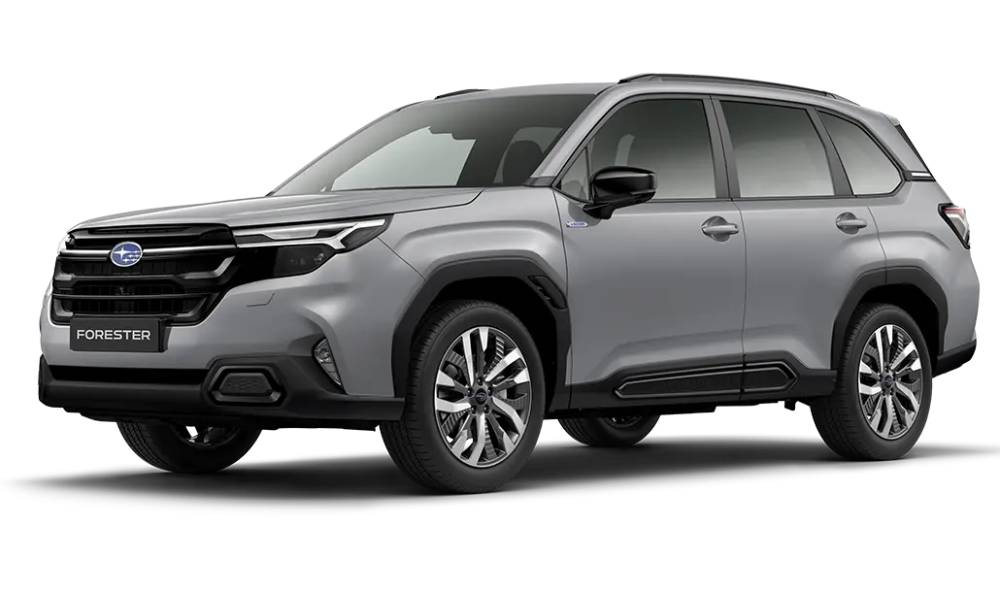
Where Is the Subaru Forester Manufactured?
The Subaru Forester is currently manufactured at Subaru’s Yajima Plant, which is located in Gunma Prefecture, Japan. Operated by Subaru Corporation, this facility has become one of the company’s most important production centers, responsible for building several vehicles sold in international markets.
For buyers researching the origins of their future SUV, this information often comes as good news. Japanese manufacturing has long been associated with precision engineering, meticulous attention to detail, and strict quality standards. As a result, many consumers view a Japanese-built vehicle as a symbol of reliability and durability.
The Yajima Plant utilizes advanced production technologies while maintaining Subaru’s traditional emphasis on craftsmanship. Every stage of assembly undergoes rigorous inspections to ensure each vehicle meets the company’s demanding specifications before leaving the factory floor. This commitment to consistency has played a significant role in establishing the Forester’s reputation as a dependable compact SUV.
Whether you prioritize resale value, long-term ownership satisfaction, or simply want confidence in your purchase, understanding where the Subaru Forester is manufactured provides valuable insight into the vehicle’s background.
Why Is the Subaru Forester Built in Japan?
Subaru’s decision to manufacture the Forester in Japan is closely tied to the brand’s heritage and manufacturing philosophy. Founded in Japan, Subaru has developed a reputation for producing practical, reliable vehicles designed to perform well in a variety of driving conditions. Keeping Forester production in its home country allows the company to maintain close oversight of the processes and standards that define the Subaru brand.
Another reason lies in Subaru’s specialized engineering expertise. The Forester incorporates technologies that have become synonymous with Subaru, including the horizontally opposed Boxer engine and the Symmetrical All-Wheel Drive system. Producing these vehicles within established Japanese facilities enables experienced teams to apply decades of knowledge to the manufacturing process.
In addition, Japan-based production allows Subaru to uphold its stringent quality assurance practices. Extensive inspections are conducted throughout assembly to identify and address potential issues before vehicles reach customers. Although modern automotive manufacturing follows global standards regardless of location, many consumers continue to associate Japanese production with exceptional reliability and build quality.
For some buyers, knowing that the Subaru Forester is built in Japan offers added peace of mind. It reinforces the perception that the vehicle reflects the engineering principles and manufacturing discipline that have contributed to Subaru’s worldwide success.
Has the Subaru Forester Always Been Manufactured in Japan?
Since its introduction in 1997, the Subaru Forester has been predominantly manufactured in Japan. Across multiple generations, Subaru has maintained production within its domestic facilities, helping preserve consistency in quality and engineering standards.
The first-generation Forester entered the market as a practical alternative to traditional SUVs, combining car-like handling with increased cargo capacity and all-weather capability. As the model evolved through subsequent generations, Subaru continued refining its design while keeping production rooted in Japan.
The second and third generations introduced improvements in safety, interior comfort, and performance. Later generations expanded the Forester’s appeal with advanced driver assistance technologies, enhanced fuel efficiency, and updated styling. Throughout these changes, Japanese manufacturing remained a defining aspect of the model’s identity.
This continuity is relatively uncommon in today’s automotive industry, where manufacturers frequently shift production across different countries to optimize costs and meet regional demand. The Forester’s longstanding connection to Japanese manufacturing is one reason some buyers specifically seek out this model when shopping for a compact SUV.
While manufacturing location alone does not determine vehicle quality, the Subaru Forester’s production history reflects the company’s commitment to maintaining the standards that have contributed to its reputation for dependability over the years.
Does the Manufacturing Location Affect Subaru Forester Quality?
One of the most common questions among prospective buyers is whether the location where a vehicle is built has a direct impact on its quality. When discussing the Subaru Forester, many consumers assume that Japanese manufacturing automatically translates into superior reliability and craftsmanship. While this perception is widespread, the reality is more nuanced.
Subaru follows comprehensive quality control procedures designed to ensure that every vehicle meets the company’s established standards. Multiple inspections take place throughout the manufacturing process, from component testing to final assembly checks. These procedures are intended to maintain consistency and minimize defects before vehicles reach dealerships.
That said, the reputation of Japanese manufacturing continues to influence buyer preferences. Japan’s automotive industry has earned global recognition for emphasizing efficiency, precision, and continuous improvement. As a result, some consumers feel more confident purchasing vehicles that originate from Japanese production facilities.
Real-world ownership experiences also contribute to the Subaru Forester’s positive image. The model has consistently been praised for its longevity, practical design, and dependable all-wheel-drive performance. Many owners report years of trouble-free driving when routine maintenance schedules are followed.
Ultimately, the manufacturing location represents only one aspect of a vehicle’s overall quality. Regular servicing, responsible driving habits, and adherence to recommended maintenance intervals often play a much greater role in determining how well a Subaru Forester performs over time. Buyers should view the Forester’s Japanese origins as an added benefit rather than the sole indicator of reliability.
How to Check Where Your Subaru Forester Was Manufactured
If you already own a Subaru Forester or are considering purchasing a used model, verifying where the vehicle was manufactured can provide valuable information. Fortunately, identifying a Forester’s country of origin is relatively straightforward.
The easiest method is to locate the Vehicle Identification Number, commonly known as the VIN. This unique 17-character code can typically be found in several places on the vehicle. The most accessible location is at the base of the windshield on the driver’s side, where the VIN is visible from outside the car. It may also appear on the driver’s side door jamb, registration documents, insurance paperwork, or maintenance records.
Once you have identified the VIN, pay attention to the first character. This digit indicates the country in which the vehicle was manufactured. For Subaru Foresters produced in Japan, the VIN usually begins with the letter “J.” This designation confirms that the vehicle originated from a Japanese manufacturing facility.
Prospective buyers of pre-owned Foresters should take the additional step of reviewing service records and requesting a vehicle history report. These documents can provide reassurance regarding the vehicle’s maintenance history and ownership background. Combining VIN verification with a thorough inspection offers a more complete understanding of the vehicle you intend to purchase.
Why Buyers Care About Where the Subaru Forester Is Manufactured
For many shoppers, learning where the Subaru Forester is manufactured goes beyond simple curiosity. The country of origin often influences perceptions of quality, reliability, and long-term ownership satisfaction.
Japanese engineering has developed a strong reputation within the automotive industry over several decades. Brands associated with Japanese manufacturing are frequently praised for producing vehicles that balance innovation with durability. Consequently, some buyers actively seek out models built in Japan because they associate them with meticulous craftsmanship and dependable performance.
Resale value is another factor that may shape consumer attitudes. In certain markets, vehicles manufactured in Japan are viewed more favorably by used-car buyers. This perception can contribute to stronger demand and potentially support higher resale prices compared with similar models lacking the same reputation.
Buyers also want confidence in the investment they are making. Purchasing a vehicle represents a significant financial commitment, and uncertainty regarding manufacturing origins can create hesitation. Understanding where a Forester was built helps consumers feel more informed and reassured throughout the decision-making process.
However, it is important to remember that manufacturing location should not overshadow other critical considerations. Safety features, maintenance history, ownership costs, fuel efficiency, and overall condition remain essential factors when evaluating any vehicle. The Subaru Forester’s Japanese heritage may strengthen its appeal, but choosing the right SUV ultimately requires a balanced assessment of all aspects that contribute to a satisfying ownership experience.
Frequently Asked Questions
Is the Subaru Forester made in the USA?
The Subaru Forester is primarily manufactured in Japan. Current production takes place at Subaru’s Yajima Plant in Gunma Prefecture, a facility known for producing several of the brand’s globally distributed models. While Subaru operates manufacturing plants in other countries, including the United States, the Forester continues to be associated with Japanese production.
Which Subaru factory builds the Forester?
The Subaru Forester is built at the Yajima Plant, one of Subaru Corporation’s key production facilities located in Gunma Prefecture, Japan. The plant plays an important role in maintaining the quality standards and engineering principles that have contributed to the Forester’s reputation for reliability and long-term durability.
How can I tell if my Subaru Forester was made in Japan?
The simplest way to verify where your Subaru Forester was manufactured is by checking its Vehicle Identification Number. The VIN can be found on the dashboard near the windshield, on the driver’s side door frame, or within the vehicle’s registration documents. If the first character of the VIN is the letter “J,” it indicates that the vehicle was manufactured in Japan.
Does a Japanese-built Subaru Forester have better quality?
There is no definitive evidence proving that a Japanese-built Subaru Forester is inherently superior to vehicles produced elsewhere under the same quality standards. However, many consumers associate Japanese manufacturing with precision, attention to detail, and reliability. This perception has contributed to the strong reputation enjoyed by Japanese-built vehicles worldwide. Regardless of manufacturing location, proper maintenance remains one of the most important factors influencing long-term vehicle performance.
Are all Subaru models manufactured in Japan?
No. Subaru manufactures vehicles in multiple locations to serve different markets. While the Forester is primarily built in Japan, some Subaru models have been produced at facilities outside the country, including manufacturing plants in the United States. Buyers interested in a specific Subaru model should consult official Subaru resources or verify the VIN to determine its country of origin.
Conclusion
For buyers researching their next compact SUV, understanding where a vehicle is built can provide valuable context during the decision-making process. So, where is the Subaru Forester manufactured? The answer is clear. The Subaru Forester is primarily manufactured at Subaru’s Yajima Plant in Gunma Prefecture, Japan.
This Japanese production heritage has become part of the Forester’s identity. Many consumers appreciate the association with Japan’s well-established reputation for quality craftsmanship, engineering expertise, and rigorous manufacturing standards. Although a vehicle’s country of origin should not be the only factor influencing a purchase decision, it can offer additional confidence to those seeking a dependable and practical SUV.
When evaluating a Subaru Forester, buyers should also consider factors such as safety ratings, ownership costs, maintenance history, available features, and overall vehicle condition. For shoppers considering a pre-owned model, checking the VIN and reviewing service records can help verify the vehicle’s background and support a more informed purchase.
Ultimately, the Subaru Forester’s combination of versatility, reliability, and Japanese manufacturing heritage continues to make it an attractive choice for drivers seeking a capable SUV for everyday life and weekend adventures alike.
If you are planning to purchase a Subaru Forester, taking the time to understand its origins can help you move forward with greater confidence and choose a vehicle that aligns with your expectations, budget, and long-term ownership goals.