Before buying a Subaru, many drivers ask the same question: Are Subaru CVT transmissions reliable? The answer is not as straightforward as a simple yes or no. Subaru’s Lineartronic Continuously Variable Transmission, commonly known as the CVT, has been praised for delivering smooth acceleration and improved fuel efficiency. At the same time, it has also been the subject of owner complaints, online debates, and concerns about costly repairs.
If you are considering a new or used Subaru, understanding the long term reliability of its CVT transmission is essential. Stories of transmission failures can make any buyer hesitant, especially when replacement costs can run into thousands of dollars. On the other hand, many Subaru owners report driving well beyond 150,000 miles without experiencing any major transmission issues. So, where does the truth lie?
In this guide, we take a closer look at the real world performance of Subaru CVT transmissions. We will explore common problems reported by owners, examine the expected lifespan of these transmissions, discuss maintenance practices that can help extend their durability, and identify which model years deserve closer attention. By the end of this article, you will have a clearer understanding of whether a Subaru equipped with a CVT is a smart investment and what steps you can take to maximize its reliability.
Are Subaru CVT transmissions reliable? The answer depends on factors such as model year, maintenance history, and driving habits. Let us separate myths from facts and uncover what Subaru owners truly need to know.
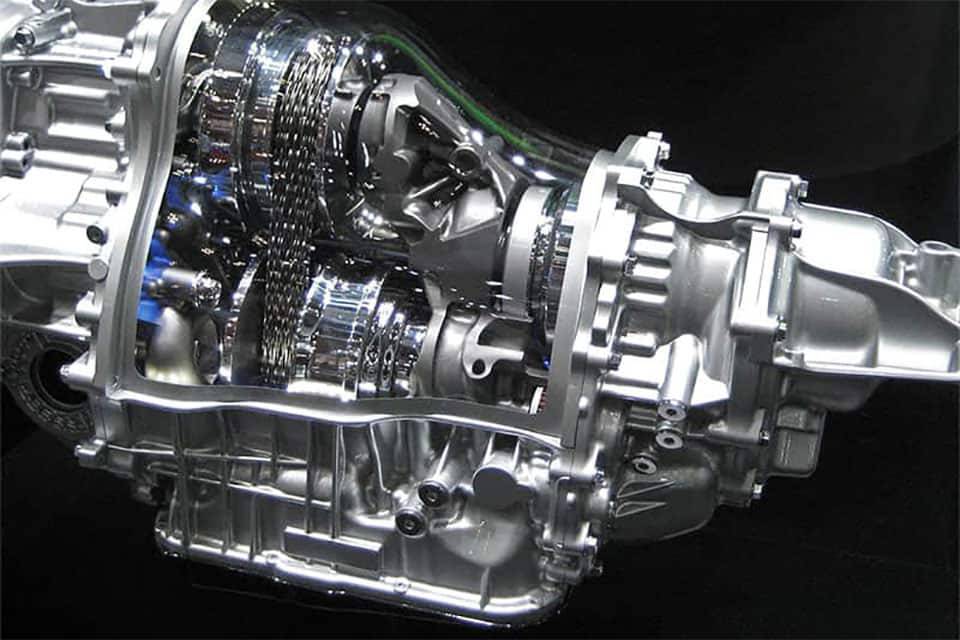
What Is Subaru’s Lineartronic CVT?
To understand whether Subaru CVT transmissions are reliable, it is important to first understand how they work. Unlike a traditional automatic transmission that relies on a fixed number of gears, a Continuously Variable Transmission, or CVT, uses a system of pulleys and a steel chain to provide an almost unlimited range of gear ratios. This design allows the engine to operate at its most efficient speed under varying driving conditions.
Subaru introduced its own version of this technology, known as the Lineartronic CVT, with the goal of improving fuel economy while maintaining the all weather capability that the brand is known for. Over the years, the Lineartronic transmission has become standard equipment in many popular Subaru models, including the Outback, Forester, Crosstrek, Legacy, and Impreza.
One of the biggest advantages of Subaru’s CVT is its ability to deliver smooth and seamless acceleration. Since there are no traditional gear changes, drivers often notice fewer jolts and interruptions in power delivery. In addition, CVTs can help maximize fuel efficiency because the engine remains within its optimal operating range more consistently.
However, the same technology that provides these benefits has also led to skepticism among some consumers. Drivers accustomed to conventional automatics may find the driving feel unusual. The lack of distinct gear shifts can create the impression that the engine is working harder than expected. For this reason, Subaru incorporated simulated shift points in some newer models to provide a more familiar driving experience.
Understanding the fundamentals of the Lineartronic CVT is essential before evaluating its reliability. Like any automotive technology, it offers both strengths and limitations. The key question is whether those advantages outweigh the potential concerns associated with long term ownership.
Are Subaru CVT Transmissions Reliable?
In general, Subaru CVT transmissions can be considered reasonably reliable, particularly in newer models that have benefited from years of engineering improvements. However, they are not entirely free from issues, and their reputation has been shaped by both positive owner experiences and highly publicized reports of transmission problems.
Many Subaru owners have driven their vehicles well beyond 150,000 miles without experiencing significant transmission failures. When properly maintained and operated under normal conditions, the Lineartronic CVT has demonstrated the ability to provide years of dependable service. This has helped Subaru maintain its position as one of the more trusted automotive brands among drivers seeking practicality and all wheel drive capability.
At the same time, some earlier CVT equipped Subaru models generated complaints related to hesitation during acceleration, shuddering sensations, valve body failures, and premature wear. These reports contributed to concerns among prospective buyers, especially those considering used vehicles from specific model years.
It is important to recognize that reliability is influenced by several factors. Maintenance history plays a critical role in determining transmission longevity. Vehicles that receive regular inspections and timely servicing are generally more likely to avoid serious complications. Driving habits also matter. Frequent towing, aggressive acceleration, and operation under severe conditions can increase stress on transmission components.
Another factor to consider is the evolution of Subaru’s CVT technology. Early implementations naturally faced challenges as manufacturers refined the design. More recent versions have benefited from updated software, improved components, and valuable feedback gathered from years of real world use.
Therefore, asking whether Subaru CVT transmissions are reliable requires a balanced perspective. They are neither flawless nor inherently problematic. Instead, their dependability often depends on choosing the right model year and committing to responsible vehicle maintenance throughout ownership.
Common Subaru CVT Problems Reported by Owners
Although many Subaru CVT owners enjoy trouble free experiences, understanding the most commonly reported issues can help drivers identify warning signs before they develop into expensive repairs.
One frequently discussed concern involves hesitation during acceleration. Some drivers describe a delay between pressing the accelerator pedal and the vehicle responding as expected. While occasional hesitation can result from software programming designed to optimize fuel efficiency, persistent delays should not be ignored and may warrant professional inspection.
Another issue reported by certain owners is shuddering or vibration during acceleration. These sensations can vary in severity, ranging from subtle vibrations to more noticeable shaking under specific driving conditions. Because these symptoms may indicate developing mechanical concerns, prompt diagnosis is recommended.
Valve body failures have also received attention within the Subaru community. The valve body controls hydraulic functions within the transmission, and problems affecting this component can trigger warning lights, erratic behavior, or reduced performance. In some cases, replacing the valve body may restore normal operation without requiring a complete transmission replacement.
Drivers should also pay close attention to dashboard warning indicators. Transmission related warning lights, unusual noises, overheating alerts, or activation of a vehicle’s limp mode function may signal that immediate attention is necessary. Ignoring these symptoms could potentially lead to more extensive damage and significantly higher repair costs.
It is worth emphasizing that not every Subaru equipped with a CVT will experience these problems. Online forums and owner discussions often highlight negative experiences because individuals facing difficulties are more likely to seek advice or share concerns. Nevertheless, awareness remains an important part of responsible ownership.
Recognizing early warning signs and addressing them promptly can make a meaningful difference in preserving transmission health. For many owners, proactive maintenance and timely repairs have helped prevent minor issues from escalating into major financial burdens.
Which Subaru Model Years Have the Most CVT Issues?
When discussing Subaru CVT reliability, it is impossible to ignore the importance of model years. Not all Subaru CVTs are created equal, and some earlier versions generated more owner complaints than others. Understanding these patterns can help prospective buyers make more informed decisions, particularly when shopping for a used vehicle.
Subaru began introducing its Lineartronic CVT technology across its lineup in the early 2010s. As with many emerging automotive technologies, the first generations experienced a period of refinement. Several owners of Subaru Outback and Legacy models produced between 2010 and 2015 reported issues such as hesitation during acceleration, unusual vibrations, and transmission warning lights. These concerns contributed to the perception that Subaru CVTs were less reliable than traditional automatic transmissions.
The Forester models from approximately 2014 through 2016 have also been mentioned in owner discussions regarding valve body failures and other transmission related concerns. Similarly, certain early Crosstrek models received criticism from drivers who noticed inconsistent acceleration response or drivability issues under specific conditions.
It is essential to approach these reports with perspective. A higher number of complaints associated with a particular model year does not necessarily mean that every vehicle produced during that period will experience transmission problems. Many owners continue to drive these vehicles without encountering major issues, especially when proper maintenance has been performed consistently throughout the vehicle’s life.
Prospective buyers interested in used Subaru models should prioritize vehicles with comprehensive service records and documented maintenance history. Having a trusted mechanic conduct a pre purchase inspection can also provide valuable insight into the condition of the transmission. In many cases, a well maintained older Subaru may represent a safer investment than a newer vehicle that has been neglected.
Newer Subaru models have benefited from continuous improvements in transmission design, software calibration, and manufacturing processes. As a result, many industry observers and owners believe that the reliability of Subaru CVTs has improved over time.
How Long Do Subaru CVT Transmissions Last?
One of the most common questions among Subaru shoppers is how long a CVT transmission is expected to last. Although there is no universal answer, many automotive experts suggest that a properly maintained Subaru CVT can remain functional for approximately 150,000 to 200,000 miles or even longer.
Several factors influence transmission longevity. Maintenance practices play a significant role in determining whether a CVT reaches its full lifespan potential. Drivers who address minor issues promptly and follow recommended service guidelines often report more positive ownership experiences than those who delay necessary repairs.
Driving habits can also have a substantial impact on transmission durability. Frequent hard acceleration, aggressive driving behavior, and repeated towing beyond recommended limits place additional stress on internal components. Over time, this increased strain may contribute to premature wear and reduce overall transmission life.
Environmental conditions should not be overlooked. Vehicles operating in mountainous regions, extremely hot climates, or stop and go urban traffic may experience greater thermal stress than those driven primarily on highways. Under demanding circumstances, routine inspections become even more important.
Despite concerns that occasionally dominate online discussions, numerous Subaru owners have documented impressive mileage achievements while retaining their original CVT transmissions. Stories of Outbacks, Foresters, and Crosstreks surpassing 200,000 miles without major transmission failures illustrate that long term reliability is certainly possible.
Ultimately, the lifespan of a Subaru CVT depends less on a fixed mileage target and more on how the vehicle has been treated throughout its ownership history. Buyers evaluating used Subaru models should focus not only on odometer readings but also on evidence of responsible maintenance and careful driving practices.
Subaru CVT Maintenance Tips to Extend Lifespan
Although no maintenance strategy can guarantee that a transmission will never develop problems, adopting good ownership habits can significantly improve the likelihood of long term reliability. Preventive care remains one of the most effective ways to protect a Subaru CVT from unnecessary wear.
The first step is following Subaru’s recommended service schedule and consulting the owner’s manual for model specific guidance. While maintenance requirements may vary depending on driving conditions and regional recommendations, regular inspections can help identify potential concerns before they become serious.
Using the appropriate transmission fluid is equally important. Subaru engineers design their CVT systems to operate with specific fluid formulations that meet precise performance standards. Choosing incorrect products or relying on incompatible alternatives may compromise transmission performance and longevity.
Drivers should also remain attentive to changes in vehicle behavior. Hesitation during acceleration, unfamiliar noises, dashboard warning lights, or noticeable vibrations should never be dismissed as normal aging. Seeking professional diagnosis early often results in simpler and less expensive repairs compared to waiting until symptoms worsen.
Another practical recommendation involves avoiding excessive towing beyond the vehicle’s intended capabilities. While many Subaru models offer respectable utility for everyday lifestyles, repeatedly subjecting the transmission to loads exceeding manufacturer specifications can accelerate wear.
Routine vehicle inspections contribute to overall reliability as well. Even seemingly unrelated systems can influence transmission performance. Maintaining proper engine function, cooling efficiency, and drivetrain health creates a more favorable operating environment for the CVT.
Perhaps the most valuable maintenance tip is adopting a proactive mindset. Vehicle owners who pay attention to emerging symptoms, preserve detailed service records, and address concerns promptly are often rewarded with longer transmission life and reduced ownership costs. In the context of Subaru CVT reliability, prevention remains far less expensive than major repairs.
Subaru CVT Repair and Replacement Costs
One of the primary reasons drivers question Subaru CVT reliability is the potential cost of repairs. Even if transmission issues are relatively uncommon, the possibility of facing a major repair bill can understandably influence purchasing decisions. Understanding the range of possible expenses can help owners prepare financially and recognize the value of preventive maintenance.
Not every transmission concern results in a complete replacement. In many situations, minor problems can be resolved through software updates, diagnostic procedures, or the replacement of specific components. For example, some owners have addressed drivability concerns through recalibration performed by authorized service centers. While costs vary depending on location and labor rates, these solutions are generally far more affordable than replacing the entire transmission assembly.
Valve body repairs represent another category of expenses that Subaru owners may encounter. Since the valve body plays a critical role in controlling hydraulic functions within the transmission, failures can lead to warning lights, erratic shifting behavior, or reduced performance. Replacing this component often costs substantially less than installing a new transmission, making early diagnosis especially important.
Routine maintenance expenses should also be considered part of overall ownership costs. Although some drivers hesitate to invest in preventive services, regular inspections and manufacturer recommended maintenance can help identify concerns before they evolve into more significant problems. From a long term perspective, proactive care frequently proves more economical than reactive repairs.
The most expensive scenario involves complete transmission replacement. Depending on the model, location, and whether new or remanufactured components are used, replacement costs can reach several thousand dollars. This possibility often generates anxiety among used car shoppers who lack access to detailed maintenance records.
However, it is important to maintain perspective. The existence of high replacement costs does not automatically mean that failure is inevitable. Many Subaru owners never experience transmission related expenses beyond routine maintenance throughout the life of their vehicles. For buyers evaluating overall ownership value, the focus should remain on identifying well maintained examples and responding promptly to early warning signs.
Did Subaru Extend the Warranty on Certain CVT Models?
Concerns surrounding CVT reliability prompted Subaru to take additional steps aimed at supporting customer confidence. In certain markets and for specific model years, the company extended warranty coverage for qualifying vehicles equipped with Lineartronic transmissions.
These warranty extensions were introduced in response to customer feedback and evolving understanding of transmission performance across the Subaru lineup. The initiative demonstrated the manufacturer’s willingness to address owner concerns while reinforcing its commitment to long term customer satisfaction.
It is important to recognize that warranty eligibility depends on several factors, including model year, vehicle identification number, geographic market, and previous repair history. Not every Subaru equipped with a CVT qualifies for extended coverage, and the specific terms may differ from one region to another.
For this reason, current owners and prospective buyers should verify warranty information directly through authorized Subaru dealerships. Providing the vehicle identification number allows dealership personnel to determine whether any active coverage applies to a particular vehicle. This simple step can offer valuable peace of mind, especially for individuals considering the purchase of a used Subaru.
Even when extended warranty protection is unavailable, a documented service history remains a strong indicator of responsible ownership. Vehicles that have received consistent maintenance according to manufacturer recommendations often inspire greater confidence among both buyers and sellers.
Ultimately, warranty programs should be viewed as one aspect of the broader reliability conversation rather than definitive evidence that a transmission design is fundamentally flawed. Every automotive manufacturer occasionally introduces special coverage programs to address customer concerns, and Subaru’s actions reflect an effort to maintain trust within its owner community.
Should You Buy a Used Subaru with a CVT?
For many shoppers, the answer is yes, provided that the vehicle has been properly maintained and thoroughly inspected before purchase. Subaru’s reputation for safety, practicality, and all wheel drive capability continues to attract buyers seeking dependable transportation, and a CVT equipped model can still represent an excellent value.
The first consideration should always be maintenance history. Service records provide insight into how previous owners cared for the vehicle. Evidence of routine inspections and timely repairs often suggests a greater likelihood of long term reliability. Conversely, missing documentation may increase uncertainty regarding the condition of major components.
A professional pre purchase inspection is another wise investment. Experienced technicians can identify warning signs that might otherwise go unnoticed during a brief test drive. Detecting unusual noises, fluid leaks, vibration issues, or electronic fault codes before completing the transaction can prevent costly surprises later.
Potential buyers should also pay close attention to how the vehicle performs on the road. Smooth acceleration, consistent responsiveness, and the absence of abnormal sensations generally indicate healthy operation. Any hesitation, shuddering, or transmission related warning lights should prompt additional investigation before proceeding.
Budget considerations inevitably influence the decision as well. While newer Subaru models often benefit from updated engineering and improved reliability, older vehicles may offer attractive pricing. Buyers must balance affordability against potential maintenance requirements and individual risk tolerance.
Perhaps the most important takeaway is that purchasing a used Subaru with a CVT should not be approached with unnecessary fear. Although online discussions frequently emphasize negative experiences, countless owners continue to enjoy years of dependable service from their vehicles. The key lies in conducting careful research, prioritizing maintenance history, and making informed decisions based on the specific vehicle rather than broad generalizations.
For drivers who value Subaru’s unique combination of practicality, capability, and safety, a well maintained used model equipped with a CVT can still be a rewarding and reliable choice.
Final Verdict: Are Subaru CVT Transmissions Reliable?
So, are Subaru CVT transmissions reliable? The most accurate answer is that they can be, especially when owners understand the importance of proper maintenance and informed purchasing decisions. Subaru’s Lineartronic CVT is not without its shortcomings, but it is also far from the disaster that some online discussions may suggest.
Over the years, Subaru has refined its CVT technology through software improvements, engineering updates, and ongoing feedback from real world driving experiences. While certain earlier model years attracted more complaints than others, many newer Subaru vehicles have demonstrated solid long term dependability. Countless owners continue to accumulate well over 150,000 miles on their original transmissions without experiencing major failures.
Reliability, however, should never be viewed as a guarantee. Driving habits, maintenance practices, operating conditions, and the vehicle’s service history all contribute to the lifespan of a transmission. Owners who ignore warning signs or postpone necessary inspections may increase their chances of facing expensive repairs. In contrast, those who take a proactive approach to maintenance often enjoy years of trouble free operation.
For prospective buyers, especially those considering a used Subaru, research remains essential. Identifying favorable model years, reviewing maintenance documentation, and obtaining an independent inspection can significantly reduce uncertainty. Rather than relying solely on isolated horror stories or overly optimistic testimonials, consumers should evaluate the complete picture.
Subaru’s CVT transmissions may not satisfy every driver’s preferences, particularly those who favor the feel of traditional automatic gear changes. Nevertheless, for many owners, the benefits of smooth power delivery, improved fuel efficiency, and dependable daily performance outweigh the potential drawbacks.
Ultimately, the reliability of a Subaru CVT depends less on the technology itself and more on how the vehicle is selected, maintained, and driven throughout its lifetime.
Conclusion
Subaru has built its reputation on producing practical vehicles that emphasize safety, capability, and year round confidence. The widespread adoption of the Lineartronic CVT reflects the brand’s effort to improve efficiency while maintaining the performance characteristics that many drivers appreciate. Although concerns about transmission reliability continue to influence buyer perceptions, the evidence suggests that the reality is more nuanced than a simple yes or no answer.
Some Subaru owners have encountered transmission related problems, particularly in certain earlier model years. These experiences should not be dismissed, as they highlight the importance of understanding common warning signs and staying committed to preventive maintenance. At the same time, thousands of drivers have owned Subaru vehicles equipped with CVTs for many years without facing significant issues. Their experiences demonstrate that long term reliability is achievable under the right circumstances.
If you are shopping for a Subaru, do not allow fear alone to determine your decision. Instead, focus on the factors within your control. Research the specific model year you are considering, review maintenance records carefully, schedule a professional inspection, and remain attentive to the vehicle’s condition throughout ownership.
In the end, asking “Are Subaru CVT transmissions reliable?” leads to a more practical question: Are you prepared to be an informed and proactive vehicle owner? For many Subaru drivers, the answer has resulted in years of dependable transportation and confidence behind the wheel.
Have you owned a Subaru with a CVT transmission? Share your experiences, insights, or questions in the comments below. Your perspective could help other drivers make more informed decisions as they navigate the realities of Subaru ownership.