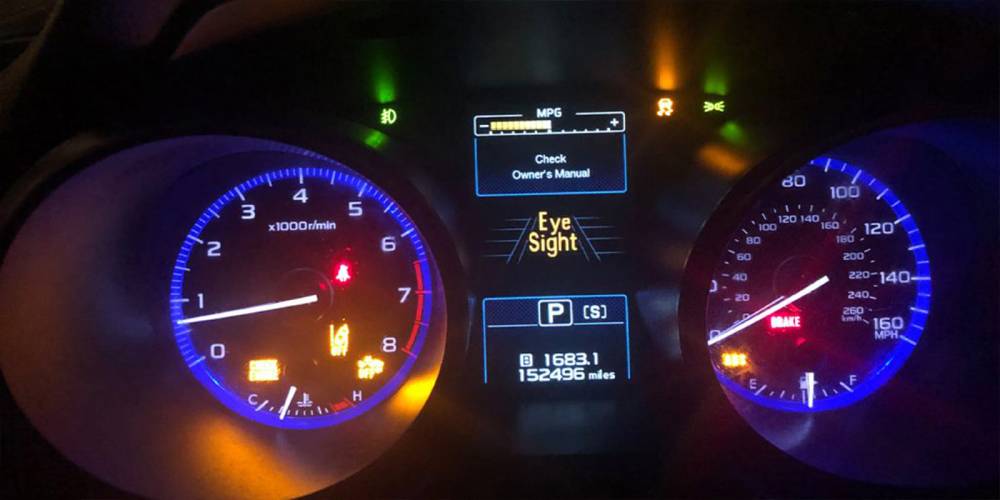
Seeing the EyeSight warning light illuminate on your Subaru’s dashboard can be unsettling, especially if you rely on the system’s advanced safety features during your daily commute. Many drivers immediately assume the worst, fearing expensive repairs or major system failures. Fortunately, that is not always the case.
Subaru EyeSight is a sophisticated driver assistance system designed to enhance road safety through features such as Adaptive Cruise Control, Pre-Collision Braking, and Lane Departure Warning. However, like any technology that depends on cameras and electronic components, EyeSight can occasionally become temporarily disabled due to environmental conditions, low battery voltage, software glitches, or camera obstructions.
Understanding how to reset Subaru EyeSight can save you time, reduce unnecessary stress, and potentially help you avoid an unnecessary trip to the dealership. In many situations, a simple inspection or basic reset procedure is all it takes to restore normal operation.
In this step by step guide, you will learn the most common reasons why Subaru EyeSight stops working, how to safely perform a reset, and when it is time to seek professional assistance. By the end of this article, you will be better prepared to handle EyeSight warnings with confidence and keep your Subaru’s safety systems functioning as intended.
What Is Subaru EyeSight and How Does It Work?
Before learning how to reset Subaru EyeSight, it is helpful to understand what this technology actually does and why it plays such an important role in modern Subaru vehicles.
Subaru EyeSight is an advanced driver assistance system that uses a pair of forward facing stereo cameras mounted near the rearview mirror. These cameras continuously monitor the road ahead, detecting vehicles, pedestrians, lane markings, and other potential hazards. By analyzing this information in real time, EyeSight helps drivers avoid collisions and maintain safer driving habits.
One of the most recognized EyeSight features is Adaptive Cruise Control, which automatically adjusts your vehicle’s speed to maintain a safe following distance from the car in front of you. The system also includes Pre Collision Braking, which can apply the brakes if it determines that a frontal collision is likely and the driver fails to react in time.
Additional functions may include Lane Departure Warning, Lane Keep Assist, and Lead Vehicle Start Alert. Together, these features create an extra layer of protection that complements attentive driving.
Although EyeSight is designed to operate reliably in a wide range of conditions, it is not immune to temporary disruptions. Understanding how the system works can make it easier to identify the cause of a malfunction and determine whether a simple reset may resolve the issue.
Signs That Your Subaru EyeSight May Need a Reset
Subaru EyeSight can occasionally experience temporary interruptions that prevent it from functioning correctly. Recognizing the warning signs early can help you decide whether a basic troubleshooting process is appropriate.
One of the most common indicators is an EyeSight warning light appearing on the dashboard. In some cases, drivers may also see messages stating that the EyeSight system has been disabled. These notifications often occur unexpectedly and can create concern about the safety and reliability of the vehicle.
Another sign is the sudden loss of driver assistance features. Adaptive Cruise Control may become unavailable, Lane Departure Warning may stop functioning, or Lane Keep Assist may fail to engage when expected. If these features were operating normally before and suddenly stop working, the system may require attention.
Drivers sometimes notice EyeSight issues immediately after driving through heavy rain, snow, fog, or direct sunlight. Since the system depends on cameras to monitor road conditions, temporary visibility limitations can trigger warnings and deactivate certain functions.
The good news is that not every EyeSight warning indicates a serious mechanical problem. In many situations, the issue is temporary and can be addressed through simple inspection procedures or a system reset. However, persistent warnings should never be ignored, as they may signal the need for professional diagnosis.
Common Reasons Why Subaru EyeSight Stops Working
Several factors can interfere with Subaru EyeSight performance, ranging from environmental conditions to underlying technical concerns. Understanding these causes is an important step in determining how to reset Subaru EyeSight effectively.
One of the most frequent causes is an obstructed windshield. Dirt, ice, condensation, insects, or even aftermarket accessories placed near the cameras can block the system’s view. Since EyeSight relies heavily on visual input, any obstruction may temporarily disable its functions.
Weather conditions can also affect system performance. Heavy rain, dense fog, snowstorms, and intense sunlight can reduce the cameras’ ability to accurately interpret the surrounding environment. Under these circumstances, EyeSight may automatically deactivate until visibility improves.
Battery related issues are another potential source of problems. A weak battery or recent battery replacement can occasionally disrupt communication between electronic systems, leading to temporary warning messages.
Drivers should also be aware of the impact of windshield replacement. Because the stereo cameras require precise alignment, installing a new windshield may necessitate professional recalibration. Without proper calibration, EyeSight may not function correctly.
Finally, software related glitches can occasionally occur. Like other computerized vehicle systems, EyeSight may experience temporary errors that can sometimes be resolved through a restart or reset procedure.
Identifying the underlying cause before attempting any corrective action can save time and help prevent unnecessary repairs.
How to Reset Subaru EyeSight: Step by Step Guide
If your Subaru displays an EyeSight warning message, there are several troubleshooting steps you can safely perform before scheduling a service appointment. While these methods may not resolve every issue, they can often address temporary malfunctions caused by environmental factors or minor electronic glitches.
Begin by parking your vehicle in a safe location. Turn off the engine completely and engage the parking brake. This ensures that you can inspect the system without distractions or safety concerns.
Next, examine the area around the EyeSight cameras, which are typically located near the rearview mirror. Check the windshield both inside and outside for dirt, frost, condensation, water spots, or debris. Clean the glass carefully using a microfiber cloth and an automotive glass cleaner that leaves no residue. Even a small obstruction can affect camera performance.
After cleaning the windshield, restart the vehicle and allow the system a few moments to complete its self check process. In many cases, temporary warning messages disappear once the cameras regain a clear view of the road.
If the warning remains, consider whether the issue began after a recent battery replacement or if the battery has been showing signs of weakness. In some situations, disconnecting the negative battery terminal for approximately ten to fifteen minutes may help reset certain vehicle systems. However, this procedure should only be performed if you are familiar with proper battery handling procedures and understand the potential impact on vehicle settings.
Once the vehicle has restarted, take a short drive in favorable weather conditions and observe whether EyeSight functions such as Adaptive Cruise Control and Lane Departure Warning operate normally. If the warning indicators disappear and the features resume working correctly, the problem was likely temporary.
It is important to remember that a reset is intended to address minor issues and should not be viewed as a solution for recurring system failures.
When a Simple Reset Will Not Fix the Problem
Although learning how to reset Subaru EyeSight can be helpful, there are situations in which a basic reset procedure will not resolve the underlying issue.
If the EyeSight warning light continues to illuminate after repeated restart attempts, further diagnosis may be necessary. Persistent alerts often indicate problems that require specialized equipment to identify accurately.
Drivers who have recently replaced their windshield should be particularly cautious. The stereo cameras used by EyeSight must be positioned with exceptional precision. Even slight alignment differences can compromise system performance and trigger warnings. In these cases, professional recalibration is typically required.
Physical damage to the windshield near the camera housing can also interfere with operation. Cracks, chips, or distortions in the glass may prevent the cameras from detecting objects correctly.
Electrical concerns present another possibility. Faulty sensors, wiring problems, or control module issues may produce symptoms that resemble simple software glitches but require expert attention to repair safely.
Repeated EyeSight failures should never be ignored. Since the system contributes to important safety functions, driving for extended periods with unresolved warnings may reduce the effectiveness of certain driver assistance features.
If your troubleshooting efforts do not restore normal operation, scheduling an inspection with a qualified Subaru technician is the most appropriate next step. Professional diagnostic tools can identify hidden faults and ensure that the system meets manufacturer specifications.
Does Subaru EyeSight Need Recalibration?
Many Subaru owners mistakenly assume that resetting EyeSight and recalibrating the system are the same process. In reality, these procedures serve very different purposes.
A reset is generally intended to clear temporary interruptions caused by environmental conditions or minor electronic inconsistencies. It does not physically adjust the cameras or correct alignment issues.
Recalibration, on the other hand, involves precisely aligning the EyeSight cameras using specialized equipment and manufacturer approved procedures. This process ensures that the cameras accurately measure distances, recognize lane markings, and respond appropriately to changing traffic conditions.
Recalibration is often recommended following windshield replacement because removing and reinstalling the glass can alter the positioning of the cameras. It may also be necessary after certain collision repairs or if diagnostic testing reveals calibration related faults.
Failing to recalibrate EyeSight when required can affect the accuracy of safety features such as Pre Collision Braking and Adaptive Cruise Control. Since these technologies rely on precise measurements, even small deviations may influence their performance.
Because recalibration requires advanced tools and controlled conditions, it is not considered a do it yourself procedure. Authorized Subaru service centers and qualified repair facilities possess the equipment necessary to complete the process correctly.
Understanding the distinction between resetting and recalibrating EyeSight can help drivers make informed decisions and avoid unnecessary frustration when troubleshooting system warnings.
Tips to Prevent Future Subaru EyeSight Issues
While some EyeSight warnings occur unexpectedly, many common issues can be minimized through regular vehicle maintenance and mindful driving habits. Taking a few preventive measures can help keep the system functioning properly and reduce the likelihood of unnecessary interruptions.
One of the simplest yet most effective practices is keeping the windshield clean, especially around the area where the EyeSight cameras are located. Dust, fingerprints, condensation, and road debris can obstruct the cameras and affect their ability to detect objects accurately.
It is also important to replace worn windshield wipers promptly. Damaged wiper blades can leave streaks across the glass, reducing visibility for both the driver and the EyeSight system. Using high quality windshield washer fluid can further improve camera performance during adverse weather conditions.
Routine battery maintenance should not be overlooked. Since modern driver assistance technologies rely on stable electrical power, ensuring that the battery remains in good condition may help prevent electronic irregularities.
Drivers should avoid attaching accessories, stickers, dash cameras, or decorative items near the EyeSight camera housing. Even minor obstructions within the cameras’ field of view can interfere with normal operation.
After windshield replacement or major front end repairs, always confirm whether EyeSight recalibration is necessary. Addressing calibration requirements promptly helps preserve the accuracy and reliability of the system’s safety features.
By incorporating these preventive habits into regular vehicle care, Subaru owners can support the long term effectiveness of EyeSight and enjoy greater confidence on the road.
Frequently Asked Questions
Can I reset Subaru EyeSight myself?
Yes, in certain situations. If the warning is caused by temporary factors such as dirty cameras, adverse weather conditions, or minor software glitches, basic troubleshooting steps may restore normal operation. However, persistent warnings should be evaluated by a qualified technician.
Why does Subaru EyeSight turn off during bad weather?
EyeSight depends on stereo cameras to monitor the road ahead. Heavy rain, snow, dense fog, and intense glare can temporarily limit camera visibility. When this occurs, the system may disable certain features until driving conditions improve.
Will disconnecting the battery reset Subaru EyeSight?
Disconnecting the battery may help reset some electronic systems, but it is not a guaranteed solution for EyeSight problems. If the underlying issue involves calibration errors, damaged components, or stored diagnostic trouble codes, additional repairs may be necessary.
How much does Subaru EyeSight recalibration cost?
The cost of recalibration varies depending on the vehicle model, geographic location, and service provider. In many cases, recalibration costs can range from approximately one hundred to several hundred dollars. Contacting a local Subaru service center is the best way to obtain accurate pricing information.
Is it safe to drive with EyeSight disabled?
The vehicle can still be driven when EyeSight is temporarily unavailable, provided there are no other serious mechanical concerns. However, driver assistance functions such as Adaptive Cruise Control and Pre Collision Braking may not operate. Drivers should exercise increased caution and arrange for inspection if warnings persist.
Conclusion
Knowing how to reset Subaru EyeSight can help drivers respond calmly when warning messages appear unexpectedly. In many cases, simple actions such as cleaning the windshield, restarting the vehicle, or identifying temporary environmental factors are enough to restore normal system operation.
At the same time, it is important to recognize the limitations of a basic reset procedure. Persistent warning lights, recent windshield replacement, recurring malfunctions, or suspected camera misalignment may indicate the need for professional diagnosis and recalibration. Addressing these concerns promptly helps ensure that EyeSight continues to deliver the advanced safety support it was designed to provide.
Subaru EyeSight represents an important advancement in driver assistance technology, but it is most effective when combined with responsible driving habits and routine vehicle maintenance. By understanding how the system works and knowing when to seek expert assistance, you can protect both your investment and the safety of everyone on the road.
Have you experienced an EyeSight warning in your Subaru? Sharing your experience may help other drivers facing similar situations, and discussing common solutions can provide valuable insights for the entire Subaru community.