Have you ever started your vehicle, only to see a warning message that says “Service Air Suspension System Immediately” appear on your dashboard? For many drivers, this message can create instant concern, especially when driving a luxury vehicle equipped with an advanced air suspension system.
Unlike traditional coil spring suspension, an air suspension system uses air springs, compressors, sensors, and electronic control modules to automatically adjust vehicle height and improve ride comfort. When the system detects a problem, it triggers the Service Air Suspension System Immediately Message to alert the driver that inspection or repair may be required.
Ignoring this warning might seem tempting if your vehicle still drives normally. However, a small issue such as an air leak, faulty sensor, or weak compressor can quickly develop into a more expensive repair. A failing air suspension system can affect ride quality, vehicle stability, tire wear, and overall driving safety.
In this guide, we will explain what the Service Air Suspension System Immediately Message means, why it appears, the most common causes, whether you can continue driving, and the best solutions to fix the problem before it becomes a major repair expense.
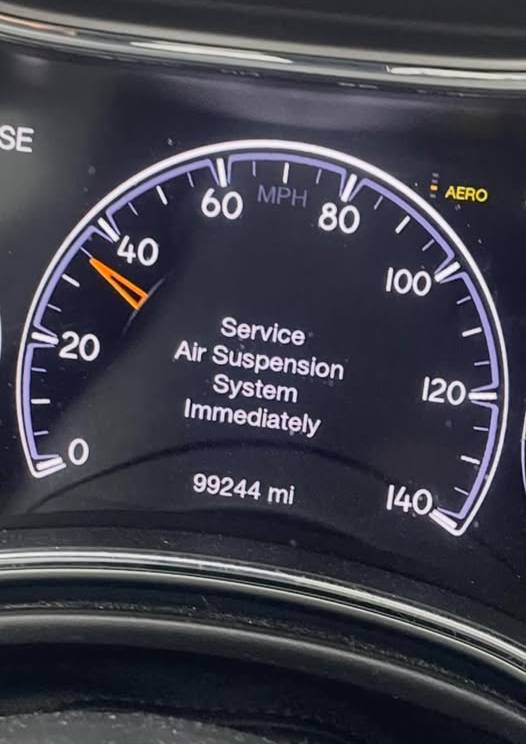
What Does “Service Air Suspension System Immediately” Message Mean?
The Service Air Suspension System Immediately Message is a warning alert generated by your vehicle’s electronic control system when it detects a problem with the air suspension components. This message does not always mean that the entire suspension system has failed, but it indicates that one or more parts may not be working correctly and require inspection.
An air suspension system is designed to replace traditional steel springs with adjustable air-filled components called air springs or air bags. The system uses compressed air to maintain the correct ride height, improve driving comfort, and provide better handling performance under different road conditions.
Modern vehicles equipped with air suspension rely on several important components, including air springs, an air compressor, height sensors, air lines, valves, and an electronic control module. Each component works together to automatically adjust the vehicle’s height and maintain a balanced ride.
When the vehicle detects abnormal readings, such as low air pressure, incorrect ride height, or communication problems between suspension components, it activates the warning message. The system may also enter a safety mode to prevent additional damage.
Common signs that appear along with the Service Air Suspension System Immediately Message include uneven vehicle height, a lower ride height on one side, a rougher driving experience, unusual compressor noises, or delayed suspension adjustments.
Many drivers make the mistake of ignoring this warning because the vehicle may continue operating normally at first. However, continuing to drive with a faulty air suspension system can increase stress on other components. For example, a small air leak can force the compressor to run continuously, causing premature compressor failure and turning a minor repair into a much more expensive problem.
Understanding what this warning means is the first step toward protecting your vehicle and avoiding unnecessary repair costs.
Common Causes of Service Air Suspension System Immediately Warning
The Service Air Suspension System Immediately Message can appear for several different reasons. Identifying the exact cause requires proper diagnosis, but some problems occur more frequently than others.
1. Air Suspension Leak
One of the most common reasons behind an air suspension warning is an air leak. The system depends on sealed air pressure to maintain the correct vehicle height. When air escapes from the system, the suspension cannot operate properly.
Air leaks can happen in several areas, including damaged air springs, cracked air lines, worn seals, or faulty connections. Over time, rubber components can become brittle due to temperature changes, road conditions, and normal aging.
A vehicle with an air leak may show several warning signs, such as:
The vehicle sits lower than normal after being parked overnight.
One corner of the vehicle appears lower than the others.
The air compressor runs frequently or stays active longer than usual.
The ride feels less comfortable because the suspension cannot maintain proper pressure.
Ignoring an air leak is risky because the compressor must work harder to compensate for lost air. Eventually, the compressor may overheat and fail, leading to a significantly higher repair bill.
2. Failed Air Suspension Compressor
The air compressor is one of the most important parts of the suspension system. Its job is to create compressed air and deliver it to the air springs. When the compressor fails, the vehicle may no longer be able to adjust its ride height.
Several factors can cause compressor failure, including excessive operation caused by leaks, electrical problems, internal wear, or moisture damage.
Common symptoms of a failing air compressor include:
The vehicle cannot raise or lower properly.
The compressor makes unusual sounds.
The suspension warning appears repeatedly.
The vehicle remains in a lowered position.
A weak compressor is often a result of another hidden problem. For example, if a small leak exists and remains untreated, the compressor may constantly activate to restore lost pressure. This continuous workload can shorten its lifespan.
3. Faulty Height Sensors
Height sensors help the vehicle determine the distance between the suspension and the road surface. The electronic control module uses this information to adjust air pressure and maintain the correct ride height.
When a height sensor becomes damaged or provides incorrect information, the system may not know the actual position of the vehicle. This can trigger the Service Air Suspension System Immediately Message even when other components are functioning correctly.
Signs of a faulty height sensor may include:
Incorrect vehicle height adjustment.
Suspension moving unexpectedly.
Warning messages appearing randomly.
Uneven suspension performance.
Replacing a damaged sensor is usually much less expensive than replacing major suspension components, which is why early diagnosis is important.
Can You Still Drive With a Service Air Suspension System Immediately Warning?
One of the most common questions drivers ask after seeing this warning is: “Can I continue driving my vehicle?”
The answer depends on the severity of the problem. In some situations, the vehicle may still be drivable for a short distance. However, the warning should never be ignored because air suspension problems can affect vehicle stability, comfort, and safety.
If the system has a minor sensor issue, you may notice little difference in driving performance. However, if the vehicle has a major air leak, compressor failure, or incorrect ride height, continuing to drive may create additional risks.
You should avoid driving for extended periods if you notice any of the following symptoms:
The vehicle is sitting extremely low.
One side of the vehicle is noticeably lower than the other.
The suspension feels unstable while turning.
The vehicle produces unusual mechanical noises.
The warning changes to a serious fault indicator.
A damaged air suspension system can affect handling because the vehicle may no longer maintain the correct balance between all four wheels. This can become especially dangerous during emergency braking, high-speed driving, or poor road conditions.
Another concern is the possibility of secondary damage. When the air suspension system cannot maintain pressure, other components may experience additional stress. The compressor may overwork, tires may wear unevenly, and suspension parts may deteriorate faster.
If the Service Air Suspension System Immediately Message appears, the safest approach is to schedule a professional inspection as soon as possible. Early diagnosis can often prevent a simple repair from becoming a complete suspension replacement.
How To Diagnose Service Air Suspension System Immediately Warning
Finding the exact reason behind the Service Air Suspension System Immediately Message requires a proper diagnostic process. Since the air suspension system contains multiple electronic and mechanical components, replacing parts without identifying the real problem can lead to unnecessary expenses.
A professional diagnosis usually begins with scanning the vehicle’s computer system. Modern vehicles store suspension-related fault codes that provide valuable information about possible failures. Using an OBD-II scanner or manufacturer-specific diagnostic equipment can help technicians identify whether the issue is related to sensors, electrical connections, compressor performance, or air pressure problems.
The first step in diagnosis is checking the suspension fault codes. These codes help narrow down the possible causes and prevent unnecessary replacement of expensive components.
After retrieving the fault codes, a visual inspection should be performed. Technicians typically examine the air springs, air lines, compressor, valves, wiring connections, and height sensors for visible signs of damage.
Air leaks are often checked by inspecting the suspension components for cracks, damaged seals, or loose connections. In some cases, special leak detection solutions are used to locate small air leaks that are difficult to see.
The air compressor should also be tested to determine whether it can generate sufficient pressure. A compressor that runs constantly or struggles to maintain pressure may indicate internal wear or another underlying problem.
Another important step is checking the suspension height sensors. Since these sensors provide information to the vehicle’s control module, inaccurate readings can cause incorrect suspension adjustments and trigger warning messages.
Electrical problems should not be overlooked. Damaged wiring, blown fuses, poor connections, or control module failures can interrupt communication between suspension components.
A complete diagnostic process helps determine whether the repair requires a simple sensor replacement, an air leak repair, or a more expensive component replacement. Accurate diagnosis saves time, reduces repair costs, and prevents replacing parts that are still working properly.
How Much Does Air Suspension Repair Cost?
The cost of repairing an air suspension system depends on several factors, including the vehicle brand, damaged components, labor rates, and whether original equipment manufacturer or aftermarket parts are used.
The Service Air Suspension System Immediately Message can be caused by a relatively inexpensive issue, such as a faulty sensor, or a more costly problem involving the compressor or air springs.
Some common repair costs include:
Air leak repair: approximately $100 to $500 depending on the location and severity of the leak.
Height sensor replacement: approximately $200 to $600 including parts and labor.
Air compressor replacement: approximately $500 to $1,500 depending on vehicle model and component quality.
Air spring replacement: approximately $500 to $2,000 per component depending on the vehicle.
Luxury vehicles with advanced air suspension systems may have higher repair costs because their components are more complex and specialized. For example, vehicles from brands such as Mercedes-Benz, BMW, Range Rover, Audi, and Cadillac often use sophisticated suspension technology that requires specialized diagnostic equipment.
Many vehicle owners delay repairs because they are concerned about expensive bills. However, postponing maintenance can increase the total cost. A small air leak that costs a few hundred dollars to repair may eventually damage the compressor, turning the repair into a four-figure expense.
Choosing the cheapest repair option is not always the best approach. Low-quality replacement parts may fail sooner and create repeated problems. A reliable repair should focus on identifying the root cause and using quality components that restore the system’s original performance.
Regular inspection and early repair are the most effective ways to control air suspension maintenance costs.
How To Fix Service Air Suspension System Immediately Message
The correct solution for the Service Air Suspension System Immediately Message depends on the specific cause of the failure. There is no universal reset method that can permanently solve the problem because the warning usually indicates a mechanical or electrical issue that needs attention.
If the problem is caused by an air leak, the repair process involves locating the damaged area and replacing or repairing the affected component. This may include repairing air lines, replacing damaged seals, or installing new air springs.
When the air compressor fails, replacement is usually required. A damaged compressor cannot provide the pressure needed to operate the suspension system correctly. Before installing a new compressor, technicians should also check for leaks because an unresolved leak can cause the replacement compressor to fail prematurely.
If a faulty height sensor is responsible for the warning, replacing the sensor and recalibrating the suspension system may restore normal operation. Proper calibration ensures that the vehicle maintains the correct ride height.
Electrical-related problems may require repairing wiring connections, replacing damaged fuses, or diagnosing the electronic control module. Because modern air suspension systems rely heavily on electronic communication, even a small electrical fault can interrupt the entire system.
Some drivers attempt to reset the warning message by disconnecting the battery or clearing fault codes. While this may temporarily remove the warning, it does not repair the underlying issue. If the problem remains, the warning will usually return.
The best approach is to combine professional diagnosis with proper repair. Fixing the actual cause rather than only clearing the warning helps restore reliability and prevents repeated failures.
When the Service Air Suspension System Immediately Message appears, addressing the issue early can protect your vehicle, maintain driving comfort, and prevent expensive suspension damage in the future.
How To Prevent Future Air Suspension Problems
Maintaining your vehicle’s air suspension system properly is one of the best ways to avoid seeing the Service Air Suspension System Immediately Message in the future. Although air suspension provides excellent comfort and handling performance, it requires regular care because it contains several complex mechanical and electronic components.
One of the most important maintenance steps is performing regular inspections. Drivers should pay attention to any changes in ride height, unusual noises, or differences in suspension performance. A vehicle that appears lower on one side after being parked overnight may indicate an early air leak that needs attention.
Checking for air leaks before they become serious problems can save significant repair costs. Small leaks force the air compressor to work harder because the system constantly tries to restore lost pressure. Over time, this additional workload can cause compressor overheating and premature failure.
Another important prevention method is avoiding excessive vehicle loads. Carrying weight beyond the manufacturer’s recommended limit puts additional stress on air springs, compressors, and suspension components. While air suspension systems are designed to handle different driving conditions, continuous overload can reduce component lifespan.
Regular vehicle servicing is also essential. During routine maintenance, technicians can inspect suspension components, check diagnostic codes, and identify early warning signs before they develop into major failures.
Drivers should also avoid ignoring unusual sounds from the suspension system. A clicking noise from sensors, a loud compressor operation, or repeated suspension adjustments may indicate that a component is struggling.
Using quality replacement parts is another important factor. Cheap aftermarket components may seem attractive because they reduce immediate costs, but lower-quality parts may fail sooner and create repeated repair expenses.
Proper maintenance does not guarantee that air suspension problems will never occur, but it significantly reduces the risk of unexpected failures. A proactive approach helps keep the suspension system reliable, improves driving comfort, and protects the long-term value of the vehicle.
Vehicles Commonly Affected by Air Suspension Warning Messages
The Service Air Suspension System Immediately Message can appear on many different vehicles, but it is especially common among luxury and premium models equipped with advanced electronic air suspension systems.
Manufacturers use air suspension technology because it provides a smoother driving experience, automatic ride height adjustment, and improved vehicle stability. However, the additional technology also means there are more components that can potentially fail over time.
Mercedes-Benz Air Suspension Problems
Mercedes-Benz vehicles equipped with AIRMATIC suspension systems are known for delivering excellent ride comfort. However, aging air springs, leaking components, and compressor problems can cause suspension warnings.
Common symptoms include uneven ride height, vehicle sagging after parking, and suspension warning messages appearing on the dashboard.
BMW Air Suspension Problems
BMW models with rear air suspension systems may experience issues related to air springs, compressors, and electronic sensors. A common problem is rear suspension height dropping after the vehicle has been parked for an extended period.
Range Rover Air Suspension Problems
Range Rover vehicles rely heavily on air suspension technology to provide off-road capability and luxury comfort. Because the system operates under demanding conditions, components may experience wear over time.
Drivers may notice slow height adjustments, suspension faults, or a vehicle that remains in a restricted driving mode.
Cadillac Air Suspension Problems
Certain Cadillac models use advanced suspension systems designed for comfort and performance. Sensor failures, compressor issues, and electronic control problems can trigger suspension warnings.
Other Vehicles With Air Suspension Systems
Air suspension technology is also found in many vehicles from Audi, Jeep, Porsche, Lexus, and other manufacturers. While the design and components vary, the basic operating principles remain similar.
Regardless of the vehicle brand, the solution is usually the same: identify the cause, repair the damaged component, and properly recalibrate the system.
Understanding that air suspension problems are common across many premium vehicles can help owners recognize warning signs earlier and avoid unexpected breakdowns.
Frequently Asked Questions About Service Air Suspension System Immediately Message
What does Service Air Suspension System Immediately mean?
The Service Air Suspension System Immediately Message means that the vehicle’s computer has detected a problem within the air suspension system. The issue may involve air pressure, sensors, electrical connections, the compressor, or other suspension components. A professional inspection is recommended to determine the exact cause.
Can I reset the Service Air Suspension System Immediately warning myself?
In some cases, drivers can temporarily clear the warning by disconnecting the battery or using a diagnostic scanner. However, resetting the message does not fix the actual problem. If a mechanical or electrical fault remains, the warning will likely return.
How long can I drive with an air suspension warning?
The answer depends on the severity of the issue. Some vehicles can be driven for a short distance if the suspension remains stable. However, driving for a long time with an air suspension problem may increase damage and create safety risks.
If the vehicle is sitting unevenly, extremely low, or showing serious suspension faults, it is best to stop driving and seek professional assistance.
Is air suspension expensive to repair?
Air suspension repair costs vary widely depending on the failed component. Minor repairs such as fixing leaks or replacing sensors are usually less expensive, while compressor or air spring replacement can cost significantly more.
Early diagnosis is the best way to prevent a small issue from becoming an expensive repair.
How do I know if my air suspension compressor is failing?
Common signs of compressor failure include unusual operating noises, frequent activation, inability to raise the vehicle, slow suspension adjustments, and repeated warning messages.
A professional inspection can confirm whether the compressor is the actual cause or if another issue is forcing it to work harder.
Conclusion
The Service Air Suspension System Immediately Message is more than just a simple dashboard notification. It is a warning that your vehicle’s suspension system has detected a problem that may affect comfort, stability, and long-term reliability.
Air suspension systems provide many advantages, including a smoother ride, automatic height adjustment, and improved handling. However, because these systems rely on multiple components such as air springs, compressors, sensors, valves, and electronic modules, even a small failure can impact overall performance.
The most common causes of this warning include air leaks, compressor failure, faulty height sensors, and electrical problems. While some issues may seem minor at first, ignoring them can lead to more serious damage and significantly higher repair costs.
The best solution is to diagnose the problem early and repair the actual cause instead of simply clearing the warning message. Regular inspections, proper maintenance, and using quality replacement parts can help prevent future air suspension failures.
If your vehicle displays the Service Air Suspension System Immediately Message, do not wait until the suspension completely fails. A professional inspection can help identify the issue, protect your vehicle, and restore the smooth driving experience that air suspension systems are designed to provide.
Have you experienced an air suspension warning on your vehicle? Share your experience and let others know what solution worked for you.