Seafoam and Lucas both help maintain engines and fuel systems, but they serve different purposes. Seafoam focuses more on cleaning deposits, while Lucas places greater emphasis on lubrication and fuel system maintenance. Drivers often choose Seafoam to remove gum, varnish, and deposits from fuel related components. In contrast, Lucas suits maintenance goals that prioritize lubrication while keeping the fuel system clean.
Fuel injectors, carburetors, and other fuel related parts can accumulate deposits over time. Seafoam Motor Treatment targets these contaminants and helps maintain clean fuel delivery. Lucas Fuel Treatment also cleans the fuel system while adding lubrication to components that contact the fuel. Because of this difference, each treatment fits a different maintenance objective.
The better choice depends on the problem you want to address. Engine type, mileage, fuel type, and fuel system condition also affect the decision. This Seafoam vs Lucas comparison examines cleaning ability, lubrication, gasoline and diesel applications, fuel economy, dosage, cost, and safety. You will also learn which treatment fits common engine maintenance situations. Comparing these factors separately makes it easier to select a fuel treatment that matches your engine’s needs.
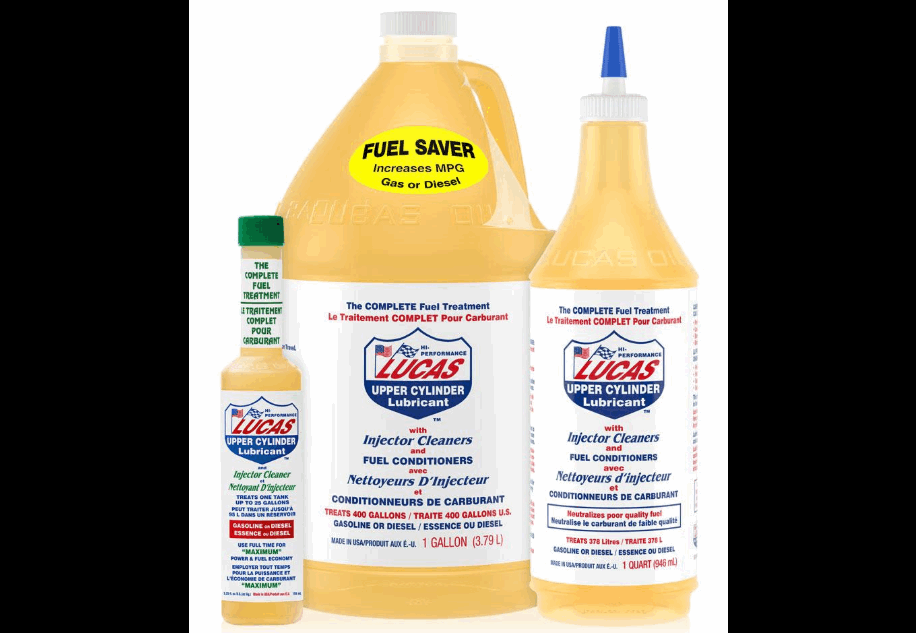
What Is the Difference Between Seafoam and Lucas?
The main difference between Seafoam and Lucas is their primary maintenance focus. Seafoam emphasizes cleaning, while Lucas combines cleaning with stronger lubrication. Both products treat fuel systems, but their different priorities make them suitable for different engine needs.
Seafoam Motor Treatment helps dissolve gum, varnish, and deposits in fuel related components. Drivers can use it in gasoline or diesel fuel systems. It also works with fuel injectors and carburetors. Sea Foam states that Motor Treatment can also work in crankcase oil before an oil change. This broader application gives Seafoam an advantage when deposit removal is the main goal.
Lucas Fuel Treatment focuses on fuel system maintenance while providing lubrication. Its formula cleans fuel injectors and helps lubricate fuel system components. Lucas also markets the product for gasoline and diesel engines. This combination makes it useful when a driver wants routine fuel treatment with added lubrication.
The choice therefore depends on the maintenance objective. Choose Seafoam when cleaning deposits is your main priority. Lucas makes more sense when lubrication plays a larger role in your maintenance plan. Engine condition also matters because a fuel additive cannot repair damaged mechanical components.
| Feature | Seafoam | Lucas |
|---|---|---|
| Primary focus | Cleaning | Cleaning and lubrication |
| Fuel injector cleaning | Yes | Yes |
| Gasoline engines | Yes | Yes |
| Diesel engines | Yes | Yes |
| Carburetor application | Yes | Yes |
| Crankcase application | Yes | No |
| Best suited for | Deposit focused cleaning | Routine treatment and lubrication |
How Do Seafoam and Lucas Work?
Seafoam and Lucas work by mixing with fuel and acting on deposits or fuel system components as the engine operates. Seafoam primarily uses its formula to clean residues. Lucas combines cleaning action with lubrication for components that contact fuel.
Seafoam Motor Treatment circulates through the fuel system after you add it to the fuel tank. The treatment contacts injectors, carburetor passages, and other fuel related components during operation. Its cleaning action targets gum, varnish, and deposits that can accumulate in these areas. Removing these contaminants helps maintain proper fuel flow through the system.
Lucas Fuel Treatment follows a similar path through the fuel system but places more emphasis on lubrication. As fuel carries the treatment through the system, the formula contacts injectors and other fuel related components. Its lubricating properties help reduce friction in parts that depend on fuel for lubrication. The product also provides cleaning action that supports routine fuel system maintenance.
These mechanisms explain why each product fits a different maintenance goal. Seafoam makes more sense when accumulated deposits create the main concern. Lucas offers a stronger fit when regular cleaning and lubrication share equal importance. However, neither treatment can correct worn injectors, damaged pumps, poor compression, or other mechanical failures. Those problems require proper diagnosis and repair.
Is Seafoam or Lucas Better for Cleaning Fuel Injectors?
Seafoam is the better choice when fuel injector cleaning is the primary goal, while Lucas better suits routine cleaning combined with lubrication. Both treatments can clean fuel injectors, but they approach fuel system maintenance with different priorities.
Fuel injectors develop deposits when contaminants and fuel residues accumulate around injector components. These deposits can interfere with proper fuel delivery and affect combustion. Seafoam Motor Treatment circulates with the fuel and contacts deposits as the engine runs. Its cleaning focused formula makes it suitable for drivers who want to address gum, varnish, and residue within the fuel system.
Lucas Fuel Treatment also cleans injectors as it moves through the fuel system. However, its formula adds lubrication while supporting injector cleanliness. That combination makes Lucas more suitable for ongoing maintenance when deposit removal is not the only objective. Drivers who prioritize both cleaning and lubrication may therefore prefer Lucas.
Engine symptoms should also influence the decision. A fuel treatment can help when contamination affects injector performance, but it cannot repair a damaged injector. Electrical faults, internal wear, and severe injector failure require diagnosis and mechanical service. Choose Seafoam for a cleaning focused treatment. Choose Lucas when routine injector maintenance and lubrication are equally important.
Is Seafoam or Lucas Better for Removing Carbon Deposits?
Seafoam is generally the better choice when removing deposits is the main maintenance goal. Lucas can also support fuel system cleanliness, but its formula places greater emphasis on lubrication. The right choice also depends on where the deposits have formed.
Carbon deposits develop when combustion leaves residue on engine components over time. Gum and varnish differ because they form from fuel degradation and residue within the fuel system. These contaminants can collect around injectors, carburetor passages, and other fuel related components. Identifying the type and location of the buildup helps determine the appropriate treatment.
Seafoam Motor Treatment targets deposits as its formula moves through treated areas. Its cleaning focused application makes it more suitable when deposit control is the main objective. Drivers may use the product to address residue in compatible fuel system and engine applications. However, the treatment must reach the contaminated area to produce a cleaning effect.
Lucas Fuel Treatment takes a different approach. Its cleaning action helps maintain fuel injectors and related components, while its lubrication properties support routine fuel system maintenance. This balance makes Lucas more appropriate when preventing buildup and maintaining lubrication matter more than aggressive deposit removal.
Neither product can remove every type of carbon buildup throughout an engine. Severe deposits may require direct cleaning or mechanical service. Choose Seafoam for deposit focused maintenance. Choose Lucas when ongoing fuel system cleanliness and lubrication are the main priorities.
Does Seafoam or Lucas Provide Better Lubrication?
Lucas is the better choice when fuel system lubrication is the main priority. Seafoam provides lubricating properties in compatible applications, but its primary strength centers on cleaning. Lucas places greater emphasis on lubricating fuel system components while maintaining cleanliness.
Fuel provides some lubrication as it moves through pumps, injectors, and other components. Added lubricity can support parts that rely on the fuel passing through them. Lucas Fuel Treatment adds lubricating agents to the fuel during treatment. These agents travel with the fuel and contact components throughout the system.
This lubrication focus makes Lucas useful for drivers who want ongoing fuel system maintenance. Its formula combines lubrication with cleaning rather than concentrating mainly on deposit removal. That balance separates Lucas from Seafoam when lubrication becomes the deciding factor.
Seafoam takes a different approach because cleaning remains a major part of its purpose. Its formula helps remove gum, varnish, and other deposits from compatible components. Seafoam can also provide lubrication within its approved applications. However, drivers seeking a treatment primarily for lubricity will find Lucas better aligned with that objective.
The maintenance goal should determine the choice. Choose Lucas when lubrication takes priority alongside routine fuel system cleaning. Choose Seafoam when removing deposits remains the main objective. Neither product can restore mechanically worn components, so persistent fuel system problems still require proper inspection and repair.
Is Seafoam or Lucas Better for Gasoline Engines?
Seafoam is better for gasoline engines that need deposit focused cleaning, while Lucas suits routine fuel system maintenance and lubrication. Both products work with gasoline engines, so the better option depends on the engine condition and maintenance goal.
Gasoline engines can develop gum, varnish, and other deposits within the fuel system. Contaminants around injectors or carburetor passages can affect fuel delivery as they accumulate. Seafoam Motor Treatment targets these residues as treated fuel moves through compatible components. This cleaning focus makes Seafoam useful when deposits represent the primary concern.
Lucas Fuel Treatment provides a different advantage in gasoline applications. The formula cleans fuel system components while adding lubrication during operation. Drivers can use this combination as part of routine maintenance when they want to support both cleanliness and lubricity. An engine without significant deposit problems may benefit more from this balanced approach.
Vehicle condition should guide the final choice. Use Seafoam when a gasoline engine needs cleaning within the product’s approved applications. Choose Lucas when regular fuel treatment and lubrication better match the maintenance objective. High mileage alone does not determine which product works better because two engines with equal mileage can have different conditions.
Fuel additives also have practical limits. Neither treatment can repair worn injectors, failing fuel pumps, ignition faults, or compression problems. Diagnose persistent performance issues before relying on an additive to solve them.
Is Seafoam or Lucas Better for Diesel Engines?
Lucas is the better choice when lubrication is the main priority in a diesel fuel system, while Seafoam better suits deposit focused cleaning. Both treatments support diesel applications, but each product addresses a different maintenance objective.
Diesel fuel systems rely on precise fuel delivery through pumps and injectors. Deposits can interfere with this process when they accumulate inside compatible fuel system components. Seafoam Motor Treatment helps clean fuel related residues as treated diesel moves through the system. This cleaning focus makes it suitable when deposit control is the primary concern.
Lubrication gives Lucas Fuel Treatment a different role in diesel maintenance. Its formula adds lubricity while also helping maintain injector and fuel system cleanliness. This combination can suit drivers who prioritize regular fuel system maintenance rather than a cleaning focused treatment. The added lubrication also distinguishes Lucas when lubricity drives the product choice.
Engine condition still matters more than fuel type alone. Choose Seafoam when cleaning compatible diesel fuel system components is the main objective. Choose Lucas when lubrication and routine cleanliness have greater importance. Always follow the correct dosage and application instructions for the specific product.
Neither additive can correct mechanical diesel problems. A failing injector, damaged fuel pump, compression issue, or other component failure requires diagnosis and repair. Fuel treatment should support maintenance rather than replace necessary mechanical service.
Is Seafoam or Lucas Better for High Mileage Engines?
Lucas is generally better for high mileage engines that need ongoing fuel system lubrication, while Seafoam suits engines with deposit related concerns. Mileage alone does not determine the right treatment. Fuel system condition, maintenance history, and engine symptoms provide more useful information.
High mileage engines may have accumulated deposits after years of operation. Gum, varnish, and other residues can develop within fuel related components. Seafoam Motor Treatment targets these contaminants in compatible applications. This makes it useful when an older engine needs cleaning as part of its maintenance routine.
Lucas Fuel Treatment takes a more lubrication focused approach. Its formula helps clean the fuel system while adding lubricity to components that contact treated fuel. This combination can fit an older engine that needs regular fuel system maintenance. Drivers who prioritize lubrication may therefore find Lucas more suitable for long term use.
The condition of the engine should guide the final decision. Choose Seafoam when deposits create the primary maintenance concern. Select Lucas when lubrication and routine fuel system care take priority. A well maintained engine with 150,000 miles can have different needs from a neglected engine with 80,000 miles.
Neither product can reverse mechanical wear caused by extended use. Worn piston rings, damaged injectors, failing pumps, and compression problems require proper repairs. Diagnose these faults before treating a fuel additive as the solution.
Does Seafoam or Lucas Improve Fuel Economy?
Seafoam and Lucas may support fuel economy when deposits or poor fuel system condition reduce engine efficiency, but neither product guarantees higher MPG. Seafoam focuses more on cleaning, while Lucas combines cleaning with lubrication. The effect depends on the condition of the engine before treatment.
Dirty fuel injectors can interfere with fuel delivery and combustion. Seafoam Motor Treatment helps clean deposits from compatible fuel system components. This cleaning may help an engine operate more efficiently when contamination affects performance. However, a clean and properly functioning fuel system may show little noticeable change after treatment.
Lucas Fuel Treatment approaches the issue differently. Its formula helps maintain fuel system cleanliness while adding lubrication. Cleaner components and proper fuel delivery can support efficient engine operation. Still, lubrication does not automatically produce a measurable increase in fuel economy.
Several factors have a greater effect on MPG than the choice between these treatments. Tire pressure, driving habits, engine condition, vehicle load, and maintenance can all influence fuel consumption. Mechanical problems can also reduce efficiency regardless of the additive in the tank.
Choose Seafoam when deposit related fuel system problems may affect engine operation. Select Lucas when routine cleaning and lubrication match your maintenance goal. For fuel economy, treat either product as a maintenance aid rather than a guaranteed way to reduce fuel consumption.
How Much Seafoam or Lucas Should You Use?
Seafoam and Lucas require different treatment amounts, so drivers should measure each product according to its instructions and intended use. The correct amount also depends on fuel volume and treatment purpose. Adding more than the recommended amount does not automatically improve results.
Sea Foam provides different treatment ratios for routine fuel maintenance and stronger cleaning applications. This distinction matters because a maintenance dose serves a different purpose from a concentrated cleaning treatment. Drivers should calculate the amount from the fuel volume in the tank. They should also confirm that the selected ratio matches the intended application.
Lucas follows its own dosage instructions for gasoline and diesel fuel treatment. Users add the appropriate quantity according to the amount of fuel they plan to treat. Regular maintenance does not require an arbitrary increase in concentration. Following the labeled ratio keeps the treatment consistent with its intended function.
Accurate measurement matters for both products. Check the current label before adding either treatment because product directions can change. Measure the fuel volume, identify the maintenance goal, and then calculate the required amount. Avoid estimating the dose by simply pouring part of the bottle into the tank.
The best dosage is therefore not the largest dose. Use the amount that Sea Foam or Lucas specifies for your fuel volume and application. This approach provides a more reliable treatment and prevents unnecessary product use.
Is Seafoam or Lucas More Cost Effective?
Lucas or Seafoam can be more cost effective depending on dosage, treatment frequency, and maintenance goals. Comparing bottle prices alone does not show which product provides better value. Drivers should compare the cost of each treatment and the function they need.
Bottle size affects the initial purchase price, but dosage determines how many treatments one container provides. A product with a higher shelf price may cost less per treatment if it requires a smaller amount. Treatment frequency also changes the total expense over several months. For this reason, cost per application provides a more useful comparison than bottle price.
Purpose matters as well. Seafoam may provide better value when deposit focused cleaning is the main objective. Spending less on a product that does not match that goal offers little practical value. Lucas can make more financial sense when a driver wants routine cleaning and lubrication from one fuel treatment.
Drivers can calculate value with a simple formula. Divide the product price by the number of treatments available in the container. For example, a $20 bottle that provides five treatments costs $4 per treatment. This calculation makes products with different bottle sizes easier to compare.
Neither option offers better value in every situation. Choose the treatment that addresses the required maintenance task at the lowest effective cost per application. This approach connects price with function instead of choosing Seafoam or Lucas based only on the price tag.
Can You Use Seafoam and Lucas Together?
Using Seafoam and Lucas together is usually unnecessary because both products already perform overlapping fuel treatment functions. Choosing one product based on the maintenance goal provides a simpler approach. It also makes dosage easier to control and results easier to evaluate.
Both treatments can enter the fuel system through the fuel tank. Seafoam focuses more on cleaning deposits, while Lucas combines cleaning with lubrication. Adding both products does not automatically combine their benefits or produce better results. A higher concentration of fuel additives also does not mean stronger or faster maintenance.
Drivers should first identify the problem they want to address. Seafoam makes more sense when deposit focused cleaning is the primary objective. Lucas provides a better match when routine cleaning and lubrication have greater importance. Using one treatment also helps drivers determine whether that product produces a noticeable change.
Product dosage creates another consideration. Each manufacturer provides instructions for using its treatment with a specific amount of fuel. Mixing two treatments introduces two separate formulas into the same tank. Drivers should not assume that each product’s individual dosage instructions confirm the benefits of combining them.
For these reasons, choose Seafoam or Lucas according to the maintenance objective instead of routinely mixing both treatments. Follow the current product instructions for the selected additive. Seek manufacturer guidance before combining fuel treatments when the labels do not specifically address that application.
Can Seafoam or Lucas Damage Your Engine?
Seafoam and Lucas should not damage a compatible engine when drivers follow the correct product instructions and dosage. Problems become more likely when someone uses the wrong application, ignores compatibility requirements, or adds an inappropriate amount. Existing mechanical faults can also create symptoms that drivers mistakenly blame on a fuel additive.
Correct application matters because fuel treatments have specific purposes. Drivers should add each product only to systems that the manufacturer approves. They should also measure the treatment according to the amount of fuel and the intended application. Adding extra product does not guarantee better cleaning or lubrication.
Engine condition creates another important factor. A vehicle may already have worn injectors, a weak fuel pump, ignition problems, or poor compression. Fuel treatment cannot repair these faults. Symptoms may continue after treatment because the additive never addressed the actual cause.
Deposit removal can also reveal an existing problem rather than create one. An older engine may contain significant contamination alongside worn components. A change in engine behavior after treatment therefore requires diagnosis before assigning the cause to the additive.
Use Seafoam or Lucas according to the current label and the needs of the engine. Avoid treating an unknown mechanical problem with repeated doses. Inspect the vehicle when rough running, misfires, fuel delivery problems, or other symptoms continue after treatment. Proper diagnosis protects the engine more effectively than adding more fuel treatment.
Should You Use Seafoam or Lucas?
Choose Seafoam when cleaning deposits is your main goal, and choose Lucas when fuel system lubrication has greater importance. Neither treatment is better for every engine. The right choice depends on the problem, engine condition, and maintenance objective.
Seafoam makes more sense when gum, varnish, or other deposits create the primary concern. Its cleaning focus suits maintenance that targets contaminated fuel related components. This option also fits drivers who want a product with several approved engine and fuel system applications. Always match the application to the current product instructions.
Lucas provides a stronger fit when lubrication matters alongside routine cleaning. Its formula supports fuel system cleanliness while adding lubricity to components that contact treated fuel. This balance makes Lucas suitable for ongoing maintenance when aggressive deposit removal is not the main objective.
Engine problems should change the decision. Choose neither product when the vehicle has a mechanical fault that requires repair. Misfires, failing injectors, damaged fuel pumps, and compression problems need proper diagnosis. Repeated additive treatments cannot repair damaged components.
For most drivers, the decision comes down to two maintenance priorities. Choose Seafoam for deposit focused cleaning. Choose Lucas for cleaning with a stronger lubrication focus. Select the product that addresses the actual maintenance need instead of choosing an additive based on brand preference alone.
Conclusion
Seafoam is the better choice for deposit focused cleaning, while Lucas is the better option when lubrication plays a larger role in fuel system maintenance. Both treatments support gasoline and diesel applications, but they address different maintenance priorities. The condition of the engine should determine which product makes more sense.
Choose Seafoam when gum, varnish, or other deposits affect compatible fuel system components. Its cleaning focus makes it suitable for maintenance that targets accumulated contamination. Choose Lucas when you want routine fuel system cleaning with greater emphasis on lubrication. This difference becomes especially relevant when lubricity forms part of the maintenance objective.
Neither product can replace proper engine maintenance or mechanical repairs. Damaged injectors, failing fuel pumps, ignition faults, and compression problems require diagnosis. Adding more fuel treatment will not repair these components.
The Seafoam vs Lucas decision therefore depends on the result you need. Use Seafoam when cleaning is the priority and Lucas when lubrication and routine fuel system care matter more. Follow the current product instructions for dosage and compatibility before adding either treatment to your vehicle.