A Honda PCM malfunction is a problem related to the Powertrain Control Module, the electronic control unit responsible for managing engine and transmission operations. The PCM processes information from multiple sensors and uses this data to control fuel injection, ignition timing, emissions systems, and gear shifting behavior. When the PCM cannot communicate correctly or fails to process information accurately, the vehicle may experience performance issues, warning lights, or operational problems.
The most common Honda PCM malfunction causes include electrical failures, damaged wiring, faulty sensors, software problems, and internal module failures. These issues can interrupt communication between the PCM and other vehicle systems, causing symptoms such as engine hesitation, rough idling, transmission problems, reduced fuel efficiency, or difficulty starting the vehicle.
Diagnosing a Honda PCM malfunction requires more than simply replacing the module. A proper diagnostic process involves scanning Diagnostic Trouble Codes (DTCs), checking battery voltage, testing electrical connections, and verifying communication between the PCM and other control modules. Many PCM related problems are caused by external failures rather than the PCM itself.
This guide explains what Honda PCM malfunction means, the symptoms drivers should recognize, the main causes behind PCM problems, the diagnostic steps used by technicians, and the available repair solutions. Understanding these factors helps Honda owners avoid unnecessary replacements and choose the correct repair approach.
What Does Honda PCM Malfunction Mean?
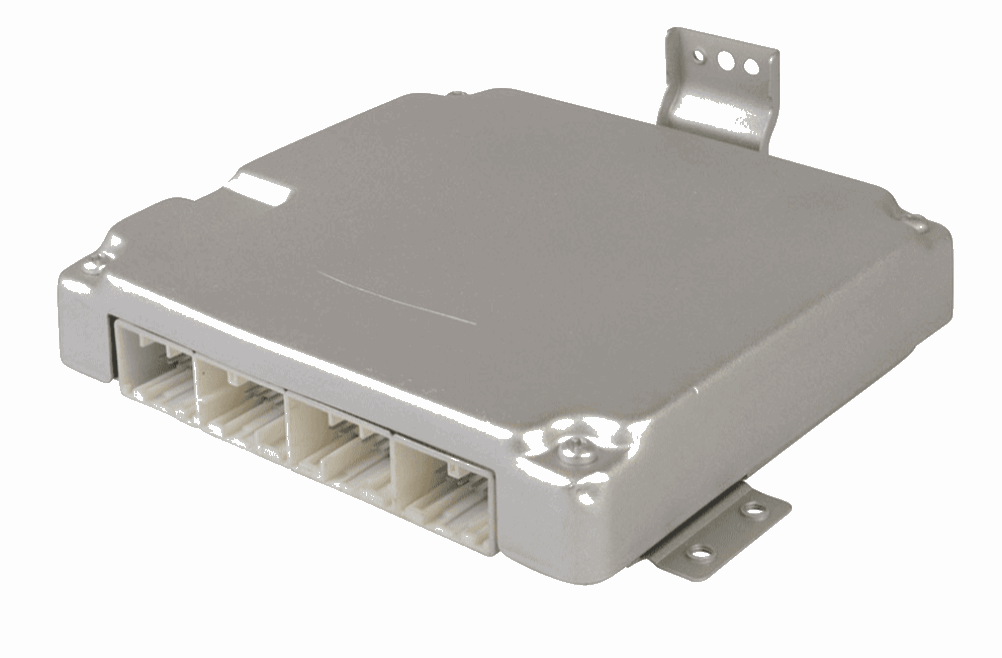
A Honda PCM malfunction is a problem with the Powertrain Control Module. The PCM is the main computer that manages engine and transmission operations. It collects information from different sensors and uses that data to control vehicle performance.
The PCM controls important functions such as fuel injection, ignition timing, emissions, and gear shifting. It receives signals from components like the crankshaft position sensor, throttle position sensor, and oxygen sensor. The PCM then sends commands to keep the engine and transmission working correctly.
Modern Honda vehicles use several electronic control systems that communicate with each other. These systems include the Engine Control Module (ECM), Transmission Control Module (TCM), and the On Board Diagnostics II (OBD II) system. The PCM connects these systems and helps them exchange information during vehicle operation.
A Honda PCM malfunction does not always mean the PCM has failed. Many PCM problems come from external issues. Common examples include low battery voltage, damaged wiring, faulty sensors, and software errors. For example, a defective crankshaft position sensor can send incorrect data to the PCM. This incorrect signal can create symptoms that look like a PCM failure.
The effects of a PCM malfunction depend on the source of the problem. A communication issue can prevent the PCM from receiving accurate information. An internal PCM problem can stop the module from sending correct commands to the engine or transmission.
Some Honda vehicles enter failsafe mode when the PCM detects a serious problem. This safety feature reduces vehicle performance to protect important components. Drivers may notice limited acceleration, unusual shifting, or engine performance changes.
Understanding the PCM’s role helps Honda owners diagnose problems correctly. A proper diagnosis checks the entire control system instead of replacing the PCM immediately. Technicians must identify whether the issue comes from the module, electrical components, sensors, or communication network.
What Are the Common Symptoms of a Honda PCM Malfunction?
A Honda PCM malfunction creates several noticeable symptoms because the PCM controls essential engine and transmission functions. The most common symptoms include warning lights, engine performance problems, starting issues, fuel economy changes, and transmission problems. These symptoms appear when the PCM receives incorrect information, loses communication with other modules, or cannot send accurate commands to vehicle components.
The Check Engine Light is one of the first signs of a PCM related problem. The PCM monitors vehicle systems and stores Diagnostic Trouble Codes (DTCs) when it detects abnormal operation. A diagnostic scanner can read these codes and help identify communication failures, sensor problems, or control system errors. However, a Check Engine Light does not automatically confirm that the PCM itself has failed.
Engine performance problems are another common symptom of Honda PCM malfunction. A faulty PCM can affect fuel delivery, ignition timing, and air fuel ratio adjustments. Drivers may notice rough idling, hesitation during acceleration, engine misfires, or unexpected stalling. For example, if the PCM receives incorrect data from the throttle position sensor, it may calculate the wrong fuel amount and reduce engine efficiency.
A Honda with PCM problems may also experience starting difficulties. The PCM controls important startup processes, including fuel injection and ignition signals. When the module cannot communicate correctly with related components, the engine may crank but fail to start or require multiple attempts before starting.
Transmission problems can also indicate a PCM malfunction because the PCM manages communication between engine and transmission systems. Drivers may experience delayed shifting, harsh gear changes, or transmission failsafe mode. In failsafe mode, the vehicle limits transmission operation to prevent additional damage.
Fuel economy changes can occur when the PCM cannot maintain optimal engine settings. Incorrect calculations for fuel mixture, ignition timing, or sensor readings can cause the engine to use more fuel than normal. A sudden decrease in fuel efficiency combined with other symptoms may indicate a problem within the PCM control system.
Identifying these symptoms helps Honda owners perform early diagnosis. However, the same symptoms can come from other components such as sensors, batteries, or wiring problems. A complete inspection is necessary before confirming a PCM failure.
What Causes a Honda PCM Malfunction?
A Honda PCM malfunction usually happens because of electrical problems, communication failures, software issues, or internal module damage. The 5 main causes of Honda PCM problems are low battery voltage, damaged wiring, faulty sensors, software problems, and physical PCM failure. Identifying the actual cause is important because replacing the PCM does not fix problems that come from external components.
Low battery voltage is one of the most common causes of PCM problems. The PCM requires stable electrical power to process data and communicate with other vehicle systems. A weak battery, failing alternator, or incorrect jump start can create voltage fluctuations that affect PCM operation. For example, a sudden voltage spike during a battery replacement can damage sensitive electronic circuits inside the module.
Damaged wiring and poor electrical connections can also cause Honda PCM malfunction. The PCM communicates with sensors and control modules through wiring harnesses and the Controller Area Network (CAN bus). Corrosion, broken wires, loose connectors, and moisture damage can interrupt these signals. When the PCM cannot receive or send accurate information, it may store communication error codes and activate warning lights.
Faulty sensors are another major cause of PCM related issues. The PCM depends on sensor data to calculate engine and transmission adjustments. A damaged crankshaft position sensor, camshaft position sensor, throttle position sensor, or oxygen sensor can send incorrect signals. The PCM may then make incorrect decisions because it receives inaccurate information from the vehicle.
Software problems can also create PCM malfunctions. Honda vehicles use programmed software inside the PCM to control engine and transmission behavior. Manufacturers sometimes release software updates to correct calibration problems or improve system performance. An outdated or corrupted PCM program can create unusual vehicle behavior without any physical damage to the module.
Physical damage can permanently affect PCM operation. Water exposure, extreme heat, and internal electronic component failure can damage the module’s circuits. When internal PCM damage occurs, technicians may need to replace the unit and program it to match the specific Honda vehicle.
A correct diagnosis must identify the real source of the problem before replacing the PCM. Many Honda PCM malfunction cases come from supporting systems rather than the PCM itself. Checking the battery, wiring, sensors, and software helps prevent unnecessary repair expenses.
How Do You Diagnose a Honda PCM Malfunction?
Diagnosing a Honda PCM malfunction requires a systematic inspection of the vehicle’s electronic control system. Technicians diagnose PCM problems by reading error codes, checking electrical power, testing communication signals, and verifying related components. A proper diagnosis prevents unnecessary PCM replacement because many PCM symptoms come from external failures.
The first diagnostic step is scanning the vehicle with an OBD II scanner. The scanner connects to the vehicle’s diagnostic port and communicates with the PCM to retrieve Diagnostic Trouble Codes (DTCs). These codes provide information about possible issues with sensors, communication networks, voltage supply, or PCM operation. For example, communication related codes may indicate a connection problem between the PCM and other control modules.
The next step is checking the PCM power supply and ground connections. The PCM needs stable voltage and proper grounding to operate correctly. Technicians measure battery voltage, inspect electrical connections, and test wiring circuits. A weak battery or damaged ground connection can create PCM symptoms even when the module itself works correctly.
Technicians also inspect the communication network between the PCM and other vehicle systems. Modern Honda vehicles use the Controller Area Network (CAN bus) to exchange information between electronic modules. A damaged wire, loose connector, or communication interruption can prevent the PCM from receiving accurate data.
Sensor testing is another important part of PCM diagnosis. The PCM depends on accurate information from components such as the crankshaft position sensor, camshaft position sensor, throttle position sensor, and oxygen sensor. A faulty sensor can create incorrect signals that appear similar to a PCM failure. Testing each related component helps separate sensor problems from actual PCM issues.
A PCM replacement should only happen after technicians confirm that other possible causes have been eliminated. The diagnostic process should prove that the PCM has an internal failure or cannot communicate with other systems. This approach saves repair costs and ensures the vehicle receives the correct solution.
How Do You Fix a Honda PCM Malfunction?
Fixing a Honda PCM malfunction requires identifying the exact cause before choosing a repair method. The main solutions include resetting the PCM, updating the software, reprogramming the module, repairing electrical problems, or replacing the PCM. The correct repair depends on whether the problem comes from software, communication issues, external components, or internal PCM damage.
A PCM reset can solve some temporary control system problems. The reset process clears stored error information and allows the PCM to relearn vehicle operating conditions. Technicians may perform a reset after repairing a related issue, such as replacing a faulty sensor or correcting a voltage problem. However, a reset cannot repair internal hardware damage or permanent communication failures.
PCM reprogramming is another common repair method for Honda vehicles. The PCM uses software calibration to control engine and transmission behavior. Honda may release updated software to correct programming errors, improve system communication, or adjust vehicle operation. During reprogramming, technicians connect specialized diagnostic equipment to install the correct software version for the specific Honda model.
Electrical repairs can fix PCM problems when the module itself works correctly. Technicians may repair damaged wiring, clean corroded connectors, replace weak batteries, or correct grounding issues. For example, a damaged CAN bus wire can interrupt communication between the PCM and other control modules. Repairing the connection can restore normal PCM operation without replacing the module.
PCM replacement becomes necessary when the module has internal damage or cannot communicate with the vehicle after proper testing. Common reasons for replacement include water damage, burned electronic components, and permanent circuit failures. A replacement PCM must match the Honda vehicle specifications and usually requires programming before the vehicle can operate correctly.
A successful Honda PCM repair depends on accurate diagnosis. Replacing the module without confirming the cause can create unnecessary costs and may not solve the original problem. Technicians should always inspect the complete electrical and communication system before selecting a repair solution.
How Much Does Honda PCM Repair or Replacement Cost?
The cost of fixing a Honda PCM malfunction depends on the cause of the problem, the repair method, and the vehicle model. Honda PCM repair costs usually range from a simple diagnostic fee to a more expensive replacement and programming service. The final price changes based on whether the technician repairs an electrical issue, updates PCM software, or installs a new module.
A diagnostic inspection is the first cost factor because technicians need to identify the source of the malfunction. Most repair shops charge a diagnostic fee to scan Diagnostic Trouble Codes (DTCs), test electrical systems, and inspect PCM communication. This step prevents unnecessary replacement because many PCM related symptoms come from batteries, sensors, or wiring problems.
PCM reprogramming usually costs less than replacing the module. The price depends on the required software update, diagnostic equipment, and labor time. Reprogramming is often the preferred solution when the PCM has a software issue but the hardware still works correctly. For example, a Honda with outdated PCM software may only need a calibration update instead of a complete module replacement.
PCM replacement creates a higher repair cost because the new module requires installation and programming. The replacement price depends on several factors, including the Honda model, PCM availability, and whether the part is new, remanufactured, or used. A replacement PCM must match the vehicle’s specifications because incorrect programming can prevent proper engine and transmission operation.
Labor costs also affect the final repair price. Technicians need time to remove the old module, install the replacement unit, perform programming, and confirm communication with other vehicle systems. Additional repairs may increase the total cost if the original PCM problem comes from damaged wiring, electrical faults, or sensor failures.
The most cost effective approach is accurate diagnosis before repair. A complete inspection helps determine whether the Honda needs a simple electrical repair, PCM software update, or full module replacement. This prevents owners from spending money on a PCM replacement when another component causes the malfunction.
Can You Drive a Honda With a PCM Malfunction?
Driving a Honda with a PCM malfunction depends on the severity of the problem and the symptoms the vehicle shows. Some PCM issues allow short distance driving, while serious failures can create safety risks and require immediate inspection. The PCM controls important engine and transmission functions, so ignoring warning signs can lead to reduced performance or unexpected vehicle behavior.
A Honda may still drive when the PCM has a minor communication or software issue. For example, the vehicle may continue operating normally but display a Check Engine Light or store a diagnostic code. In this situation, drivers should schedule a diagnostic inspection as soon as possible because a small electronic problem can develop into a larger failure.
Driving becomes unsafe when the PCM malfunction affects engine control or transmission operation. Symptoms such as sudden stalling, severe hesitation, loss of acceleration, or transmission failsafe mode indicate a higher risk. A vehicle that loses power during traffic or cannot shift correctly can create dangerous driving conditions.
A damaged PCM can also affect fuel management and emissions control. The engine may run with incorrect fuel calculations or improper ignition timing. This can reduce performance, increase fuel consumption, and place additional stress on engine components. Continuing to drive for a long period may increase repair costs if other systems become affected.
Drivers should avoid assuming that every PCM warning requires immediate module replacement. The correct approach is to diagnose the problem and identify the cause. A technician can determine whether the issue comes from the PCM, a sensor, electrical wiring, or another control system component.
If a Honda shows severe PCM malfunction symptoms, the safest option is to stop driving and perform a complete diagnostic inspection. Early action helps prevent further damage and reduces the chance of expensive repairs.
How Can You Prevent Honda PCM Problems?
Preventing Honda PCM problems requires maintaining the vehicle’s electrical system, protecting electronic components, and addressing related issues before they affect the control module. The main prevention methods include maintaining battery health, protecting wiring connections, repairing sensor problems early, and following proper vehicle maintenance practices. These steps reduce the risk of voltage problems, communication failures, and unnecessary PCM damage.
Maintaining a healthy battery is one of the most important ways to protect the PCM. The PCM depends on stable electrical power to process information and communicate with other vehicle systems. A weak battery or failing alternator can create unstable voltage conditions that affect electronic components. Regular battery inspections help identify problems before they damage the PCM or other control modules.
Protecting wiring and connectors also helps prevent PCM communication problems. The PCM exchanges information with sensors and other modules through electrical circuits and the CAN bus network. Moisture, corrosion, and damaged connectors can interrupt these signals. Keeping electrical connections clean and repairing damaged wiring can maintain reliable communication between vehicle systems.
Repairing sensor problems early can prevent incorrect PCM operation. The PCM depends on accurate information from components such as the oxygen sensor, throttle position sensor, and crankshaft position sensor. A failing sensor can send incorrect data and force the PCM to make incorrect adjustments. Early sensor replacement reduces stress on the control system.
Proper maintenance also reduces the risk of PCM related failures. Vehicle owners should avoid incorrect electrical modifications, use the correct battery specifications, and inspect warning lights instead of ignoring them. For example, installing aftermarket electrical equipment without proper installation can create voltage problems that affect sensitive control modules.
A Honda PCM is designed to operate for many years when the vehicle receives proper care. Preventive maintenance does not eliminate every possible failure, but it reduces common causes of PCM malfunction and helps maintain reliable engine and transmission performance.
Honda PCM Malfunction: Causes, Symptoms, Diagnosis and Fixes
A Honda PCM malfunction affects one of the most important electronic control systems in the vehicle. The Powertrain Control Module manages communication between the engine, transmission, sensors, and other control units. When the PCM cannot process information correctly, drivers may experience warning lights, poor engine performance, starting problems, or transmission issues.
The main causes of Honda PCM malfunction include electrical problems, damaged wiring, faulty sensors, software errors, and internal module failures. A proper diagnosis helps identify the real source of the problem before replacing expensive components. Technicians should check Diagnostic Trouble Codes (DTCs), test electrical connections, inspect related sensors, and verify PCM communication before selecting a repair method.
Most Honda PCM problems do not require immediate module replacement. Some issues only need a PCM reset, software update, wiring repair, or sensor replacement. However, internal PCM damage may require reprogramming or replacement to restore normal vehicle operation.
Maintaining battery health, protecting electrical connections, and addressing warning signs early can reduce the risk of PCM failure. Understanding how the PCM works allows Honda owners to make better repair decisions and avoid unnecessary costs.
For related information, Honda owners can also explore topics such as Honda OBD II diagnostic codes, Honda electrical system problems, and Honda engine control issues to build a complete understanding of modern vehicle diagnostics.