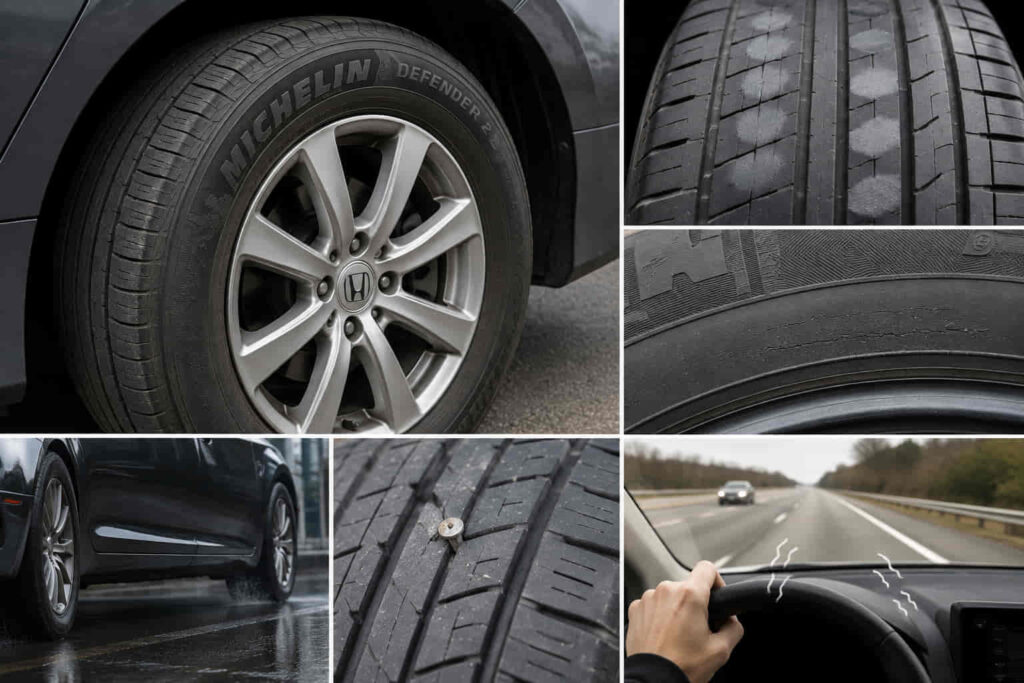
Michelin Defender 2 is a long-lasting all-season touring tire designed for drivers who prioritize durability, comfort, and dependable everyday performance, but some users report concerns related to road noise, wet traction, ride feel, and overall value. Understanding these potential Michelin Defender 2 problems helps buyers determine whether this tire matches their vehicle, driving habits, and performance expectations.
The Defender 2 is designed as an evolution of Michelin’s touring tire lineup, focusing on extended tread life and consistent performance throughout its service period. However, no tire can maximize every characteristic at the same time. Improvements in durability, tread wear resistance, and all-season capability can create trade-offs in areas such as road feel, responsiveness, or pricing.
Many complaints about Michelin Defender 2 are not necessarily signs of manufacturing defects. In many cases, concerns come from differences between driver expectations and the tire’s intended purpose. A tire designed for long highway mileage and comfort will provide a different experience compared with a performance tire focused on aggressive handling.
This guide examines the most common Michelin Defender 2 problems, explains why they occur, evaluates their real impact on driving performance, and helps determine whether Defender 2 remains a suitable choice for everyday vehicles.
Does Michelin Defender 2 Have Road Noise Problems?
Michelin Defender 2 can produce noticeable road noise in certain driving conditions, but this issue is usually related to tire design, road surface, and vehicle characteristics rather than a general defect. As a touring all-season tire, Defender 2 is engineered to prioritize long tread life, stability, and year-round usability, which creates a different driving feel compared with softer performance-oriented tires.
Tire noise is influenced by several factors, including tread pattern, rubber compound, vehicle insulation, tire pressure, and pavement texture. A tire with a durable tread design may generate more audible feedback on rough asphalt because the contact between the tread blocks and road surface creates additional vibration and sound.
Some drivers expect Michelin Defender 2 to provide an extremely quiet ride because Michelin is considered a premium tire manufacturer. However, Defender 2 is designed primarily as a long-lasting touring tire rather than a luxury comfort tire. Drivers moving from a softer touring model or a tire with a different tread design may notice a change in road sound.
Vehicle type also affects how much noise reaches the cabin. A luxury sedan with strong sound insulation may minimize tire noise, while a compact vehicle or SUV with less cabin insulation may make the same tire feel louder.
For example, a driver who mainly travels on smooth highways may find Defender 2 very quiet and comfortable, while someone driving frequently on coarse concrete roads may notice more tread noise. Proper tire inflation and regular rotation can also help maintain consistent performance and reduce uneven wear that may increase noise over time.
Michelin Defender 2 is not generally considered a noisy tire, but drivers seeking the quietest possible ride should compare it with touring tires specifically designed around maximum comfort and low cabin noise.
Does Michelin Defender 2 Have Wet Traction Problems?
Michelin Defender 2 provides reliable wet traction for normal all-season driving, but some drivers may experience limitations in heavy rain, standing water, or more demanding conditions where specialized wet-weather tires perform better. Wet performance depends on tread design, water evacuation ability, tire condition, and driving behavior.
The Defender 2 uses an all-season tread pattern designed to balance dry handling, wet grip, and long tread life. However, creating a tire that lasts longer often involves compromises because harder-wearing compounds and durable tread designs may not deliver the same level of wet-road performance as dedicated rain or performance tires.
Wet traction problems reported by some drivers are often connected to specific situations. Worn tires with reduced tread depth naturally lose their ability to channel water effectively, increasing the risk of reduced grip and hydroplaning. Incorrect tire pressure can also affect the size and shape of the contact patch, changing how the tire interacts with wet pavement.
For example, a driver using Defender 2 during normal rain on city streets or highways may experience stable handling and predictable braking. A driver frequently traveling through heavy rainfall at high speeds may benefit from a tire specifically engineered for maximum wet-weather performance.
Michelin Defender 2 is designed to provide balanced all-season capability rather than extreme wet-weather performance. Drivers should evaluate their local climate, driving speed, and road conditions when deciding whether its wet traction characteristics meet their needs.
Read more: Who Makes Ironman Tires
Is Michelin Defender 2 Too Expensive Compared With Other Tires?
Michelin Defender 2 is considered a higher-priced touring tire, and some drivers may view the initial purchase cost as one of its main disadvantages compared with other all-season tire options. However, evaluating its value requires considering factors such as tread life, warranty coverage, performance consistency, and total ownership cost rather than only the upfront price.
Michelin positions Defender 2 as a long-lasting tire designed for drivers who want fewer replacements over time. The higher price is partly related to Michelin’s investment in tire engineering, compound development, testing, and manufacturing standards. These factors contribute to the tire’s ability to maintain performance throughout a longer service period.
The challenge is that not every driver benefits equally from the features included in a premium touring tire. A driver who owns an older vehicle, drives relatively few miles each year, or mainly prioritizes the lowest replacement cost may not recover the additional investment compared with a less expensive tire option.
Cost per mile provides a better way to evaluate the value of Defender 2. A tire with a higher purchase price but longer usable life may become more economical over time compared with a cheaper tire that requires replacement sooner.
For example, a high-mileage commuter who drives thousands of miles annually may benefit from Defender 2’s durability and consistency. A driver who uses a vehicle occasionally and plans to replace the car soon may find a lower-cost alternative more practical.
Michelin Defender 2 is expensive compared with many competitors, but the higher price reflects its position as a premium touring tire. Whether it provides good value depends on how much the driver benefits from its durability, comfort, and long-term performance.
Does Michelin Defender 2 Have Ride Comfort Issues?
Michelin Defender 2 generally provides a comfortable ride, but some drivers may find its handling feel firmer or less responsive compared with tires designed specifically for softness or sporty performance. This difference comes from the tire’s design priorities, which focus on durability, stability, and long tread life.
Touring tires like Defender 2 are engineered to provide predictable everyday driving rather than aggressive steering response. The tread compound and internal construction are designed to maintain shape under different conditions, which can create a more controlled but less flexible driving sensation.
Some drivers who expect a luxury-level ride may feel that Defender 2 does not absorb every road imperfection as smoothly as softer comfort-focused tires. Road surface quality, vehicle suspension design, and tire size also influence how much comfort the driver experiences.
The tire’s sidewall construction plays an important role in ride quality. A stronger structure can improve stability and durability but may transmit more road feedback compared with a tire designed primarily for maximum softness.
For example, a midsize sedan used for highway commuting may deliver a smooth and comfortable experience with Defender 2. A vehicle with a sport-tuned suspension or low-profile tire size may make the same tire feel firmer.
Michelin Defender 2 is designed for balanced comfort rather than maximum softness. Drivers who want a tire that combines long tread life, stability, and reasonable comfort will likely appreciate its characteristics, while those seeking the softest possible ride may prefer a different touring tire category.
Why Do Some Drivers Have Problems With Michelin Defender 2?
Many Michelin Defender 2 problems reported by drivers are caused by a mismatch between tire expectations, vehicle characteristics, and driving conditions rather than a fundamental failure of the tire design. Defender 2 is engineered as a long-lasting all-season touring tire, meaning its performance priorities are different from tires designed for maximum sport handling, extreme weather, or luxury-level comfort.
One common reason drivers experience dissatisfaction is choosing a tire based only on brand reputation. Michelin is widely recognized as a premium tire manufacturer, but each tire model serves a specific purpose. Defender 2 focuses on durability, everyday reliability, and consistent performance over many miles rather than delivering the sharpest steering response or the softest ride available.
Vehicle compatibility also affects the driving experience. Tire size, suspension design, vehicle weight, and cabin insulation can change how a tire feels and sounds. The same Defender 2 tire may feel comfortable on one vehicle but firmer or louder on another because the vehicle’s characteristics influence how the tire interacts with the road.
Driving environment is another important factor. A driver in a region with frequent heavy rain, rough pavement, or demanding road conditions may evaluate Defender 2 differently from someone who mainly drives on smooth highways in moderate weather.
For example, a commuter using a midsize sedan for daily highway travel may appreciate Defender 2’s stability and long tread life. A driver expecting sports-car handling from a touring tire may consider the steering response less satisfying.
Understanding the intended purpose of Michelin Defender 2 helps separate actual tire limitations from situations where the product simply does not match the driver’s needs.
How Can You Reduce Michelin Defender 2 Problems?
Proper maintenance and correct usage can reduce many common Michelin Defender 2 concerns by helping the tire maintain its designed performance characteristics throughout its lifespan. Tire performance depends not only on manufacturing quality but also on how the tire is installed, maintained, and used.
Maintaining correct tire pressure is one of the most important steps because incorrect inflation can affect handling, comfort, fuel efficiency, and tread wear. Underinflated tires create additional flex and heat, while overinflated tires can reduce road contact and create a firmer ride.
Regular tire rotation helps distribute wear evenly across all four tires. Uneven tread wear can increase road noise, reduce traction consistency, and shorten the usable life of the tire. Wheel alignment should also be checked when abnormal wear patterns appear because alignment problems can negatively affect performance.
Drivers should also choose the correct tire for their vehicle and driving conditions. Defender 2 performs best when used as intended: a touring all-season tire for everyday passenger vehicles and normal road conditions.
For example, replacing tires at the correct interval, maintaining proper inflation, and rotating them according to manufacturer recommendations can help preserve the quietness, traction, and durability expected from Defender 2.
Many reported problems can be minimized through proper ownership practices. A well-maintained Michelin Defender 2 is more likely to deliver the balance of longevity, comfort, and reliability that the tire was designed to provide.
Is Michelin Defender 2 Still Worth Buying?
Michelin Defender 2 is still worth buying for drivers who prioritize long tread life, dependable all-season performance, and consistent everyday driving comfort. Although some users report concerns about road noise, wet traction in demanding conditions, ride firmness, and higher purchase cost, these issues are usually related to the tire’s design priorities and intended use rather than major product failures.
Defender 2 is engineered as a touring tire focused on durability and long-term value. Its strengths are most noticeable for drivers who commute regularly, travel long distances, and want a tire that can maintain reliable performance over many miles. The tire’s premium price reflects Michelin’s focus on engineering, compound development, and extended service life.
However, Defender 2 is not the ideal choice for every driver. Those looking for maximum sports performance, the softest possible ride, or specialized wet-weather capability may find other tire categories better suited to their needs. Selecting the right tire depends on matching the product’s characteristics with the vehicle, climate, and driving habits.
Overall, Michelin Defender 2 remains a strong option in the touring all-season category. Understanding its potential limitations allows buyers to make a more informed decision and determine whether its balance of durability, comfort, and reliability matches their expectations.