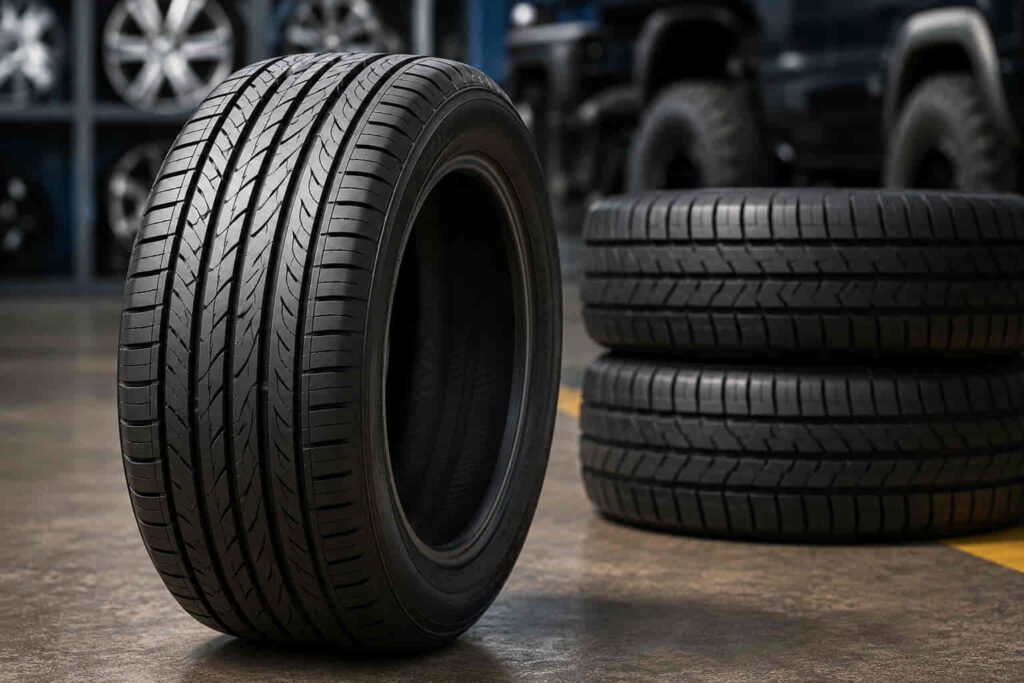
Ironman Tires are manufactured as a value-focused tire brand distributed by Hercules Tire & Rubber Company, providing affordable tire solutions for passenger vehicles, SUVs, light trucks, and commercial applications. Understanding who makes Ironman tires helps buyers evaluate the company behind the brand, its market position, and whether these tires match their driving requirements.
Ironman is positioned as a budget-friendly tire brand designed for drivers who need practical performance at an accessible price point. The brand offers a range of products intended for everyday transportation needs, including commuting, highway driving, and light commercial use.
The manufacturer and ownership structure behind a tire brand influence how consumers evaluate quality. Factors such as engineering standards, production processes, tire testing, and distribution networks determine how a tire performs in real-world conditions.
Ironman benefits from its connection with Hercules Tire & Rubber Company, which has experience in tire distribution and product development. This relationship allows Ironman to serve a broad customer base looking for affordable replacement tires across different vehicle categories.
This guide explains who makes Ironman tires, how the brand is positioned in the tire market, what types of tires it produces, and whether Ironman is a suitable choice for drivers who prioritize value and practical performance.
Is Ironman Owned by Hercules Tire & Rubber Company?
Ironman Tires is a brand associated with Hercules Tire & Rubber Company, a company that has built its business around tire manufacturing, distribution, and replacement tire solutions. Understanding the relationship between Ironman and Hercules helps explain the brand’s position in the tire market and the resources supporting its product development.
Hercules Tire & Rubber Company is an American tire company that has operated in the replacement tire industry for decades. Through its network and product portfolio, Hercules provides tires for different vehicle categories, including passenger vehicles, SUVs, light trucks, and commercial applications.
Ironman operates as a value-oriented tire brand within this broader tire ecosystem. Instead of competing directly with premium manufacturers that focus heavily on advanced performance technology, Ironman focuses on providing practical tire options for drivers who prioritize affordability and everyday reliability.
The connection with Hercules is important because a tire brand’s quality depends on more than the name printed on the sidewall. Manufacturing standards, product testing, distribution experience, and market knowledge all influence how tires are developed and delivered to consumers.
For example, a driver replacing tires on a commuter vehicle may look for an affordable option supported by an established tire company. In this situation, the relationship between Ironman and Hercules provides additional brand context compared with unknown tire labels that lack a clear industry background.
Ironman’s position under the Hercules umbrella allows the brand to serve consumers seeking cost-effective tires while maintaining access to established tire industry experience.
Where Are Ironman Tires Manufactured?
Ironman tires are manufactured through global tire production networks that supply different markets with value-focused tire products. The specific manufacturing location can vary depending on the tire model, production requirements, and distribution region.
Modern tire manufacturing involves multiple stages, including rubber compound development, tread design production, tire assembly, and quality inspections. These processes determine factors such as durability, traction, handling stability, and overall road performance.
The country where a tire is produced does not independently determine whether the tire is good or bad. Manufacturing quality depends on engineering specifications, production controls, material selection, and whether the final product meets required safety standards.
Ironman tires are designed to serve common driving applications, including passenger vehicles, SUVs, light trucks, and commercial vehicles. These categories require different levels of load capacity, tread design, and performance characteristics.
For example, a passenger tire used for daily commuting has different engineering priorities compared with a commercial tire designed for heavier loads. Selecting the correct Ironman tire model is more important than focusing only on the manufacturing location.
When evaluating Ironman tires, buyers should consider the tire specifications, intended vehicle use, warranty information, and driving environment to determine whether the product meets their needs.
What Types of Tires Does Ironman Make?
Ironman produces tires for multiple vehicle categories, including passenger cars, SUVs, light trucks, and commercial applications. The brand focuses on providing practical tire solutions for drivers who need dependable transportation performance while keeping replacement costs manageable.
For passenger vehicles, Ironman offers tires designed for everyday driving situations such as commuting, city travel, and highway use. These tires are developed around essential performance requirements, including traction, stability, and acceptable tread durability for normal driving conditions.
Ironman also provides tires for SUVs and light trucks where higher load capacity and stronger construction are important factors. These tires are designed for larger vehicles that require additional support due to increased weight, cargo capacity, or more demanding usage patterns.
Commercial and fleet applications are another area where Ironman serves customers who need affordable replacement options. Vehicles used for business purposes often require tires that can provide consistent performance while controlling operating costs.
The correct Ironman tire depends on the vehicle and driving purpose. A passenger tire designed for daily commuting will not provide the same characteristics as a light truck tire designed for heavier loads and different road conditions.
For example, a sedan owner looking for affordable replacement tires may choose an Ironman all-season model for regular transportation. A pickup truck owner who carries loads frequently should select a tire designed specifically for truck applications.
Ironman’s product range reflects the brand’s focus on practical mobility solutions. The company provides options for drivers who need functional tires for everyday use rather than specialized premium performance.
Are Ironman Tires Good Quality?
Ironman tires provide reasonable quality for drivers who prioritize affordability and basic reliability, but they are positioned differently from premium tire brands that focus on advanced performance and maximum durability. The quality of an Ironman tire depends on the specific model, vehicle application, and driving conditions.
One of Ironman’s main advantages is value. The brand provides replacement tires at a lower price point while still offering essential features required for normal driving, including traction, load support, and road stability.
However, tire quality involves multiple factors beyond cost. Tread design, rubber compound, wet-weather performance, noise levels, and expected lifespan all influence the overall ownership experience. Premium tire manufacturers often invest more heavily in advanced research and specialized technologies, while value brands focus on delivering practical performance at competitive prices.
Ironman tires can be suitable for drivers who use their vehicles mainly for commuting, moderate-distance travel, and standard road conditions. They may not be the best option for drivers who regularly experience extreme weather, aggressive driving situations, or high-performance requirements.
For example, a driver using an older vehicle for daily transportation may find Ironman provides sufficient performance at a reasonable cost. A driver who needs maximum braking performance in heavy rain or frequent high-speed highway driving may prefer comparing higher-tier tire options.
Ironman is best understood as a value-focused tire brand. Its strength is providing affordable and functional tire solutions, while buyers should select the specific model that matches their vehicle, driving habits, and performance expectations.
Read more: Who Makes Blackhawk Tires
What Makes Ironman Tires Different From Other Budget Brands?
Ironman tires are different from many budget tire brands because they focus on providing affordable replacement options backed by an established tire distribution network while maintaining practical performance for everyday driving. The brand’s main advantage is not competing through premium technology but delivering functional tire solutions at a lower ownership cost.
Many budget tire brands compete primarily on price, but Ironman differentiates itself through its connection with Hercules Tire & Rubber Company and its broad product availability. This relationship provides the brand with an established presence in the replacement tire market and allows consumers to access tires for common vehicle applications.
Ironman focuses on producing tires that meet basic driving requirements, including traction, stability, load support, and everyday road performance. The brand serves drivers who need dependable transportation solutions rather than specialized tires designed for extreme performance conditions.
Another difference is the variety of applications available. Ironman offers tires for passenger vehicles, SUVs, light trucks, and commercial uses, allowing drivers with different vehicle types to find suitable replacement options within the same brand family.
For example, a vehicle owner who needs affordable tires for regular commuting may find Ironman a practical choice because the tire meets normal driving needs without requiring a premium price. A performance driver or someone who frequently drives in severe weather may need a tire with more specialized engineering.
Ironman’s position in the market is based on value, accessibility, and practicality. The brand is designed for consumers who want reliable basic performance while controlling replacement tire costs.
How Long Do Ironman Tires Last?
The lifespan of Ironman tires depends on the tire model, driving conditions, maintenance habits, and vehicle usage rather than the brand name alone. Like all tires, Ironman products experience wear based on factors such as road surfaces, driving style, inflation pressure, and alignment condition.
Tread life is influenced by the design and purpose of each tire. A passenger tire used mainly for commuting will typically experience different wear patterns compared with a light truck tire carrying heavier loads or operating under more demanding conditions.
Proper maintenance plays an important role in maximizing Ironman tire lifespan. Maintaining correct air pressure helps reduce uneven wear, while regular tire rotations and wheel alignment checks help the tread wear more evenly across the tire surface.
Driving habits also affect how quickly tires wear. Frequent hard acceleration, sudden braking, heavy loads, and rough road conditions can increase stress on the tread and reduce usable tire life.
For example, an Ironman all-season tire installed on a sedan that is regularly maintained and driven under normal conditions may provide reasonable service life for daily transportation. The same tire used on a heavily loaded truck or under aggressive driving conditions may wear faster.
Drivers considering Ironman tires should evaluate their expected mileage, vehicle requirements, and maintenance routine. A properly selected and maintained tire will generally provide better long-term value than a tire chosen only based on the lowest purchase price.
Are Ironman Tires Worth Buying?
Ironman tires are worth considering for drivers who need affordable replacement tires that provide practical performance, basic reliability, and value for everyday driving. The brand is positioned in the budget tire segment and focuses on helping consumers access replacement tires for passenger vehicles, SUVs, light trucks, and commercial applications without paying premium prices.
Understanding who makes Ironman tires helps buyers evaluate the brand more accurately. Ironman is associated with Hercules Tire & Rubber Company, giving the brand a connection to an established tire company and distribution network. However, Ironman is designed for cost-conscious drivers rather than customers seeking the highest level of premium tire technology.
The best use case for Ironman depends on the driver’s needs. A commuter who mainly drives in normal conditions and wants an affordable replacement option may find Ironman suitable. A driver who requires maximum performance in severe weather, high-speed driving, or demanding environments should consider tires with more specialized engineering.
Tire selection should always match the vehicle, driving habits, and expected conditions. Factors such as proper tire size, load rating, maintenance, and intended use have a major impact on safety and long-term value.
Overall, Ironman tires can be a practical choice for budget-focused drivers who need dependable everyday performance. By understanding the manufacturer background, product range, and limitations of the brand, buyers can make a more informed decision about whether Ironman is the right tire for their vehicle.