A check engine light on a Mercedes-Benz dashboard can quickly become a concern for any owner. The situation becomes more stressful when a diagnostic scan shows the Mercedes P0016 Code. Many drivers worry about engine damage, high repair bills, or losing confidence in their vehicle.
The Mercedes P0016 Code indicates a problem with the timing relationship between the crankshaft position and camshaft position. These two components must work together to keep the engine running smoothly. The engine control module monitors their signals and detects when they do not match the expected timing values.
A P0016 fault does not always mean your Mercedes needs a major engine repair. Several issues can trigger this code, including faulty sensors, timing chain wear, low oil pressure, or problems with the variable valve timing system. A proper diagnosis helps identify the real cause before any repair begins.
This guide explains everything you need to know about the Mercedes P0016 Code. You will learn its meaning, common causes, warning symptoms, diagnostic steps, repair options, and ways to prevent future timing problems. Understanding the issue early can help protect your engine and avoid unnecessary repair costs.
What Does Mercedes P0016 Code Mean?
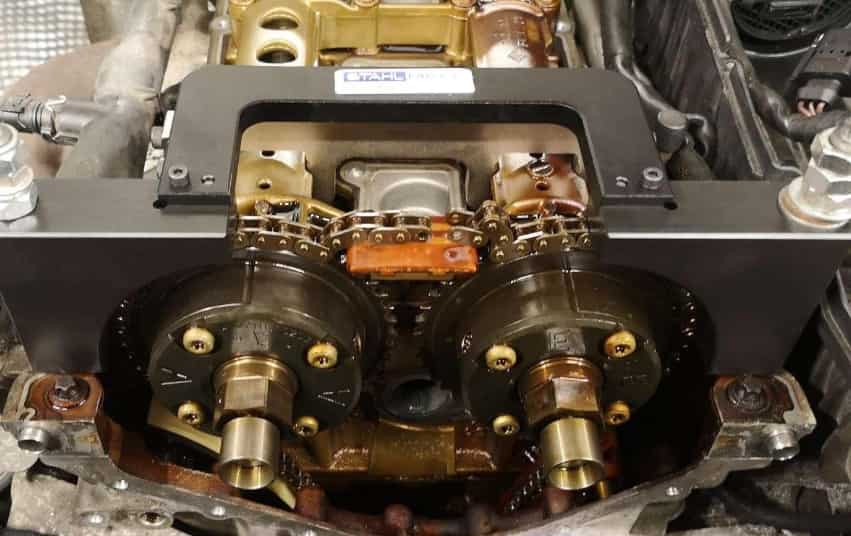
The Mercedes P0016 Code refers to a timing correlation problem between the crankshaft position and camshaft position on the engine. In simple terms, the engine control module detects that the camshaft and crankshaft are not moving in the correct synchronization. This issue affects the way the engine manages air intake, fuel delivery, and combustion timing.
The crankshaft controls the movement of the engine pistons, while the camshaft controls the opening and closing of the engine valves. Both components must maintain precise timing to achieve smooth engine performance. When their positions do not match the expected values, the ECM stores the P0016 fault code and activates the check engine light.
Mercedes-Benz engines use advanced timing systems to improve power, fuel efficiency, and emissions control. These systems rely on several components, including the crankshaft position sensor, camshaft position sensor, timing chain, and Variable Valve Timing system. A problem with any of these components can affect timing accuracy and trigger the Mercedes P0016 Code.
Many drivers assume that this fault code always means a damaged timing chain. However, the actual cause can vary depending on the vehicle model, engine condition, and maintenance history. A faulty sensor, poor oil condition, or a malfunctioning camshaft adjustment system can also create the same error.
Understanding the meaning of the Mercedes P0016 Code is the first step toward finding the correct repair solution. Proper diagnosis helps prevent unnecessary part replacements and ensures that technicians fix the real source of the timing problem.
Common Causes of Mercedes P0016 Code
The Mercedes P0016 Code can appear for several different reasons. This fault does not point to one specific failed component. Technicians must inspect the entire engine timing system to find the actual cause. Identifying the correct problem early can prevent unnecessary repairs and protect the engine from further damage.
One of the most common causes is a stretched or worn timing chain. Mercedes-Benz engines depend on precise timing chain operation to keep the camshaft and crankshaft synchronized. Over time, the timing chain can become longer due to normal wear. When this happens, the camshaft position may move away from the expected timing position, causing the ECM to trigger the P0016 code.
A faulty camshaft position sensor can also cause this problem. The sensor sends important timing information to the engine control module. If the sensor provides incorrect data or stops working properly, the ECM may detect a timing mismatch even when the mechanical components remain in good condition. Drivers may notice rough idling, poor acceleration, or an illuminated check engine light.
The crankshaft position sensor can create a similar issue when it fails. This sensor monitors the crankshaft speed and position. The ECM uses this information together with camshaft data to control engine timing. A weak signal, damaged wiring, or sensor failure can interrupt this communication and produce the Mercedes P0016 Code.
Problems with the Variable Valve Timing system are another possible cause. Mercedes-Benz engines use camshaft adjustment components to optimize engine performance under different driving conditions. A faulty camshaft adjustment solenoid, restricted oil flow, or internal VVT malfunction can prevent the system from adjusting timing correctly.
Engine oil condition also plays an important role in timing performance. The Variable Valve Timing system depends on proper oil pressure and clean oil flow. Old oil, incorrect oil specifications, or low oil levels can affect the operation of timing components and contribute to P0016 faults.
In some cases, the Mercedes P0016 Code appears after previous engine repairs. Incorrect timing chain installation, improper camshaft alignment, or incomplete calibration can create a timing correlation problem. This is why a complete inspection is essential before replacing expensive components.
Symptoms of Mercedes P0016 Code
The Mercedes P0016 Code can create different symptoms depending on the condition of the engine timing system. Some drivers may only notice the check engine light, while others may experience clear changes in engine performance. Recognizing these warning signs early can help prevent more serious engine problems.
The most common symptom is an illuminated check engine light. When the engine control module detects an incorrect relationship between the camshaft and crankshaft positions, it stores the fault code and activates the warning light. A diagnostic scan can confirm whether the Mercedes P0016 Code is the reason behind the warning.
Many vehicles with this issue experience rough engine operation. Incorrect valve timing can affect the combustion process and cause unstable engine performance. Drivers may feel vibrations during idle, hesitation during acceleration, or uneven power delivery while driving.
Starting problems can also occur when the timing system does not operate correctly. The engine needs accurate synchronization between the crankshaft and camshaft to start efficiently. A timing mismatch can make the engine crank longer than usual or make starting more difficult.
Reduced engine power is another possible symptom of the Mercedes P0016 Code. When the ECM detects a serious timing issue, it may limit engine performance to protect important components. Drivers may notice slower acceleration, reduced throttle response, or a general lack of power.
Poor fuel economy can develop because the engine cannot maintain optimal combustion timing. When the camshaft and crankshaft signals do not match correctly, the engine may use more fuel to produce the same level of performance. This can increase operating costs over time.
Some Mercedes owners may also notice unusual engine noises. A worn timing chain can create rattling sounds, especially during cold starts. Other timing-related components may also produce abnormal sounds when they fail or operate incorrectly.
The severity of these symptoms depends on the actual cause of the Mercedes P0016 Code. A simple sensor failure may require a small repair, while a timing chain problem may require immediate attention. Proper diagnosis is important to determine the correct solution and avoid unnecessary damage.
How to Diagnose Mercedes P0016 Code
Finding the correct cause of the Mercedes P0016 Code requires a detailed diagnostic process. Many different components can create the same fault, so replacing parts without proper testing can lead to unnecessary expenses. Professional technicians follow a systematic approach to identify the real source of the timing problem.
The first step involves scanning the vehicle with a professional diagnostic tool. Basic OBD II scanners can read the fault code, but Mercedes-Benz specialists often use advanced equipment such as Mercedes Xentry or STAR Diagnostic systems. These tools provide deeper information about engine timing values, sensor signals, and stored fault data.
After confirming the Mercedes P0016 Code, technicians check for additional related fault codes. Other codes involving the camshaft position sensor, crankshaft position sensor, or Variable Valve Timing system can provide important clues. Multiple related codes may indicate a larger timing system problem rather than a single sensor failure.
The next step involves inspecting the engine oil condition. The Variable Valve Timing system depends on clean oil and correct oil pressure to operate properly. Technicians check the oil level, oil quality, and whether the vehicle uses the correct Mercedes-Benz approved oil specification. Poor oil maintenance can affect timing adjustment and create correlation errors.
Technicians then test the camshaft position sensor and crankshaft position sensor. These sensors send timing information to the engine control module. A faulty sensor, damaged wiring, or poor electrical connection can produce incorrect readings. Testing the sensor signals helps determine whether the issue comes from an electrical component or a mechanical timing problem.
The timing chain system requires careful inspection if sensor tests do not reveal the problem. A stretched timing chain can change the relationship between the camshaft and crankshaft. Technicians may check timing values, chain alignment, and related components such as chain guides and tensioners.
The Variable Valve Timing system should also receive attention during diagnosis. A malfunctioning camshaft adjustment solenoid or restricted oil passage can prevent proper timing adjustments. Testing the system helps confirm whether the VVT components operate within the manufacturer specifications.
A complete diagnosis of the Mercedes P0016 Code should always identify the root cause before any repair begins. Replacing a sensor may solve the problem in some cases, but it will not fix a worn timing chain or mechanical timing issue. Accurate testing saves time, reduces repair costs, and helps maintain long term Mercedes-Benz engine reliability.
How to Fix Mercedes P0016 Code
Fixing the Mercedes P0016 Code depends on the actual cause of the timing problem. Since this fault can come from different components, technicians must complete a proper diagnosis before starting any repair. Replacing parts without confirming the failure can increase costs and may not solve the issue.
If the diagnostic process identifies a faulty camshaft position sensor, replacing the sensor may resolve the problem. The camshaft position sensor provides timing information to the engine control module. When the sensor sends incorrect signals, the ECM cannot accurately compare camshaft and crankshaft positions. A new sensor can restore proper communication between these components.
A damaged crankshaft position sensor can also require replacement. This sensor plays an important role in monitoring crankshaft movement and engine speed. If the signal becomes inaccurate, the ECM may detect a timing correlation error. Replacing the sensor and checking the wiring connection can restore correct timing data.
Another possible repair involves the Variable Valve Timing system. Mercedes-Benz engines use VVT components to adjust camshaft timing based on engine conditions. A faulty camshaft adjustment solenoid can prevent proper timing changes. Cleaning the solenoid or replacing it may correct the Mercedes P0016 Code when the VVT system causes the issue.
Engine oil service can also help when poor lubrication affects timing operation. The Variable Valve Timing system requires clean oil and proper oil pressure. Technicians may recommend an oil change using the correct Mercedes-Benz approved oil if contamination or incorrect oil specifications contribute to the fault.
A timing chain repair becomes necessary when the chain has excessive wear or stretching. A stretched timing chain changes the relationship between the camshaft and crankshaft. This repair usually involves replacing the timing chain, chain tensioner, and related guide components. Because timing chain repairs require significant labor, they often represent one of the more expensive solutions for the Mercedes P0016 Code.
After completing mechanical repairs, technicians usually clear the stored fault codes and perform system adaptation procedures. Mercedes-Benz engines may require the ECM to relearn updated timing values after certain repairs. This step helps ensure that the engine control system recognizes the repaired components correctly.
Some owners try to fix the Mercedes P0016 Code by simply clearing the check engine light. However, deleting the fault code does not repair the underlying problem. If the timing issue remains, the warning light will usually return and the engine may continue to experience performance problems.
The best repair approach always starts with accurate diagnosis. A sensor replacement may solve a minor electrical problem, while a timing chain repair may be necessary for a mechanical failure. Choosing the correct solution protects the engine, reduces unnecessary expenses, and helps maintain reliable Mercedes-Benz performance.
Mercedes P0016 Repair Cost: What Should You Expect?
The repair cost for the Mercedes P0016 Code depends on the actual cause of the timing problem. Some repairs only require a small component replacement, while others may involve major engine timing work. A proper diagnosis is the best way to understand the expected repair expense.
A diagnostic inspection usually costs between $100 and $200. Professional Mercedes-Benz workshops may charge more because they use advanced diagnostic equipment such as Mercedes Xentry. This inspection helps technicians identify whether the problem comes from a sensor, timing component, or another engine system.
Replacing a camshaft position sensor is often one of the more affordable repairs. The total cost may range from $200 to $500, depending on the Mercedes model and labor rates. A crankshaft position sensor replacement can cost slightly more, with typical prices between $250 and $600.
If the problem involves the Variable Valve Timing system, repair costs can increase. Replacing a camshaft adjustment solenoid may cost around $300 to $800. The final price depends on the engine design, accessibility of the component, and the amount of labor required.
Timing chain repairs are usually the most expensive solution for the Mercedes P0016 Code. A complete timing chain replacement can cost between $1,500 and $4,000 or more. This repair requires extensive labor because technicians must access internal engine components and carefully restore correct timing alignment.
Several factors influence the final repair price. The Mercedes model, engine type, vehicle age, workshop location, and replacement parts quality all affect the total cost. Luxury Mercedes-Benz engines often require specialized tools and experienced technicians, which can increase labor expenses.
Although the Mercedes P0016 Code can sometimes involve expensive repairs, early diagnosis can reduce the risk of major engine damage. Ignoring a timing problem may allow the condition to worsen and create additional repair costs. Addressing the issue quickly helps protect engine reliability and prevents unnecessary expenses.
Can You Drive a Mercedes With P0016 Code?
Many Mercedes-Benz owners ask whether they can continue driving after seeing the Mercedes P0016 Code. The answer depends on the actual cause of the fault and the current condition of the engine. In some cases, the vehicle may still run normally for a short period. However, ignoring the problem for too long can create serious risks.
If the Mercedes P0016 Code comes from a faulty sensor, the engine may continue operating with limited performance. The vehicle may show symptoms such as reduced power, rough idling, or lower fuel efficiency. Although the risk may seem low, the issue still requires proper diagnosis to prevent further problems.
Driving with a timing related problem can become dangerous when the cause involves the timing chain or internal engine components. A stretched timing chain can affect valve timing and may eventually lead to more severe engine damage. In serious cases, incorrect timing can cause contact between internal engine parts and result in expensive repairs.
Drivers should pay attention to warning signs that require immediate inspection. These signs include unusual engine noises, difficulty starting, strong vibrations, sudden power loss, or a flashing check engine light. These symptoms may indicate a more serious timing failure.
The safest approach is to diagnose the Mercedes P0016 Code as soon as possible. A professional inspection can determine whether the problem requires a simple sensor replacement or a more complex timing system repair. Early action helps protect the engine, maintain vehicle performance, and avoid higher repair costs in the future.
Mercedes Models Commonly Associated With P0016 Code
The Mercedes P0016 Code can appear on different Mercedes-Benz models because many vehicles use similar engine timing technologies. The exact cause often depends on the engine design, mileage, maintenance history, and driving conditions.
Mercedes C-Class models may experience P0016 problems when timing components, sensors, or Variable Valve Timing systems develop faults. Since many C-Class vehicles use advanced engine management systems, accurate timing synchronization plays an important role in maintaining smooth performance.
Mercedes E-Class models can also display the P0016 Code when the engine detects a mismatch between camshaft and crankshaft positions. Regular oil maintenance and proper timing system inspections can help reduce the risk of timing related problems.
Other Mercedes-Benz vehicles, including S-Class, GLC-Class, GLE-Class, and ML-Class models, may also experience this fault. These vehicles use complex engine systems that require precise communication between sensors, the ECM, and mechanical timing components.
However, a specific model does not automatically mean it will develop a Mercedes P0016 Code. Proper maintenance, correct oil service, and early attention to warning signs play a major role in preventing engine timing issues.
Frequently Asked Questions About Mercedes P0016 Code
What does Mercedes P0016 Code mean?
The Mercedes P0016 Code indicates that the engine control module detects incorrect timing synchronization between the crankshaft position and camshaft position.
Is Mercedes P0016 caused by a bad timing chain?
A worn or stretched timing chain is one possible cause, but it is not the only reason. Faulty sensors, VVT system problems, and oil related issues can also trigger this code.
Can a faulty camshaft sensor cause P0016?
Yes. A damaged camshaft position sensor can send incorrect information to the ECM and create a timing correlation error.
How much does it cost to repair Mercedes P0016 Code?
Repair costs vary depending on the cause. Simple sensor repairs may cost a few hundred dollars, while timing chain repairs can cost several thousand dollars.
Is it safe to drive with Mercedes P0016 Code?
Short distance driving may be possible in some cases, but you should diagnose the problem quickly. A serious timing issue can lead to expensive engine damage.
Conclusion: Fix Mercedes P0016 Code Before It Causes Bigger Problems
The Mercedes P0016 Code is an important warning that the engine timing system may not be operating correctly. This fault usually involves a communication problem between the crankshaft position and camshaft position, but the exact cause can vary.
A faulty sensor may create a simple repair, while a worn timing chain or VVT system failure may require more extensive work. This is why accurate diagnosis remains the most important step before replacing any parts.
Ignoring the Mercedes P0016 Code can increase the risk of reduced performance, poor fuel economy, and potential engine damage. Early inspection allows technicians to identify the real problem and choose the correct repair solution.
If your Mercedes-Benz displays the P0016 fault code, do not rely on guesswork. A professional diagnostic check can help protect your engine, reduce unnecessary repair costs, and maintain the performance and reliability that Mercedes-Benz vehicles are known for.