Modern Mercedes-Benz vehicles use advanced electronic systems to improve safety and driving comfort. The Electronic Parking Brake (EPB) is one of the most important features in this technology. It replaces the traditional handbrake with an electronic control system that uses sensors, modules, and electric actuators.
Although the Mercedes EPB system offers convenience, it can also create problems when a fault appears. Many drivers face warning messages such as “Parking Brake Malfunction” or “Parking Brake Inoperative.” In some cases, the vehicle may refuse to release the parking brake, leaving the driver unable to continue the journey.
A Mercedes Electronic Parking Brake Reset often becomes the first step when owners search for a solution. A reset can remove temporary electronic errors caused by battery issues, communication faults, or system interruptions. However, a reset cannot repair damaged components or mechanical failures.
Knowing the difference between an EPB reset, calibration, and repair helps Mercedes owners choose the right solution. This guide explains how the electronic parking brake works, why Mercedes EPB malfunctions happen, how to reset the system, when calibration becomes necessary, and which fixes can restore normal operation.
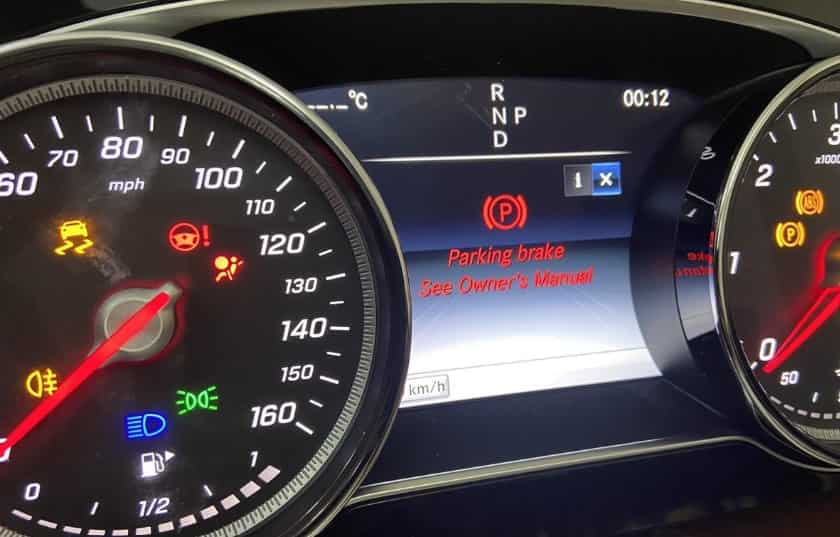
Understanding Mercedes Electronic Parking Brake System
The Mercedes Electronic Parking Brake (EPB) is an advanced braking system that replaces the traditional hand-operated parking brake. Instead of using a mechanical lever or pedal, the driver activates the parking brake through an electronic switch. The vehicle then uses intelligent components to apply or release the rear brakes.
The EPB system works through several connected parts. The main components include the EPB control module, electric brake actuators, brake calipers, and position sensors. These components communicate with each other through the vehicle’s electronic network to ensure accurate brake operation.
When the driver presses the parking brake switch, the control module receives the command and sends a signal to the actuator motors. The actuator then moves the brake mechanism and applies pressure to hold the vehicle in place. When the driver releases the parking brake, the system reverses this process and allows the vehicle to move.
Mercedes-Benz designed the EPB system to improve convenience and safety. The system can automatically engage the parking brake in certain situations and work together with other vehicle systems, including the transmission and stability control functions.
However, the advanced design also means that several electronic and mechanical components must work correctly. A problem with the battery, actuator, sensor, or control module can interrupt normal operation and trigger an EPB malfunction warning.
Understanding how the Mercedes electronic parking brake works helps owners identify problems more accurately. It also explains why a simple reset may solve some issues while other situations require professional diagnosis or repair.
Common Symptoms of Mercedes Electronic Parking Brake Malfunction
A Mercedes Electronic Parking Brake malfunction can appear in different ways depending on the cause of the problem. Some drivers notice a warning message on the dashboard, while others experience problems when they try to engage or release the parking brake. Recognizing these symptoms early can help prevent more serious issues.
One of the most common signs is a warning message such as “Parking Brake Malfunction,” “Parking Brake Inoperative,” or “Visit Workshop.” These alerts indicate that the vehicle detected a problem within the EPB system. The warning may appear after starting the engine, during driving, or after performing maintenance work.
Another common symptom occurs when the parking brake does not release. The driver may press the EPB switch, but the system does not respond. In this situation, the vehicle may remain locked in place and cannot move normally. This issue often causes frustration because even a short trip becomes impossible.
Some Mercedes owners also notice unusual sounds from the rear brake area. A clicking noise, repeated motor activity, or a mechanical sound without proper brake movement may indicate a problem with the electric actuator or brake mechanism.
A failing EPB system can also affect the vehicle’s electronic functions. The car may store diagnostic trouble codes, activate warning lights, or limit certain driving features until the issue receives proper attention.
Drivers should not ignore these symptoms. A temporary electronic error may only require a Mercedes Electronic Parking Brake Reset, but repeated warnings often point to a deeper issue. Early diagnosis helps identify whether the problem comes from the battery, actuator, sensors, control module, or mechanical brake components.
Why Does Mercedes Electronic Parking Brake Fail?
The Mercedes Electronic Parking Brake system depends on both electronic and mechanical components. When one part fails, the entire system may stop working correctly. Understanding the common causes of EPB problems helps owners find the right solution instead of replacing parts without proper diagnosis.
One of the most common causes involves low battery voltage. Mercedes vehicles rely heavily on stable electrical power to operate control modules and electronic systems. A weak battery, sudden voltage drop, or incorrect battery replacement can interrupt EPB communication and create warning messages.
Battery-related EPB problems often appear after a battery change. The new battery may provide enough power for the vehicle to start, but the electronic modules may still need a reset or synchronization process. In these situations, a Mercedes Electronic Parking Brake Reset may restore normal operation.
Another frequent cause involves the EPB actuator. The actuator contains an electric motor and mechanical parts that move the parking brake mechanism. Over time, the motor can wear out, internal gears can become damaged, or the mechanism can become stuck because of corrosion or debris.
Electronic communication problems can also affect the EPB system. The parking brake control module communicates with other vehicle systems through the CAN Bus network. A faulty sensor, damaged wiring, or communication error can prevent the system from receiving or completing commands correctly.
Mechanical brake problems may create similar symptoms. A stuck brake caliper, damaged brake components, or excessive wear can prevent the electronic system from applying or releasing the parking brake.
Finding the exact cause remains the most important step before performing any repair. A proper diagnosis helps determine whether the vehicle needs a simple reset, an EPB calibration procedure, or a component replacement.
How to Reset Mercedes Electronic Parking Brake
A Mercedes Electronic Parking Brake Reset can help resolve certain temporary faults within the EPB system. However, the reset process works best when the problem comes from an electronic interruption, low battery voltage, or a temporary communication error. It cannot fix damaged hardware or mechanical failures.
Before attempting any reset, drivers should check the basic conditions of the vehicle. A weak battery can create repeated EPB errors, so confirming proper battery voltage remains an important first step. Owners should also make sure the vehicle sits on a safe and level surface before working with the parking brake system.
A basic reset process usually starts by turning the vehicle ignition on without starting the engine. The driver can then attempt to release and engage the parking brake using the EPB switch. In some cases, switching the ignition off, waiting several minutes, and restarting the vehicle allows the electronic modules to restart and clear temporary communication issues.
If the warning message disappears and the parking brake operates normally, the issue may have come from a temporary system error. However, if the warning returns immediately, the vehicle likely has an underlying fault that requires further inspection.
Mercedes owners should understand that different models may require different reset procedures. Some vehicles can recover after a simple power cycle, while others need a diagnostic tool to access EPB functions and clear stored fault codes.
After a battery replacement, brake service, or actuator repair, the system may also require an EPB calibration procedure. Calibration allows the vehicle to relearn correct operating positions and ensures that the parking brake works accurately.
A successful reset depends on identifying the real cause of the problem. When a reset does not solve the issue, professional diagnosis can help determine whether the vehicle needs software adjustment, calibration, or component repair.
Mercedes EPB Calibration and Diagnostic Tools
A Mercedes Electronic Parking Brake Reset and an EPB calibration procedure serve different purposes. Many owners confuse these two processes because both can affect how the parking brake operates. A reset usually clears temporary electronic errors, while calibration helps the system learn the correct operating positions after repairs or maintenance.
Mercedes EPB calibration becomes necessary in several situations. Brake pad replacement, actuator replacement, control module replacement, or major brake service can change the relationship between the electronic system and mechanical components. The vehicle needs accurate information to apply and release the parking brake correctly.
During calibration, a diagnostic system communicates with the EPB control module. The tool guides the system through specific adjustment steps and records the correct operating values. This process helps prevent incorrect brake engagement, warning messages, and future system errors.
Mercedes Xentry Diagnosis is one of the most commonly used tools for professional EPB service. This factory diagnostic system allows technicians to access advanced functions, including fault code reading, actuator testing, system calibration, and module programming.
Some aftermarket OBD2 scanners also provide EPB service functions. These tools can help with basic diagnostics and maintenance tasks. However, their capabilities vary depending on the vehicle model and software support.
Choosing the correct diagnostic method depends on the type of problem. A temporary electronic issue may only need a reset, while a repaired or replaced component may require calibration. Using the correct procedure helps avoid unnecessary repairs and keeps the Mercedes braking system operating safely.
Professional diagnosis becomes especially important when the EPB warning returns after multiple reset attempts. Repeated failures often indicate a deeper issue with the actuator, control module, sensors, or electrical system.
Mercedes Electronic Parking Brake Reset vs Repair: What Solution Do You Need?
When a Mercedes Electronic Parking Brake develops a problem, many owners immediately search for a reset solution. A reset can sometimes restore normal operation, but it does not always solve the actual cause. Choosing between a reset and a repair depends on the source of the failure.
A reset works best for temporary electronic problems. For example, a low battery voltage issue or a short communication interruption may trigger an EPB warning without causing permanent damage. In these situations, resetting the system can remove the error and return the parking brake to normal operation.
A repair becomes necessary when a physical component has failed. The EPB actuator, control module, wiring, sensors, or mechanical brake parts may require inspection and replacement. A damaged actuator, for example, cannot return to normal function through a software reset.
The symptoms often provide important clues. If the warning appears once after a battery issue and disappears after a reset, the problem may not require major repairs. However, if the warning returns repeatedly, the vehicle likely needs a complete diagnostic check.
Mercedes owners should avoid replacing expensive components without confirming the cause. Many EPB problems come from simple electrical issues, while others require advanced repairs. Proper diagnosis helps identify the correct solution and prevents unnecessary costs.
The table below shows common EPB situations and the recommended approach:
| Problem Situation | Recommended Solution |
|---|---|
| Temporary EPB warning after low voltage | Battery check and system reset |
| EPB warning returns after reset | Full diagnostic inspection |
| Parking brake actuator failure | Actuator repair or replacement |
| Control module communication error | Advanced electronic diagnosis |
| Mechanical brake problem | Physical brake inspection |
Understanding the difference between a reset and a repair allows Mercedes owners to make better decisions. The right solution depends on accurate diagnosis, not just clearing the warning message.
Mercedes Electronic Parking Brake Repair Cost
The cost of fixing a Mercedes Electronic Parking Brake problem depends on the cause of the failure. Some issues require only a simple reset or diagnostic service, while others may involve replacing expensive electronic or mechanical components.
A basic diagnostic check is usually the first step before any repair. Technicians use specialized equipment to read fault codes, check communication between modules, and identify the source of the EPB malfunction. This process helps prevent unnecessary part replacements and reduces repair costs.
If the problem comes from low battery voltage or a temporary software error, the solution may only involve a battery inspection, system reset, or calibration procedure. These options usually cost less than replacing physical components.
A faulty EPB actuator can create higher repair expenses because the component controls the mechanical movement of the parking brake. Replacement costs depend on the Mercedes model, labor requirements, and the quality of the replacement part.
Control module problems can also increase repair costs. The EPB control unit may require programming, software updates, or replacement. These procedures often need professional diagnostic equipment, especially on newer Mercedes models with advanced electronic systems.
The repair location also affects the final price. Dealership services often charge more because they use factory equipment and provide manufacturer-level support. Independent Mercedes specialists may offer more affordable solutions while still providing professional diagnostics and repairs.
Mercedes owners should avoid choosing a repair method based only on the warning message. A proper diagnosis can determine whether the vehicle needs a Mercedes Electronic Parking Brake Reset, calibration, or component replacement. Identifying the real cause early can save both time and money.
Mercedes Models Commonly Associated With EPB Issues
Mercedes-Benz introduced Electronic Parking Brake technology across many vehicle models to improve convenience and safety. As these systems became more common, drivers of different Mercedes models started searching for solutions related to EPB warnings, parking brake failures, and reset procedures.
The Mercedes C-Class is one of the models frequently associated with electronic parking brake questions. Owners may search for solutions when they experience warning messages, difficulty releasing the parking brake, or issues after battery replacement. Proper diagnosis helps determine whether the problem comes from a temporary electronic fault or a component failure.
The Mercedes E-Class also uses advanced electronic braking systems that require communication between multiple control modules. EPB problems on this model can involve battery voltage issues, actuator faults, or software-related errors. A Mercedes Electronic Parking Brake Reset may help with temporary problems, but recurring warnings usually require further inspection.
SUV models such as the Mercedes GLC, GLE, and GLS also rely on electronic parking brake systems. These vehicles include complex electronic networks that connect braking functions with other safety and stability systems. Because of this integration, an EPB fault may involve more than just the parking brake itself.
The Mercedes S-Class represents another example of advanced electronic technology. Its extensive network of control modules requires accurate diagnostics when an EPB malfunction appears.
Although EPB problems can occur across different Mercedes models, the troubleshooting process follows the same basic principle. Owners should identify the warning symptoms, check the electrical system, perform proper diagnostics, and choose between reset, calibration, or repair based on the actual cause.
Knowing the common Mercedes models affected by EPB issues helps owners find more relevant information and prepare for possible repair steps.
Frequently Asked Questions About Mercedes Electronic Parking Brake Reset
How do I reset my Mercedes electronic parking brake?
A Mercedes Electronic Parking Brake Reset usually starts with checking the vehicle’s battery condition and restarting the electronic system. Some temporary faults may disappear after a power cycle. However, many Mercedes models require a diagnostic tool to clear stored fault codes or complete advanced EPB functions.
Why is my Mercedes parking brake not releasing?
A Mercedes parking brake may fail to release because of low battery voltage, an actuator problem, sensor errors, communication issues, or mechanical brake problems. The correct solution depends on the source of the failure. A reset may help with temporary electronic issues, but it cannot repair damaged components.
Can I reset Mercedes EPB without a scanner?
Some basic Mercedes EPB issues may improve without a scanner, especially when the problem comes from a temporary electrical interruption. However, many situations require a professional diagnostic tool to access the EPB control module, read fault codes, and perform calibration procedures.
Does replacing the battery affect the Mercedes electronic parking brake?
Yes, battery replacement can sometimes affect the EPB system. Mercedes vehicles depend on stable electrical power for communication between control modules. A voltage interruption during battery replacement may create warning messages or require a system reset.
How much does Mercedes EPB repair cost?
Mercedes EPB repair costs vary depending on the failed component and the vehicle model. A simple diagnostic service or reset usually costs less than actuator replacement or control module repair. A proper inspection helps determine the most cost-effective solution.
Do I need Mercedes Xentry to reset the electronic parking brake?
Mercedes Xentry provides advanced access to EPB functions, including diagnostics, calibration, and programming. While some basic checks can use aftermarket tools, professional Mercedes repairs often require factory-level diagnostic equipment.
Understanding these common questions helps Mercedes owners make better decisions when dealing with electronic parking brake problems. The right approach starts with accurate diagnosis and choosing the correct solution for the specific fault.
Conclusion
A Mercedes Electronic Parking Brake Reset can provide a quick solution when the EPB system experiences temporary electronic problems. Issues caused by low battery voltage, communication interruptions, or minor software errors may disappear after a proper reset. However, a reset does not solve every type of failure.
The Mercedes Electronic Parking Brake system combines electronic modules, sensors, actuators, and mechanical brake components. When one part fails, the entire system can display warning messages or prevent normal parking brake operation. Identifying the real cause remains the most important step before choosing any repair method.
Understanding the difference between an EPB reset, calibration, and repair helps Mercedes owners avoid unnecessary expenses. A simple electronic fault may only require a reset, while actuator damage or control module problems may need professional repair.
Regular maintenance, proper battery care, and early diagnosis can help prevent serious EPB issues. When warning messages continue to appear, owners should check the system with suitable diagnostic equipment instead of repeatedly attempting resets.
Have you experienced a Mercedes Electronic Parking Brake malfunction? Share your Mercedes model, production year, and the warning message shown on the dashboard. Your experience may help other drivers understand similar EPB problems and find the right solution faster.