If you own a Kia vehicle, you should understand the Kia Knock Sensor Recall before engine problems appear. Many owners search for answers after they notice a warning light, reduced engine performance, or the P1326 diagnostic code. Learning how this recall works can help you protect your vehicle and avoid costly repairs.
Kia introduced the Knock Sensor Recall after engineers identified a risk of excessive connecting rod bearing wear in certain engines. This condition can increase engine vibration and lead to severe internal damage if drivers ignore the warning signs. To reduce this risk, Kia developed the Knock Sensor Detection System, also known as KSDS. The system monitors engine vibrations and alerts drivers when it detects abnormal conditions. It also limits engine power to help prevent additional damage.
Many Kia owners still have important questions. Some want to know whether their vehicle qualifies for the recall. Others wonder if the repair is free or whether the warranty covers engine replacement. Used vehicle owners often ask if the recall still applies after a change of ownership. These questions make sense because recall eligibility depends on several factors, including the vehicle identification number, engine type, model year, and repair history.
This guide answers the most common questions about the Kia Knock Sensor Recall in 2026. You will learn why Kia launched the recall, which models may qualify, how the KSDS update works, what the P1326 code means, how to check your VIN, and what to expect during a dealership inspection. You will also discover your warranty options and the steps you should take if your vehicle shows signs of engine trouble.
What Is the Kia Knock Sensor Recall?
The Kia Knock Sensor Recall is a safety campaign that helps detect early signs of engine damage in certain Kia vehicles. Kia launched this program after engineers found that excessive connecting rod bearing wear could increase engine vibration. If drivers ignore this condition, it may lead to severe engine damage or complete engine failure.
Instead of waiting for the engine to fail, Kia installed the Knock Sensor Detection System, commonly called KSDS. This software monitors engine vibration while the vehicle is running. When the system detects abnormal knocking, it alerts the driver and stores a diagnostic trouble code. In many cases, the vehicle also enters a reduced power mode to help protect the engine from further damage.
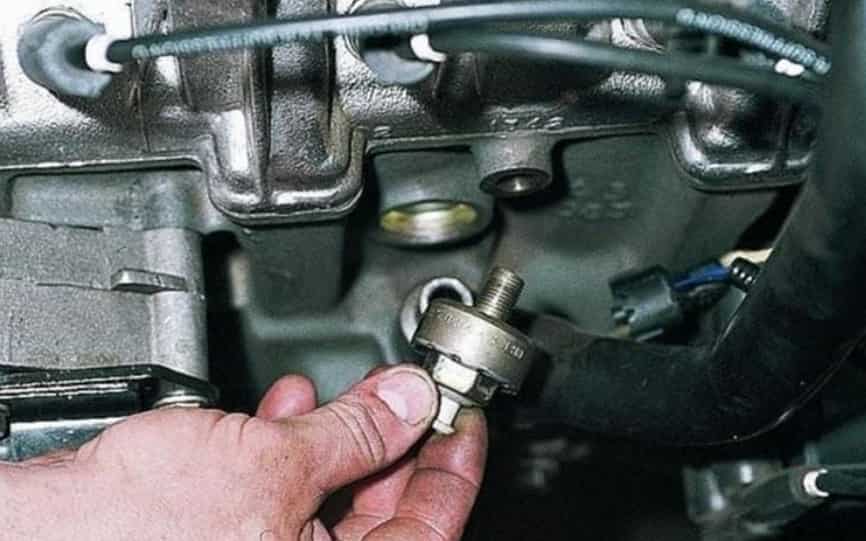
Many owners believe the knock sensor itself causes the problem. In reality, the sensor is not the source of the failure. It simply detects unusual engine vibrations that may indicate internal engine wear. The KSDS software uses this information to warn the driver before the damage becomes more serious.
The recall does not mean that every affected vehicle has a damaged engine. Instead, it gives owners an opportunity to update the vehicle software, receive an engine inspection, and complete additional repairs if necessary. Some vehicles only require the KSDS update, while others may qualify for engine replacement under Kia’s warranty program if technicians confirm internal engine damage.
Understanding the purpose of the Kia Knock Sensor Recall helps owners respond quickly when warning signs appear. Early diagnosis often reduces repair costs, improves vehicle safety, and lowers the risk of unexpected engine failure.
Why Kia Vehicles Were Recalled for Knock Sensor and Engine Issues
Kia introduced the recall after identifying a manufacturing issue that could affect engine reliability in certain vehicles. In some engines, connecting rod bearings may wear faster than expected. As the bearings wear, they create excessive friction and abnormal vibration inside the engine. If the problem continues, the engine may seize without much warning.
This issue became a serious concern because many drivers experienced engine problems before they noticed obvious symptoms. Some vehicles suddenly lost power while driving. Others displayed a blinking Check Engine Light and entered Limp Mode to reduce engine stress. These situations increased safety concerns, especially at highway speeds.
To improve early detection, Kia developed the Knock Sensor Detection System. Instead of waiting for complete engine failure, the software continuously monitors engine vibration patterns. When it detects abnormal knocking, it activates a warning, stores the P1326 diagnostic code, and limits engine performance. This process encourages drivers to visit a dealership before major damage occurs.
The recall also supports Kia’s broader effort to improve long term engine reliability. Depending on the inspection results, technicians may perform a software update, inspect internal engine components, replace damaged parts, or install a new engine if the vehicle qualifies under the applicable warranty or recall program.
For many owners, the recall provides more than a software update. It offers an opportunity to identify hidden engine problems before they become expensive repairs. Taking action as soon as warning signs appear can improve safety, protect the engine, and extend the life of the vehicle.
How the Knock Sensor Detection System Works
The Knock Sensor Detection System, also known as KSDS, helps identify early signs of engine damage before the problem becomes severe. Kia developed this software to monitor engine vibration and recognize patterns that may indicate excessive connecting rod bearing wear. The system works in the background every time you drive, so it can detect abnormal conditions without interrupting normal vehicle operation.
Many drivers think the knock sensor prevents engine damage. In reality, the sensor does not repair or stop mechanical wear. Instead, it collects vibration data and sends that information to the engine control module. The software analyzes the data and compares it with normal operating conditions. If the vibration exceeds a specific threshold, the system recognizes a potential problem and responds immediately.
When KSDS detects abnormal engine knocking, it activates several protective measures. The Check Engine Light may begin flashing to warn the driver. The engine control module may also reduce engine power by placing the vehicle in Limp Mode. This response encourages the driver to seek service as soon as possible and helps reduce the chance of additional engine damage.
In many cases, the system stores the P1326 diagnostic trouble code. This code does not confirm complete engine failure. Instead, it tells technicians that the system detected abnormal engine vibration. Dealers can then inspect the engine and determine whether the vehicle only needs a software update or requires additional repairs.
The KSDS update plays an important role in the Kia Knock Sensor Recall. It gives drivers an early warning and allows technicians to inspect the engine before the damage becomes more serious. Acting quickly after the warning appears can improve safety, reduce repair costs, and increase the likelihood of warranty coverage.
Common Symptoms Linked to the Kia Knock Sensor Recall
Recognizing the early symptoms of the Kia Knock Sensor Recall can help you prevent serious engine damage and avoid expensive repairs. In many cases, the first warning appears as a blinking Check Engine Light. Unlike a steady warning light, a flashing light usually signals a more serious engine problem that requires immediate attention. Many affected vehicles also store the P1326 diagnostic trouble code after the Knock Sensor Detection System detects abnormal engine vibration. Although this code does not confirm engine failure, it indicates that the engine needs a professional inspection.
As the condition progresses, you may notice reduced engine performance. Your Kia may accelerate more slowly than usual or struggle to maintain highway speeds. To protect the engine, the vehicle may automatically enter Limp Mode and limit power output. This safety feature helps reduce additional stress on internal engine components until technicians can inspect the vehicle.
Unusual engine noises also deserve immediate attention. A knocking, tapping, or ticking sound may indicate excessive connecting rod bearing wear. These noises often become more noticeable during acceleration or when the engine operates under a heavier load. Some drivers also experience rough idling, hesitation during acceleration, or stronger engine vibrations. While these symptoms may result from different mechanical issues, they should never be ignored because they can indicate developing engine damage.
In more severe cases, the engine may produce a burning smell, emit smoke, stall unexpectedly, or fail to start. These symptoms often suggest significant internal wear that requires immediate service. If your vehicle shows any combination of these warning signs, stop driving when it is safe to do so and schedule an inspection as soon as possible. Early diagnosis can reduce repair costs, improve vehicle safety, and increase the likelihood of warranty coverage under the Kia Knock Sensor Recall.
Kia Models Affected by the Kia Knock Sensor Recall
The Kia Knock Sensor Recall affects several popular models equipped with specific gasoline direct injection engines. However, not every vehicle qualifies for the recall because eligibility depends on the engine type, production date, and vehicle identification number. For this reason, owners should always verify their VIN instead of assuming that every model falls under the same recall program.
Some of the most commonly affected vehicles include the Kia Optima, Sorento, Sportage, Soul, and Forte. Many of these models use Theta II or related engines that may develop excessive connecting rod bearing wear over time. As the bearings wear, engine vibration increases, allowing the Knock Sensor Detection System to detect abnormal operating conditions. The software then alerts the driver before the damage becomes severe.
Model years covered by the recall vary across different service campaigns. Some vehicles require only a KSDS software update, while others may qualify for an engine inspection or replacement if technicians confirm internal engine damage. Previous repairs, software updates, and warranty status may also affect recall eligibility. Because of these differences, two vehicles from the same model year may not receive identical repair recommendations.
Owners should never rely on online model lists alone. The most accurate way to determine recall status is by checking the vehicle identification number through Kia’s official recall lookup tool or by contacting an authorized dealership. A VIN search provides the latest recall information, confirms whether recall repairs remain open, and shows if the vehicle qualifies for additional warranty coverage. Taking a few minutes to verify your VIN can help you avoid unexpected repair costs and ensure that your Kia receives any available safety updates.
How to Check If Your Kia Has an Open Recall
Checking your vehicle for an open recall is the fastest way to determine whether it qualifies for the Kia Knock Sensor Recall. Although many online sources publish lists of affected models, they cannot confirm the current recall status of a specific vehicle. Kia identifies recall eligibility by using the Vehicle Identification Number, commonly known as the VIN. This unique number allows the manufacturer to match your vehicle with active recalls, completed repairs, and available warranty programs.
You can find your VIN in several locations. Most owners will see it through the lower corner of the windshield on the driver’s side. It also appears on the driver’s door label, the vehicle registration, and the insurance card. Once you have the VIN, enter it into Kia’s official recall lookup tool or provide it to an authorized Kia dealership. The system will display whether your vehicle has an open recall, requires a KSDS software update, or qualifies for additional inspections and repairs.
If the search shows an active recall, contact your preferred Kia dealership to schedule a service appointment. The dealership will inspect your vehicle, verify its condition, and perform any approved repairs at no cost when the recall applies. Depending on the inspection results, technicians may update the KSDS software, inspect the engine for internal damage, or complete additional repairs covered by the recall or warranty program.
Even if your vehicle appears to operate normally, checking your VIN remains an important step. Some engines develop internal wear long before noticeable symptoms appear. Completing recall repairs as early as possible can improve vehicle safety, reduce the risk of engine failure, and help preserve your warranty benefits. A quick VIN check today may prevent a much more expensive repair in the future.
Is the Kia Knock Sensor Recall Repair Free?
Many Kia owners worry about the cost of recall repairs, especially after seeing a warning light or receiving the P1326 diagnostic code. In most cases, recall related repairs are provided at no cost to the vehicle owner. If your Kia qualifies for the Kia Knock Sensor Recall, an authorized dealership will perform the approved repair without charging for parts or labor. The exact repair depends on the condition of the vehicle and the results of the dealership inspection.
For many vehicles, technicians begin by installing the latest Knock Sensor Detection System software. This update allows the system to monitor engine vibration more accurately and detect signs of excessive connecting rod bearing wear. If the inspection finds no internal engine damage, the software update may be the only repair required. However, if technicians discover severe wear or engine failure, the dealership may recommend additional repairs or a complete engine replacement when the vehicle meets the applicable recall or warranty requirements.
Warranty coverage varies because Kia considers several factors before approving major repairs. Technicians review the vehicle identification number, engine condition, maintenance history, previous recall repairs, and diagnostic results. Owners who completed recommended maintenance and earlier recall campaigns often experience a smoother inspection process. Even so, every vehicle receives an individual evaluation before Kia authorizes extensive repairs.
If your Kia no longer qualifies for a recall, you may still receive support through an extended warranty program or another service campaign. For this reason, you should never assume that you must pay for repairs without first confirming your vehicle’s eligibility. Contacting an authorized Kia dealership and checking your VIN can help you understand your available repair options, estimate any potential costs, and protect your vehicle before engine damage becomes more severe.
Kia Knock Sensor Recall vs Kia Engine Recall
Many Kia owners assume that the Kia Knock Sensor Recall and the Kia Engine Recall refer to the same issue. Although the two programs are closely related, they serve different purposes. Understanding the difference can help you know what repairs your vehicle may need and what benefits you may receive during a dealership inspection.
The Kia Knock Sensor Recall focuses on prevention and early detection. Its primary goal is to install or update the Knock Sensor Detection System so the vehicle can recognize abnormal engine vibration before severe damage occurs. When the system detects a potential problem, it stores the P1326 diagnostic code, activates the Check Engine Light, and may place the vehicle in Limp Mode. These actions encourage drivers to seek service before engine failure develops.
The Kia Engine Recall addresses vehicles that already show signs of internal engine damage or have experienced engine failure. During the inspection, technicians evaluate the engine for excessive connecting rod bearing wear and other mechanical problems. If the engine meets Kia’s repair guidelines, the dealership may replace damaged components or install a new engine under the applicable recall or warranty program. The final repair decision depends on the inspection results rather than the warning code alone.
Although these programs have different objectives, they often work together. A vehicle may first receive the KSDS software update through the Kia Knock Sensor Recall and later qualify for additional repairs if technicians discover internal engine damage. This approach allows Kia to identify problems earlier, improve vehicle safety, and reduce the likelihood of unexpected engine failure.
If your vehicle displays warning signs such as a flashing Check Engine Light, reduced engine power, or the P1326 code, do not assume that only a software update is necessary. Schedule an inspection with an authorized Kia dealership as soon as possible. A professional diagnosis will determine whether your vehicle only needs the KSDS update or qualifies for more extensive repairs under the Kia Engine Recall or an available warranty program.
What to Do If Your Kia Shows the P1326 Code
Seeing the P1326 diagnostic trouble code can be alarming, but taking the right steps can help prevent serious engine damage. This code usually appears after the Knock Sensor Detection System detects abnormal engine vibration that may indicate excessive connecting rod bearing wear. Although the code does not confirm engine failure, it signals that your vehicle requires immediate attention. Ignoring the warning may increase the risk of costly repairs and reduce the engine’s reliability.
If your Kia displays the P1326 code, reduce your speed and avoid aggressive acceleration. Pay close attention to any additional warning signs, including a flashing Check Engine Light, unusual knocking sounds, reduced engine power, or Limp Mode. These symptoms often indicate that the engine needs a professional inspection. Continuing to drive under these conditions may place extra stress on internal engine components and worsen the damage.
Schedule an appointment with an authorized Kia dealership as soon as possible. Technicians will inspect the vehicle, verify the diagnostic code, and evaluate the engine for signs of internal wear. They may also confirm whether your vehicle has received the latest KSDS software update. Depending on the inspection results, the dealership may perform a software update, recommend additional repairs, or replace the engine if it qualifies under the applicable recall or warranty program.
Before visiting the dealership, gather any maintenance records and repair invoices you have available. These documents can help technicians review your vehicle’s service history and determine whether previous repairs affect warranty eligibility. Keeping detailed maintenance records may also simplify the approval process if Kia authorizes major engine repairs.
Most importantly, do not clear the P1326 code or disconnect the battery to remove the warning light before the inspection. The stored diagnostic information helps technicians identify the underlying problem and determine the correct repair procedure. Addressing the issue promptly can improve vehicle safety, reduce repair costs, and increase the likelihood of receiving coverage through the Kia Knock Sensor Recall or an eligible warranty program.
Frequently Asked Questions About the Kia Knock Sensor Recall
Does the Kia Knock Sensor Recall apply to every Kia vehicle?
No. The Kia Knock Sensor Recall only applies to specific vehicles equipped with certain engines and produced during selected model years. Even if two vehicles share the same model and year, they may not qualify for the same recall program. The most reliable way to confirm eligibility is to check your Vehicle Identification Number through Kia’s official recall lookup service or visit an authorized Kia dealership.
Can I continue driving if my Kia shows the P1326 code?
You should not ignore the P1326 code. Although the vehicle may still operate, the code indicates that the Knock Sensor Detection System has detected abnormal engine vibration. Continuing to drive for long distances or under heavy load may increase engine wear and lead to more serious mechanical damage. Schedule an inspection as soon as possible to identify the cause and complete any required repairs.
Will the dealership replace my engine automatically?
No. An engine replacement is not automatic. Technicians first inspect the vehicle to determine the condition of the engine and verify whether it meets Kia’s repair guidelines. Some vehicles only require a KSDS software update, while others may need additional repairs or a complete engine replacement if the inspection confirms severe internal damage.
Is the KSDS software update enough to fix the problem?
The KSDS update improves the vehicle’s ability to detect abnormal engine vibration, but it does not repair existing mechanical damage. If the engine has already developed excessive connecting rod bearing wear, technicians may recommend further inspection or additional repairs. The software update serves as an early warning system rather than a mechanical solution.
What does a flashing Check Engine Light mean?
A flashing Check Engine Light usually indicates a serious engine condition that requires immediate attention. In vehicles affected by the Kia Knock Sensor Recall, the warning often appears when the KSDS detects abnormal engine vibration. You should reduce your speed, avoid hard acceleration, and arrange a professional inspection without delay.
Does the recall remain valid if I bought the vehicle used?
In many cases, yes. Safety recalls generally apply to the vehicle rather than the owner. If a previous owner did not complete the recall repair, the vehicle may still qualify for the required service. However, recall status and warranty eligibility may vary, so checking the VIN remains the best way to confirm available repairs.
How long does a recall repair usually take?
The repair time depends on the work your vehicle requires. A KSDS software update may take less than an hour, while a complete engine inspection can require additional time. If technicians determine that the engine needs replacement, the repair process may take several days because parts availability and dealership workload can affect scheduling.
Will I have to pay for recall repairs?
Approved recall repairs are typically free of charge. If your vehicle qualifies for the Kia Knock Sensor Recall, Kia generally covers the cost of the authorized repair. However, repairs that fall outside the recall or warranty program may involve additional charges. Your dealership can explain which services qualify after completing the inspection.
Can I clear the P1326 code myself?
Although some diagnostic tools can erase the code, doing so is not recommended before the vehicle receives a professional inspection. Clearing the code removes important diagnostic information that technicians use to identify the underlying problem. Leaving the code stored in the system helps ensure a more accurate diagnosis.
How can I prevent future engine problems?
Following the recommended maintenance schedule is the best way to support long term engine reliability. Change the engine oil at the recommended intervals, use the correct oil specification, and respond immediately to warning lights or unusual engine noises. Regular maintenance cannot eliminate every mechanical problem, but it can reduce unnecessary engine wear and help technicians identify developing issues before they become more serious.
Conclusion
The Kia Knock Sensor Recall plays an important role in helping owners identify potential engine problems before they become severe. By understanding how the Knock Sensor Detection System works, recognizing early warning signs, and responding quickly to the P1326 diagnostic code, you can reduce the risk of major engine damage and avoid unexpected repair costs. Even if your vehicle appears to operate normally, checking its recall status remains a smart step because some engine issues develop long before noticeable symptoms appear.
If you own a Kia Optima, Sorento, Sportage, Soul, Forte, or another model equipped with an affected engine, take a few minutes to verify your Vehicle Identification Number through Kia’s official recall lookup service or visit an authorized dealership. A simple VIN check can confirm whether your vehicle qualifies for a KSDS software update, an engine inspection, or additional warranty coverage. Completing recall repairs as soon as they become available can improve vehicle safety, protect your investment, and extend the life of your engine.
Staying informed is the best way to avoid unnecessary problems. Follow your recommended maintenance schedule, pay attention to warning lights and unusual engine noises, and never ignore signs of reduced engine performance. Taking action early gives technicians the best opportunity to diagnose the issue and recommend the appropriate repair. With the right information and timely service, you can keep your Kia running safely and confidently for years to come.