A reliable air conditioning system keeps every drive comfortable, especially during hot summer weather. If your Kia Forte no longer blows cold air, takes too long to cool the cabin, or delivers weak airflow, low refrigerant may be the reason. Many owners simply add more refrigerant without checking the real cause. This mistake often leads to higher repair costs and recurring cooling problems.
A Kia Forte AC recharge restores the correct refrigerant level when the system loses a small amount over time. This service can improve cooling performance if low refrigerant is the only issue. However, it cannot repair leaks, replace damaged components, or fix a failing compressor. Refrigerant does not disappear under normal conditions. If the level drops significantly, the system likely has a leak that requires inspection and repair. Adding more refrigerant without fixing the leak only delays the problem.
Choosing the correct refrigerant is equally important. Older Kia Forte models often use R134a, while many newer models require R1234yf. Always check the information label under the hood before buying refrigerant. Using the wrong type can reduce cooling performance and damage the air conditioning system.
This guide explains everything you need to know about a Kia Forte AC recharge. You will learn how the air conditioning system works and how to identify the signs of low refrigerant. You will also discover the correct refrigerant type for your model, the average recharge cost, and the proper recharge procedure. Finally, you will learn which mistakes to avoid and when professional service is the safer choice. After reading this guide, you will know how to restore your Kia Forte’s cooling performance safely and confidently.
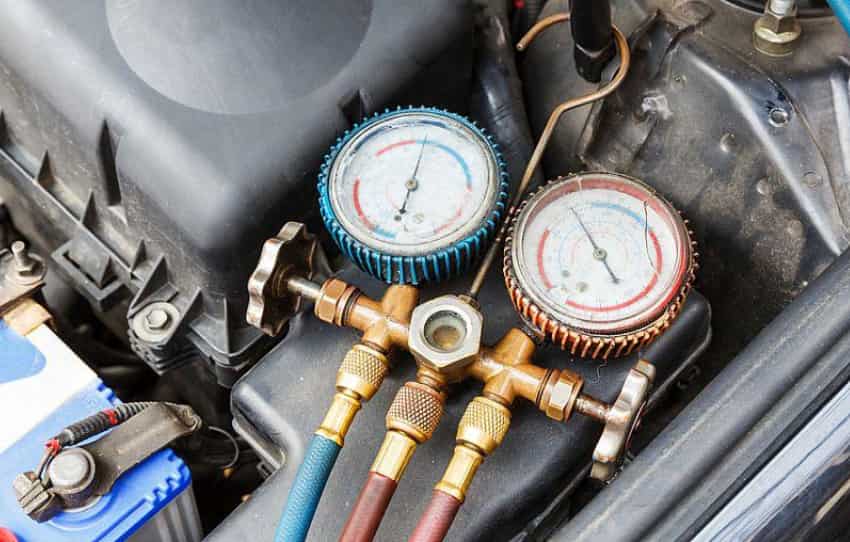
What Is a Kia Forte AC Recharge?
A Kia Forte AC recharge is the process of restoring the correct amount of refrigerant in the vehicle’s air conditioning system. Refrigerant plays a critical role because it absorbs heat from inside the cabin and releases it outside the vehicle. This continuous heat transfer allows the system to produce cold air and maintain a comfortable interior temperature. When the refrigerant level becomes too low, the air conditioner loses its cooling efficiency. As a result, the cabin may take longer to cool, the air from the vents may feel warm, and the compressor may work harder than normal. Many drivers assume that adding more refrigerant is routine maintenance. However, a properly sealed air conditioning system should retain its refrigerant for many years. A noticeable loss usually indicates a leak that requires further inspection.
Understanding how the air conditioning system operates helps explain why a Kia Forte AC recharge is only one part of the solution. The compressor pressurizes the refrigerant and moves it through the system. The condenser removes heat and converts the refrigerant into a high pressure liquid before it reaches the expansion valve. The expansion valve reduces the pressure, allowing the refrigerant to cool rapidly before it enters the evaporator. Inside the evaporator, the refrigerant absorbs heat from the cabin while the blower motor pushes cool air through the vents. This closed cycle repeats continuously whenever the air conditioning system is running, providing consistent cooling under normal operating conditions.
A Kia Forte AC recharge simply restores the refrigerant to the recommended level so the system can transfer heat efficiently again. It can improve cooling performance when low refrigerant is the only problem. However, it cannot repair leaking seals, damaged hoses, a failing compressor, or electrical faults that prevent the air conditioning system from operating correctly. If the system loses refrigerant shortly after a recharge, the leak should be identified and repaired before additional refrigerant is added. Addressing the root cause not only restores reliable cooling but also protects expensive air conditioning components from unnecessary wear and future damage.
Signs Your Kia Forte Needs an AC Recharge
Your Kia Forte can show several warning signs before the air conditioning system stops working completely. Recognizing these symptoms early can help you restore cooling performance and prevent more expensive repairs. One of the most common signs is warm or slightly cool air coming from the vents even when the air conditioner is set to the lowest temperature. In many cases, the cabin takes much longer to cool than it did before, especially during hot weather. You may also notice that the air feels cold while driving at higher speeds but becomes noticeably warmer when the vehicle is idling. These changes often indicate that the refrigerant level has dropped below the amount required for efficient heat transfer.
Low refrigerant can also affect how the entire air conditioning system operates. The compressor may switch on and off more frequently because the system cannot maintain the correct pressure. This rapid cycling places additional stress on the compressor and may shorten its lifespan if the problem remains unresolved. Some drivers also hear unusual clicking noises when the compressor engages or notice reduced airflow as the system struggles to maintain consistent cooling. Although these symptoms often point to low refrigerant, they can also result from a clogged cabin air filter, a faulty compressor, or other mechanical issues. For this reason, checking system pressure before performing a Kia Forte AC recharge is always a smart first step.
A visual inspection may reveal additional clues. Refrigerant leaks often leave oily residue around hoses, fittings, the condenser, or the compressor because refrigerant carries a small amount of compressor oil through the system. If you discover these signs, adding more refrigerant without repairing the leak will provide only temporary results. A properly functioning air conditioning system should hold refrigerant for years under normal conditions. If your Kia Forte requires frequent recharges, a professional leak inspection is the best way to identify the underlying problem and restore reliable cooling performance for the long term.
Kia Forte Refrigerant Type by Model Year
Choosing the correct refrigerant type for your Kia Forte is essential because the air conditioning system is designed to work with a specific chemical formula. Using the wrong refrigerant can reduce cooling efficiency and may damage internal components over time. Kia Forte models generally use two types of refrigerant depending on the production year. Older models typically use R134a, while newer models are equipped with R1234yf. Both refrigerants serve the same purpose of transferring heat out of the cabin, but they differ in chemical structure, operating pressure, and environmental impact. This makes it important to confirm the correct specification before performing any Kia Forte AC recharge.
The easiest and most reliable way to identify the correct refrigerant type is by checking the under hood label. Kia places a factory information sticker near the engine bay that clearly states the refrigerant type and the exact filling capacity. This label is more accurate than online guesses or general model assumptions because manufacturers may change specifications during mid generation updates. In addition to the label, the vehicle owner manual also provides refrigerant information, including system capacity and recommended service procedures. If the label is missing or unreadable, a certified technician can identify the correct refrigerant using service equipment designed for automotive air conditioning systems.
It is important to understand that R1234yf is not interchangeable with R134a. R1234yf operates under different pressure conditions and requires specialized service equipment. It is also mildly flammable, which is why many workshops use dedicated machines for handling it safely. Mixing refrigerants or using the wrong type can lead to poor cooling performance, higher system stress, and potential compressor damage. For this reason, verifying refrigerant type before any Kia Forte AC recharge is not just a recommendation but a necessary step to protect the entire air conditioning system and ensure long term reliability.
Kia Forte AC Recharge Cost
The cost of a Kia Forte AC recharge depends on whether you choose a DIY approach or a professional service. It also varies based on refrigerant type, model year, and local labor rates. In most cases, a basic DIY recharge kit is the cheapest option. These kits usually include a refrigerant can, a pressure gauge, and a hose. Many drivers choose this method when the system only needs a small top up and shows no major signs of leakage. However, DIY solutions only address low refrigerant levels and do not diagnose deeper system problems.
Professional AC recharge service costs more but provides a more complete solution. A workshop typically performs a full inspection before adding refrigerant. This may include a pressure test, leak detection, and system vacuuming to remove moisture and air from the lines. After that, the technician refills the system with the correct refrigerant type and ensures proper operating pressure. This process helps maintain long term system stability and reduces the risk of compressor damage. Professional service is especially recommended for vehicles using R1234yf because it requires specialized equipment and careful handling.
On average, a Kia Forte AC recharge performed at a repair shop can range from moderate to high depending on the refrigerant used and the condition of the system. Vehicles using R134a are generally less expensive to service, while R1234yf systems cost more due to higher refrigerant price and equipment requirements. If leaks are detected during inspection, the final cost may increase because additional repair work is needed. Although a cheaper DIY recharge may seem attractive, it often becomes more expensive in the long run if the underlying issue is not resolved properly. Choosing the right service option depends on system condition, vehicle age, and long term reliability goals.
How to Recharge a Kia Forte AC System Step by Step
Recharging the AC system in a Kia Forte requires careful preparation and attention to detail. Before starting, you must confirm the correct refrigerant type for your vehicle. Check the under hood label or the owner manual to identify whether your system uses R134a or R1234yf. This step is important because using the wrong refrigerant can damage the system and reduce cooling performance. Once you confirm the correct type, you can begin the recharge process with proper safety equipment such as gloves and protective eyewear.
Start by locating the low pressure service port in the engine bay. This port is usually connected to a larger diameter aluminum line and is marked with an L or a blue cap. Do not connect to the high pressure port because it can cause serious damage and safety risks. After identifying the correct port, start the engine and turn the air conditioning system to maximum cooling with the fan set to the highest speed. Open the vehicle doors to allow proper airflow and ensure the system runs under normal load conditions.
Next, attach the recharge hose from the kit to the low pressure service port. Make sure the connection is secure before opening the valve on the refrigerant can. At this stage, monitor the pressure gauge closely. The gauge helps you understand whether the system is low and how much refrigerant you should add. Add refrigerant slowly while keeping the engine and air conditioning system running. This gradual process helps maintain stable pressure and prevents overcharging, which can reduce cooling efficiency and strain the compressor.
During the recharge, observe the vent temperature inside the cabin. As refrigerant enters the system, the air from the vents should gradually become colder. Stop adding refrigerant once the pressure reaches the recommended range indicated on the gauge. Avoid adding more refrigerant than necessary because overcharging can cause liquid refrigerant to enter the compressor, which may lead to serious mechanical failure.
After completing the recharge, disconnect the hose carefully and reinstall the service port cap. Allow the system to run for several minutes and check if the cooling performance remains stable. If the air does not become cold or if pressure drops again quickly, the system likely has a leak that needs professional inspection. In that case, further diagnosis is required before performing another Kia Forte AC recharge to ensure long term reliability.
Common Mistakes to Avoid
Many Kia Forte owners make simple mistakes during an AC recharge that lead to poor cooling performance or even system damage. One of the most common mistakes is overcharging the system. Some drivers believe that adding more refrigerant will make the air colder, but this is incorrect. Too much refrigerant increases system pressure and forces the compressor to work harder. This can reduce cooling efficiency and may cause long term damage to internal components. The correct refrigerant level is always more important than the maximum amount.
Another frequent mistake is using the wrong refrigerant type. Kia Forte models are designed for either R134a or R1234yf depending on the year. These refrigerants are not interchangeable. Using the wrong type can reduce cooling performance and create compatibility issues within the system. Some drivers also mix refrigerants, which is even more harmful because it changes pressure behavior and makes future repairs more difficult. Always confirm the refrigerant type before starting any Kia Forte AC recharge.
A third mistake is ignoring leaks in the system. Many drivers simply refill refrigerant when cooling drops, without checking why it was lost in the first place. However, a properly sealed system should not lose refrigerant under normal conditions. If the system is low again after a short period, there is likely a leak in hoses, seals, or the condenser. Continuing to add refrigerant without fixing the leak only provides temporary cooling and increases long term repair costs.
Finally, some owners rely too heavily on sealant based recharge cans. These products may temporarily improve cooling, but they can also clog internal components like the expansion valve or damage service equipment used in professional repairs. For this reason, sealant products should be avoided unless recommended by a qualified technician. Taking the correct approach ensures a safer and more reliable AC system that delivers consistent cooling performance over time.
When You Should Not DIY Recharge Your Kia Forte AC
A DIY Kia Forte AC recharge can work in simple cases where the system only has a minor refrigerant loss. However, there are situations where you should avoid doing it yourself. One clear warning sign is when the air conditioning system does not engage at all. If the compressor does not turn on, the issue may involve electrical faults, a failed pressure sensor, or a damaged compressor clutch. In this case, adding refrigerant will not solve the problem and may waste time and money.
You should also avoid a DIY recharge when the system is completely empty. A fully empty system often indicates a significant leak. When too much refrigerant escapes, air and moisture can enter the system. This condition requires a vacuum procedure and leak test before any refrigerant is added. Simply refilling the system without addressing contamination can damage the compressor and reduce the lifespan of the entire air conditioning system.
Another situation where DIY is not recommended is when you suspect a refrigerant leak but cannot identify its source. If you notice oily residue around hoses, the condenser, or compressor, the system likely has a leak that needs professional diagnosis. Adding refrigerant in this condition only provides temporary cooling and allows the underlying problem to worsen over time.
Vehicles that use R1234yf refrigerant also require extra caution. This refrigerant needs specialized equipment for safe handling and accurate charging. Many DIY kits are designed for R134a systems and are not suitable for newer Kia Forte models. Using the wrong tools or procedures can lead to incorrect pressure readings and unsafe system operation.
In all of these cases, professional inspection is the safest choice. A trained technician can perform pressure testing, leak detection, and system evacuation before recharging the system correctly. This ensures that your Kia Forte AC recharge is not only effective but also safe and long lasting.
Frequently Asked Questions
Many Kia Forte owners have similar questions when dealing with AC performance issues. Below are the most common questions with clear and practical answers to help you understand the system better and make the right decision before performing a Kia Forte AC recharge.
How often does a Kia Forte need an AC recharge?
A Kia Forte does not require regular scheduled AC recharges. In a properly sealed system, refrigerant should last for many years without significant loss. If you need to recharge frequently, the system likely has a leak that needs inspection and repair.
Can I recharge my Kia Forte AC system myself?
Yes, you can perform a DIY recharge if the system only has a small refrigerant loss and no major faults. However, you must confirm the correct refrigerant type and use proper tools. If the system shows deeper issues, professional service is the safer option.
What happens if I overcharge the AC system?
Overcharging increases system pressure and reduces cooling efficiency. It can also strain the compressor and cause long term damage. In severe cases, it may lead to system failure and expensive repairs.
Why is my Kia Forte AC still warm after recharge?
If the air is still warm after a recharge, the issue may involve a leak, a failing compressor, a clogged expansion valve, or an electrical problem. Adding more refrigerant will not fix these issues.
Is R1234yf more expensive than R134a?
Yes, R1234yf is generally more expensive due to its newer formulation, environmental standards, and specialized equipment requirements. This is one reason newer Kia Forte models cost more to service.
Does low refrigerant always mean there is a leak?
In most cases, yes. A sealed AC system should not lose refrigerant under normal operation. If levels are low, a leak is the most common cause and should be checked before recharging.
Can I mix different refrigerants in my Kia Forte?
No, mixing refrigerants is not safe. It can damage the system, reduce cooling performance, and make future repairs more complicated. Always use the correct refrigerant type specified for your vehicle.
Conclusion
A Kia Forte AC recharge can restore cooling performance when the system has lost refrigerant over time. It helps the air conditioning system return to its proper operating pressure so it can transfer heat effectively. However, this process only works when low refrigerant is the main issue. It does not repair leaks, fix a failing compressor, or solve electrical faults. Understanding this difference is important because many cooling problems come from underlying issues rather than refrigerant levels alone.
Before performing any recharge, always identify the correct refrigerant type for your Kia Forte. Older models typically use R134a while newer models use R1234yf. Using the wrong refrigerant can reduce system efficiency and may damage key components. It is also important to check for signs of leaks if refrigerant levels drop quickly. A sealed system should maintain its charge for a long period, so repeated recharging usually indicates a deeper problem that needs professional inspection.
While a DIY recharge can be useful for minor issues, professional service provides a more reliable and long term solution. A technician can test system pressure, detect leaks, and ensure the correct refrigerant amount is used. This approach helps protect the compressor and improves overall system durability.
If your Kia Forte AC is not cooling properly, start with proper diagnosis before adding refrigerant. This ensures you fix the real cause instead of treating the symptom. With the right approach, you can maintain consistent cooling performance and extend the life of your air conditioning system for many years.