Your Jeep is built to tackle rugged trails, steep inclines, muddy terrain, and long highway journeys with confidence. However, one of the most overlooked maintenance tasks that keeps your vehicle performing at its best is a Jeep differential fluid change. While many owners remember to change the engine oil and transmission fluid, the differential often receives little attention until warning signs such as whining noises, vibrations, or expensive drivetrain repairs begin to appear.
The differential is a critical component that transfers engine power to the wheels while allowing them to rotate at different speeds during turns. Without clean, properly lubricated gear oil, the gears and bearings inside the differential experience increased friction, excessive heat, and accelerated wear. Over time, contaminated or degraded differential fluid can significantly reduce the lifespan of your axle assembly and compromise your Jeep’s performance, especially if you frequently drive off-road, tow heavy loads, or cross deep water.
Fortunately, changing your Jeep’s differential fluid is a maintenance task that many owners can complete at home with the right tools and a little patience. Not only can it save hundreds of dollars in labor costs, but it also gives you an opportunity to inspect the differential for metal debris, leaks, or early signs of damage before they become major problems.
In this comprehensive guide, you’ll learn how to perform a Jeep differential fluid change step by step, discover the recommended service intervals, choose the correct gear oil for your specific Jeep model, understand fluid capacities, estimate service costs, and avoid the most common mistakes that can lead to costly repairs. Whether you own a Wrangler, Gladiator, Cherokee, Grand Cherokee, or another Jeep model, this guide will help you keep your drivetrain running smoothly for years to come.
What Does the Differential Do on a Jeep?
The differential is one of the most important components in your Jeep’s drivetrain. Its primary job is to transfer power from the driveshaft to the wheels while allowing the left and right wheels to rotate at different speeds.
This difference in wheel speed is essential whenever your Jeep turns. During a corner, the outside wheel travels a longer distance than the inside wheel. If both wheels were forced to rotate at exactly the same speed, the tires would scrub against the road, steering would become difficult, and unnecessary stress would be placed on the axle shafts, gears, and suspension components.
Inside the differential housing, a set of precisely machined gears distributes torque between the wheels. These gears operate under extreme pressure and generate considerable heat, especially when the vehicle is towing, climbing steep trails, driving through mud, or navigating rocky terrain. Differential fluid creates a protective lubricating film between these moving components, reducing friction and helping prevent premature wear.
Front Differential
The front differential transfers power to the front wheels. It is found in four wheel drive Jeep models and becomes especially important when additional traction is required.
On many Jeep vehicles, the front differential is used less frequently during normal road driving because the vehicle may operate primarily in two wheel drive mode. However, once four wheel drive is engaged, the front differential must handle significant loads.
Drivers who frequently use four wheel drive, travel through deep mud, climb rocks, or cross water should inspect the front differential fluid more often. Water contamination can quickly reduce the fluid’s ability to lubricate the gears and bearings.
Rear Differential
The rear differential sends power to the rear wheels and usually operates whenever the Jeep is moving. Because it is constantly working, the rear differential may experience more heat and wear than the front unit.
The rear differential also carries additional stress when the Jeep is towing a trailer, transporting heavy equipment, or accelerating on steep terrain. For this reason, some Jeep models require a heavier gear oil in the rear differential, particularly when used for towing or severe driving conditions.
Open Differential
An open differential is one of the most common differential designs. It allows the wheels to rotate independently and provides smooth, predictable handling during normal driving.
Its main limitation appears when one wheel loses traction. In that situation, power may be directed toward the wheel that is slipping rather than the wheel that still has grip. This can make it harder to escape mud, snow, or loose sand.
Limited Slip Differential
A limited slip differential helps distribute power more effectively when one wheel begins to lose traction. It uses internal clutch packs or other mechanisms to reduce excessive wheel spin and send more torque to the wheel with better grip.
Some limited slip differentials require a special friction modifier in addition to the recommended gear oil. Other modern synthetic fluids already contain the necessary additives. Using the wrong product may cause clutch chatter, binding, or unusual noises during turns.
Always check the owner’s manual, axle identification label, or factory service information before selecting fluid for a limited slip differential.
Electronic Locking Differential
An electronic locking differential can mechanically connect both axle shafts so that the wheels rotate together. This feature is particularly useful during demanding trail driving because it helps maintain traction when one wheel is lifted or positioned on a slippery surface.
Jeep models designed for serious trail use, such as certain Wrangler and Gladiator trims, may include electronic locking differentials. These assemblies still rely on clean gear oil to protect their internal gears, bearings, and locking mechanisms.
Regardless of which differential design your Jeep uses, proper lubrication is essential. Old or contaminated fluid cannot protect the internal components effectively, increasing the risk of noise, overheating, and mechanical failure.
Why Is a Jeep Differential Fluid Change Important?
A Jeep differential fluid change is essential because the fluid gradually loses its protective properties. As the gears rotate, the oil is exposed to extreme pressure, heat, moisture, and microscopic metal particles. Over time, these contaminants reduce the fluid’s ability to lubricate and cool the differential.
Fresh fluid helps prevent direct metal contact between the ring gear, pinion gear, bearings, and other internal components. Without an adequate lubricating layer, these parts can develop scoring, pitting, and excessive wear.
Replacing a differential can cost far more than performing routine fluid service. A simple maintenance task involving a few bottles of gear oil and a gasket can help prevent a repair bill that may reach thousands of dollars.
Reduces Friction and Wear
Differential gears operate under heavy loads. The contact surfaces between the ring and pinion gears experience enormous pressure, especially during acceleration, towing, and trail driving.
High quality gear oil contains additives designed to protect metal surfaces under these demanding conditions. As the fluid ages, those additives become less effective. Changing the fluid restores proper lubrication and reduces the risk of premature gear and bearing wear.
Controls Heat
Friction creates heat inside the differential housing. Gear oil absorbs and distributes that heat, helping the assembly remain within a safe operating temperature.
When fluid becomes contaminated or breaks down, it may no longer control heat effectively. Excessive temperature can damage seals, weaken the oil, and accelerate wear. Severe overheating may also create a burnt odor or discolor the fluid.
Protects Against Rust and Corrosion
Moisture can enter the differential through the vent tube, worn seals, or water crossings. Once mixed with the gear oil, water reduces lubrication and may lead to rust on internal components.
Jeep owners who drive through streams, deep puddles, floods, or heavy mud should inspect the differential fluid soon afterward. Milky or cloudy oil usually indicates water contamination and should be replaced immediately.
Supports Towing Performance
Towing places additional pressure on the rear differential. The extra weight increases heat and stress on the gears, bearings, and axle components.
If your Jeep regularly pulls a camper, boat, utility trailer, or heavy load, the differential fluid may require more frequent replacement. Some Jeep configurations also specify a different oil viscosity for towing conditions.
Maintains Off Road Reliability
Trail driving can be far more demanding than normal highway use. Slow speed crawling, steep climbs, wheel spin, water crossings, and sudden changes in traction place intense loads on the differential.
A Jeep differential fluid change gives you an opportunity to inspect the old oil for water, metal debris, or signs of overheating. Finding a problem early may prevent a breakdown far from paved roads or professional assistance.
Extends Differential Life
Routine fluid changes help protect the ring and pinion gears, bearings, seals, clutch packs, and locking mechanisms. Clean fluid cannot eliminate every mechanical issue, but it can significantly reduce unnecessary wear.
For many owners, differential maintenance is inexpensive insurance. Spending a modest amount on gear oil and basic supplies can protect one of the most costly components in the drivetrain.
Signs Your Jeep Needs a Differential Fluid Change
Differential problems often develop gradually. Early warning signs may be subtle, but they should not be ignored. Continuing to drive with degraded or insufficient fluid may turn a minor maintenance issue into serious mechanical damage.
Some symptoms can also be caused by wheel bearings, tires, driveshaft components, transfer case problems, or transmission issues. A proper inspection is necessary before assuming the differential is responsible.
Whining or Howling Noise
A whining or howling sound that changes with vehicle speed is one of the most common signs of a differential issue. The noise may become louder during acceleration, deceleration, or steady cruising.
Old fluid alone may not always cause the sound. It can also indicate worn bearings, incorrect gear contact, or damage to the ring and pinion gears. Changing the fluid may help if lubrication is the problem, but existing mechanical wear may require professional repair.
Grinding or Clunking Sounds
Grinding noises can indicate that the gears or bearings are not receiving adequate lubrication. A clunk when accelerating, slowing down, or shifting between drive and reverse may suggest excessive movement within the drivetrain.
These sounds should be investigated promptly. Fresh fluid cannot repair damaged gears, but servicing the differential can reveal metal fragments or other evidence of internal wear.
Vibration While Driving
Unusual vibration may be caused by low differential fluid, worn bearings, damaged gears, or a driveshaft problem. The vibration may increase as the Jeep gains speed or when power is applied.
Because vibration can come from several components, inspect the tires, wheels, universal joints, driveshaft, and axle assembly before reaching a conclusion.
Fluid Leaks
Differential fluid may leak from the cover gasket, pinion seal, axle seals, fill plug, or drain plug. Gear oil usually has a thick consistency and a strong sulfur like odor.
A wet differential housing or oil spots beneath the axle should not be ignored. Even a slow leak can eventually reduce the fluid level enough to cause overheating and gear damage.
Before adding new oil, identify and repair the source of the leak whenever possible.
Dark or Burnt Fluid
Healthy gear oil may be amber, golden, or dark depending on its age and formulation. However, fluid that appears extremely dark, smells burnt, or contains thick sludge may have been exposed to excessive heat or extended service.
Burnt fluid is a warning that the differential has been operating under stressful conditions. The gears, bearings, seals, and fluid level should be inspected carefully.
Milky or Cloudy Fluid
Milky, creamy, or cloudy gear oil usually indicates water contamination. This is particularly common after deep water crossings or driving through flooded areas.
Water reduces the oil’s lubricating ability and encourages corrosion. The contaminated fluid should be drained as soon as possible. In severe cases, the differential may need to be flushed and inspected before fresh fluid is added.
Metal Particles in the Oil
A small amount of fine metallic paste on the magnetic drain plug may be normal, especially after the initial break in period. Large flakes, sharp fragments, or excessive metal debris are more concerning.
Metal particles can indicate damage to gears, bearings, clutch packs, or other internal components. If you find significant debris during a Jeep differential fluid change, further inspection is recommended before returning the vehicle to normal use.
Burning Smell
A strong burnt oil smell after towing, climbing, or extended highway driving may indicate that the differential is overheating. Low fluid, incorrect viscosity, excessive loads, or internal damage can all contribute to high temperatures.
Stop driving and inspect the fluid level if the smell is severe or accompanied by noise, smoke, or leaking oil.
Poor Traction or Unusual Behavior During Turns
A limited slip differential may chatter, bind, or make noise during tight turns if the fluid is incorrect or the required friction modifier is missing. A locking differential may also behave abnormally if its internal mechanism is damaged or poorly lubricated.
Using the correct fluid specification is especially important for differentials with clutch packs or electronic locking systems. Never select gear oil based only on viscosity without confirming that it meets the required performance standard.
How Often Should You Change Jeep Differential Fluid?
One of the most common questions Jeep owners ask is how often they should perform a Jeep differential fluid change. The answer depends on several factors, including your driving habits, the type of terrain you encounter, your vehicle’s axle configuration, and whether you frequently tow heavy loads or drive in extreme conditions.
Unlike engine oil, differential fluid is not exposed to combustion byproducts, so it generally lasts much longer. However, the oil is still subjected to tremendous pressure as the ring gear and pinion mesh together thousands of times every minute. Over time, the additives in the gear oil break down, moisture can enter the housing, and microscopic metal particles accumulate inside the fluid. Eventually, these contaminants reduce the oil’s ability to protect the gears and bearings.
For most Jeep models driven under normal conditions, changing the differential fluid every 30,000 to 60,000 miles is considered a safe maintenance interval. Drivers who primarily commute on paved roads with minimal towing or off road use can usually follow the longer end of this range.
If your Jeep is regularly used for off road adventures, rock crawling, deep mud, sand dunes, or frequent water crossings, you should inspect the differential fluid much more often. Water contamination is one of the leading causes of premature differential wear because it significantly reduces the oil’s lubricating properties and promotes internal corrosion.
Jeep owners who tow campers, boats, utility trailers, or other heavy loads should also shorten the service interval. Towing generates additional heat inside the differential, accelerating oil degradation and placing greater stress on the gears and bearings.
Extreme weather conditions can also affect maintenance schedules. Vehicles operating in very hot climates experience higher operating temperatures, while those exposed to freezing winters may benefit from premium synthetic gear oils that provide better cold weather lubrication.
The following recommendations provide a general guideline for most Jeep owners.
Normal daily driving
Change differential fluid every 30,000 to 60,000 miles.
Frequent off road driving
Inspect after every major off road trip and replace every 15,000 to 30,000 miles depending on driving conditions.
Heavy towing
Replace approximately every 20,000 to 30,000 miles.
Deep water crossings
Inspect the fluid immediately after the trip. Replace it if the oil appears milky or cloudy.
Severe commercial use
Inspect regularly and shorten service intervals according to operating conditions.
Even if your Jeep has not reached the recommended mileage, differential fluid should still be inspected periodically. Low fluid levels, leaks, unusual noises, or contaminated oil are all signs that service may be needed sooner than expected.
Always consult your owner’s manual for the recommended maintenance schedule specific to your Jeep model, axle type, and drivetrain configuration.
Jeep Differential Fluid Capacity Chart
Before beginning a Jeep differential fluid change, it is important to know how much gear oil your differential requires. Using too little oil can lead to inadequate lubrication, while overfilling may cause excessive pressure, leaks, or foaming inside the housing.
Fluid capacity varies depending on the axle installed in your Jeep. Even within the same model year, different trim levels may use different front or rear axles. Always verify your axle identification before purchasing gear oil.
The following chart provides approximate capacities for several popular Jeep models. Actual capacity may vary slightly depending on axle configuration and optional equipment.
| Jeep Model | Front Differential Capacity | Rear Differential Capacity | Recommended Gear Oil |
|---|---|---|---|
| Wrangler JK Dana 30 | Approximately 1.2 quarts | Approximately 2.0 quarts | SAE 75W90 GL5 |
| Wrangler JK Dana 44 | Approximately 1.3 quarts | Approximately 2.2 quarts | SAE 75W90 or 75W140 for towing |
| Wrangler JL Dana 30 | Approximately 1.3 quarts | Approximately 2.2 quarts | SAE 75W85 or 75W90 depending on axle |
| Wrangler JL Dana 44 | Approximately 1.5 quarts | Approximately 2.3 quarts | SAE 75W85 or 75W140 when specified |
| Gladiator JT Dana 44 | Approximately 1.5 quarts | Approximately 2.3 quarts | SAE 75W85 or 75W140 |
| Grand Cherokee | Varies by axle | Varies by axle | Refer to owner manual |
| Cherokee | Varies by drivetrain | Varies by drivetrain | Manufacturer specification |
| Compass | Varies by AWD system | Varies by AWD system | Manufacturer specification |
When refilling the differential, add gear oil until it reaches the bottom edge of the fill hole unless your factory service manual specifies otherwise. This is the correct fluid level for most Jeep differentials.
If your Jeep is equipped with a limited slip differential, confirm whether the recommended gear oil already contains the required friction modifier. Some synthetic lubricants include the additive, while others require it to be added separately.
Using the correct viscosity and API GL5 specification is just as important as filling the proper quantity. Never substitute transmission fluid, transfer case fluid, or engine oil for differential gear oil.
Best Differential Fluid for Jeep
Selecting the correct gear oil is one of the most important decisions when performing a Jeep differential fluid change. Modern gear oils are engineered to withstand extreme pressure, high operating temperatures, and heavy loads while protecting gears and bearings from wear.
Although many aftermarket products meet Jeep specifications, using a high quality synthetic gear oil from a reputable manufacturer will generally provide the best long term protection.
Mopar Gear Oil
Mopar gear oil is specifically formulated to meet Jeep factory specifications. It is the safest choice for owners who want to maintain original equipment standards and avoid compatibility issues.
Pros
Excellent compatibility with factory axle assemblies
Recommended by Jeep for many models
Reliable protection under normal and severe conditions
Cons
Usually more expensive than aftermarket alternatives
May not be available at every automotive retailer
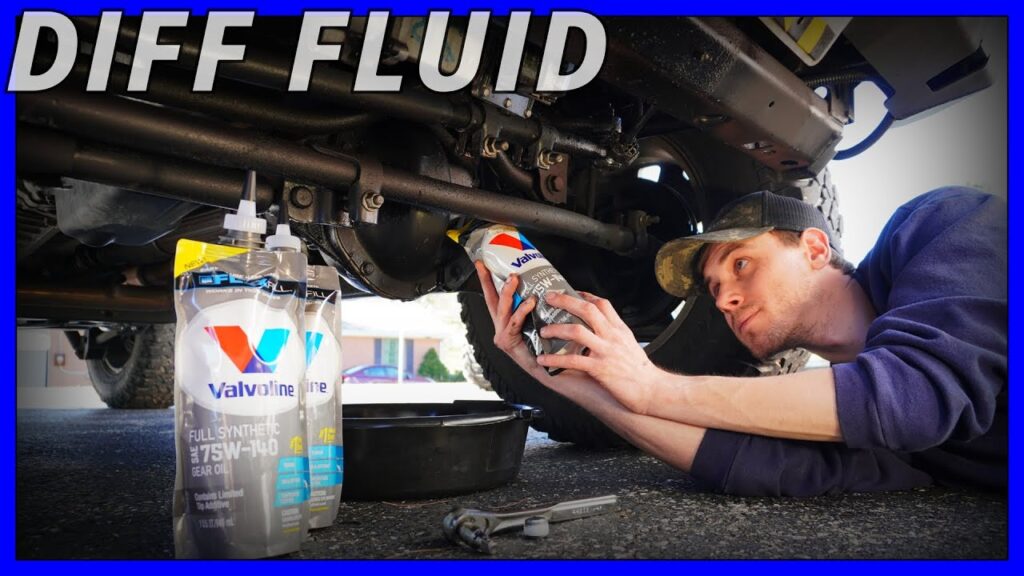
Valvoline Full Synthetic Gear Oil
Valvoline is a popular choice among Jeep enthusiasts because it offers excellent wear protection and thermal stability at a competitive price.
Pros
Strong protection against wear
Excellent resistance to oxidation
Widely available
Good value for money
Cons
Always verify the correct viscosity before purchasing
Mobil 1 Synthetic Gear Lubricant
Mobil 1 synthetic gear oil is designed for high performance applications and performs exceptionally well in both hot and cold climates.
Pros
Outstanding thermal stability
Excellent cold weather performance
Long service life
Suitable for demanding off road use
Cons
Slightly higher cost than conventional gear oils
Royal Purple Max Gear
Royal Purple Max Gear is a premium synthetic lubricant known for its extreme pressure protection and smooth performance.
Pros
Excellent film strength
High resistance to heat
Often includes friction modifier for limited slip differentials
Cons
Premium pricing
Availability may vary by region
Lucas Synthetic Gear Oil
Lucas produces heavy duty gear oils that are especially popular among Jeep owners who frequently tow or drive off road.
Pros
Excellent protection under heavy loads
Strong resistance to heat and wear
Suitable for severe duty applications
Cons
May not be necessary for light daily driving
How to Choose the Right Gear Oil
Before purchasing differential fluid, verify the following information.
Confirm the correct viscosity specified by Jeep.
Ensure the product meets the required API GL5 performance standard.
Determine whether your axle uses a limited slip differential.
Check whether a friction modifier is required.
Purchase enough gear oil to fill both the front and rear differentials if servicing them at the same time.
While premium synthetic lubricants generally cost more than conventional oils, the additional expense is minimal compared with the cost of replacing gears, bearings, or an entire differential assembly. Investing in the correct gear oil is one of the simplest ways to maximize the reliability and lifespan of your Jeep’s drivetrain.
Tools You’ll Need
Before starting a Jeep differential fluid change, gather all the necessary tools and supplies. Having everything within reach will make the job faster, cleaner, and safer. While the exact equipment may vary depending on your Jeep model and axle design, the following items are commonly required.
Socket Set and Ratchet
A quality socket set is essential for removing the differential cover bolts, drain plug, or fill plug. Jeep differentials may use different bolt sizes depending on the axle type, so check your service manual before beginning.
Torque Wrench
Using a torque wrench ensures that all bolts are tightened to the manufacturer’s specifications. Over tightening can damage the differential cover or strip the threads, while under tightening may result in leaks.
Fluid Transfer Pump
Most differential housings do not allow you to pour gear oil directly from the bottle. A hand pump or fluid transfer pump makes filling the differential much easier and minimizes spills.
Drain Pan
Gear oil has a strong odor and can create a mess if it spills onto the floor. Position a large drain pan beneath the differential before removing the cover or drain plug.
Brake Cleaner
Brake cleaner is useful for removing old gear oil, dirt, and grease from the differential housing and cover. Clean mating surfaces help ensure a proper seal after reassembly.
Gasket Scraper or Plastic Razor Blade
If your Jeep uses a gasket or RTV sealant, remove all old sealing material before installing the cover. A clean, smooth surface is critical for preventing leaks.
RTV Silicone Sealant or Replacement Gasket
Some Jeep axles use reusable gaskets, while others require RTV silicone sealant. Always use a high quality product that is designed for differential housings and gear oil exposure.
Shop Towels or Lint Free Rags
Clean rags are useful for wiping the housing, cleaning bolts, and inspecting the old fluid for contamination.
Protective Gloves
Gear oil has a strong sulfur smell and can be difficult to remove from your skin. Nitrile gloves help keep your hands clean while providing protection against chemicals.
Safety Glasses
Old gear oil, dirt, and debris may fall when the differential cover is removed. Safety glasses protect your eyes throughout the repair.
Floor Jack and Jack Stands
If additional clearance is required, lift the Jeep with a quality floor jack and always support it securely using jack stands placed beneath the frame or axle. Never rely solely on a hydraulic jack while working underneath the vehicle.
Wheel Chocks
Wheel chocks help prevent the Jeep from rolling while it is raised. Place them behind the wheels that remain on the ground before lifting the vehicle.
Optional Inspection Tools
Some experienced mechanics also recommend keeping the following items nearby.
An inspection light for better visibility.
A magnetic pickup tool in case hardware is dropped.
A digital thermometer to measure housing temperature after a test drive.
A service manual specific to your Jeep model.
Preparing all tools before you begin helps reduce mistakes and keeps the entire Jeep differential fluid change organized from start to finish.
Jeep Differential Fluid Change Step by Step
Changing the differential fluid is a straightforward maintenance procedure when performed carefully. Follow each step in order to ensure proper lubrication and avoid contamination.
Step 1. Park the Vehicle Safely
Park your Jeep on a level surface and engage the parking brake. If necessary, raise the vehicle using a floor jack and support it securely with jack stands. Make sure the vehicle is stable before working underneath it.
If you have recently driven the Jeep, allow the differential to cool for several minutes. Warm gear oil drains more easily, but extremely hot components can cause burns.
Step 2. Locate the Fill Plug
Always remove the fill plug before draining the old fluid.
This simple step prevents an unpleasant surprise. If the fill plug is seized and you have already drained the differential, you will not be able to refill it until the plug is removed.
Use the correct socket or hex key to loosen the fill plug. Leave it in place until you are ready to refill the housing.
Step 3. Drain the Old Differential Fluid
Some Jeep axles include a dedicated drain plug, while others require removal of the differential cover.
If your axle uses a cover, loosen the lower bolts first while leaving the top bolts partially installed. Carefully pry the cover away from the housing to allow the old gear oil to drain slowly into the drain pan.
Once most of the oil has drained, remove the remaining bolts and lift off the cover.
Step 4. Inspect the Old Fluid
Carefully examine the drained gear oil.
Healthy used oil will normally appear dark but should not contain large metal fragments.
Look for the following warning signs.
Large metal particles.
Chunks of broken gear teeth.
Milky or cloudy fluid indicating water contamination.
Burnt smell caused by overheating.
Excessive sludge.
Finding a small amount of fine metallic paste on the magnetic drain plug is generally considered normal. Large flakes or sharp fragments may indicate internal damage.
Step 5. Clean the Differential Housing
Spray brake cleaner inside the housing to remove old oil and debris.
Wipe the interior using lint free towels.
Clean the differential cover thoroughly.
Remove all traces of the old gasket or RTV sealant from both mating surfaces.
Take extra care not to allow dirt or gasket material to fall inside the gears.
Step 6. Inspect Internal Components
Rotate the ring gear slowly by turning the driveshaft or wheel if appropriate.
Inspect the gears for abnormal wear, chipped teeth, discoloration, scoring, or excessive play.
Also examine the bearings, axle seals, and vent tube for signs of damage or leakage.
This inspection provides an excellent opportunity to identify potential problems before they become expensive repairs.
Step 7. Install the Differential Cover
If your Jeep uses RTV sealant, apply a continuous bead around the entire sealing surface according to the manufacturer’s instructions.
If a replacement gasket is used, position it carefully before installing the cover.
Install all bolts by hand to prevent cross threading.
Tighten the bolts gradually using a crisscross pattern until they reach the specified torque value.
Step 8. Refill with New Gear Oil
Insert the hose from the fluid transfer pump into the fill hole.
Pump the recommended gear oil into the differential until the fluid reaches the bottom edge of the fill opening.
If your differential requires a friction modifier, add it according to the manufacturer’s instructions unless it is already included in the gear oil.
Avoid overfilling the housing because excessive fluid may foam during operation.
Step 9. Reinstall the Fill Plug
Clean the fill plug threads before reinstalling it.
Tighten the plug using the correct torque specification.
Wipe away any excess gear oil around the housing.
Step 10. Test Drive and Inspect
Drive the Jeep for approximately ten to fifteen minutes.
Listen for abnormal noises and verify smooth operation.
After the test drive, inspect the differential housing for leaks around the cover, drain plug, and fill plug.
If no leaks are present, the Jeep differential fluid change is complete.
Common Mistakes to Avoid
Even experienced DIY mechanics occasionally make mistakes during a differential fluid service. Avoiding the following errors can help protect your Jeep’s drivetrain and prevent unnecessary repairs.
Using the Wrong Gear Oil
One of the most common mistakes is selecting an incorrect viscosity or specification.
Always use the gear oil recommended for your specific Jeep axle.
Using transmission fluid, engine oil, or an incorrect gear lubricant can lead to premature gear wear and overheating.
Forgetting the Fill Plug Test
Never drain the differential before confirming that the fill plug can be removed.
A seized fill plug can leave the vehicle unusable if the housing has already been emptied.
Overfilling the Differential
Adding too much gear oil can increase internal pressure and cause leaks or foaming.
Fill only until the oil reaches the bottom of the fill opening unless your service manual specifies a different procedure.
Underfilling the Housing
Low fluid levels reduce lubrication and increase operating temperatures.
Always verify the correct fluid level before reinstalling the fill plug.
Skipping Surface Cleaning
Old gasket material, dirt, or oil residue can prevent the differential cover from sealing properly.
Take the time to clean both mating surfaces thoroughly before reassembly.
Applying Too Much RTV Sealant
Excess RTV can squeeze into the differential housing and circulate through the gears.
Apply only the recommended bead thickness according to the sealant manufacturer’s instructions.
Ignoring Torque Specifications
Bolts that are too loose may leak.
Bolts that are too tight may warp the cover or strip the threads.
Always tighten hardware using a calibrated torque wrench.
Forgetting the Friction Modifier
Some limited slip differentials require a friction modifier.
Without it, the clutch packs may chatter or bind during turns.
Verify whether your chosen synthetic gear oil already includes this additive.
Failing to Inspect the Old Fluid
Simply draining and replacing the oil without examining its condition may allow serious mechanical issues to go unnoticed.
Always inspect the old fluid for water contamination, excessive metal particles, burnt odor, or abnormal discoloration.
Neglecting Regular Maintenance
A Jeep differential fluid change is not a one time service.
Following the recommended maintenance schedule is one of the most effective ways to maximize drivetrain reliability, improve off road performance, and avoid costly repairs in the future.
DIY vs Professional Jeep Differential Fluid Change
Many Jeep owners wonder whether they should change the differential fluid themselves or leave the job to a professional mechanic. The answer depends on your mechanical experience, available tools, and confidence working underneath a vehicle.
A DIY Jeep differential fluid change is an excellent project for owners who enjoy maintaining their own vehicles. The procedure is relatively straightforward, requires only basic hand tools, and can save a significant amount of money in labor costs. It also gives you the opportunity to inspect the gears, bearings, seals, and old gear oil for signs of wear before serious problems develop.
However, if you are unfamiliar with drivetrain components or do not have the necessary equipment, having the service performed by a qualified technician may provide additional peace of mind.
Advantages of DIY
Lower overall maintenance cost.
Ability to inspect the differential during service.
Opportunity to use your preferred gear oil.
Greater understanding of your Jeep’s drivetrain.
Convenient scheduling without waiting for a repair appointment.
Disadvantages of DIY
Requires proper tools and safety equipment.
Gear oil has a strong odor and can be messy.
Incorrect installation may lead to leaks.
Mistakes such as using the wrong lubricant or improper torque can damage the differential.
Advantages of Professional Service
Performed by trained technicians.
Access to specialized tools and factory service information.
Inspection of related drivetrain components.
Warranty on labor from many repair facilities.
Reduced risk of installation errors.
Disadvantages of Professional Service
Higher labor costs.
Appointment scheduling may be required.
Some shops may recommend additional services that are not immediately necessary.
Which Option Is Right for You?
A DIY differential fluid change is ideal if you have basic mechanical skills, enjoy routine maintenance, and own the proper tools.
Professional service is often the better choice if your Jeep has electronic locking differentials, unusual axle configurations, existing drivetrain problems, or if you simply prefer the confidence of experienced technicians.
Regardless of who performs the service, using the correct gear oil and following the recommended maintenance schedule are the most important factors in protecting your differential.
Jeep Differential Fluid Change Cost
The cost of a Jeep differential fluid change varies depending on your Jeep model, axle type, geographic location, and whether you perform the service yourself or hire a professional.
Compared with replacing damaged differential gears or bearings, routine fluid maintenance is one of the most affordable ways to protect your drivetrain.
The following estimates reflect typical prices in the United States.
| Service | Estimated Cost |
|---|---|
| DIY Front Differential | $30 to $70 |
| DIY Rear Differential | $35 to $80 |
| DIY Front and Rear Together | $70 to $150 |
| Independent Repair Shop | $120 to $250 |
| Jeep Dealership | $180 to $350 |
Several factors influence the final price.
Gear Oil
Premium synthetic gear oils typically cost more than conventional products but provide better protection under heavy loads and extreme temperatures.
Axle Type
Heavy duty Dana 44 or Dana 60 axles may require additional fluid or specialized lubricants, increasing the total cost.
Limited Slip Additive
Some limited slip differentials require a friction modifier, which may add a small additional expense if it is not already included in the gear oil.
Gasket or RTV Sealant
Replacing the differential cover gasket or purchasing RTV silicone sealant represents a minor cost but is essential for preventing leaks.
Labor Rates
Repair shop labor rates vary significantly depending on your location. Urban dealerships generally charge more than independent repair facilities.
Although professional service costs more, routine maintenance is far less expensive than replacing a damaged differential. Depending on the Jeep model, a complete differential rebuild can easily exceed one thousand dollars, while replacing an entire axle assembly may cost several thousand dollars.
Performing a Jeep differential fluid change at the recommended intervals is one of the best investments you can make in the long term reliability of your vehicle.
Frequently Asked Questions
How often should I change my Jeep differential fluid?
For normal driving, most Jeep owners should replace the differential fluid every 30,000 to 60,000 miles. Vehicles used for frequent off road driving, towing, or water crossings should be serviced more often.
Can I use synthetic gear oil?
Yes. High quality synthetic gear oil is recommended for many Jeep models because it provides superior protection against heat, wear, and oxidation. Always verify that the oil meets the specifications listed in your owner’s manual.
Is differential fluid the same as transfer case fluid?
No. These fluids serve different purposes and often have completely different specifications.
Differential fluid is a heavy gear oil designed to protect gears and bearings inside the axle.
Transfer case fluid is usually a specialized lubricant specified by the vehicle manufacturer.
They should never be substituted for one another.
Can I mix different brands of gear oil?
Although mixing products that meet the same specification is sometimes possible, it is generally recommended to use a single brand and viscosity throughout the service.
If changing brands, draining the old fluid completely is the best practice.
What happens if I never change the differential fluid?
Old gear oil gradually loses its protective additives and becomes contaminated with metal particles and moisture.
Ignoring routine maintenance can result in excessive gear wear, bearing failure, overheating, noisy operation, poor performance, and extremely expensive repairs.
How long does a Jeep differential fluid change take?
An experienced DIY mechanic typically completes the job in approximately one to two hours.
Professional repair shops often require a similar amount of labor time, although total service time depends on shop scheduling.
Should I change both differentials at the same time?
Yes. Servicing both the front and rear differentials during the same maintenance interval helps ensure consistent protection throughout the drivetrain and reduces future maintenance visits.
What are the symptoms of low differential fluid?
Common symptoms include whining noises, grinding sounds, vibrations, gear overheating, fluid leaks, and poor performance while turning or driving off road.
These warning signs should be inspected immediately to prevent additional damage.
Conclusion
A Jeep differential fluid change is one of the most valuable maintenance procedures you can perform to protect your vehicle’s drivetrain. Although it is often overlooked, clean differential fluid plays a critical role in reducing friction, controlling heat, preventing corrosion, and extending the life of expensive internal components such as the ring gear, pinion gear, bearings, and axle assemblies.
Whether you drive a Jeep Wrangler, Gladiator, Cherokee, Grand Cherokee, Compass, or another model, following the recommended service intervals can help prevent unexpected breakdowns and costly repairs. This is especially important if your Jeep regularly tackles challenging off road trails, deep water crossings, heavy towing, or other severe driving conditions that place additional stress on the differential.
If you enjoy working on your own vehicle, a DIY Jeep differential fluid change can save money while giving you the opportunity to inspect your drivetrain for early signs of wear. If you prefer professional maintenance, scheduling regular differential service is still a relatively inexpensive investment compared with the cost of replacing a damaged differential.
By choosing the correct gear oil, using the proper fluid capacity, inspecting the old lubricant carefully, and following the procedures outlined in this guide, you can maximize the reliability, performance, and longevity of your Jeep for many years to come.
If you have questions about your specific Jeep model, axle type, or recommended gear oil, leave a comment below. Sharing your maintenance experience can also help other Jeep owners keep their vehicles performing at their best both on the road and on the trail.