Valvoline is a good motor oil brand for many vehicles. It provides engine protection, smooth lubrication, and products for different driving needs. The brand offers full synthetic oil, high mileage oil, and conventional oil for various engine types.
Choosing engine oil requires more than selecting a famous brand. Drivers need to check several factors. These include wear protection, temperature performance, oil stability, and vehicle requirements. The right oil reduces friction, protects engine parts, and helps maintain engine performance.
Valvoline focuses on engine protection through advanced oil formulations and additive technology. These features help control deposits, reduce wear, and support engine cleanliness. However, the best oil choice depends on the vehicle model, driving conditions, mileage, and manufacturer specifications.
This review explains whether Valvoline oil is good by analyzing its performance, protection, product options, and overall value. It also explains which drivers can benefit most from using Valvoline motor oil.
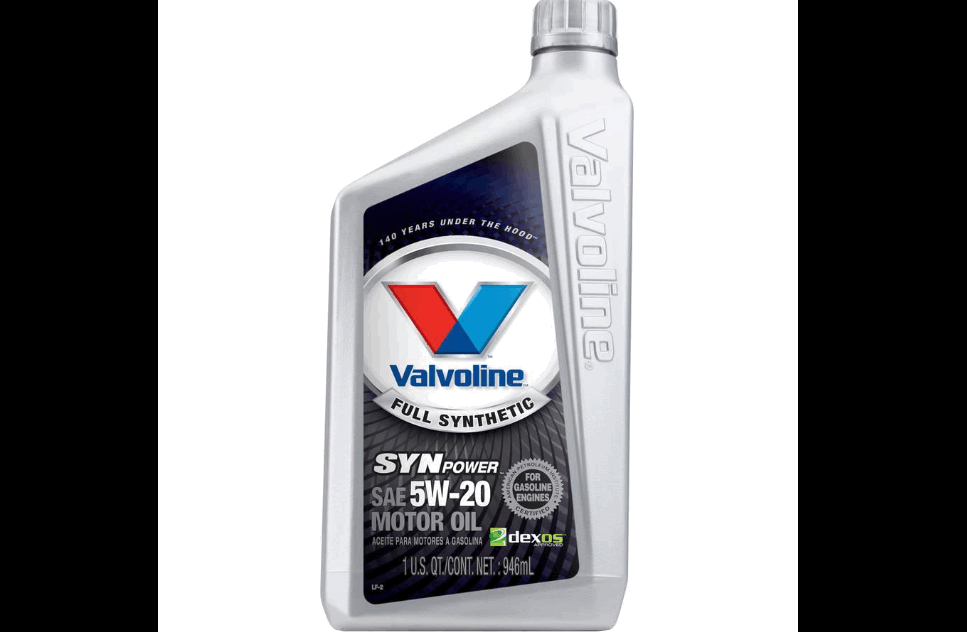
Is Valvoline Good Oil for Your Engine?
Valvoline is good oil for many engines because it provides reliable lubrication, wear protection, and protection against harmful deposits. The quality of engine oil depends on how well it supports engine components during different operating conditions. Valvoline develops motor oils with specific formulations that help maintain engine performance during cold starts, daily driving, and high temperature operation.
Engine oil works by creating a protective layer between moving metal components inside the engine. This layer reduces direct contact between parts such as pistons, bearings, and camshafts. Less friction helps reduce mechanical wear and allows the engine to operate more efficiently over time. Valvoline oil supports this process through base oil technology and performance additives that improve lubrication stability.
One important factor that makes Valvoline motor oil effective is its ability to protect engines from wear. During operation, engine components experience constant movement and high pressure. Without proper lubrication, these conditions can accelerate damage to internal parts. Valvoline oil helps maintain a stable oil film that protects critical engine areas during regular and demanding driving situations.
Valvoline also focuses on controlling sludge and deposits. Engine oil breaks down over time because of heat, oxidation, and contamination from combustion byproducts. These contaminants can create deposits that affect engine cleanliness and performance. Valvoline formulations use detergent and dispersant additives to help keep unwanted materials suspended and reduce deposit formation.
The right Valvoline oil can also support different vehicle requirements because the brand produces multiple oil categories. Modern vehicles often require synthetic oil with specific viscosity grades, while older vehicles may need high mileage formulations. Selecting the correct Valvoline product based on the vehicle manufacturer’s recommendation helps the engine receive the protection it needs.
Overall, Valvoline is a strong choice for drivers who need dependable engine protection and consistent lubrication performance. However, the best results depend on choosing the correct oil type, viscosity, and specification for each vehicle.
What Are the Main Benefits of Valvoline Motor Oil?
Valvoline motor oil provides several benefits that support engine performance, cleanliness, and long term reliability. The main advantages come from its ability to reduce wear, control deposits, and maintain lubrication under different driving conditions. These factors determine how effectively engine oil protects internal components.
One major benefit of Valvoline oil is engine wear protection. Engine parts move at high speeds and operate under significant pressure during combustion. Without proper lubrication, metal surfaces can create friction that accelerates wear. Valvoline oil helps reduce this friction by maintaining a protective barrier between moving components. This protection helps important engine parts, including pistons, bearings, and camshafts, operate smoothly.
Another benefit is sludge and deposit control. Engine oil collects contaminants during operation, including combustion byproducts and particles from normal engine activity. Over time, these materials can create sludge that affects oil flow and engine cleanliness. Valvoline uses cleaning additives that help prevent deposits from building up inside the engine. Cleaner engine components can maintain better oil circulation and more consistent performance.
Valvoline oil also performs well under high temperature conditions. Engines generate extreme heat during operation, especially during long drives, heavy loads, or high speed conditions. Low quality oil can break down when exposed to excessive heat, which reduces its ability to protect engine parts. Valvoline formulations help maintain oil stability and lubrication performance when temperatures increase.
Different Valvoline products provide specific benefits for different vehicles. Full synthetic oils focus on advanced protection and performance for modern engines. High mileage oils target older vehicles that require additional support for aging engine components. Conventional oils provide a practical option for vehicles with basic lubrication requirements.
Overall, Valvoline motor oil delivers benefits that match the main needs of engine maintenance. It helps reduce friction, control deposits, and maintain protection across different driving conditions. However, drivers should always select the correct oil type and viscosity based on their vehicle specifications.
Which Valvoline Oil Type Should You Choose for Your Vehicle?
Choosing the right Valvoline oil depends on the vehicle type, engine condition, driving habits, and manufacturer requirements. Valvoline offers different motor oil formulations because engines have different lubrication needs. Selecting the correct oil type helps maintain engine performance and provides the protection level that the vehicle requires.
Valvoline Full Synthetic Oil is designed for drivers who want advanced engine protection and consistent performance. Synthetic oil uses refined base oils and advanced additives that help maintain stability under high temperatures and demanding driving conditions. Many modern vehicles require synthetic oil because manufacturers design newer engines with tighter tolerances and higher efficiency standards.
Valvoline High Mileage Oil is developed for vehicles with higher mileage and older engine components. Engines with higher mileage may experience increased wear, oil consumption, or aging seals. This type of oil includes additives that support older engines by helping maintain lubrication and reducing common problems associated with long term use. It is often suitable for vehicles that have reached significant mileage levels and need additional protection.
Valvoline Conventional Oil remains an option for drivers who own older vehicles with simpler engine requirements. Conventional oil uses traditional base oil technology and can provide effective lubrication when it matches the vehicle specification. However, many newer vehicles now require synthetic formulations because of their performance requirements and manufacturer recommendations.
Drivers should always check the owner’s manual before selecting Valvoline oil. The recommended viscosity grade, such as 0W-20 or 5W-30, plays an important role in engine performance. Using the wrong viscosity can affect lubrication efficiency, especially during cold starts or extreme operating temperatures.
The best Valvoline oil is not the most expensive option. It is the product that matches the engine design, mileage, and driving conditions. A properly selected oil allows the engine to receive the protection and lubrication it needs throughout its service life.
How Does Valvoline Compare With Other Motor Oil Brands?
Valvoline competes with major motor oil brands by focusing on engine protection, product variety, and application specific formulations. Brands such as Mobil 1, Castrol, and Pennzoil also produce high quality motor oils, so the best choice depends on the vehicle requirements and the performance features that drivers value most.
Valvoline and Mobil 1 both offer synthetic motor oils designed for modern engines. Mobil 1 has a strong reputation for advanced synthetic technology and performance in demanding conditions. Valvoline also provides synthetic formulations that focus on wear protection, deposit control, and long term engine cleanliness. The difference between these brands often depends on product selection, price, availability, and the specific requirements of the vehicle.
Valvoline and Castrol provide a wide range of motor oils for different driving situations. Castrol is known for products that target engine cleanliness and high temperature protection. Valvoline focuses on similar performance areas while offering specialized products such as High Mileage Oil and Advanced Full Synthetic Oil. Both brands provide options for drivers with different engine ages and maintenance needs.
Compared with Pennzoil, Valvoline also competes in the synthetic oil market with products designed for fuel efficiency and engine protection. Pennzoil uses different base oil technology, while Valvoline emphasizes additive performance and protection against wear and deposits. The final choice depends on the oil specification recommended by the vehicle manufacturer.
Brand comparison should not focus only on popularity or marketing claims. Engine compatibility, oil viscosity, certification standards, and driving conditions are more important factors. A properly matched Valvoline product can provide similar protection levels to other premium motor oils when it meets the required vehicle specifications.
Overall, Valvoline is competitive with other leading motor oil brands because it offers reliable protection, multiple product options, and formulations for different engine needs. The best motor oil is the one that matches the engine’s requirements rather than simply choosing the most recognized brand.
How Long Does Valvoline Oil Last Before an Oil Change?
The lifespan of Valvoline oil depends on the oil type, vehicle requirements, driving conditions, and maintenance schedule. There is no single oil change interval that applies to every vehicle. Drivers should follow the recommendation from the vehicle manufacturer because engine design and operating conditions determine how long the oil can maintain its protective properties.
Valvoline full synthetic oil usually lasts longer than conventional oil because synthetic formulations resist heat breakdown and oxidation more effectively. Modern synthetic oils can often support extended oil change intervals when the vehicle manufacturer approves longer service periods. However, drivers should not extend oil changes beyond the recommended interval because old oil can lose its ability to protect engine components.
Driving conditions also affect how quickly engine oil degrades. Frequent short trips, heavy traffic, extreme temperatures, towing, and aggressive driving create more stress on engine oil. These conditions increase heat exposure and contamination, which can reduce oil performance over time. Vehicles that operate under severe conditions may require more frequent oil changes compared with vehicles used for regular highway driving.
The correct oil viscosity and specification also influence oil performance. For example, a vehicle that requires 0W-20 oil should use that specific grade rather than a different viscosity. Using the recommended oil helps maintain proper lubrication during cold starts, normal operation, and high temperature conditions.
Drivers can also monitor warning signs that indicate oil service may be needed. These signs include dark or dirty oil, increased engine noise, reduced fuel efficiency, or an oil change reminder from the vehicle system. Regular oil changes help maintain engine cleanliness and ensure that Valvoline oil continues to provide effective protection.
Valvoline oil can provide reliable performance for many miles when drivers select the correct product and follow proper maintenance schedules. The oil change interval should always match the vehicle manufacturer’s guidance rather than relying only on the oil brand name.
What Are the Possible Disadvantages of Using Valvoline Oil?
Valvoline oil provides reliable engine protection, but it also has some limitations that drivers should consider before choosing a product. A good motor oil is not only about brand reputation. It must match the engine requirements, driving conditions, and maintenance expectations of each vehicle.
One possible disadvantage of Valvoline oil is the price difference between product categories. Premium options such as full synthetic and extended protection oils usually cost more than conventional motor oils. Drivers who own older vehicles with simple lubrication requirements may not always need the highest priced formulation. Choosing a more advanced oil without considering the vehicle specification can increase maintenance costs without providing additional benefits.
Another limitation is that not every Valvoline product fits every engine. Different vehicles require specific viscosity grades and performance standards. For example, an engine designed for 0W-20 oil may not perform optimally with a different viscosity grade. Using the wrong oil type can affect lubrication efficiency and may reduce the protection level that the engine needs.
Valvoline oil also cannot solve existing engine problems. Motor oil helps prevent wear and maintain lubrication, but it cannot repair damaged engine components, severe leaks, or mechanical failures. Drivers should understand that quality oil supports engine health but does not replace proper vehicle maintenance or necessary repairs.
Some drivers may also find it difficult to choose between different Valvoline products. The brand offers multiple options, including full synthetic, high mileage, and conventional formulations. Without checking the owner’s manual or understanding engine requirements, selecting the wrong product can create confusion.
Overall, Valvoline oil has few disadvantages when users choose the correct formulation for their vehicle. The main challenges involve product selection, cost, and understanding the specific needs of the engine. Proper research and following manufacturer recommendations help drivers receive the expected benefits from Valvoline motor oil.
Is Valvoline Oil Worth Buying for Your Vehicle?
Valvoline oil is worth buying for many vehicle owners because it provides dependable engine protection, strong lubrication performance, and product options for different driving needs. The brand offers solutions for modern engines, older vehicles, and drivers who need specific protection levels based on mileage and operating conditions.
The value of Valvoline oil depends on choosing the correct formulation for the vehicle. Drivers with newer engines may benefit from full synthetic options that provide stable performance under high temperatures and demanding conditions. Owners of older vehicles may prefer high mileage formulations that support aging engine components. The right viscosity grade and oil specification remain more important than choosing a brand name alone.
Valvoline is a strong choice for drivers who want a trusted motor oil with a focus on wear protection, deposit control, and engine cleanliness. However, no motor oil can replace regular maintenance or correct mechanical problems. Following the manufacturer’s recommendations and maintaining proper oil change intervals are essential for long term engine performance.
Overall, Valvoline provides the qualities that most drivers expect from a reliable motor oil. It offers balanced protection, product variety, and performance features that make it suitable for many vehicles. Drivers should evaluate their engine requirements and driving conditions before selecting the best Valvoline product for their vehicle.