An oil change at Express Oil Change depends on three main factors. These factors include the oil type, vehicle requirements, and selected services. Customers often check the price before visiting a service center. However, the final cost changes based on the engine size, oil capacity, and recommended oil for the vehicle.
Express Oil Change offers several oil change options for different vehicle needs. Conventional oil, synthetic blend oil, and full synthetic oil have different prices. Each option provides different levels of engine protection, performance, and maintenance intervals. Vehicle owners should choose the oil type based on manufacturer recommendations and driving conditions.
This guide explains the cost of an oil change at Express Oil Change. It also covers the factors that affect pricing, the services included in the visit, and ways to choose the right maintenance option. Understanding these details helps drivers avoid unnecessary expenses while keeping their engines properly maintained.
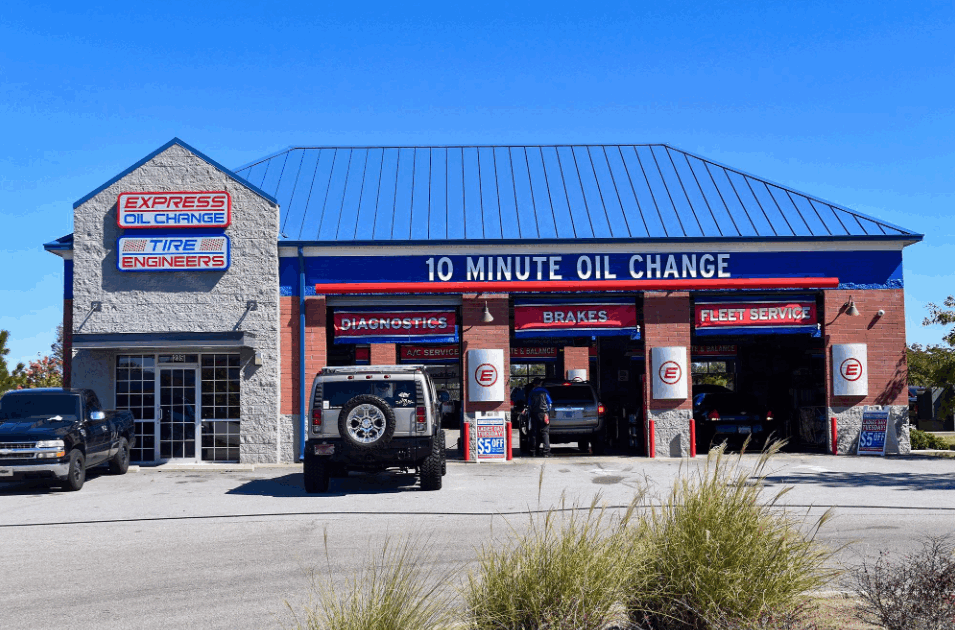
How Much Does an Oil Change Cost at Express Oil Change?
An oil change at Express Oil Change usually costs between $40 and $100, depending on the vehicle type, oil selection, and service requirements. The final price changes because each vehicle requires a different amount and type of engine oil. A small sedan with a standard oil requirement usually costs less than a large SUV or truck that needs more oil and a higher performance oil type.
The oil type creates one of the biggest price differences. Conventional oil is usually the most affordable option because it uses a traditional refining process and works well for many older vehicles. Synthetic blend oil costs more because it combines conventional oil with synthetic components that provide better protection. Full synthetic oil has the highest price because it offers improved engine performance, better temperature resistance, and longer service intervals for vehicles that require advanced lubrication.
Express Oil Change pricing also depends on the amount of oil needed for the engine. Most passenger cars use around five quarts of oil, while larger vehicles may require more. A vehicle with a larger engine needs additional oil, which increases the material cost of the service. Manufacturers also recommend specific oil grades and specifications, which can affect the available service options and final price.
The total cost of an oil change includes more than replacing old engine oil. Many customers also consider the convenience, speed, and additional maintenance checks provided during the visit. Understanding these pricing factors helps vehicle owners choose the right oil change service based on their vehicle needs and maintenance budget.
What Factors Affect the Cost of an Express Oil Change?
The cost of an Express Oil Change depends on several factors that influence the materials, labor, and service requirements. The three main factors include the type of oil, the vehicle specifications, and the amount of oil required by the engine. Understanding these factors helps customers predict the expected price before choosing an oil change service.
The type of engine oil has the biggest impact on the final cost. Conventional oil usually has the lowest price because it provides basic engine lubrication for vehicles with standard requirements. Synthetic blend oil costs more because it combines conventional oil with synthetic technology to improve protection and performance. Full synthetic oil has a higher price because it provides stronger resistance to heat, better engine protection, and longer performance under demanding driving conditions.
The vehicle type also affects the cost of an oil change. Cars, SUVs, and trucks have different engine designs and oil requirements. Larger vehicles often need more oil, which increases the material cost. Some vehicles also require specific oil grades recommended by the manufacturer. These requirements affect the available oil options and the total service price.
The engine oil capacity creates another price difference between vehicles. A compact car may need fewer quarts of oil, while a truck with a larger engine may require eight or more quarts. Since oil quantity directly affects the amount of material used during the service, vehicles with higher oil capacity usually have higher oil change costs.
Additional services can also increase the final price. Some customers choose extra maintenance services during an oil change visit, such as filter replacement or vehicle inspections. These services provide additional value but may change the total amount paid. Knowing which services your vehicle needs helps you select an appropriate oil change package without unnecessary costs.
What Services Are Included in an Express Oil Change?
An Express Oil Change service includes more than replacing old engine oil. The service focuses on maintaining proper engine lubrication and checking important vehicle components. These included services help drivers protect engine performance and identify possible maintenance issues before they become larger problems.
The main service includes draining used engine oil and adding new oil that matches the vehicle’s requirements. Fresh engine oil helps reduce friction between moving engine parts and supports smoother engine operation. The service also commonly includes replacing the oil filter because an old filter can collect contaminants and reduce the effectiveness of the lubrication system.
Express Oil Change services may also include basic vehicle checks during the maintenance visit. Technicians inspect important fluids and vehicle components to identify conditions that may require future attention. These checks help customers understand the overall condition of their vehicle instead of focusing only on the oil replacement.
The value of an oil change service comes from combining maintenance, inspection, and convenience. Regular oil changes help maintain engine efficiency and support long term vehicle reliability. A complete service visit allows drivers to handle routine maintenance tasks at the same time and reduce the risk of unexpected engine problems.
Customers should understand which services are included in their selected oil change package. Some maintenance recommendations may be optional and depend on the vehicle’s condition, mileage, and manufacturer requirements. Choosing services based on actual vehicle needs helps drivers receive proper maintenance while controlling costs.
What Types of Oil Can You Choose at Express Oil Change?
Express Oil Change provides different engine oil options to match various vehicle requirements and driving conditions. The three common oil types include conventional oil, synthetic blend oil, and full synthetic oil. Each option has different characteristics, performance levels, and price points.
Conventional oil is the basic option for vehicles that do not require advanced engine protection. This oil type comes from refined crude oil and provides standard lubrication for everyday driving. Many older vehicles and vehicles with regular maintenance schedules can use conventional oil when it matches the manufacturer’s recommendations. It usually has the lowest cost because it requires less advanced processing.
Synthetic blend oil combines conventional oil with synthetic components to provide improved protection compared with standard oil. This option creates a balance between cost and performance. Drivers who want better resistance to heat, improved engine protection, and reasonable pricing often choose synthetic blend oil. It works well for vehicles that experience regular commuting, moderate driving conditions, or higher mileage.
Full synthetic oil provides the highest level of performance among common oil options. Manufacturers often recommend this oil for modern engines that require advanced lubrication technology. Full synthetic oil performs better under extreme temperatures, reduces engine wear, and supports longer oil change intervals when approved for the vehicle. Its higher price reflects the additional protection and performance benefits.
Choosing the right oil type depends on the vehicle manufacturer’s specifications, driving habits, and maintenance goals. A higher priced oil does not always provide additional value if the vehicle does not require it. Selecting the correct oil option helps maintain engine performance while keeping maintenance costs appropriate.
How Often Should You Get an Oil Change at Express Oil Change?
The recommended oil change interval depends on the vehicle model, oil type, driving conditions, and manufacturer guidelines. Modern vehicles often require oil changes between 5,000 and 7,500 miles when using synthetic oil, while some vehicles with advanced engines can travel longer distances between services. Drivers should always check the owner’s manual because each manufacturer provides specific maintenance recommendations.
The type of oil affects how often a vehicle needs an oil change. Conventional oil usually requires more frequent replacement because it does not provide the same level of long term protection as synthetic options. Synthetic blend and full synthetic oils often support longer service intervals because they resist heat breakdown and maintain lubrication performance for a longer period.
Driving conditions also influence oil change frequency. Vehicles that experience severe conditions need more frequent maintenance. Examples include frequent short trips, heavy towing, stop and go traffic, extreme temperatures, and dusty environments. These conditions create additional stress on the engine and can reduce the effective lifespan of engine oil.
Regular oil changes at Express Oil Change help maintain engine performance and prevent problems caused by old or contaminated oil. Engine oil loses its ability to protect moving components when it becomes degraded over time. Following a consistent maintenance schedule helps reduce engine wear, improve reliability, and support long term vehicle performance.
Vehicle owners should avoid changing oil based only on a general schedule. The correct interval depends on the vehicle’s specific requirements and usage patterns. Choosing the right maintenance timing ensures the engine receives proper protection without creating unnecessary service expenses.
How Can You Save Money on an Express Oil Change?
Saving money on an Express Oil Change starts with choosing the right service for your vehicle instead of selecting the most expensive option. The correct oil type should match the manufacturer’s recommendation and your driving needs. Paying for premium oil does not always provide additional benefits if your vehicle does not require that specific formulation.
Using available promotions and service offers is another effective way to reduce oil change expenses. Automotive service providers often offer discounts, coupons, or seasonal promotions that lower the total maintenance cost. Checking available offers before scheduling a service can help drivers receive the same maintenance benefits at a lower price.
Maintaining a regular oil change schedule can also reduce long term vehicle costs. Delaying an oil change may cause old oil to lose its protective properties, which increases engine wear over time. Preventive maintenance helps avoid expensive repairs by keeping engine components properly lubricated and operating efficiently.
Drivers can also save money by understanding which additional services their vehicle actually needs. Technicians may recommend extra maintenance based on vehicle condition, mileage, or inspection results. These services can provide value, but customers should choose them based on their vehicle requirements rather than adding unnecessary options.
Comparing service packages and understanding the included benefits helps customers make better decisions. A lower upfront price is not always the best choice if it excludes important maintenance steps. Selecting the right oil type, following the recommended schedule, and using available savings opportunities create a balanced approach to affordable vehicle maintenance.
Is an Oil Change at Express Oil Change Worth the Cost?
An oil change at Express Oil Change is worth the cost for drivers who value convenience, regular maintenance, and professional service. The main benefit of an oil change is not only replacing old oil but also protecting the engine from excessive friction, heat damage, and long term wear. Proper lubrication helps important engine components operate smoothly and maintain reliable performance.
The value of the service depends on the condition of the vehicle and the maintenance needs of the owner. Drivers who follow a consistent oil change schedule can reduce the risk of engine problems caused by degraded oil. Regular maintenance also helps identify potential issues before they become more expensive repairs.
Express Oil Change provides a convenient option for customers who want quick automotive maintenance without spending significant time at a repair facility. The service combines oil replacement with basic vehicle checks, allowing drivers to handle important maintenance tasks during one visit. This convenience can be valuable for people with busy schedules who need efficient vehicle care.
The cost of an oil change should also be compared with the potential expense of neglecting engine maintenance. Old or unsuitable oil can increase engine wear and reduce performance over time. Investing in regular oil changes supports engine reliability and helps protect the overall value of the vehicle.
For most vehicle owners, the best choice is not the cheapest oil change option but the service that matches their vehicle requirements. Choosing the correct oil type, following manufacturer recommendations, and maintaining a regular schedule provide the greatest long term value from an Express Oil Change service.
Conclusion
The cost of an oil change at Express Oil Change depends on the oil type, vehicle requirements, engine capacity, and selected services. Drivers can expect different prices because each vehicle has unique maintenance needs and oil specifications. Understanding these factors helps customers make better decisions before scheduling an oil change.
Choosing the right oil option is more important than selecting the lowest price. Conventional oil, synthetic blend oil, and full synthetic oil provide different levels of protection and performance. Vehicle owners should follow manufacturer recommendations to ensure proper engine care and avoid unnecessary maintenance expenses.
Regular oil changes support engine reliability, improve lubrication, and help prevent costly repairs caused by poor maintenance. Express Oil Change provides a convenient solution for drivers who want professional oil service combined with basic vehicle checks. Maintaining a consistent schedule and selecting the correct service package can provide better long term value.
For customers comparing oil change options, the best choice depends on their vehicle condition, driving habits, and maintenance goals. A properly selected oil change service helps protect the engine while keeping ownership costs under control.