Seeing the check engine light appear on your Hyundai Santa Fe can instantly create stress and confusion. Many drivers fear the worst the moment that warning light turns on. Some worry about expensive engine repairs, while others are unsure whether the vehicle is still safe to drive. In many cases, ignoring the problem for too long can turn a small repair into a major mechanical failure that costs thousands of dollars.
Modern Hyundai Santa Fe models use advanced onboard diagnostic systems designed to detect engine, fuel, ignition, and emissions problems before they become severe. When the system identifies an issue, it stores a trouble code and activates the check engine light. Some codes point to simple problems such as a loose gas cap or a faulty sensor. Others can signal serious engine timing issues, cylinder misfires, or catalytic converter failure.
Understanding Hyundai Santa Fe check engine light codes is important because not every warning carries the same level of risk. A steady light may indicate a minor issue that can wait a short time for repair. A flashing light often signals an urgent problem that requires immediate attention to prevent engine damage.
This guide explains the most common Hyundai Santa Fe check engine light codes, their causes, symptoms, repair costs, and possible solutions. You will also learn which codes are safe to drive with and which problems should never be ignored. Whether you are dealing with rough idling, poor fuel economy, engine hesitation, or sudden warning lights, this article will help you better understand what your Hyundai Santa Fe is trying to tell you.
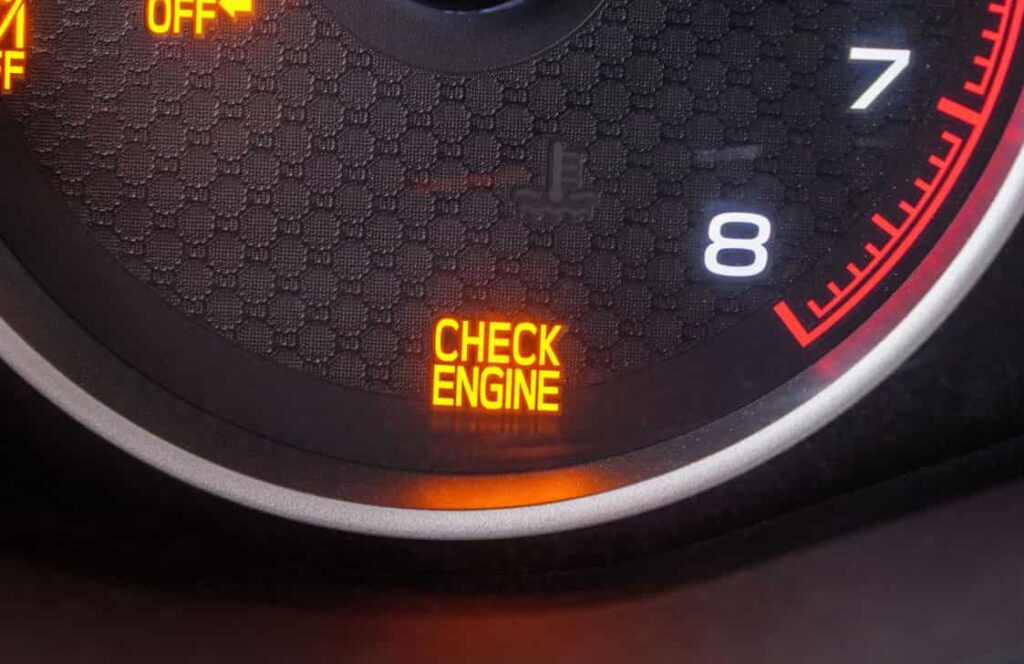
What Does the Hyundai Santa Fe Check Engine Light Mean?
The check engine light is part of the Hyundai Santa Fe onboard diagnostic system. Its purpose is to warn drivers when the engine control module detects abnormal behavior somewhere in the vehicle. This warning system continuously monitors engine performance, fuel delivery, emissions output, ignition timing, airflow, and many other critical components that keep the SUV running properly.
When the system detects a problem, it generates a diagnostic trouble code, often called an OBD2 code. These codes help identify the exact issue affecting the vehicle. In some situations, the problem may be relatively minor. A loose fuel cap or dirty sensor can trigger the warning light even though the vehicle still drives normally. However, some codes point to severe problems that can damage the engine if ignored for too long.
A steady check engine light usually indicates a non urgent issue that should still be inspected as soon as possible. Drivers often continue using the vehicle for days or weeks without realizing the underlying problem is becoming worse over time. Reduced fuel economy, increased emissions, and declining engine performance are common consequences of delayed repairs.
A flashing check engine light is much more serious. This warning often appears when the engine is actively misfiring. Misfires allow unburned fuel to enter the exhaust system, which can quickly overheat and destroy the catalytic converter. Replacing a damaged catalytic converter can become extremely expensive, especially on newer Hyundai Santa Fe models.
Several common issues can trigger the Hyundai Santa Fe check engine light. Faulty oxygen sensors are among the most frequent causes because these sensors constantly monitor exhaust gases and fuel mixture balance. Ignition coil failures and worn spark plugs can also create misfires that activate warning codes. Fuel system problems, vacuum leaks, timing issues, and emissions system leaks are additional reasons the warning light may appear.
Understanding the difference between minor and severe engine codes helps drivers avoid unnecessary panic while also preventing costly mistakes. Many vehicle owners ignore warning lights until noticeable symptoms appear, such as rough idling, poor acceleration, engine vibration, or hard starting. Unfortunately, waiting too long often increases repair costs and may lead to secondary engine damage.
The check engine light should never be viewed as something temporary or unimportant. Even if the Hyundai Santa Fe appears to drive normally, hidden mechanical or electrical issues may still be developing beneath the surface. Early diagnosis and repair remain the best ways to protect engine performance, reduce repair expenses, and maintain long term vehicle reliability.
How to Read Hyundai Santa Fe Check Engine Light Codes
Understanding Hyundai Santa Fe check engine light codes begins with how the vehicle records and stores diagnostic information. When the check engine light turns on, the engine control module detects a fault and generates a specific trouble code. These codes follow the OBD2 system and help identify which part of the vehicle is experiencing a problem.
Drivers usually read these codes with an OBD2 scanner. The scanner connects to the diagnostic port under the dashboard near the steering wheel. Once connected, it retrieves the stored codes and displays them on a screen or mobile app. Each code points to a specific issue such as engine misfires, fuel system imbalance, or emissions system failure.
Many drivers use Bluetooth OBD2 scanners because they are affordable and easy to operate. These devices pair with smartphones and show real time diagnostic results. Auto repair shops and auto parts stores also provide free code scanning services, which helps drivers understand the issue before deciding on repairs.
Hyundai Santa Fe check engine light codes fall into two main groups. Generic OBD2 codes use the standard P0XXX format and apply to all vehicles. Examples include P0300 for misfires or P0420 for catalytic converter efficiency problems. Manufacturer specific codes provide more detailed information related to Hyundai systems and help narrow down the exact cause of the issue.
Correct interpretation of these codes plays an important role in proper diagnosis. A single code does not always confirm a failed component. Instead, it often highlights abnormal performance that requires further inspection. For example, a misfire code may result from worn spark plugs, a weak ignition coil, or fuel delivery problems.
Accurate code reading helps drivers avoid unnecessary repairs and reduce maintenance costs. It also prevents misdiagnosis, which often leads to replacing parts that still function correctly.
Most Common Hyundai Santa Fe Check Engine Light Codes
Hyundai Santa Fe check engine light codes appear when the engine control module detects abnormal performance in key vehicle systems. These codes help identify problems early and prevent serious engine damage if drivers take action quickly. Below are the most common codes, their meanings, symptoms, and typical repair costs.
P0420 Catalytic System Efficiency Below Threshold
This code indicates that the catalytic converter is not working efficiently. The system monitors exhaust gases and detects when emissions exceed acceptable levels. Drivers often notice reduced fuel economy, weak acceleration, or a sulfur like smell from the exhaust.
A failing oxygen sensor or a worn catalytic converter usually triggers this code. In some cases, exhaust leaks also contribute to the issue. Repair costs vary depending on the root cause. Oxygen sensor replacement remains relatively affordable, while catalytic converter replacement can become expensive.
P0300 Random or Multiple Cylinder Misfire Detected
This code signals that the engine experiences misfires in one or more cylinders. The engine may run rough, vibrate at idle, or lose power during acceleration. In severe cases, the check engine light may start flashing.
Common causes include worn spark plugs, faulty ignition coils, or fuel injector problems. Ignoring this code increases the risk of catalytic converter damage, which significantly raises repair costs.
P0171 System Too Lean
This code appears when the engine receives too much air and not enough fuel. Drivers may experience hesitation, poor acceleration, or reduced fuel efficiency. Vacuum leaks, dirty mass airflow sensors, or weak fuel pumps often cause this issue.
P0455 EVAP System Large Leak Detected
This code indicates a large leak in the fuel vapor recovery system. A loose or damaged gas cap is one of the most common reasons. Drivers may notice a fuel smell or a check engine light that appears shortly after refueling. This issue is often simple and inexpensive to fix.
P0017 Crankshaft and Camshaft Correlation Error
This code points to a timing issue between the crankshaft and camshaft. It often relates to timing chain wear, oil flow problems, or sensor failures. Symptoms include rough engine performance, reduced power, and difficulty starting the vehicle. This is considered a more serious issue and requires prompt attention.
Hyundai Santa Fe Check Engine Light Severity and Repair Costs
Understanding Hyundai Santa Fe check engine light codes becomes more practical when drivers also know how serious each issue is and how much it may cost to repair. Some problems are minor and inexpensive, while others can lead to major engine damage if ignored for too long.
Check Engine Code Severity Overview
Different Hyundai Santa Fe check engine light codes vary in severity depending on the affected system. Emissions related issues often fall into the lower severity range, while engine timing and misfire problems usually require immediate attention. A steady check engine light often signals a moderate issue that still allows short term driving, but a flashing light indicates an urgent condition that needs immediate diagnosis.
Common Severity and Cost Breakdown
| Code | Problem Type | Severity Level | Driving Safety | Estimated Repair Cost |
|---|---|---|---|---|
| P0420 | Catalytic system efficiency issue | Medium | Short term safe | Moderate to high |
| P0300 | Engine misfire detected | High | Not recommended | Medium to high |
| P0171 | Lean fuel mixture | Medium | Short term safe | Low to medium |
| P0455 | EVAP system leak | Low | Safe | Low |
| P0017 | Timing correlation error | Very high | Unsafe | High |
What Severity Levels Mean for Drivers
Low severity codes usually relate to minor emissions system issues or simple mechanical faults such as a loose gas cap. These problems often do not affect drivability immediately but should still be repaired to maintain fuel efficiency and emissions compliance.
Medium severity codes often indicate sensor failures or fuel system imbalances. These issues can gradually reduce engine performance and fuel economy if left unresolved.
High and very high severity codes signal serious engine problems. Misfires and timing issues can quickly damage critical components such as the catalytic converter or internal engine parts. In these cases, continued driving increases repair costs significantly.
Repair Cost Factors
Repair costs for Hyundai Santa Fe check engine light codes depend on several factors. Labor rates vary by location, and part prices differ between OEM and aftermarket components. Diagnostic time also affects total cost because accurate troubleshooting is required before replacing parts. In many cases, early diagnosis reduces overall repair expenses significantly.
Can You Drive With the Hyundai Santa Fe Check Engine Light On?
Whether you can continue driving a Hyundai Santa Fe with the check engine light on depends on the severity of the underlying issue. In many cases, the warning light appears because of a minor fault that does not immediately affect drivability. A loose or improperly tightened gas cap, for example, can trigger an EVAP system code even though the engine still runs normally. Some sensor related issues may also activate the light while the vehicle continues to operate without noticeable performance loss. In these situations, short term driving is usually safe, but the problem should still be diagnosed and repaired as soon as possible to prevent reduced fuel efficiency or emissions issues.
However, not all check engine light codes are harmless. A flashing check engine light usually indicates a serious condition, most often related to engine misfires. When misfires occur, unburned fuel can enter the exhaust system and quickly damage the catalytic converter. This type of failure can lead to expensive repairs if the vehicle continues to be driven. Drivers should also avoid operating the vehicle if they notice strong engine vibration, hesitation during acceleration, or unusual knocking sounds. These symptoms often indicate deeper ignition or mechanical problems that may worsen rapidly.
Ignoring Hyundai Santa Fe check engine light codes can significantly increase repair costs over time. A small issue can develop into catalytic converter failure, fuel system damage, or even engine timing problems. These failures are far more expensive to repair than addressing the initial cause early. Continued driving without proper diagnosis also increases the risk of unexpected breakdowns, which can create unsafe conditions, especially during long distance or highway driving.
Early diagnosis using an OBD2 scanner helps identify the exact problem before it becomes severe. This allows drivers to decide whether immediate repair is necessary or if short term driving is still acceptable. Acting quickly always reduces risk and helps maintain long term engine reliability.
Conclusion
Hyundai Santa Fe check engine light codes should never be ignored because they provide early warnings about engine, fuel system, ignition, or emissions issues. Throughout this guide, we have explored how these codes work, what they mean, and why they appear in different driving conditions. Some codes point to minor problems such as a loose gas cap or a small sensor malfunction, while others indicate serious issues like engine misfires or timing failures that require immediate attention.
Understanding these warning signs helps drivers make better decisions before a small issue turns into a costly repair. A simple diagnostic scan can reveal whether the problem is low risk or potentially damaging to critical engine components. This step is important because many Hyundai Santa Fe owners continue driving without realizing that hidden issues may be affecting performance, fuel economy, and long term reliability.
Taking early action often prevents expensive repairs. For example, replacing a faulty sensor early costs significantly less than repairing a damaged catalytic converter or fixing engine timing problems later. Regular maintenance and timely diagnostics also help reduce the chances of sudden breakdowns and improve overall vehicle safety.
If your Hyundai Santa Fe check engine light is on, the best approach is to scan the code as soon as possible and evaluate the severity. Minor issues can often be scheduled for repair, while serious codes require immediate mechanical inspection. By responding quickly and correctly, you protect both your engine and your wallet.
Ultimately, staying informed about Hyundai Santa Fe check engine light codes gives you more control over your vehicle’s health. It helps you avoid unnecessary stress, reduce long term maintenance costs, and keep your SUV running smoothly for years.