Toyota has built a global reputation for producing some of the most reliable vehicles on the road, but one question continues to come up among drivers and used car buyers alike: how long do Toyota Corollas last? Whether you are considering buying a used Corolla, already own one with high mileage, or simply want a dependable car that will not drain your wallet with constant repairs, understanding the Corolla’s true lifespan is essential.
The good news is that the Toyota Corolla is widely known for exceptional longevity. With proper maintenance, many Corolla owners report reaching 200,000 to 300,000 miles or more without major mechanical failures. Some even push beyond that milestone. In a world where expensive repairs, rising vehicle prices, and unpredictable maintenance costs frustrate many car owners, the Corolla stands out as one of the safest long term investments in the automotive market.
However, not every Toyota Corolla ages the same way. Driving habits, maintenance history, climate conditions, and even the model year can significantly impact how long the vehicle lasts. Ignoring oil changes, delaying repairs, or purchasing a poorly maintained used Corolla can shorten its lifespan dramatically.
In this complete guide, you will learn how many miles a Toyota Corolla can realistically last, what factors affect its durability, the best model years for long term reliability, common problems to watch for, and practical tips to help your Corolla stay dependable for years to come.
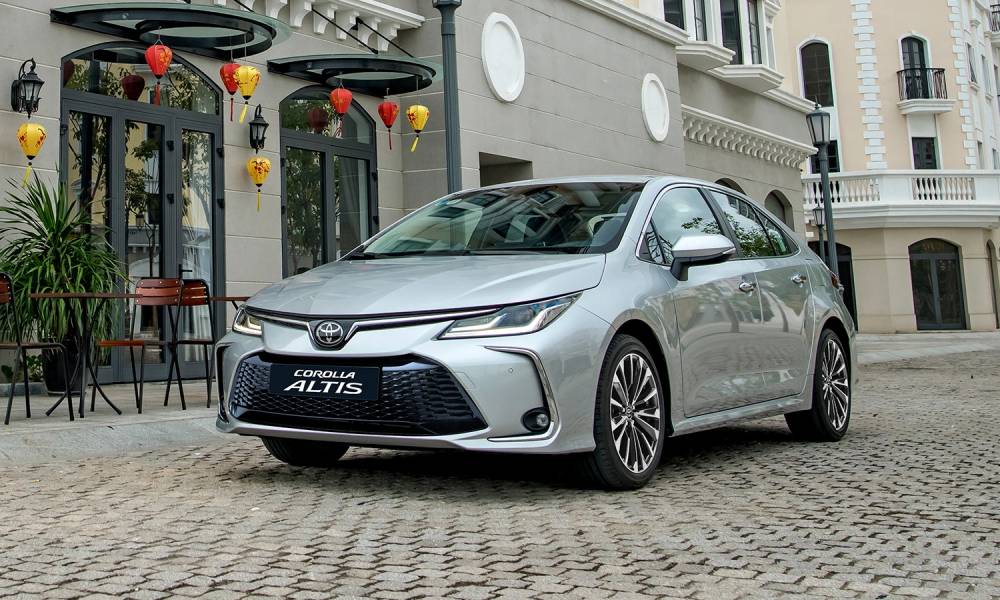
How Long Do Toyota Corollas Typically Last?
The Toyota Corolla has earned a reputation as one of the longest lasting compact cars ever produced. On average, a well maintained Toyota Corolla can last between 200,000 and 300,000 miles. For many drivers, that translates to roughly 15 to 20 years of dependable transportation. Some owners have even reported reaching more than 350,000 miles while still using the original engine and transmission.
One of the biggest reasons behind the Corolla’s impressive lifespan is Toyota’s engineering philosophy. Unlike some manufacturers that constantly experiment with complicated systems and risky redesigns, Toyota focuses heavily on durability, simplicity, and consistency. The Corolla was designed to be practical, fuel efficient, and affordable to maintain, which naturally contributes to its long term reliability.
Routine maintenance plays a massive role in determining how long a Corolla will survive. Drivers who consistently change the oil, replace fluids on schedule, and address small repairs early often experience significantly fewer major problems over time. On the other hand, neglected Corollas can begin developing expensive issues much earlier than expected.
Another important factor is driving style. Vehicles driven aggressively in stop and go traffic every day tend to experience more wear on the engine, brakes, and transmission. Corollas that spend more time on highways usually age more gracefully because highway driving places less strain on major mechanical components.
Compared to many competitors in the compact sedan category, the Corolla consistently ranks near the top for reliability. Its low maintenance costs and proven track record make it especially attractive for students, commuters, families, and anyone looking to avoid the financial stress that often comes with unreliable vehicles.
For buyers shopping in the used car market, the Corolla’s longevity is a major advantage. A Corolla with 120,000 miles may still have many years of life remaining if it has been properly maintained. This is why high mileage Toyota Corollas continue to hold strong resale value even after years on the road.
What Makes Toyota Corollas Last So Long?
Several factors contribute to the exceptional lifespan of the Toyota Corolla. While many vehicles struggle with reliability as they age, the Corolla continues to perform consistently because Toyota prioritizes long term durability over flashy features or unnecessary complexity.
One of the biggest strengths of the Corolla is its simple and proven engine design. Toyota has spent decades refining its engines rather than constantly reinventing them. This conservative engineering approach reduces the likelihood of catastrophic failures and helps keep repair costs manageable. Many Corolla engines are known for handling high mileage with relatively few serious issues when basic maintenance is followed.
Another key advantage is affordable maintenance. Replacement parts for the Corolla are widely available and generally less expensive than parts for luxury or performance vehicles. Mechanics are also extremely familiar with Toyota systems, making repairs easier and faster. For owners worried about rising repair bills, this affordability becomes a major financial benefit over the long term.
Fuel efficiency also indirectly contributes to the Corolla’s lifespan. Because the vehicle is lightweight and engineered for efficiency, the engine often experiences less stress compared to larger or more powerful vehicles. Lower engine strain can help extend the life of internal components over time.
Toyota’s reputation for reliability is not based on marketing alone. Decades of consumer feedback, owner reports, and industry studies consistently place the Corolla among the most dependable vehicles in the world. Many drivers purchase another Corolla simply because their previous one lasted so long with minimal problems.
The Corolla’s transmission systems are another strong point, particularly in older automatic models known for durability. While newer continuously variable transmissions have occasionally raised concerns among some buyers, Toyota’s CVT systems are generally considered more reliable than many competing brands.
Consistent quality control is another reason Corollas age well. Toyota manufacturing plants follow strict production standards, helping reduce defects and improving overall build quality. This attention to detail may not always be obvious during the first few years of ownership, but it becomes incredibly important after a vehicle crosses the 150,000 mile mark.
For many car owners, reliability is not just about convenience. Unexpected breakdowns create stress, expensive repair bills, missed workdays, and safety concerns. The Corolla’s reputation for lasting a long time gives drivers peace of mind that many competing vehicles simply cannot match.
Average Toyota Corolla Lifespan by Mileage
Understanding how a Toyota Corolla ages at different mileage milestones can help owners and buyers make smarter decisions. While mileage alone does not determine a vehicle’s condition, it provides a useful framework for understanding what to expect as the car gets older.
A Toyota Corolla with under 100,000 miles is generally considered to be in excellent condition, especially if maintenance has been performed regularly. At this stage, major mechanical failures are relatively uncommon. Most owners only deal with routine services such as oil changes, brake replacements, tire rotations, and battery maintenance.
Once a Corolla reaches between 100,000 and 200,000 miles, it enters what many drivers consider its mature phase. This is where Toyota’s reputation truly shines. While some vehicles begin experiencing serious reliability problems around this point, many Corollas continue running smoothly with proper care. Owners may start replacing components such as suspension parts, spark plugs, water pumps, or alternators, but these repairs are often manageable and far less expensive than purchasing another vehicle.
Between 200,000 and 300,000 miles, the condition of the vehicle becomes heavily dependent on maintenance history. A carefully maintained Corolla can still function reliably for commuting and daily driving. However, neglected examples may begin suffering from oil leaks, transmission wear, suspension fatigue, or rust related problems. At this stage, preventive maintenance becomes even more important.
Corollas that exceed 300,000 miles are less common but certainly not rare. These vehicles usually belong to owners who followed maintenance schedules consistently and addressed problems before they became severe. Highway driving, gentle acceleration, and regular fluid replacements often contribute to these extremely high mileage success stories.
Climate also affects vehicle longevity. Corollas driven in regions with heavy snow and road salt may develop rust much earlier than vehicles operated in dry climates. Excessive heat can also wear down rubber seals, batteries, and cooling systems over time.
Another important consideration is the difference between highway and city mileage. A Corolla with 180,000 highway miles may actually be in better condition than one with 100,000 miles of aggressive city driving. Frequent stop and go traffic places additional strain on brakes, transmissions, and engines.
For used car buyers, mileage should never be the only factor when evaluating a Corolla. A complete service history, clean inspection report, and evidence of responsible ownership are often far more important than the number displayed on the odometer.
Common Problems That Can Shorten a Toyota Corolla’s Life
Even though the Toyota Corolla is widely respected for reliability, no vehicle is completely immune to wear and mechanical problems. Certain issues, especially when ignored for long periods, can dramatically shorten the lifespan of a Corolla and lead to expensive repairs that many owners hope to avoid.
One of the most damaging mistakes Corolla owners make is neglecting regular oil changes. Engine oil lubricates critical internal components and helps control heat and friction. When oil becomes dirty or runs low, internal engine wear accelerates quickly. Over time, sludge buildup can damage pistons, timing components, and bearings. What starts as a simple maintenance oversight can eventually lead to complete engine failure.
Transmission problems are another concern, especially for high mileage Corollas that have never received proper fluid servicing. While Toyota transmissions are generally dependable, harsh driving habits and neglected maintenance can cause slipping, delayed shifting, or transmission overheating. Replacing a transmission is one of the most expensive repairs a car owner can face, which is why preventive maintenance matters so much.
Suspension wear becomes more common as Corollas age beyond 150,000 miles. Components such as shocks, struts, control arms, and bushings naturally wear down over time. Drivers may notice rough rides, uneven tire wear, or clunking noises when driving over bumps. Although suspension repairs are expected on older vehicles, delaying repairs can negatively affect handling, safety, and overall driving comfort.
Rust and corrosion are often underestimated but can become serious long term problems. Corollas driven in snowy climates where road salt is heavily used are especially vulnerable. Rust can damage the undercarriage, brake lines, wheel wells, and even structural areas of the vehicle. In severe cases, rust may make the car unsafe to drive regardless of how healthy the engine remains.
Ignoring warning lights is another costly mistake many drivers make. A check engine light may indicate something minor, but continuing to drive without diagnosis can allow small problems to evolve into major failures. Issues such as overheating, oxygen sensor failure, or ignition misfires become far more expensive when left unresolved.
Poor maintenance habits often create a chain reaction of problems. For example, failing to replace worn belts or leaking hoses may eventually damage the cooling system. An overheating engine can then cause warped cylinder heads or blown head gaskets, leading to repair bills that exceed the value of the car itself.
Despite these risks, most Corolla problems are highly preventable. Owners who stay proactive with maintenance usually avoid catastrophic failures and enjoy many additional years of dependable driving.
Best Toyota Corolla Model Years for Longevity
Not every Toyota Corolla model year delivers the exact same ownership experience. While the Corolla has maintained a strong reliability reputation for decades, certain years stand out for exceptional durability, lower repair rates, and long term owner satisfaction.
The 2013 Toyota Corolla is often praised as one of the most reliable older modern Corollas. It came near the end of a generation that Toyota had refined extensively over time. Many owners report reaching well beyond 200,000 miles with relatively few major mechanical issues. The engine and transmission combination in this model year is known for simplicity and durability.
The 2016 Toyota Corolla is another strong choice for buyers seeking long term reliability. By this point, Toyota had improved interior quality, fuel efficiency, and safety technology while still maintaining the dependable mechanical foundation that made the Corolla famous. Maintenance costs also remain relatively affordable compared to newer competitors packed with complicated electronics.
The 2019 Corolla gained popularity because of improved safety systems and upgraded technology without sacrificing reliability. Toyota refined the driving experience while continuing to focus on fuel economy and low ownership costs. Many drivers consider it one of the best balances between modern features and proven dependability.
Newer 2020 and later Corolla models continue to score well for reliability and safety. Toyota introduced updated platforms, improved handling, and more advanced driver assistance systems. While newer models have not yet accumulated decades of long term mileage data, early ownership reports remain encouraging.
However, there are also a few Corolla years that buyers should approach more cautiously. Some older models experienced issues involving excessive oil consumption, airbag recalls, or transmission concerns. This does not necessarily mean those vehicles are bad purchases, but buyers should carefully inspect maintenance history and recall completion records before purchasing.
One of the reasons Corolla reliability remains strong across generations is Toyota’s relatively conservative approach to redesigns. Instead of introducing radical changes every few years, Toyota often improves existing systems gradually. This strategy reduces the risk of widespread mechanical problems and contributes to the Corolla’s long lasting reputation.
For used car buyers, choosing the right model year can significantly reduce ownership stress and maintenance costs. A carefully maintained Corolla from a highly rated model year may provide more value and reliability than a newer vehicle with a poor service history.
Can a Toyota Corolla Last 300,000 Miles?
Yes, a Toyota Corolla can absolutely last 300,000 miles, and thousands of owners around the world have already proven it. In fact, reaching 300,000 miles is one of the reasons the Corolla has become legendary among drivers looking for affordable long term transportation.
However, achieving that kind of longevity does not happen by accident. Corollas that survive beyond 300,000 miles almost always share one important characteristic: consistent maintenance. Owners who follow oil change schedules, replace fluids on time, inspect components regularly, and fix small issues early dramatically increase their chances of reaching extremely high mileage.
Oil changes are especially important because the engine depends on clean lubrication to minimize friction and internal wear. Drivers who delay oil changes too long may slowly damage the engine without noticing immediate symptoms. Over many years, that neglect can shorten the vehicle’s lifespan significantly.
Transmission maintenance also plays a critical role. Although many drivers ignore transmission fluid entirely, replacing it periodically helps maintain smooth shifting and reduces internal heat buildup. A healthy transmission is often the difference between a Corolla lasting 180,000 miles versus 300,000 miles.
Driving habits matter more than many people realize. Aggressive acceleration, constant hard braking, and excessive speeding create additional stress on mechanical components. Drivers who operate their Corollas gently often experience fewer breakdowns and lower repair costs over time.
Preventive maintenance becomes increasingly important after the 150,000 mile mark. Components such as water pumps, spark plugs, suspension parts, belts, and hoses naturally wear out with age. Replacing these parts before failure helps avoid larger mechanical problems later.
One of the biggest financial advantages of keeping a Corolla for 300,000 miles is avoiding repeated car payments. Many drivers become trapped in a cycle of constantly upgrading vehicles and taking on new debt. A dependable Corolla that continues running reliably can save thousands of dollars over the years.
Real world owner stories continue to strengthen the Corolla’s reputation. Many long term owners describe their vehicles as basic but nearly indestructible. While the Corolla may not always be the most exciting car on the road, its ability to survive years of commuting, road trips, harsh weather, and daily use is exactly why millions of drivers continue choosing it generation after generation.
Is Buying a High Mileage Toyota Corolla Worth It?
For many used car buyers, finding an affordable vehicle without inheriting endless repair bills can feel almost impossible. Rising car prices and expensive financing have pushed many people toward high mileage vehicles, but that often raises an important question: is buying a high mileage Toyota Corolla actually worth it?
In many cases, the answer is yes. A properly maintained Toyota Corolla with over 150,000 miles can still provide years of dependable transportation. Unlike some vehicles that become financial nightmares as they age, the Corolla is known for maintaining reliability even after crossing mileage levels that scare away many buyers.
One of the biggest advantages of buying a high mileage Corolla is value. Depreciation lowers the purchase price significantly, allowing buyers to access reliable transportation without taking on large monthly payments. This can be especially beneficial for students, first time drivers, commuters, or families trying to reduce transportation expenses.
Maintenance and repair costs also tend to remain manageable compared to luxury cars or larger SUVs. Parts are widely available, labor costs are relatively reasonable, and most mechanics are familiar with Toyota systems. Even when repairs become necessary, owners are often surprised by how affordable they can be compared to other aging vehicles.
However, mileage alone should never determine whether a Corolla is worth buying. Maintenance history matters far more than the number on the odometer. A Corolla with 180,000 miles and excellent service records may be a much smarter purchase than one with 90,000 miles that was poorly maintained.
Before purchasing a high mileage Corolla, buyers should inspect several key areas carefully. Service records can reveal whether oil changes, transmission servicing, and major maintenance were performed consistently. Suspension condition should also be evaluated because worn shocks and bushings become common as mileage increases.
Rust inspection is equally important, especially in regions with harsh winters. Surface rust may not be serious, but structural corrosion underneath the vehicle can become dangerous and expensive to repair. Buyers should also listen for unusual engine noises, rough idling, or delayed transmission shifting during a test drive.
Another advantage of the Corolla is its strong reputation in the used market. Because so many drivers trust the brand, resale values often remain stable even for older models. This means owners may still recover a reasonable portion of their investment later.
For buyers willing to do careful research, a high mileage Toyota Corolla can be one of the smartest low budget vehicle purchases available today.
How to Make a Toyota Corolla Last Longer
Although the Toyota Corolla is naturally built for longevity, proper ownership habits make a massive difference in determining whether the vehicle lasts 150,000 miles or exceeds 300,000 miles. Many Corolla owners who achieve extremely high mileage follow consistent maintenance routines and avoid the habits that quietly destroy vehicles over time.
Regular oil changes remain the single most important maintenance task. Clean engine oil reduces friction, controls temperature, and protects internal engine components from premature wear. Skipping oil changes may save money temporarily, but the long term consequences can become extremely expensive.
Using high quality fluids and replacement parts also helps preserve reliability. Cheap filters, low quality oil, or incorrect transmission fluids may gradually damage critical systems. Toyota engines are designed with precision, and using proper maintenance products helps ensure smooth operation for years.
Tire maintenance is another commonly overlooked factor. Rotating tires regularly promotes even wear and reduces stress on suspension and steering components. Proper tire pressure also improves fuel economy and handling while reducing unnecessary strain on the vehicle.
Drivers should avoid aggressive acceleration and sudden braking whenever possible. Constantly driving hard places additional stress on the engine, transmission, brakes, and suspension. Gentle driving habits may seem insignificant day to day, but over hundreds of thousands of miles they dramatically reduce wear.
Replacing worn components early is another smart strategy. Ignoring a small coolant leak, noisy belt, or weak battery often leads to larger and more expensive failures later. Preventive maintenance is almost always cheaper than emergency repairs.
Keeping the Corolla clean also contributes to longevity, especially in areas where snow and road salt are common. Washing the undercarriage helps prevent rust buildup that can slowly damage the frame, brake lines, and suspension components.
Following Toyota’s recommended maintenance schedule gives owners the best chance of maximizing vehicle lifespan. Routine inspections help identify problems before they become serious. Many drivers only react when warning lights appear, but proactive maintenance is what separates average ownership experiences from the legendary 300,000 mile Corolla stories.
There are also several habits that quietly destroy vehicles over time. Frequently driving with low fuel levels can stress the fuel pump. Ignoring unusual noises allows small mechanical problems to worsen. Delaying brake repairs may damage rotors and suspension components. Even short term neglect can create long term consequences.
Ultimately, extending the life of a Toyota Corolla is less about luck and more about consistency. Owners who care for their vehicles patiently and responsibly are often rewarded with decades of reliable transportation and substantial savings.
Toyota Corolla vs Competitors for Longevity
The compact sedan market is filled with strong competitors, but few vehicles have matched the long term durability reputation of the Toyota Corolla. Buyers comparing compact cars often consider alternatives such as the Honda Civic, Hyundai Elantra, and Nissan Sentra, yet the Corolla continues to stand out for reliability and ownership costs.
The Honda Civic is probably the Corolla’s closest rival. Both vehicles are known for fuel efficiency, practicality, and long lifespan potential. Many Civics also reach 200,000 miles or more with proper maintenance. However, Toyota often gains an advantage in long term maintenance simplicity and slightly lower repair frequency. Some Civic generations have experienced transmission or turbocharged engine concerns that increased ownership costs for certain drivers.
The Hyundai Elantra has improved significantly over the past decade and now offers impressive technology and warranty coverage. Newer Elantras provide modern interiors and competitive fuel economy at attractive prices. However, Toyota still holds a stronger reputation for extreme long term durability, especially beyond the 150,000 mile mark. Some buyers remain cautious about how well newer Hyundai models will age compared to the proven Corolla platform.
The Nissan Sentra is another affordable compact sedan option, but reliability comparisons often favor Toyota. While Sentras can be economical daily drivers, Nissan’s continuously variable transmissions have faced criticism in certain model years. Corolla buyers frequently choose Toyota specifically to avoid potential long term transmission concerns.
Resale value is another area where the Corolla performs exceptionally well. Vehicles known for reliability tend to retain value longer because buyers trust them. This strong reputation allows Corolla owners to recover more money when selling or trading in their vehicles later.
Maintenance affordability also strengthens the Corolla’s position. Replacement parts are widely available, independent mechanics understand Toyota systems well, and major repairs are relatively uncommon compared to many competitors. For drivers focused on minimizing long term ownership stress, these advantages matter tremendously.
The Corolla may not always offer the sportiest driving experience or the most luxurious interior, but its consistency is exactly why millions of people continue buying it. Many drivers prioritize peace of mind over flashy features, and the Corolla delivers that reassurance better than almost any compact sedan on the market.
When evaluating longevity alone, the Toyota Corolla remains one of the safest and most trusted choices available for drivers seeking dependable transportation for the long haul.
Frequently Asked Questions
How many years does a Toyota Corolla usually last?
A Toyota Corolla can typically last between 15 and 20 years with proper maintenance. Many owners keep their Corollas even longer by following regular service schedules and addressing small mechanical issues before they become serious problems. Driving habits, climate conditions, and maintenance history all play major roles in determining how long the vehicle survives.
Is 200,000 miles too much for a Toyota Corolla?
For many vehicles, 200,000 miles may sound excessive, but for a well maintained Toyota Corolla, it is often considered normal. Many Corollas continue operating reliably well beyond this milestone. However, buyers should carefully inspect service records, suspension condition, transmission performance, and signs of rust before purchasing a high mileage model.
Can a Toyota Corolla last 500,000 miles?
Although it is uncommon, some Toyota Corollas have reportedly exceeded 500,000 miles. Reaching that level usually requires exceptional maintenance habits, mostly highway driving, and immediate attention to repairs. While not every Corolla will reach half a million miles, the platform is certainly capable of extremely high mileage under ideal conditions.
What is the most reliable Toyota Corolla year?
Several Toyota Corolla model years are highly regarded for reliability, including the 2013, 2016, 2019, and newer 2020 plus models. These years are known for durable engines, affordable maintenance, and lower rates of serious mechanical problems compared to some other compact sedans.
Are Toyota Corollas expensive to maintain?
No, Toyota Corollas are generally considered inexpensive to maintain. Routine services such as oil changes, brake replacements, filters, and tire rotations are affordable compared to many other vehicles. Replacement parts are widely available, and most mechanics have extensive experience working on Toyota vehicles.
Should I buy a Corolla with over 150,000 miles?
Buying a Corolla with over 150,000 miles can still be a smart decision if the vehicle has been properly maintained. Service records are far more important than mileage alone. A clean inspection report, smooth transmission performance, minimal rust, and consistent maintenance history can indicate that the car still has many reliable years remaining.
Conclusion
The Toyota Corolla has earned its reputation as one of the longest lasting and most dependable compact cars ever built. For drivers looking to avoid constant repairs, expensive ownership costs, and the stress of unreliable transportation, the Corolla continues to stand out as one of the safest choices on the market.
With proper maintenance, many Toyota Corollas comfortably reach 200,000 to 300,000 miles, and some even go far beyond that milestone. Regular oil changes, responsible driving habits, preventive maintenance, and early repairs are the biggest factors that determine whether a Corolla enjoys a long and reliable life.
One of the Corolla’s greatest strengths is consistency. While other vehicles may offer more aggressive styling, advanced luxury features, or sportier performance, the Corolla focuses on durability, fuel efficiency, affordability, and peace of mind. That combination is exactly why millions of drivers around the world continue trusting it year after year.
For used car buyers, a high mileage Corolla should not automatically be considered risky. A properly maintained example can still deliver outstanding value and save thousands of dollars compared to purchasing a newer vehicle with expensive monthly payments.
At the end of the day, the Toyota Corolla proves that reliability is more than just a marketing slogan. It is a vehicle designed to handle years of daily driving while keeping ownership stress and repair costs relatively low.