Have you ever started your Honda Pilot and noticed the “Check Emission System” warning on the dashboard? This message can make many drivers worry about expensive repairs or serious engine damage. However, the problem does not always mean a major failure.
The Honda Pilot uses an advanced emission control system to manage exhaust gases and improve engine efficiency. This system includes sensors, computer controls, and exhaust components that work together during every drive. When the vehicle detects unusual data, the onboard computer alerts the driver with a warning message.
A Honda Pilot Check Emission System warning can happen for several reasons. A loose gas cap, faulty sensor, EVAP leak, or exhaust problem may trigger the alert. Some issues require simple fixes, while others need professional diagnosis.
Ignoring this warning can create bigger problems over time. Drivers may experience lower fuel economy, poor engine performance, or problems during emissions testing. Early diagnosis helps prevent unnecessary repairs and reduces long term ownership costs.
This guide explains the meaning behind the Honda Pilot Check Emission System warning. You will learn the common causes, warning signs, repair options, and estimated costs. With the right information, you can identify the problem and choose the best solution for your vehicle.
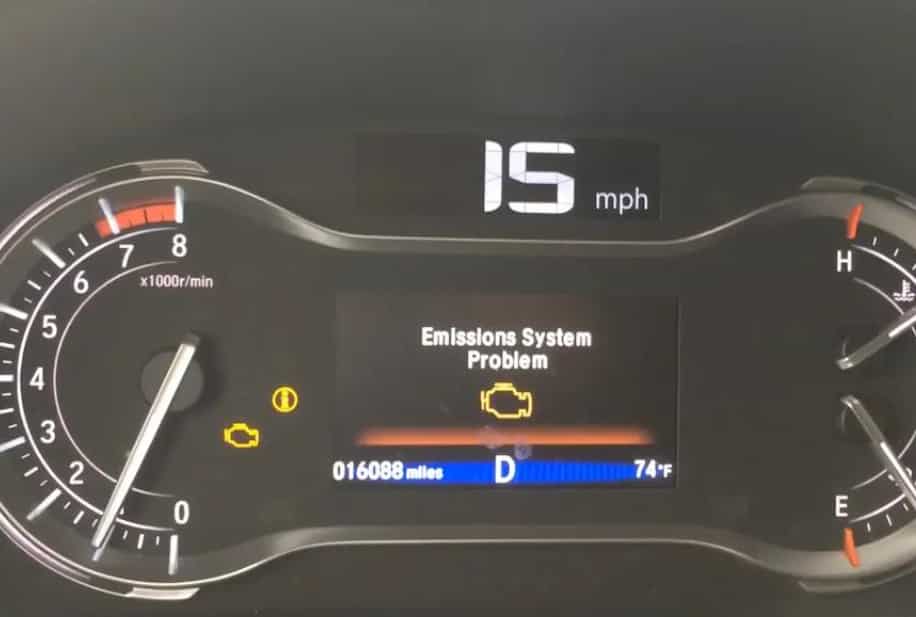
What Does “Check Emission System” Mean on a Honda Pilot?
When your Honda Pilot displays the “Check Emission System” warning, it means the vehicle has detected an issue within its emissions control system. This system helps control harmful gases from the engine before they enter the environment. It also helps the engine maintain proper fuel efficiency and performance.
The Honda Pilot relies on several components to monitor and manage emissions. These components include oxygen sensors, the EVAP system, the catalytic converter, the mass airflow sensor, and the engine control module (ECM). Each part sends information to the vehicle’s computer, which checks whether the system operates correctly.
If the computer finds unusual readings, it stores a diagnostic trouble code and turns on the warning message. The warning does not always point to one specific problem. Instead, it tells the driver that the vehicle needs further inspection.
Many drivers confuse the Honda Pilot Check Emission System warning with a regular check engine light. Although both warnings relate to vehicle diagnostics, they can indicate different issues. The emission system warning focuses more on components that control exhaust gases and fuel efficiency.
A minor issue, such as a loose gas cap, may trigger the warning. However, problems with sensors, fuel delivery, or exhaust components can also cause the same message. Finding the exact cause requires proper diagnosis with an OBD2 scanner and a careful inspection of related components.
Understanding what this warning means helps Honda Pilot owners avoid unnecessary repairs. Instead of replacing parts without evidence, drivers can identify the real problem and choose the correct repair solution.
Common Causes of Honda Pilot Check Emission System Warning
The Honda Pilot Check Emission System warning can appear for many different reasons. The vehicle uses multiple sensors and components to monitor emissions, fuel mixture, and engine performance. When one part does not work correctly, the computer may activate the warning message.
One of the most common causes is a faulty oxygen sensor. This sensor measures the amount of oxygen in the exhaust gases and helps the engine adjust the air and fuel mixture. A damaged oxygen sensor can send incorrect information to the engine control module. As a result, the vehicle may experience poor fuel economy, rough idling, or increased emissions.
Another frequent cause involves the EVAP system. The evaporative emission control system prevents fuel vapors from escaping into the atmosphere. A small leak, damaged hose, or faulty EVAP component can trigger the warning. In some cases, a loose or damaged gas cap creates enough pressure loss to activate the system alert.
The catalytic converter can also cause emission system problems. This component reduces harmful exhaust gases before they leave the vehicle. When the catalytic converter loses efficiency, the Honda Pilot may detect higher emission levels and display the warning.
Other possible causes include a dirty or failing mass airflow sensor, fuel injector problems, and electrical issues related to the engine control module. These problems can affect combustion quality and cause abnormal emission readings.
Because different failures can create the same warning message, replacing parts without proper testing can become expensive. A complete diagnosis helps identify the exact issue and prevents unnecessary repairs.
Understanding the common causes of a Honda Pilot Check Emission System warning allows drivers to respond quickly. Early inspection can protect engine performance, improve fuel efficiency, and reduce the risk of costly repairs.
Symptoms of Honda Pilot Emission System Problems
A Honda Pilot Check Emission System warning often appears when the vehicle detects unusual activity within the emissions system. In many cases, the warning comes with other signs that can help drivers identify the possible cause. Paying attention to these symptoms can help prevent more serious issues and expensive repairs.
One common symptom is reduced fuel economy. When emission components such as oxygen sensors or airflow sensors fail, the engine may receive incorrect information. The vehicle may then use more fuel than normal to maintain performance.
Drivers may also notice rough idling or engine hesitation. A damaged sensor, fuel system problem, or incorrect air and fuel mixture can affect how smoothly the engine runs. The vehicle may feel less responsive, especially during acceleration.
Another possible sign is a noticeable change in exhaust smell. Problems with the catalytic converter or fuel mixture can create unusual odors from the exhaust system. Some drivers may also notice a stronger fuel smell, which can indicate an EVAP system issue.
The check engine light may appear together with the Honda Pilot Check Emission System warning. In some situations, the vehicle may also experience reduced engine power or slower acceleration. These symptoms often indicate that the computer has detected a more serious problem that requires inspection.
A failed emissions test is another possible indication of an emission system issue. If the vehicle cannot properly control exhaust gases, it may exceed required emission limits.
Not every Honda Pilot will show the same symptoms. Some vehicles may only display the warning message without noticeable driving problems. Others may show several signs at the same time. Understanding these symptoms helps drivers take action before a small issue develops into a larger repair.
Is It Safe to Drive With Honda Pilot Check Emission System Warning?
Many Honda Pilot owners worry about safety when the “Check Emission System” warning appears. The answer depends on the cause behind the warning. Some problems allow you to continue driving for a short time, while others require immediate attention.
If your Honda Pilot drives normally, has no unusual sounds, and shows no major performance changes, the issue may not require an emergency repair. A loose gas cap or a minor EVAP system leak can trigger the warning without creating immediate driving risks. However, you should still inspect the vehicle soon to prevent the problem from becoming worse.
Driving becomes more concerning when you notice additional symptoms. A flashing check engine light, severe engine shaking, strong fuel odor, overheating, or sudden power loss may indicate a more serious issue. These problems can affect engine performance and may lead to further damage if you continue driving.
A faulty catalytic converter or serious engine misfire can create higher repair costs when ignored. For example, an engine misfire can send unburned fuel into the exhaust system and damage expensive components over time.
The best approach is to check the warning as soon as possible. Start with simple inspections, such as checking the fuel cap, and then use an OBD2 scanner to identify stored trouble codes. These codes provide important information about the affected system.
A Honda Pilot Check Emission System warning does not always mean your vehicle is unsafe to drive immediately. However, ignoring the message for a long period can increase the risk of performance problems and costly repairs. Early diagnosis helps you maintain reliability and avoid unnecessary expenses.
How to Diagnose Honda Pilot Check Emission System Problems
Finding the exact cause of a Honda Pilot Check Emission System warning requires a proper diagnostic process. Many different components can trigger the same message, so replacing parts without testing can waste time and money. A step by step inspection helps identify the real issue and provides the correct repair solution.
The first step is to check simple causes. Inspect the fuel cap and make sure it closes tightly. A loose or damaged gas cap can allow fuel vapors to escape and trigger an EVAP system warning. If the warning appears shortly after refueling, this should be one of the first areas to inspect.
The next step involves scanning the vehicle with an OBD2 scanner. This tool connects to the Honda Pilot’s computer system and retrieves diagnostic trouble codes. These codes help identify which area of the emission system needs attention.
Common emission related codes can point to different problems. For example, codes related to oxygen sensors may indicate air and fuel mixture issues. EVAP related codes may suggest fuel vapor leaks, while catalytic converter codes may indicate reduced exhaust system efficiency.
After reading the codes, a technician should inspect the related components. This process may include checking sensors, wiring connections, vacuum lines, fuel system parts, and exhaust components. A visual inspection can sometimes reveal damaged hoses or loose connections.
Professional diagnosis can save money because it prevents unnecessary part replacements. For example, replacing a catalytic converter without confirming the real cause can result in a costly repair that does not solve the problem.
A Honda Pilot Check Emission System warning provides an important signal from the vehicle’s computer. Proper diagnosis helps drivers understand the issue, choose the right repair, and restore the vehicle’s performance.
How to Fix Honda Pilot Check Emission System Warning
Fixing a Honda Pilot Check Emission System warning depends on the cause behind the problem. Some repairs require only simple adjustments, while others may involve replacing important emission components. The key is to identify the exact issue before starting any repair.
One of the easiest solutions involves checking or replacing the fuel cap. A loose, damaged, or worn fuel cap can prevent the EVAP system from maintaining proper pressure. Replacing the cap is usually inexpensive and can resolve the warning if no other problems exist.
If the problem comes from a faulty oxygen sensor, replacement may restore proper air and fuel balance. A damaged oxygen sensor can affect engine efficiency and increase fuel consumption. Installing a new sensor allows the engine control module to receive accurate information again.
EVAP system leaks require a more detailed repair process. A technician may need to inspect hoses, valves, and other vapor control components to locate the source of the leak. Once the damaged part is repaired or replaced, the system can return to normal operation.
Some Honda Pilot emission problems involve the catalytic converter, mass airflow sensor, or fuel system. These repairs often require professional service because they involve complex engine and exhaust components. A proper diagnosis ensures that technicians replace only the parts that actually need attention.
After completing the repair, the warning message may need to be cleared with an OBD2 scanner. However, resetting the warning without fixing the underlying problem will usually cause the message to return.
Honda Pilot owners should avoid replacing expensive parts based only on the warning message. A complete diagnosis helps reduce repair costs and prevents unnecessary replacements. The right repair approach restores emission performance while keeping the vehicle reliable for daily driving.
Honda Pilot Check Emission System Repair Costs
The repair cost for a Honda Pilot Check Emission System warning depends on the failed component, labor rates, and the complexity of the repair. Some issues require only a small replacement part, while others may involve expensive emission system components.
A simple fuel cap replacement is usually one of the most affordable fixes. A damaged gas cap can affect the EVAP system and trigger the warning message. In many cases, replacing the cap may cost around $20 to $50.
Oxygen sensor replacement is another common repair. These sensors play an important role in monitoring exhaust gases and adjusting the engine’s air and fuel mixture. The total cost usually ranges from $150 to $500, depending on the sensor location and labor charges.
EVAP system repairs can vary widely because the system contains multiple components. A small leak may require a simple hose repair, while a faulty valve or other component may increase the cost. Most EVAP repairs range from $100 to $600.
A mass airflow sensor replacement may cost around $200 to $500. This sensor helps the engine measure incoming air and maintain proper combustion. A faulty sensor can affect fuel efficiency and engine performance.
The most expensive repair is often a catalytic converter replacement. This component plays a major role in reducing harmful exhaust emissions. Depending on the Honda Pilot model year and part quality, replacement costs may range from $1,000 to $2,500 or more.
Repair prices can also change based on where you take your vehicle. Dealership service centers often charge higher labor rates compared with independent repair shops. However, professional diagnosis remains important because replacing the wrong component can lead to unnecessary expenses.
Understanding potential Honda Pilot Check Emission System repair costs helps owners prepare financially. Early diagnosis and regular maintenance can reduce the chance of major failures and protect long term vehicle value.
How to Prevent Future Honda Pilot Emission System Problems
Preventing future Honda Pilot Check Emission System problems starts with regular maintenance and early attention to warning signs. The emission system contains many connected components, and keeping each part in good condition helps maintain engine efficiency and reliability.
One of the most important steps is following the recommended Honda maintenance schedule. Regular inspections allow technicians to identify worn components before they create larger problems. Routine services can also help maintain proper fuel efficiency and reduce unnecessary stress on emission components.
Using quality fuel and keeping the fuel system clean can also support better engine performance. Poor combustion can increase emissions and place additional pressure on sensors, the catalytic converter, and other related parts.
Drivers should also check the condition of the fuel cap regularly. A loose or damaged fuel cap is one of the simplest causes of emission warnings. Making sure the cap seals correctly after every refueling can help prevent unnecessary EVAP system alerts.
Replacing air filters when needed is another important maintenance step. A clean air filter helps the engine receive the correct amount of airflow, which supports proper combustion and reduces the risk of fuel mixture problems.
It is also important to respond quickly when the Honda Pilot displays a warning message. Many drivers delay inspections because the vehicle still runs normally. However, small emission issues can develop into more expensive repairs when ignored for a long period.
Keeping service records and addressing minor problems early can improve vehicle reliability. Regular maintenance not only helps prevent emission system failures but also supports better fuel economy and smoother driving performance.
A proactive approach allows Honda Pilot owners to avoid unexpected repair costs. By maintaining the vehicle properly and checking warning signs early, drivers can keep the emission system working effectively for many years.
Frequently Asked Questions About Honda Pilot Check Emission System
What does Honda Pilot Check Emission System mean?
The Honda Pilot Check Emission System warning means the vehicle has detected a problem within its emissions control system. The issue may involve components such as oxygen sensors, the EVAP system, the catalytic converter, or other parts that affect exhaust control. The warning does not always indicate a serious engine failure, but it requires proper inspection to find the exact cause.
Can I drive my Honda Pilot with the Check Emission System warning?
You may be able to drive your Honda Pilot for a short distance if the vehicle runs normally and shows no major symptoms. However, you should inspect the problem as soon as possible. If you notice engine misfires, power loss, overheating, or a flashing check engine light, stop driving and seek professional assistance.
How do I reset the Honda Pilot Check Emission System warning?
You can clear the warning by using an OBD2 scanner after repairing the underlying problem. Disconnecting the battery may also reset the message temporarily, but this does not fix the actual issue. If the original problem remains, the warning will likely return.
What is the most common cause of Honda Pilot emission system problems?
Common causes include faulty oxygen sensors, EVAP leaks, loose fuel caps, catalytic converter issues, and airflow sensor problems. The exact cause depends on the vehicle’s condition, model year, and diagnostic trouble codes.
How much does it cost to fix a Honda Pilot emission system problem?
Repair costs vary depending on the failed component. Simple fixes, such as replacing a fuel cap, may cost less than $50. More complex repairs, such as catalytic converter replacement, can cost over $1,000. Proper diagnosis helps avoid unnecessary expenses.
Conclusion: Honda Pilot Check Emission System: Causes, Symptoms, Fixes, and Repair Costs Explained
The Honda Pilot Check Emission System warning can appear for many different reasons. Some causes are simple, such as a loose fuel cap, while others involve important components like oxygen sensors, the EVAP system, or the catalytic converter. Understanding the possible causes helps drivers avoid unnecessary repairs and make better decisions.
Paying attention to early symptoms is an important part of vehicle maintenance. Changes in fuel economy, engine performance, exhaust smell, or warning lights can provide valuable clues about the underlying problem. A proper diagnosis with an OBD2 scanner can identify the issue and prevent drivers from replacing parts without confirmation.
Repair costs can vary significantly depending on the failed component and the required service. Small repairs may cost very little, while major emission system repairs can become expensive. Taking action early can reduce repair expenses and help maintain the long term reliability of your Honda Pilot.
Regular maintenance also plays an important role in preventing future emission problems. Following the recommended service schedule, checking basic components, and responding quickly to warning messages can keep your vehicle running efficiently.
Have you experienced a Honda Pilot Check Emission System warning? Share your Honda Pilot model year, symptoms, and diagnostic codes in the comments. Your experience may help other owners find the right solution faster.