You pull the starter cord, press the start button, and expect your Honda mower to roar. Instead, nothing happens. A Honda mower won’t start can quickly become a frustrating problem, especially when your lawn needs attention.
Honda lawn mowers have a strong reputation for reliable performance and long-lasting engines. However, every mower can develop problems over time. Old fuel, dirty components, worn spark plugs, and airflow issues can stop the engine from starting.
Many owners assume they need professional repairs when their Honda mower refuses to start. In reality, you can solve many starting problems with a few simple checks. You only need to understand how the fuel system, air supply, and ignition system work together.
This troubleshooting guide explains the most common reasons why your Honda mower won’t start. You will learn how to identify the problem and find the right fix. Whether your mower does not respond at all, turns over without starting, or starts and suddenly stops, this guide will help you diagnose the issue step by step.
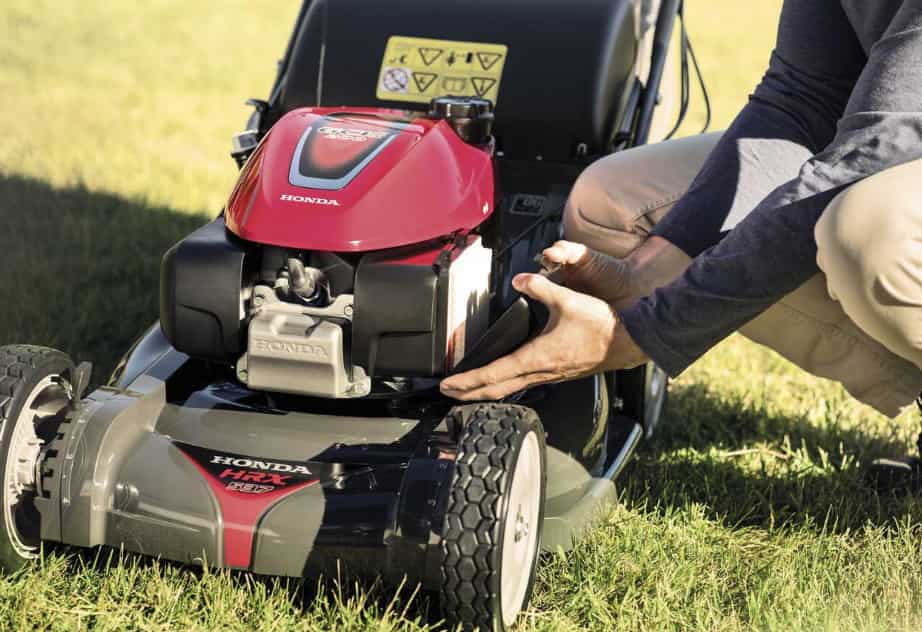
Understanding Why Your Honda Mower Won’t Start
Before you start replacing parts, you need to understand how your Honda mower works. Most starting problems come from three basic requirements: fuel, air, and spark. The engine needs all three elements to create combustion and run properly.
Fuel provides the energy that powers the engine. Fresh gasoline must flow through the fuel system and reach the combustion chamber. When old fuel, dirt, or a blocked fuel line affects the supply, the engine may struggle to start or fail completely.
Air also plays an important role in the starting process. The engine mixes fuel with air to create the right combustion balance. A dirty air filter can restrict airflow and prevent the engine from running smoothly.
The ignition system creates the spark that starts combustion. A damaged spark plug, faulty ignition coil, or poor electrical connection can stop the engine from firing. Without a strong spark, your Honda mower may turn over but never start.
You can often identify the cause by observing how your mower behaves. A mower that makes no sound may have an electrical or safety issue. A mower that turns over but does not start may have fuel or ignition problems. A mower that starts and stops often points to airflow or fuel delivery issues.
Understanding these basic systems helps you troubleshoot faster. Instead of guessing or replacing random parts, you can follow a logical process and find the real cause of your Honda mower starting problem.
Quick Checks Before Repairing a Honda Lawn Mower That Won’t Start
Before you take apart your Honda mower, start with a few simple checks. Many starting problems come from small issues that you can fix in minutes. A quick inspection can save time and prevent unnecessary repairs.
First, check the fuel tank. Make sure your mower has enough gasoline and check the fuel quality. Old gasoline can lose its ability to burn properly. If your mower has been sitting for several months, stale fuel may prevent the engine from starting.
Next, inspect the engine oil level. Honda engines often include safety features that stop the engine when the oil level becomes too low. Check the oil before troubleshooting other components. The correct oil level helps protect the engine and supports reliable operation.
You should also check the mower’s safety controls. Make sure you hold the brake lever correctly and engage the blade control when required. Some Honda mower models will not start if these safety features detect an unsafe condition.
The air filter deserves attention as well. A clogged air filter limits airflow and affects the fuel and air mixture inside the engine. A simple cleaning or replacement can restore proper airflow.
Finally, check for obvious damage around the mower. Look for loose wires, damaged cables, or signs of fuel leaks. These quick checks often reveal the cause of a Honda mower won’t start problem before you move on to more advanced troubleshooting steps.
Common Reasons Why Honda Mower Won’t Start and How to Fix Them
When your Honda mower won’t start, several problems can cause the failure. Some issues require only basic maintenance, while others need deeper inspection. Understanding the most common causes helps you repair the mower faster and avoid unnecessary part replacements.
One of the most common causes involves old or contaminated fuel. Gasoline can lose its quality when it stays inside the tank for too long. Old fuel may clog the fuel system and prevent the engine from receiving enough gasoline. Draining the old fuel and adding fresh gasoline can often solve this problem.
A dirty carburetor can also stop your Honda mower from starting. The carburetor controls the fuel and air mixture that enters the engine. When dirt or fuel deposits build up inside, the engine may struggle to start, run poorly, or stop suddenly. Cleaning the carburetor can restore proper fuel flow.
Spark plug problems create another common starting issue. The spark plug provides the ignition needed to start combustion. A worn or dirty spark plug may produce a weak spark or no spark at all. Inspecting and replacing the spark plug can help restore normal engine operation.
Airflow problems can affect starting performance as well. A clogged air filter reduces the amount of air entering the engine. This imbalance can make starting difficult and reduce engine power.
Other possible causes include ignition coil failure, engine flooding, battery problems on electric start models, and mechanical damage. Start with simple checks first, then move to more complex repairs if the problem continues.
Honda Mower Won’t Start After Sitting: Storage and Seasonal Problems
Many Honda mower owners face starting problems after storing their equipment for several months. A mower that worked perfectly at the end of the season may refuse to start when you need it again. Long storage periods can create several issues that affect engine performance.
Old gasoline is one of the main reasons why a Honda mower won’t start after sitting. Fuel loses its quality over time and can leave deposits inside the fuel system. These deposits may block fuel flow and prevent the engine from getting the gasoline it needs.
The carburetor often suffers when fuel remains inside the mower during storage. Old fuel can create sticky residue that affects the small passages inside the carburetor. As a result, the engine may struggle to start, run unevenly, or stop shortly after starting.
Storage conditions can also affect other components. A dirty air filter can restrict airflow, while a weak battery can prevent electric start models from working properly. The spark plug may also collect moisture or carbon buildup during long periods of inactivity.
You can prevent many storage related problems with proper preparation. Use fresh fuel before storing your mower and add a fuel stabilizer when needed. Clean the mower, check the oil level, and store it in a dry location away from extreme temperatures.
Before the first use after storage, inspect the main components carefully. A few simple maintenance steps can help your Honda mower start smoothly and reduce the risk of unexpected repairs.
Honda Mower Troubleshooting Guide: Match Symptoms With Solutions
Finding the cause of a Honda mower starting problem becomes easier when you match the symptoms with possible solutions. Instead of replacing parts without testing, you can use the mower’s behavior to identify the most likely issue.
If your Honda mower does not make any sound when you try to start it, check the basic controls first. The problem may come from a safety switch, battery issue, or starter system problem. Electric start models may need a battery inspection before you check other components.
If the engine turns over but does not start, focus on the fuel and ignition systems. Check the fuel quality, inspect the spark plug, and make sure the engine receives enough air. These three areas cause many Honda mower starting failures.
If the mower starts but stops after a few seconds, the problem often involves fuel delivery. A clogged carburetor, restricted fuel line, or poor fuel quality can interrupt the engine’s operation. Cleaning the fuel system may solve the issue.
If the engine starts with difficulty, inspect the air filter, spark plug, and fuel condition. These components directly affect combustion and engine performance.
Use the troubleshooting table below to identify common symptoms and solutions quickly.
| Symptom | Possible Cause | Recommended Solution |
|---|---|---|
| Engine does not crank | Battery, starter, or safety control issue | Check battery power and safety switches |
| Engine cranks but does not start | Fuel, spark plug, or ignition problem | Inspect fuel system and spark plug |
| Engine starts then stops | Carburetor or fuel delivery issue | Clean fuel system and check fuel quality |
| Engine is hard to start | Dirty filter, old fuel, or worn spark plug | Replace or clean affected components |
A systematic approach saves time and reduces repair costs. By identifying the symptoms first, you can find the right solution and restore your Honda mower without unnecessary troubleshooting.
When to Repair Your Honda Mower Yourself and When to Call a Professional
Many Honda mower starting problems do not require professional help. You can solve several common issues with basic tools and simple maintenance knowledge. However, some problems need expert inspection to avoid further engine damage.
You can usually handle simple repairs at home. Replacing a spark plug, cleaning an air filter, adding fresh fuel, and checking oil levels are tasks that most mower owners can complete. These maintenance steps often fix common Honda mower starting problems and help keep the engine running smoothly.
Cleaning a carburetor can also solve many fuel related issues. However, you should follow proper instructions and avoid damaging small internal components. A careful approach can restore fuel flow and improve engine performance.
Some problems require professional assistance. Low engine compression, internal engine damage, and complex ignition failures often need specialized tools and experience. Trying to repair these issues without proper knowledge may increase repair costs or create additional damage.
You should also consider the cost of repair compared with the value of your mower. Older machines may require expensive repairs that do not make financial sense. A professional technician can help you decide whether repair or replacement offers the better option.
Knowing your limits can save time and money. Start with basic troubleshooting steps, but seek professional help when the problem involves major engine components or advanced electrical systems. A proper diagnosis ensures your Honda mower receives the right solution without unnecessary repairs.
How to Prevent Honda Mower Starting Problems in the Future
Preventive maintenance plays an important role in keeping your Honda mower reliable. Many starting problems happen because owners overlook simple maintenance tasks. A few regular checks can reduce breakdowns and help your mower start smoothly every time.
Start by using fresh, high quality fuel. Gasoline can degrade when it stays in the tank for too long. If you do not use your mower regularly, consider adding a fuel stabilizer to protect the fuel system and prevent deposits from forming.
Regular oil changes also help protect the Honda engine. Old or dirty oil can affect engine performance and reduce the lifespan of internal components. Check the oil level before each mowing session and follow the recommended maintenance schedule.
Keep the air filter clean to maintain proper airflow. A blocked filter forces the engine to work harder and can create starting difficulties. Inspect the filter regularly and replace it when it becomes damaged or heavily dirty.
The spark plug also requires attention. A worn spark plug can reduce ignition performance and make starting harder. Replace it according to the manufacturer’s recommendations or when you notice starting issues.
Proper storage can prevent many seasonal problems. Clean the mower before storing it, remove old fuel when necessary, and keep the machine in a dry location. These simple steps protect important components and prepare your mower for the next season.
A consistent maintenance routine helps prevent many Honda mower starting problems. Instead of waiting for your mower to fail, regular care allows you to identify small issues before they become expensive repairs.
Conclusion
A Honda mower won’t start problem can happen for many reasons, but most causes are easier to identify than many owners expect. Fuel issues, dirty components, spark plug failures, airflow restrictions, and storage problems are among the most common reasons behind starting failures.
The best way to fix a Honda mower starting problem is to follow a logical troubleshooting process. Start with simple checks such as fuel quality, oil level, safety controls, and air filter condition. Then move to deeper inspections of the carburetor, ignition system, and other engine components if needed.
Regular maintenance can prevent many problems before they happen. Fresh fuel, clean filters, proper oil changes, and correct storage habits help your Honda mower deliver reliable performance for years.
Before replacing expensive parts or contacting a repair service, take time to diagnose the problem carefully. A simple solution may be enough to bring your mower back to life.
Have you experienced a Honda mower that refused to start? Share your symptoms and the solution that worked for you. Your experience may help other mower owners solve the same problem faster.