You press the start button, turn the key, and expect your Honda HR-V to start. Instead, the vehicle stays silent, or the engine turns but does not run. A Honda HR-V not starting issue can quickly become stressful, especially during an emergency or busy day.
The Honda HR-V has a reputation for reliability. However, every vehicle can develop starting problems over time. Several systems can cause this issue. The most common ones include the battery, starter motor, fuel system, ignition system, and electrical components.
The symptoms often reveal the possible cause. A clicking sound may point to a battery or starter problem. Dim lights can indicate low battery power. A normal engine crank without ignition may suggest fuel or ignition issues.
This guide explains the most common reasons why your Honda HR-V is not starting. It also shows simple diagnosis steps and practical fixes. You will learn how to check the problem before replacing any parts.
Whether your HR-V has no power, cranks but will not start, or suddenly stops responding, this troubleshooting guide can help. Follow each step to understand the issue and find the right solution.
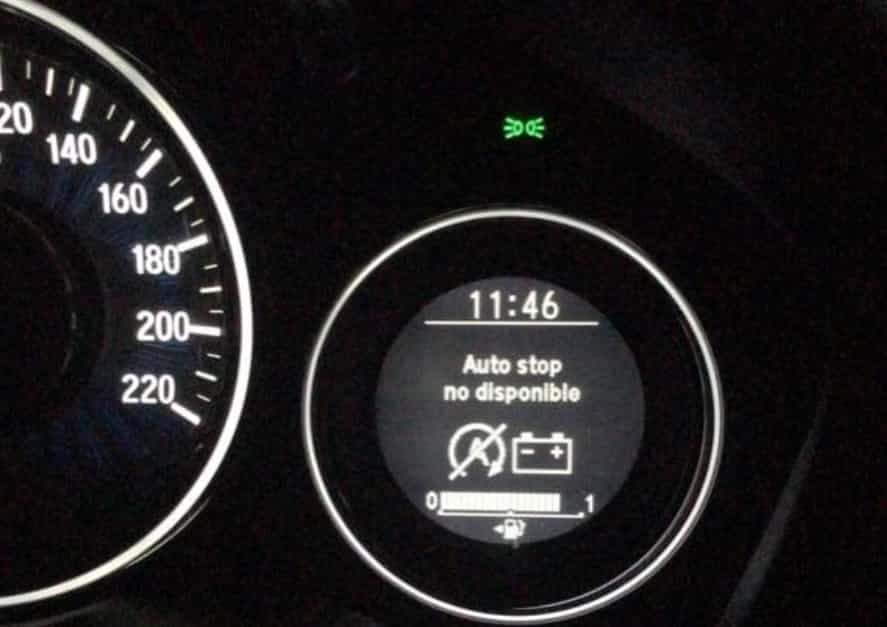
Dead or Weak Battery Is the Most Common Reason Your Honda HR-V Is Not Starting
A weak or dead battery is one of the most common reasons your Honda HR-V is not starting. The battery provides electrical power to the starter motor and other important systems. When the battery loses its charge, the engine cannot receive enough power to begin the starting process.
Many battery problems develop slowly. An old battery may lose its ability to hold power over time. Extreme temperatures can also reduce battery performance. Leaving lights, accessories, or electronic devices running can drain the battery when the engine is off.
Your Honda HR-V may show several warning signs before the battery completely fails. You may notice dim headlights, slow engine cranking, or a clicking sound when you press the start button. In some cases, the dashboard lights and radio may still work, but the engine will not start because the battery lacks enough power.
You can perform a few simple checks before replacing the battery. Inspect the battery terminals and look for corrosion or loose connections. Poor connections can prevent electricity from reaching the starter. You can also test the battery voltage with a multimeter or try a jump start to see if the vehicle responds.
If the battery works after a jump start but fails again later, the battery may need replacement. A professional inspection can also check whether another issue, such as a charging system problem, caused the battery to lose power.
Honda HR-V Starter Motor Problems Can Prevent the Engine From Cranking
The starter motor plays an important role in starting your Honda HR-V. It receives electrical power from the battery and turns the engine until combustion begins. When the starter motor fails, your vehicle may have enough battery power but still fail to start.
A damaged starter motor can happen because of normal wear, electrical problems, or poor connections. The starter solenoid can also fail and prevent power from reaching the starter. In some cases, damaged wiring or loose electrical connections can create similar symptoms.
A clicking sound is one of the most common signs of a starter problem. You may hear one loud click or several repeated clicks when you press the start button. The dashboard lights may remain bright, but the engine does not crank. This situation often helps separate a starter issue from a weak battery problem.
You can perform a few basic checks before replacing the starter motor. First, listen carefully when you try to start the vehicle. A single click without engine movement may indicate a starter failure. You can also inspect the battery connections because loose terminals can limit electrical flow.
If the battery works correctly and the connections are clean, the starter motor may require further testing. A mechanic can check the electrical current reaching the starter and confirm whether the component needs repair or replacement.
Replacing a faulty starter motor can restore normal starting performance. However, accurate diagnosis helps prevent unnecessary repairs and saves money.
Fuel System Failures Can Cause a Honda HR-V to Crank But Not Start
A Honda HR-V can sometimes crank normally but fail to start because of a fuel system problem. The engine needs the correct amount of fuel to create combustion. If the fuel supply becomes weak or stops completely, the engine cannot run.
The fuel pump is one of the most important parts of the fuel delivery system. It sends fuel from the tank to the engine at the correct pressure. When the fuel pump starts failing, your Honda HR-V may struggle to start or stop working without warning.
Other fuel related problems can also prevent the engine from starting. A clogged fuel filter can reduce fuel flow. Faulty fuel injectors may prevent the engine from receiving the right amount of fuel. Low fuel pressure can also create starting problems, even when the battery and starter work properly.
Several symptoms can help identify a fuel system issue. The engine may turn over normally but never start. In some cases, the vehicle may start briefly and then shut off. You may also hear unusual sounds from the fuel tank area when you turn on the ignition.
You can begin the diagnosis by listening for the fuel pump when you switch the ignition on. A healthy fuel pump usually creates a short humming sound. A professional technician can also test fuel pressure and inspect the injectors to find the exact problem.
Fixing a fuel system failure may require cleaning, repairing, or replacing damaged components. Proper diagnosis helps avoid replacing expensive parts unnecessarily.
Ignition System Issues Can Stop Your Honda HR-V From Starting
The ignition system helps your Honda HR-V create the spark needed for engine combustion. When this system fails, the engine may turn over but cannot start. A problem with ignition components can prevent the fuel and air mixture from burning correctly.
Spark plugs are one of the most common ignition parts that can affect starting performance. Over time, worn spark plugs may produce a weak spark or fail completely. Ignition coils can also develop problems and reduce the power sent to the spark plugs.
Another possible cause is a faulty ignition switch. This component controls the electrical connection needed to start the vehicle. If the switch fails, your Honda HR-V may not respond when you press the start button or turn the key.
Ignition problems often show specific warning signs. The engine may crank normally but fail to run. You may notice rough starting before the vehicle stops working completely. A check engine light may also appear when the system detects an ignition related problem.
You can start the diagnosis by checking for stored error codes with an OBD II scanner. A technician can inspect the spark plugs, test the ignition coils, and check the ignition switch for proper operation.
Replacing damaged ignition components can restore normal starting performance. Regular maintenance also helps prevent ignition failures. Changing spark plugs at the recommended service interval can improve reliability and reduce the chance of unexpected starting problems.
Key Fob, Immobilizer, and Security System Problems
Modern Honda HR-V models use advanced security technology to prevent unauthorized access. However, problems with the key fob or immobilizer system can sometimes stop the vehicle from starting. Even when the engine and battery work correctly, the security system may block the starting process.
A weak key fob battery is a common cause of starting issues. When the key fob cannot send a strong signal, the vehicle may not recognize the key. As a result, the push button start system may not respond.
The immobilizer system can also create a no start condition. This system communicates with the vehicle key and allows the engine to start only when it detects the correct signal. If the system cannot verify the key, it may prevent engine operation.
Several signs can help identify a key or security related problem. Your Honda HR-V may show a flashing security indicator on the dashboard. The push button may not work, or the vehicle may display a message about key detection. In some situations, the spare key may work normally while the main key does not.
You can try simple solutions before seeking professional help. Replace the key fob battery and make sure the key is close to the start button when attempting to start the vehicle. If the problem continues, the key or immobilizer system may need reprogramming.
A proper diagnosis can identify whether the issue comes from the key fob, receiver, or security module. Fixing the correct component helps restore reliable starting performance.
Electrical Problems and Faulty Sensors Affect Honda HR-V Starting
The electrical system controls many functions that allow your Honda HR-V to start and run properly. When electrical components fail, the vehicle may experience intermittent starting problems or fail to start completely. These issues can be difficult to identify because the symptoms may appear and disappear without warning.
Faulty sensors are common causes of starting problems. The crankshaft position sensor and camshaft position sensor provide important information to the engine control unit. If these sensors send incorrect signals, the engine may not receive the information needed to start.
Electrical wiring problems can also affect the starting system. Damaged wires, loose connections, or poor electrical grounds can interrupt communication between different vehicle components. In some cases, the battery and starter may work correctly, but the engine still refuses to start because the electrical signals do not reach the right systems.
Several warning signs can point to an electrical or sensor related problem. Your Honda HR-V may start sometimes and fail at other times. The engine may suddenly stop while driving. You may also notice warning lights on the dashboard, including the check engine light.
An OBD II scanner can help identify stored trouble codes from the vehicle computer. These codes provide useful information about possible sensor or electrical failures. A technician can then test the affected components and confirm the exact cause.
Repairing electrical issues requires accurate diagnosis. Replacing parts without testing can increase repair costs. Finding the real source of the problem helps restore reliable starting performance and prevents future failures.
Honda HR-V Not Starting After Battery Replacement
Replacing the battery usually solves many starting problems, but some Honda HR-V owners still experience a no start issue after installing a new battery. A new battery does not always guarantee that the vehicle will start correctly. Other electrical factors may affect the starting system.
One common cause is an incorrect battery installation. Loose terminals or poor connections can prevent electrical power from reaching important components. Even a fully charged battery cannot start the vehicle if the connection between the battery and electrical system is weak.
Another possible issue involves the vehicle’s electronic systems. After battery replacement, some Honda HR-V models may require system adjustments or a reset. The engine control unit may need time to recognize the new power supply. In some cases, electronic communication problems can affect the starting process.
The key system can also create problems after a battery change. If the vehicle does not recognize the key signal, the immobilizer system may prevent the engine from starting. This issue can happen when there is a synchronization problem between the key and vehicle security system.
Start by checking the battery installation carefully. Make sure the positive and negative terminals are tight and clean. You can also test the battery voltage to confirm that the new battery works correctly.
If your Honda HR-V still does not start after battery replacement, a professional scan may be necessary. A technician can check electronic systems, reset components, and identify hidden problems that a basic inspection may miss.
Cold Weather and Poor Maintenance Can Lead to Starting Problems
Cold weather and poor maintenance can make your Honda HR-V harder to start. Low temperatures affect several vehicle systems, especially the battery and engine fluids. When these components lose efficiency, the engine may need more power to start.
A weak battery often becomes more noticeable during cold conditions. Lower temperatures reduce the battery’s ability to deliver enough electrical power to the starter motor. If the battery is already old or damaged, cold weather can turn a small issue into a complete no start situation.
Engine oil can also affect starting performance. Cold temperatures make engine oil thicker, which increases resistance inside the engine. This condition forces the starter motor to work harder and requires more battery power.
Regular maintenance plays an important role in preventing Honda HR-V starting problems. Old spark plugs, dirty filters, and neglected service can reduce engine performance. These issues may not stop the vehicle immediately, but they can increase the chance of starting failures over time.
You can reduce cold weather starting problems by maintaining your vehicle properly. Check the battery condition before winter arrives. Follow the recommended service schedule and replace worn components when needed. Using the correct engine oil recommended for your Honda HR-V can also improve cold weather performance.
A well maintained vehicle starts more reliably in different conditions. Regular inspections help identify small problems before they become expensive repairs or unexpected breakdowns.
Honda HR-V Has Power But Won’t Start: How to Diagnose the Issue
A Honda HR-V can sometimes have electrical power but still refuse to start. The dashboard lights may turn on, the radio may work, and other accessories may function normally. However, the engine may not crank or start when you press the button.
Many drivers assume that working electronics mean the battery is healthy. However, the battery may still lack enough power to operate the starter motor. Starting the engine requires much more electrical energy than running basic accessories.
The first step is to check the battery condition. Inspect the battery terminals and make sure they have a clean and secure connection. Testing the battery voltage can help determine whether it provides enough power for starting.
If the battery works correctly, the next step is checking the starter system. Listen carefully when you attempt to start the vehicle. A clicking sound may indicate a starter motor or electrical connection problem. No sound at all may point to an issue with the start button, ignition system, or security system.
If the engine cranks but does not start, the problem may involve fuel delivery or ignition components. The fuel pump, fuel injectors, spark plugs, and ignition coils should be inspected.
Using an OBD II scanner can provide additional information by showing stored error codes. These codes help identify problems with sensors or electronic systems.
A step by step diagnosis prevents unnecessary part replacement. Understanding the symptoms helps you find the correct solution and restore your Honda HR-V starting performance.
Honda HR-V Starting Repair Costs and When to Visit a Mechanic
The repair cost for a Honda HR-V not starting problem depends on the cause. Some issues require simple solutions, while others may involve expensive components or advanced diagnosis. Understanding the possible repair areas can help you prepare before visiting a mechanic.
A battery replacement is usually one of the most affordable fixes. If the problem comes from a weak battery or damaged terminals, the repair process is often quick and straightforward. Cleaning connections or tightening terminals may solve the issue without replacing major parts.
Starter motor problems usually cost more because the component requires testing, removal, and replacement. Fuel system repairs, such as replacing a failed fuel pump, can also become more expensive because technicians need to access and inspect multiple components.
Some Honda HR-V starting problems do not require immediate professional repair. You may handle simple issues such as replacing a key fob battery, cleaning battery terminals, or checking basic connections. These steps can help solve minor problems and prevent unnecessary expenses.
However, you should visit a mechanic when the problem involves electrical faults, sensor failures, fuel system issues, or repeated starting failures. Modern Honda HR-V models use complex electronic systems that require proper diagnostic tools.
Accurate diagnosis is the most important step before any repair. Replacing parts without confirming the cause can waste time and money. A professional inspection can identify the real problem and help restore reliable starting performance.
Conclusion
A Honda HR-V not starting problem can happen for many different reasons. The most common causes include a weak battery, starter motor failure, fuel system problems, ignition issues, security system errors, and electrical faults.
Finding the right solution starts with understanding the symptoms. A clicking sound, dim lights, a silent engine, or normal cranking without ignition can provide important clues. Checking the battery, starter, fuel system, and ignition components in the correct order can help you identify the problem faster.
Simple issues such as a weak key fob battery or loose battery connection may have an easy fix. However, problems involving sensors, electrical systems, or fuel components often require professional diagnosis.
Regular maintenance can reduce the risk of unexpected starting failures. Checking your battery condition, following service schedules, and replacing worn parts at the right time can help keep your Honda HR-V reliable.
Have you experienced a Honda HR-V not starting issue? Share your symptoms, diagnosis process, or solution in the comments. Your experience may help other Honda HR-V owners find the right fix faster.